Chain link wire fencing — sounds simple, right? But its impact stretches far beyond the local backyard or industrial yard fences you see every day. Globally, this fencing type serves as a backbone of security, safety, and boundary definition for everything from humanitarian relief camps to commercial hubs. If you think about it, understanding chain link wire fencing is kind of like understanding an unsung hero of infrastructure.
The benefits run deep: affordability, durability, quick installation, and wide availability. Worldwide, these fences help protect people and property in urban and rural areas alike, facilitating order in an increasingly complex world.
Mini takeaway: Chain link fencing is more than cheap wire—it’s a versatile solution shaping global safety and boundary management.
Around 35% of the world's urban areas employ some form of metal mesh fencing, with chain link wire fencing topping the list (according to the International Organization for Standardization, ISO 4789). Industrial growth and urban sprawl spur demand, particularly in emerging economies where rapid infrastructure development needs a cost-effective, scalable boundary solution.
Security challenges, from crime prevention to controlling access to sensitive zones, create pressing demand too. It’s no wonder that this type of fencing accounts for a multi-billion dollar segment in global fencing markets, spanning North America, Asia-Pacific, Europe, and Africa.
Yet there remains a challenge: striking a balance between affordability, strength, and sustainability while addressing local climate and social conditions. Chain link wire fencing attempts to check all these boxes, but it’s not a one-size-fits-all solution.
Mini takeaway: Chain link fencing plays a critical role worldwide, blending affordability and security amid complex urban and industrial challenges.
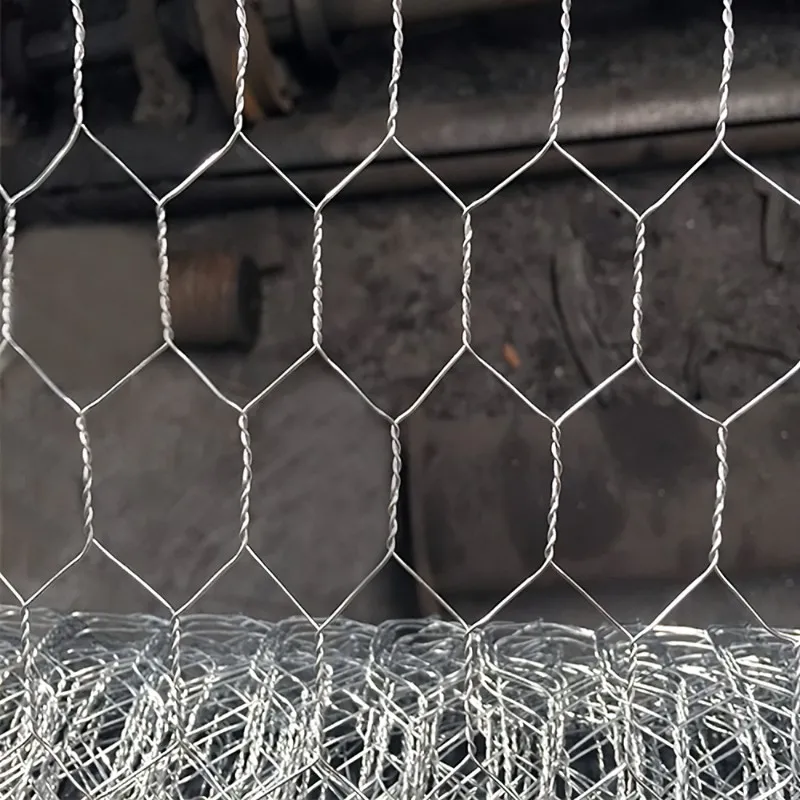
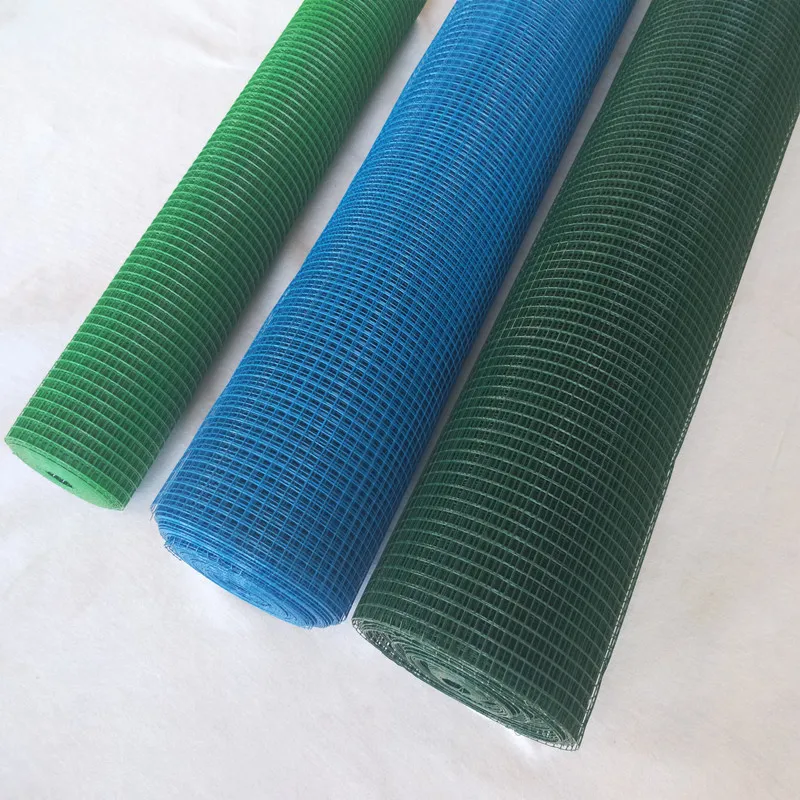
Put simply, chain link wire fencing is a woven structure made from galvanized or coated steel wire, designed to form a diamond-patterned mesh. It’s typically mounted on steel posts and stretched tight to create a strong, see-through barrier.
Its design dates back to the 19th century but remains relevant due to its adaptability and ease of deployment. Modern industry relies on it to safely demarcate property lines, control crowds, secure factories, and even create temporary shelters during humanitarian crises.
So, it’s not just “wire mesh” — it’s a strategic infrastructure asset with countless practical applications.
Most fences face heat, rain, wind, or corrosive environments. Galvanized steel and powder coatings extend lifespan by decades, especially in coastal or industrial zones. Oddly enough, many people save money upfront but lose more in replacements later.
Chain link fencing can be assembled and expanded in modular lengths, making it ideal for various scales. Whether you have a small gardening plot or a sprawling factory, the fence adapts — sort of like Lego for grown-ups.
The materials and installation costs stay relatively low, especially with quick assembly. This budget-friendly nature is why governments and NGOs often turn to it for large-scale projects.
The open weave allows sightlines and airflow, which is important for security personnel and environmental comfort inside enclosed areas.
From privacy slats and razor wire extensions to colored coatings matching branding or aesthetic needs, chain link fences can be easily tailored without a complete redesign.
Mini takeaway: Practical choices in durability, scalability, and cost make this fencing a favorite for countless applications.
For instance, after the 2015 earthquake in Nepal, NGOs deployed chain link wire fencing quickly to secure temporary healthcare and housing zones, underscoring its humanitarian value.
Mini takeaway: The adaptability of chain link fencing spans industries and geographies, enhancing safety and operational efficiency.
| Specification | Typical Range | Notes |
|---|---|---|
| Wire Gauge | 9 to 12 gauge (2.4 mm to 3.0 mm) | Lower gauge = thicker wire, stronger fence |
| Mesh Opening Size | 1.5” to 2.5” (38 mm to 64 mm) | Smaller openings increase security but reduce visibility |
| Height | 3 ft to 12 ft (0.9 m to 3.7 m) | Customized based on application |
| Coating | Galvanized, PVC-coated, Powder coated | Enhances corrosion resistance and aesthetics |
| Post Spacing | 6 to 10 ft (1.8 m to 3.0 m) | Closer posts increase stability |
| Vendor | Material Quality | Customization Options | Pricing | Delivery Speed |
|---|---|---|---|---|
| FencePro Co. | High-grade galvanized steel | Full range including privacy slats | Mid-range | 2 weeks average |
| SecureMesh Ltd. | Premium powder-coated wire | Limited; focuses on bulk orders | Higher-end | 1 week express option |
| GlobalFencings | Standard galvanized | Basic product lines | Budget-friendly | 3 weeks average |
In real terms, this fencing type offers a wealth of benefits beyond cost:
All told, chain link wire fencing helps weave a fabric of trust and order around communities and industries alike.
We're seeing interesting developments lately:
It feels like chain link fences are stepping into the future — quietly but surely.
No product is perfect. Chain link wire fencing sometimes faces criticism for:
Experts suggest solutions like adding privacy slats, enhanced coatings, and integrating electric or sensor alarms. Regular maintenance also plays a crucial role.
Looking at the bigger picture, chain link wire fencing remains a quietly powerful solution bridging the gap between security, cost, and flexibility. Whether you’re securing a schoolyard, marking property in a suburban sprawl, or creating safe zones in disaster relief — it’s more than just fencing. It’s infrastructure meeting human, economic, and ecological needs in one go.
If you’re ready to explore options, or just want to learn more about modern fencing solutions, do check out chain link wire fencing. Sometimes, the simplest solutions truly stand the test of time.
Thanks for reading! And remember, a strong fence might just keep a lot more peace than you imagine.
RELATED PRODUCTS





Top