When designing industrial flooring or safety barriers, selecting the right material is critical for both safety and longevity. Expanded metal steel grating has emerged as a premier choice for engineers and architects worldwide due to its unique strength-to-weight ratio and non-slip properties. Unlike traditional welded grids, expanded metal is created from a single sheet of steel, ensuring there are no welds to fail under stress. In this comprehensive guide, we will explore the technical advantages, diverse applications, and selection criteria for high-quality steel grating to help you make an informed decision for your next project.
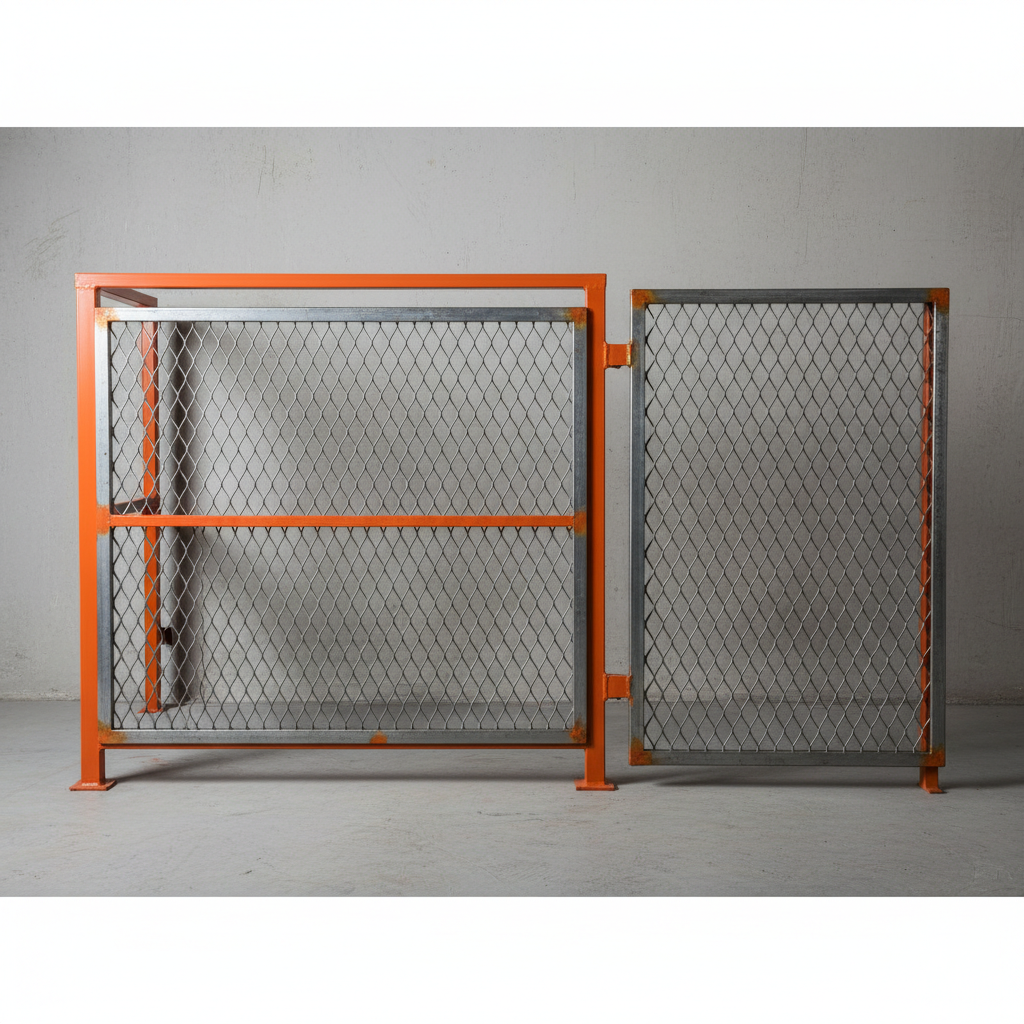
The brilliance of expanded metal steel grating lies in its manufacturing. Rather than assembling separate bars, a steel sheet is slit and stretched simultaneously. This process creates a continuous, diamond-shaped mesh that is inherently stronger than the sum of its parts. Because the material is stretched, the resulting grating possesses a natural rigidity and a high degree of transparency, allowing light and air to pass through while maintaining structural integrity. This "single-piece" construction eliminates the risk of joint separation, making it an ideal solution for high-traffic industrial environments.
Pro Tip: The angle of the diamond openings can be customized to prioritize either maximum airflow or maximum load-bearing capacity, depending on your specific site requirements.
Why choose expanded metal over other grating types? First and foremost is the slip resistance. The raised surface of the diamond pattern provides natural traction, which is essential in oily or wet industrial settings. Secondly, it is incredibly cost-effective; since no material is wasted during the slitting and stretching process, you get more coverage for less raw material. Additionally, the ability to be hot-dip galvanized ensures that expanded metal steel grating can withstand the harshest corrosive environments, from chemical plants to coastal piers.
Top Benefits at a Glance:
• Zero Waste: Efficient production reduces environmental impact and cost.
• High Strength: Integrated structure provides superior stability.
• Anti-Slip: Raised textures prevent workplace accidents.
• Ventilation: Open mesh allows for drainage and air circulation.
Choosing between expanded metal and welded mesh often depends on the load requirements and the budget. While welded mesh is excellent for light-duty fencing, expanded metal steel grating offers far superior stiffness and load-bearing capabilities for flooring. Because expanded metal is a continuous sheet, it does not suffer from "unraveling" if a single wire is cut. For those seeking a balance of weight and performance, expanded metal is almost always the more durable choice for industrial walkways.
The versatility of this material allows it to be used in a dizzying array of sectors. In oil and gas refineries, it is the gold standard for catwalks and mezzanine floors because it allows spills to fall through while keeping workers safe. In architecture, it is frequently used for decorative facades, security screens, and sunshades. Even in agriculture, it serves as heavy-duty animal enclosures. No matter the industry, the adaptability of expanded metal steel grating ensures it meets the specific safety and aesthetic needs of the project.
To ensure you order the correct product, you must understand the key specifications: SWD (Short Way of Diamond), LWD (Long Way of Diamond), and Strand Width. The SWD determines the load-bearing strength, while the strand width indicates the thickness of the metal ribbons. Depending on your application, you can choose from carbon steel, stainless steel, or aluminum. Below is a general specification table for industrial-grade expanded metal steel grating.
Choosing the right expanded metal steel grating is about balancing safety, cost, and durability. Whether you are securing a high-traffic industrial platform or designing a modern architectural feature, the superior strength and efficiency of expanded metal make it an unbeatable choice. At Tikeme Metal, we specialize in precision-engineered grating solutions that meet international safety standards. By prioritizing quality materials and rigorous testing, we ensure your project remains safe and functional for decades to come.
Determining the correct thickness (strand width) depends primarily on the anticipated "Live Load"—the weight of people, machinery, and materials that will be on the surface. For light pedestrian traffic, a thinner strand (around 1.5mm to 3mm) is usually sufficient. However, for heavy industrial equipment or vehicle traffic, you will need a significantly thicker strand (4mm to 6mm+) combined with a smaller SWD to prevent sagging. We recommend consulting with a structural engineer or contacting the team at Tikeme Metal for a load calculation analysis to ensure safety compliance.
Yes, generally speaking. Perforated steel is created by punching holes out of a flat sheet, leaving the surface essentially flat. Expanded metal, however, is stretched, which creates "strands" that sit at an angle to the surface. These angled strands act like natural treads on a tire, providing significantly more friction and grip for footwear. This makes expanded metal steel grating the far superior choice for walkways where oil, water, or ice may be present, reducing the risk of slip-and-fall accidents in the workplace.
For most industrial applications, Hot-Dip Galvanizing (HDG) is the gold standard. Unlike spray painting, HDG involves submerging the entire grating piece into molten zinc, which creates a metallurgical bond that protects both the exterior and interior of the mesh. This is crucial for expanded metal steel grating because the complex diamond geometry can be hard to coat evenly with paint. For extreme chemical environments, we suggest using Stainless Steel (Grade 316) or a high-performance powder coating over a galvanized base.
Absolutely. One of the biggest advantages of working with a professional manufacturer is the ability to customize the dimensions. We can provide the grating in standard sheets or cut it to precise dimensions to fit your framing. Furthermore, we can adjust the "flattening" process—where the expanded mesh is cold-rolled to be flat—if your application requires a smoother surface while still retaining the strength of the expanded structure. Visit Tikeme Metal to discuss your custom project specifications.
RELATED PRODUCTS





Top