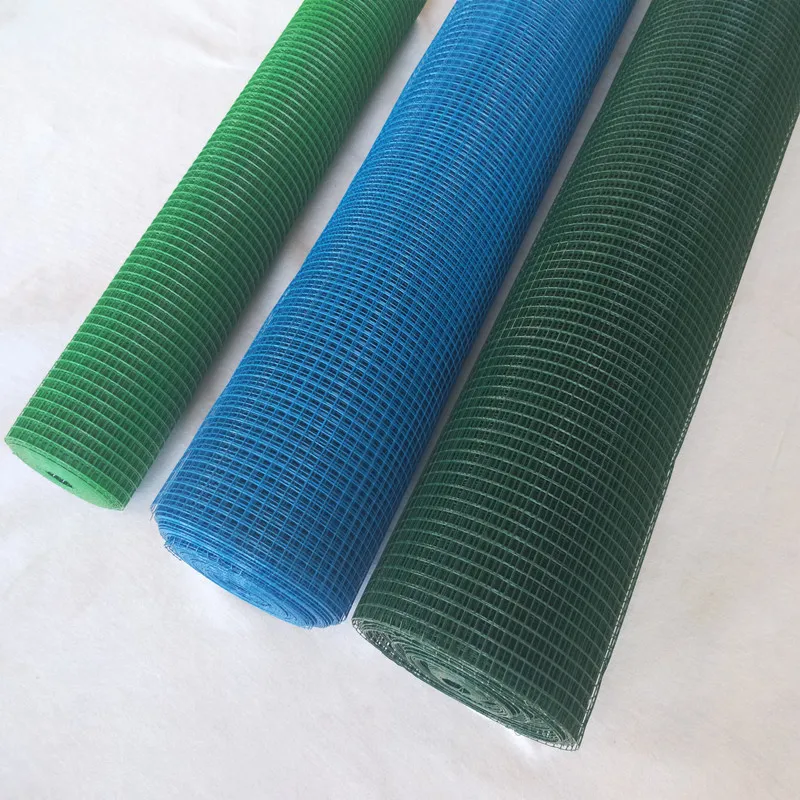
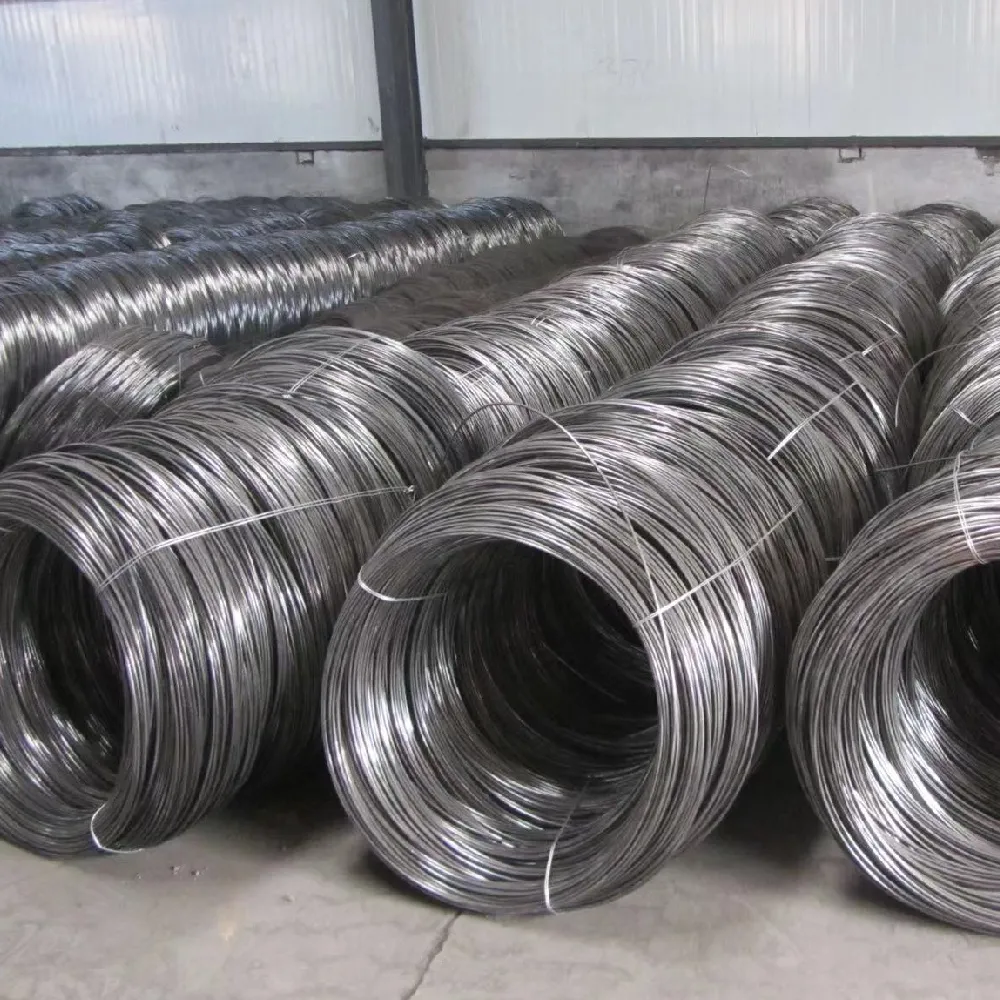
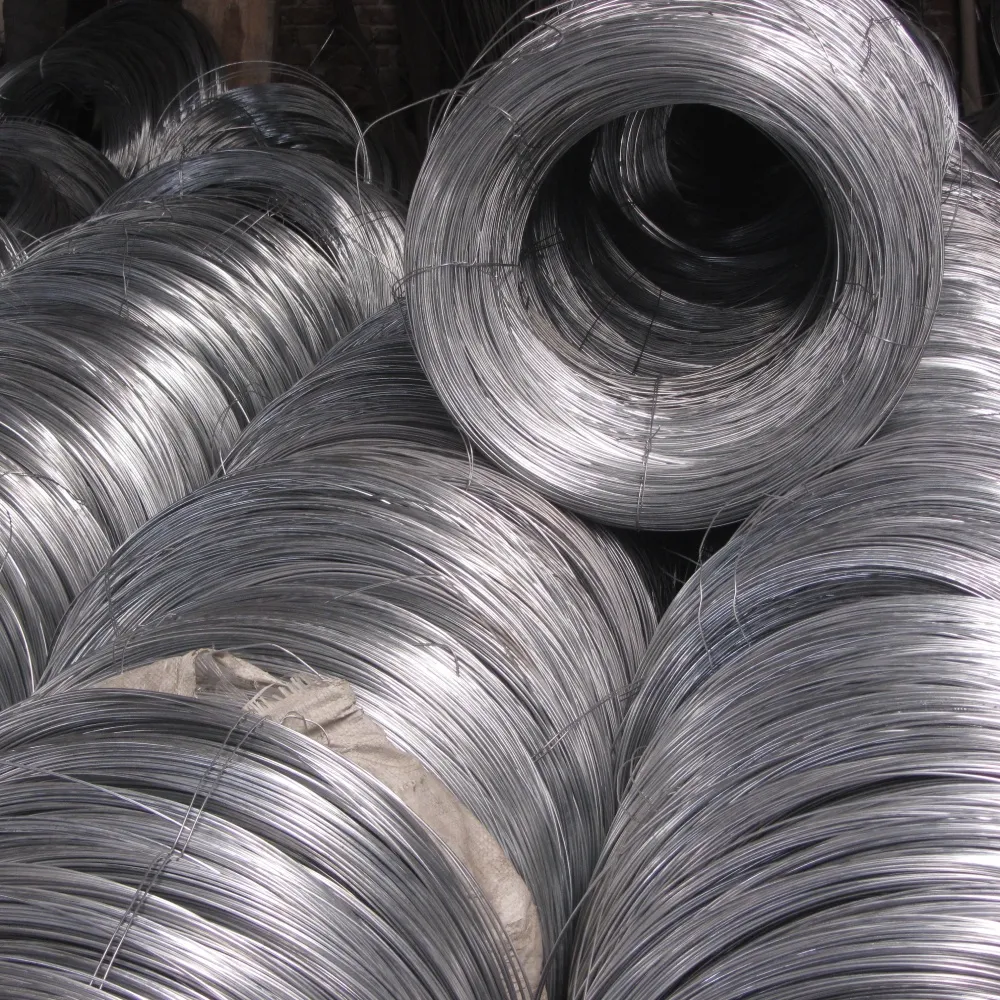
If you’ve ever stopped to wonder how certain fences manage to keep even the craftiest of intruders at bay, then you’ve brushed against the world of anti climb chain link fences. These fences aren't just plain barriers; they represent a fusion of engineering, security, and practical ingenuity with real global consequences. From securing critical infrastructure in bustling metropolises to protecting vulnerable facilities in remote areas, knowing a thing or two about these fences exposes a surprisingly large layer of a world that’s keen on safety, durability, and cost-effectiveness all at once.
The reason this is such a hot topic globally, beyond the usual crime prevention angle, is that anti climb fences are part of larger conversations about urban resilience, humanitarian infrastructure, and even environmental sustainability. They’re designed not only to be tough but also smart — improving security without an overtly aggressive presence. In a nutshell, understanding these fences can lead to smarter investments in safety, which is something that almost every government, industry, and community cares deeply about nowadays.
Around the world, the demand for secure perimeters is skyrocketing — and not just in high-profile government or military locations. According to the UN Office on Drugs and Crime (UNODC), property crimes and breaches have an increasing impact on economic stability in urban and rural settings alike1. That means fences that deter entry quickly, efficiently, and reliably have never been more vital.
The ISO has likewise put forward standards focusing on fencing safety and durability, reflecting the industry's growing emphasis on tested, certified anti climb solutions2. But ironically, the problem tends to be that traditional fences are just too easy to scale, climb, or cut through — and thus ineffective. Hence the rising spotlight on anti climb chain link fences, which address those vulnerabilities head-on.
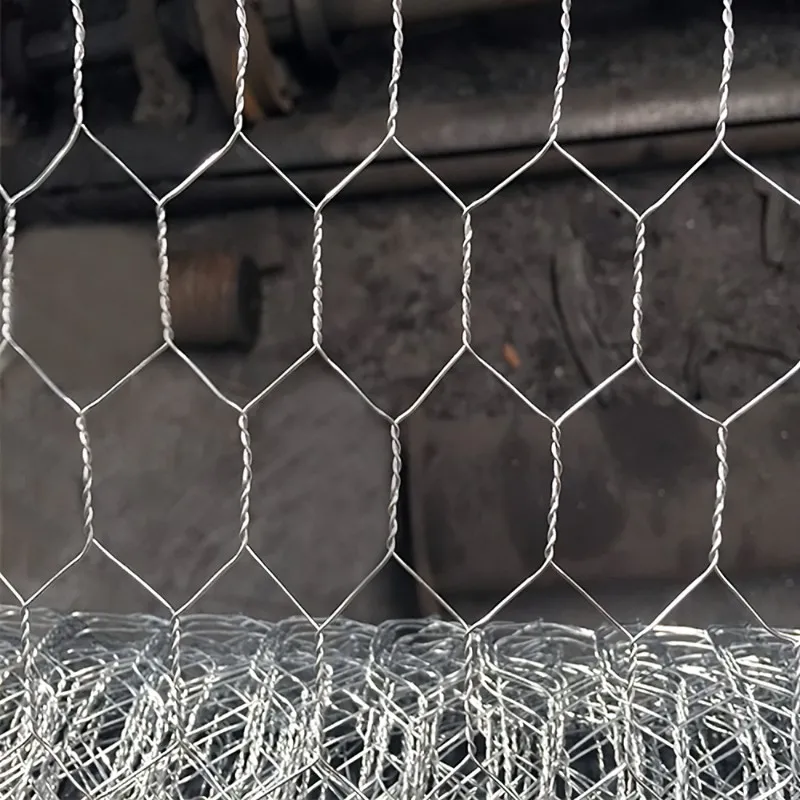
In simple terms, an anti climb chain link fence is a type of fencing designed specifically to prevent climbing attempts by would-be intruders. The main idea is to make the fence so difficult — physically and sometimes psychologically — to scale or breach that it deters attempts altogether. Typically, this is achieved by using tighter mesh sizes, harder materials, and sometimes added deterrents like angled tops or barbed wire integrated into the design.
These fences uniquely combine flexibility and strength. The chain link design allows installation over various terrains (hills, uneven ground), while the anti climb properties meet both industrial and humanitarian needs. For NGOs setting up secure perimeters in refugee camps, or factories protecting sensitive equipment, these fences offer a reliable first line of defense.
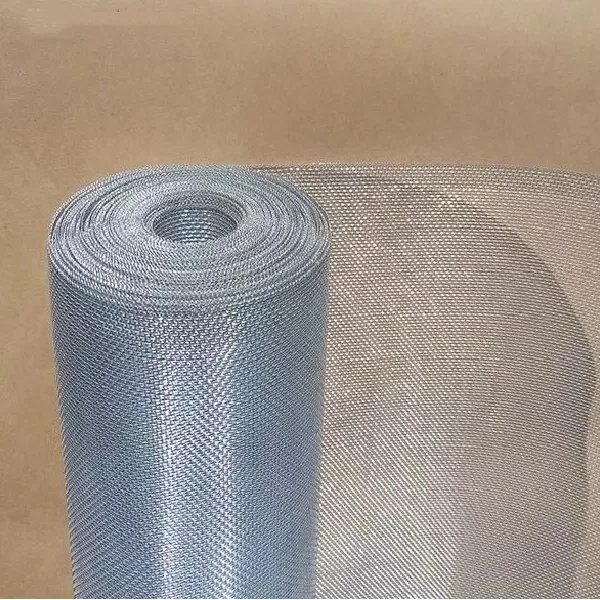
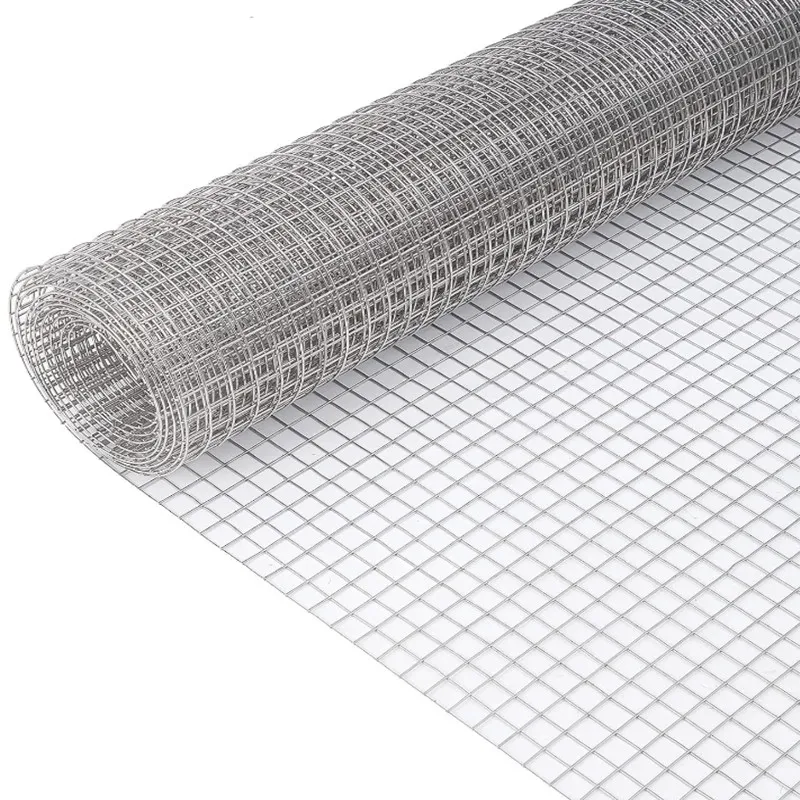
The smaller the mesh opening, the harder it is to get a foothold or handhold. Anti climb fences usually feature very tight diamond-shaped mesh, generally less than 25mm openings. This small gap denies grip and makes scaling a headache for intruders.
The wire used is typically high tensile steel or galvanized steel with a durable powder coating. This results in a surface that’s not only resistant to weather but also tough to cut or bend — a must-have for effective security.
Strong, heavy-gauge galvanized steel posts support the mesh to prevent deformation, sagging, or forced entry via post displacement. The frames are often reinforced, sometimes with locking mechanisms that make disassembly near impossible without proper tools.
Barbed tape, spikes, or electric wiring can be incorporated into the design, depending on needs and regulations. This supplemental protection adds layers of difficulty for anyone considering a climb.
Given their outdoor application, anti climb fences almost always include galvanization and sometimes powder coating or polymer layers. These treatments extend lifespan and reduce maintenance costs substantially.
Overall, the blend of tough materials and engineering detail in anti climb chain link fences makes them a robust solution where security and durability are paramount.
From bustling cities to isolated industrial sites, anti climb chain link fences show up where security can’t be compromised.
For example, in post-disaster relief operations across Southeast Asia, speedy deployment of anti climb chain link fences has been essential to protect temporary shelters and resources from theft or intrusion.
| Feature | Specification |
|---|---|
| Mesh Opening | 12.5 mm to 25 mm |
| Wire Gauge | 4 mm to 5.5 mm high-tensile steel |
| Fence Height | 1.8 m to 3.6 m (customizable) |
| Post Material | Galvanized steel, 60 mm diameter |
| Coating | Hot-dip galvanization + Powder coating |
| Additional Features | Optional barbed wire or razor tape topping |
| Vendor | Customization Options | Price Range | Lead Time | Warranty |
|---|---|---|---|---|
| Tike Metal | High - mesh size, coating, height variations | $$$ (mid to high) | 2-4 weeks | 5 years |
| FenceGuard Solutions | Medium - mainly standard sizes | $$ | 3-6 weeks | 3 years |
| Global Fencing Co. | Low - stock models only | $ | 1-2 weeks | 1 year |
The safety offered can hardly be overstated — these fences help preserve not just property but peace of mind. The initial investment is often recouped with fewer break-ins and lower maintenance compared to cheaper substitutes. Plus, the galvanization and coatings extend lifespan to well past a decade in most climates.
Socially, the use of such fencing can convey a strong message of commitment to safety and trustworthiness, useful in high-traffic environments like schools or hospitals. It feels less like a prison wall and more like a professional commitment to care and protection.
Green-friendly materials are becoming the next frontier. Some manufacturers experiment with recycled steel and eco-conscious powder coatings that reduce emissions over the production lifecycle. Then there’s the integration of smart sensors embedded within the fence structure to detect tampering automatically — part of the growing trend toward digital transformation in security.
Automation could also mean faster installation methods, using modular designs that snap together like puzzles, cutting deployment time dramatically. Frankly, it’s an exciting time — fences are getting smarter, tougher, and greener all at once.
Of course, no solution is perfect. Anti climb chain link fences can be expensive upfront, especially with high customization. Installation can be tricky on uneven or rocky terrain, demanding expert surveying and groundwork. Lastly, in highly vandal-prone zones, even these fences can suffer damage.
Experts often recommend combining fencing with other layered security measures — CCTV, lighting, and human patrols — rather than relying on a single barrier. Plus, training local maintenance teams ensures long-term durability. Using coatings designed for extreme climates also minimizes corrosion problems.
If security, durability, and adaptability top your priority list, investing in an anti climb chain link fence makes a lot of sense. It’s a proven defense layer for industries, communities, and humanitarian projects alike — combining practical design with evolving innovations. And for those keen on effective security without unduly harsh aesthetics, it strikes a good balance.
Take a minute to explore options at Tike Metal’s website and see how these fences can fit your unique needs. Because sometimes, the difference between a secure facility and a vulnerable one starts with what seems like just a fence.
RELATED PRODUCTS






Top