Building and maintaining quality sports facilities, like tennis courts, requires a solid perimeter solution — and the tennis court chain link fence fits in perfectly. This isn’t just about aesthetics or basic boundary marking, but rather safety, durability, and functionality on a global scale. Why? Because tennis courts exist everywhere—from local parks to international stadiums—and their fencing is critical to protecting players, spectators, and the equipment. A well-installed chain link fence reduces disruptions, prevents stray balls from exiting the court, and provides a secure, long-lasting enclosure. Knowing the ins and outs of how these fences work, why they matter, and their design subtleties can help facilities worldwide improve play, safety, and cost management.
Worldwide, more than 87 million people play tennis regularly, with a growth trend reported by organizations like the International Tennis Federation and supported by urban development figures from the World Bank. These numbers demonstrate the growing demand for reliable sports infrastructure everywhere—even in regions where budgets can be tight, such as emerging markets.
A common challenge is durability combined with cost-effectiveness. Outdoor tennis courts constantly endure weather, physical impact, and UV exposure. The right fence must handle all this while staying affordable and easy to maintain—a balancing act that chain link fencing manages somewhat gracefully.
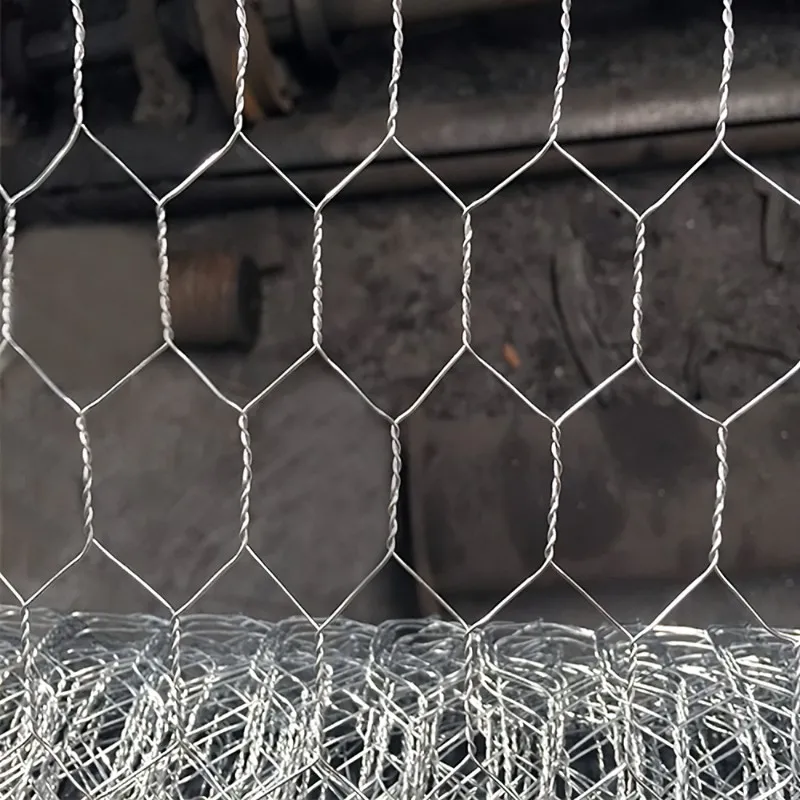
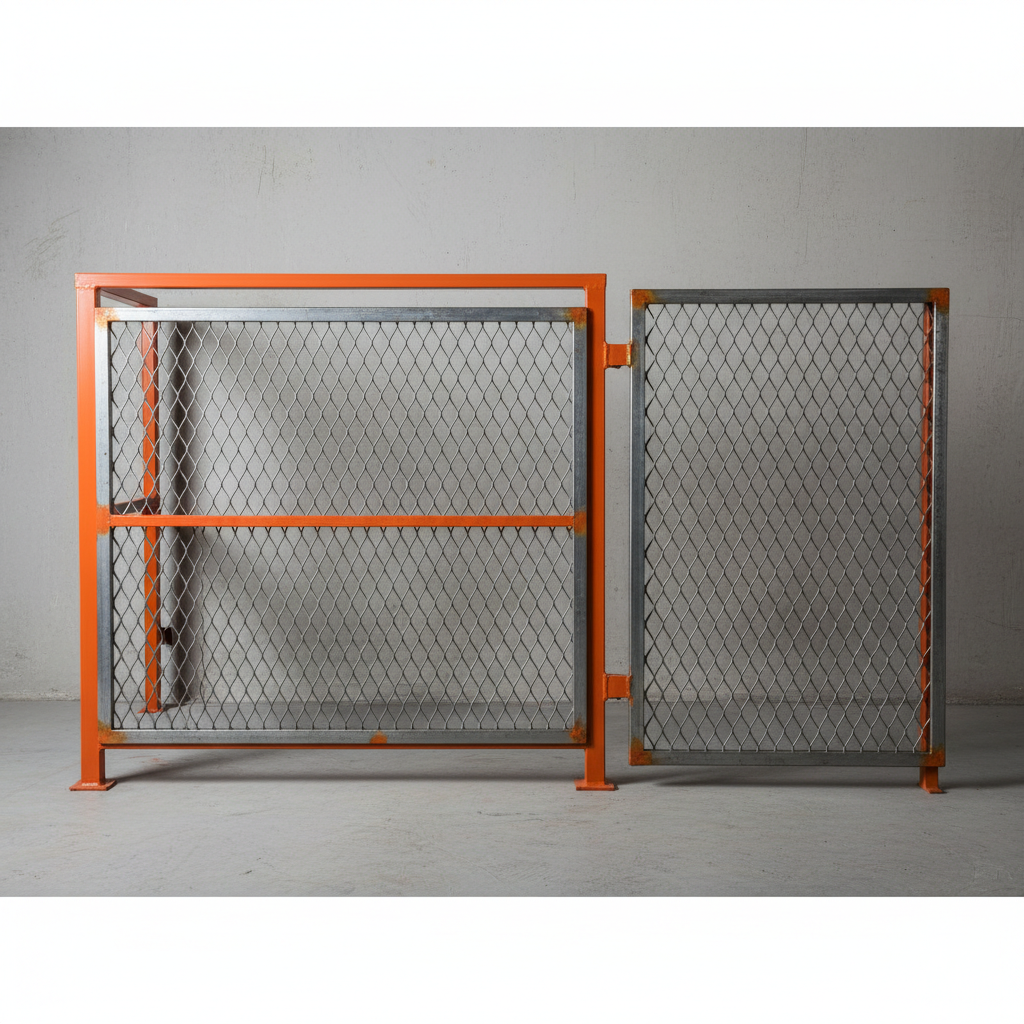
In simple terms, a tennis court chain link fence is a woven metal fencing, usually galvanized steel, designed to enclose a tennis court perimeter. The diamond-shaped mesh allows visibility for players and fans but creates a formidable barrier against balls and unauthorized entry.
Beyond sports, these fences have roots in industrial safety and urban planning but have evolved into a specialized product catering to recreational needs. They strike a nice balance between security, visibility, and airflow—crucial for player comfort and spectator experience.
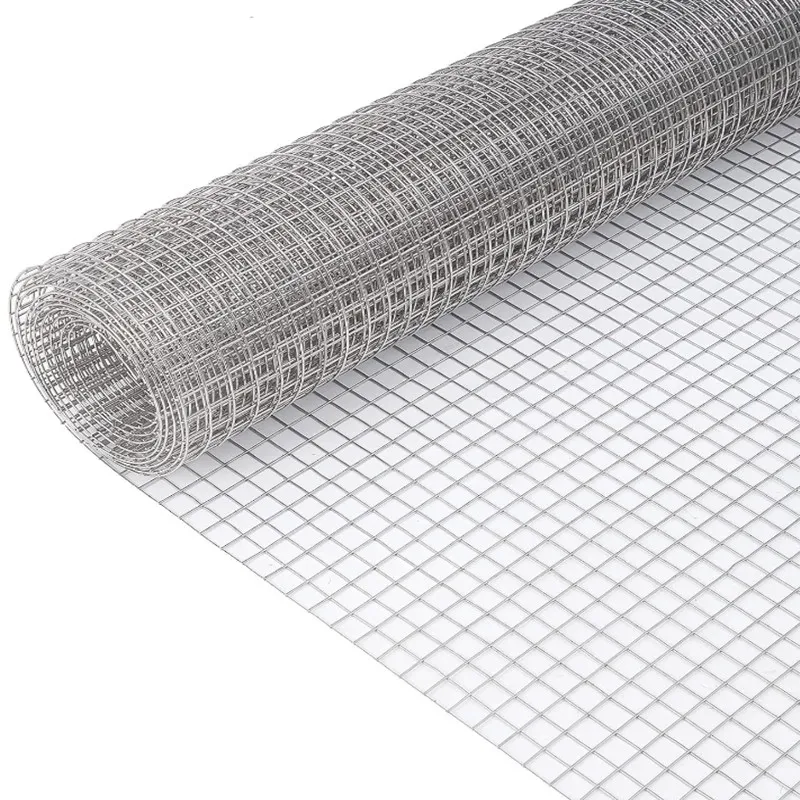
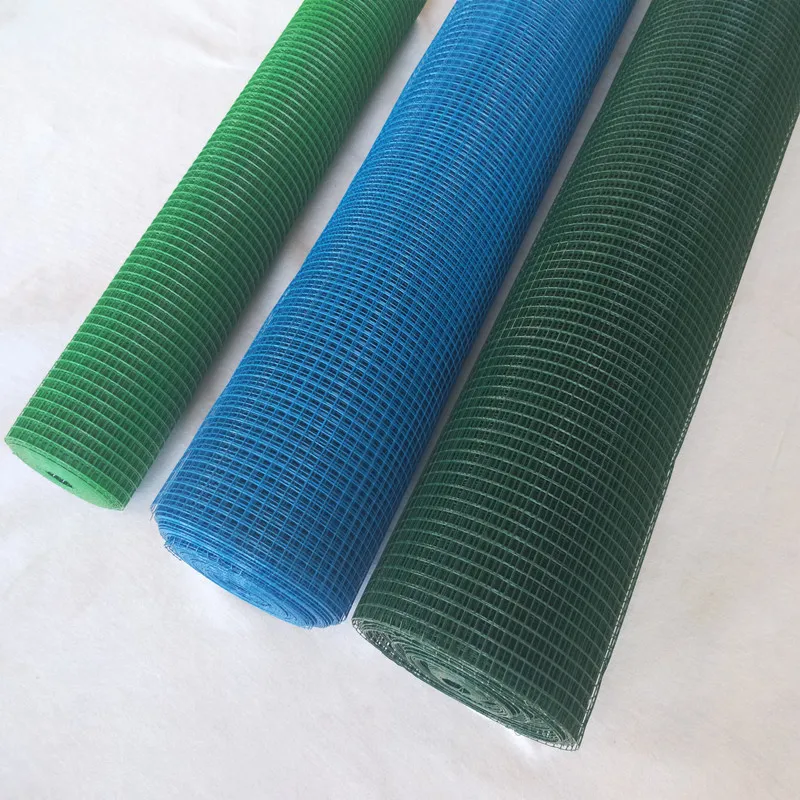
Most fences are constructed with galvanized steel wire, which withstands corrosion and harsh weather conditions for years—sometimes even decades. Some facilities go further, opting for vinyl-coated steel mesh to add an extra layer of protection and aesthetic appeal.
Standard tennis court fences range from 10 to 12 feet tall to keep balls within bounds. The mesh size is typically between 1.5 to 2 inches per diamond, balancing ball retention with clear sightlines.
Heavy-duty steel posts securely anchor the fence into the ground, often embedded in concrete pads. This prevents sagging and provides stable tension for the chain link mesh.
Compared to other fencing options, the chain link model offers a remarkable price-to-performance ratio. Installers appreciate its modular nature, and facility managers prefer its low cost over long-term maintenance.
With coatings available in different colors, chain link fences can blend in or stand out, depending on design preference. From a sustainability angle, steel is recyclable, and maintenance products often follow eco-friendly standards.
A tennis court chain link fence isn’t just about holding back stray balls—it's a thoughtful construct balancing durability, cost, and player experience.
From community parks in Europe to private country clubs in Asia and government sports facilities in North America, this type of fencing is the default quiet hero. For example, in Japan, local municipalities often install these fences to maximize safety in densely populated urban courts. Meanwhile, sports complexes in Australia use highly galvanized steel to counteract intense UV exposure and salinity near coastal areas.
Oddly enough, even humanitarian organizations have employed chain link fencing in temporary sports setups to encourage community interactions and youth development in post-disaster zones. This shows its adaptability beyond traditional use cases.
| Feature | Standard Value | Details |
|---|---|---|
| Fence Height | 10 - 12 feet (3 - 3.7 m) | Customizable per court requirements |
| Mesh Size | 1.5 - 2 inch diamond | Balancing visibility with ball containment |
| Wire Thickness | 9 - 11 gauge | Stronger fencing for higher wear areas |
| Post Diameter | 2 - 2.5 inches (50 - 63 mm) | Ensures structural stability |
| Coatings | Galvanized, PVC Coated | Corrosion resistance & aesthetic options |
| Vendor | Material Quality | Customization Options | Price Range | Geographic Reach |
|---|---|---|---|---|
| Tikemetal | Galvanized & PVC Coated | Fence Height, Mesh Size, Color | $$ - $$$ | Global |
| FenceTech Inc. | Standard Galvanized Steel | Less Flexible | $ - $$ | North America |
| Global Fencing Solutions | Premium Grade Steel, PVC Coating | Highly Customizable | $$$ | Global |
What really impresses many facility managers is how these fences balance cost and function for the long haul. Unlike wooden or solid panel fencing, chain link doesn't rot, requires no painting, and can be cleaned easily with a hose—little effort for years of reliable service. Plus, the openness helps players keep an eye on surroundings, and trainers don’t feel boxed in.
Emotionally, the fence represents safety and trust — a boundary that supports gameplay rather than limits it. Environmentally, the recycled steel content and durability mean less waste and replacements. Logically, it's a clear investment protecting the court's surface and reducing liability risks from unintended access.
The fencing industry isn’t exactly Silicon Valley, but it’s incorporating modern twists. Anti-graffiti coatings are now common, reflecting social demands for lower maintenance and vandalism resistance. Some companies explore integrating solar-powered LED lighting along fences for night courts—efficiency meets innovation.
There’s also growing interest in greener materials such as bio-based vinyl coatings and lighter, stronger alloys that reduce carbon footprints during production and transport. Finally, modular fence panels with quick-release anchors simplify post-event relocation or repairs—important as multi-use venues become popular.
The biggest headache? Occasional sagging and corrosion if subpar materials are used or installation cuts corners. Also, in high-wind zones, fences can suffer damage or create noise that disturbs play.
Experts recommend:
A: When properly installed with quality galvanized steel and coatings, a tennis court chain link fence can last 15-30 years. Maintenance like tensioning wires and treating minor rust spots extends life further.
A: Yes, PVC or vinyl-coated fences add about 15-30% more to upfront costs compared to bare galvanized steel but offer better corrosion protection and aesthetics, which often reduces long-term maintenance expenses.
A: Absolutely. Vendors like tennis court chain link fence suppliers provide options for fence height, mesh size, and colors tailored to specific court dimensions and style preferences.
A: These fences prevent balls from leaving the play area, reduce unauthorized access, and provide clear sightlines ensuring referee and spectator safety without obstructing visibility.
A: Installation typically takes several days depending on court size, but many firms offer turnkey solutions. Using modular panels can accelerate this process substantially.
To wrap up, the tennis court chain link fence remains a steadfast component in sports infrastructure worldwide. It blends proven engineering with affordability, durability, and a surprisingly thoughtful interaction with the player and spectator experience. If you’re considering upgrading or installing, looking into customizable, professionally installed options like those offered by tennis court chain link fence providers is a smart call. Over time, these fences don't just protect— they enhance the game.
For more details on materials, pricing, and installation, be sure to visit our website.
RELATED PRODUCTS





Top