When it comes to industrial safety and structural integrity, the choice of flooring can make or break an operation. diamond steel grating stands out as a premier choice for engineers and architects seeking a balance between immense load-bearing capacity and superior slip resistance. Unlike standard gratings, the diamond pattern provides multi-directional stability, making it indispensable for high-traffic environments. In this guide, we will explore why this specific design is preferred across global industries and how it enhances both safety and longevity in demanding conditions.
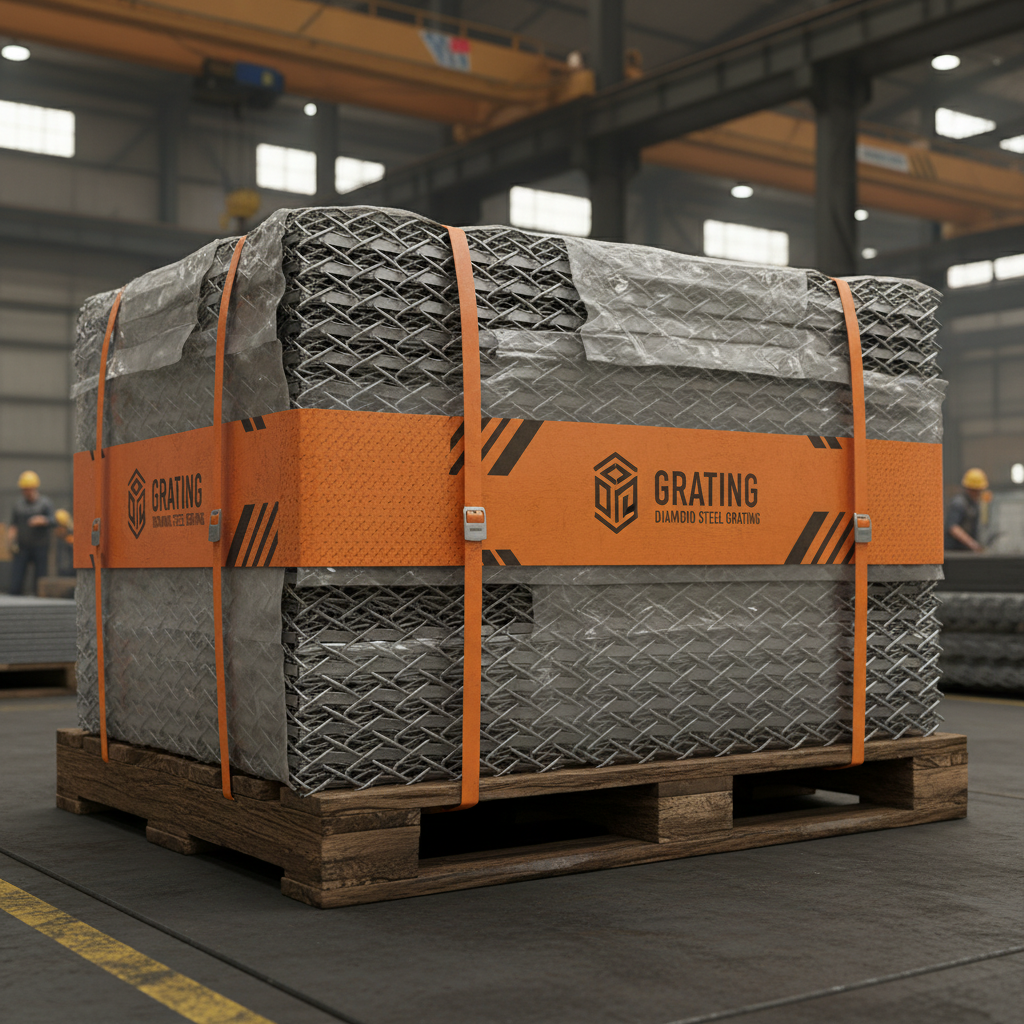
The primary appeal of diamond steel grating lies in its unique geometric configuration. By interlocking steel bars in a diamond shape, the grating distributes weight more evenly across the surface compared to linear designs. This reduces the risk of localized bending and enhances the overall structural rigidity. Furthermore, the open-grid nature of the design ensures that liquids, debris, and snow fall through, preventing accumulation that could lead to hazardous slips or corrosion. High tensile strength and impact resistance are the hallmarks of this product, ensuring it can withstand heavy machinery and constant foot traffic without deformation.
Key Highlights: The diamond pattern offers superior multi-directional load support and maximizes drainage efficiency, significantly reducing maintenance costs and increasing site safety.
Selecting the right material requires a clear understanding of how different designs perform under pressure. While standard bar grating is excellent for unidirectional loads, diamond steel grating provides a safer walking surface from any angle. This is particularly critical in areas where workers move unpredictably or where equipment is shifted in various directions. The increased surface contact of the diamond pattern also provides a more "natural" feel underfoot, reducing worker fatigue in large-scale industrial plants.
Because of its robustness, diamond steel grating is utilized across a vast spectrum of industries. In the oil and gas sector, it is frequently used for offshore platforms where saltwater corrosion and extreme weather are constant threats. In wastewater treatment plants, the grating allows for efficient filtration while supporting heavy maintenance equipment. Additionally, it is a popular choice for industrial mezzanines, catwalks, and ventilation covers. Its ability to be hot-dip galvanized further ensures that the steel is protected from oxidation, extending the service life to several decades.
To ensure the safety of any installation, choosing the correct specifications for your diamond steel grating is essential. Factors such as bar thickness, mesh size, and coating type must be aligned with the expected load and environmental exposure. Most industrial grades use high-quality carbon steel, but stainless steel options are available for pharmaceutical or food-grade environments where hygiene and corrosion resistance are the top priorities.
While diamond steel grating is designed for low maintenance, periodic inspections are recommended to ensure continued safety. Checking for signs of coating wear or structural deformation after extreme weather events or heavy load surges can prevent costly failures. For those using galvanized steel, ensuring that any welds performed on-site are properly touched up with cold-galvanizing spray will prevent rust from forming at the joints. Proper installation, including the use of secure clips and fasteners, ensures that the panels remain stable and noise-free over time.
In the modern era of green building, the sustainability of materials is a key consideration. Steel is one of the most recycled materials on earth, and diamond steel grating fits perfectly into a circular economy. At the end of its long service life, the grating can be melted down and repurposed without any loss of quality. Moreover, by reducing the amount of solid concrete needed for flooring in industrial settings, steel gratings lower the overall carbon footprint of a construction project. Their durability also means fewer replacements are needed, reducing waste over the decades of a facility's operation.
Choosing diamond steel grating is an investment in long-term safety and operational efficiency. Its unique ability to handle multi-directional loads, combined with exceptional drainage and slip resistance, makes it a superior alternative to traditional flooring options. Whether you are building a new industrial plant or upgrading existing infrastructure, prioritizing high-quality steel gratings ensures a safer environment for your workforce. Explore the full range of industrial flooring solutions at Tike Metal to find the perfect specification for your project.
Initially, diamond steel grating may have a slightly higher cost due to the more complex manufacturing and weaving process required to create the interlocking pattern. However, when considering the total cost of ownership, it often proves more economical. The increased durability, superior slip resistance (which reduces workplace accidents), and lower maintenance requirements mean that the long-term operational costs are significantly lower than those of basic gratings.
Determining the load capacity involves analyzing the expected weight (static and dynamic), the span between the supports, and the frequency of use. We recommend consulting with a structural engineer to calculate the "Uniformly Distributed Load" (UDL) and the "Concentrated Load." At Tike Metal, we provide technical data sheets that help you match the bar thickness and mesh size to your specific load requirements.
Yes, provided the correct finish is applied. For most industrial settings, Hot-Dip Galvanizing (HDG) provides an excellent barrier against rust and corrosion. For extremely aggressive environments—such as chemical plants or marine applications—we recommend using Stainless Steel (Grade 304 or 316). Stainless steel is naturally resistant to chlorides and acids, ensuring that the structural integrity of the grating remains intact even under chemical exposure.
A high-quality hot-dip galvanized diamond steel grating can last anywhere from 20 to 50 years, depending on the environment. In mild industrial settings, it may last indefinitely with minimal care. In coastal or high-pollution areas, the zinc layer gradually wears away, but it still provides decades of protection. Regular cleaning to remove salt and debris can further extend the life of the galvanization.
RELATED PRODUCTS





Top