Decorative steel grating offers a unique blend of functionality and aesthetic appeal, making it a popular choice for a wide array of applications. From architectural features to industrial walkways, its versatility is undeniable. This article will explore the benefits, types, applications, and considerations when choosing decorative steel grating. We will delve into the different materials, manufacturing processes, and design options available, providing a thorough understanding of this valuable construction material. Understanding these factors will empower you to make informed decisions for your project needs.
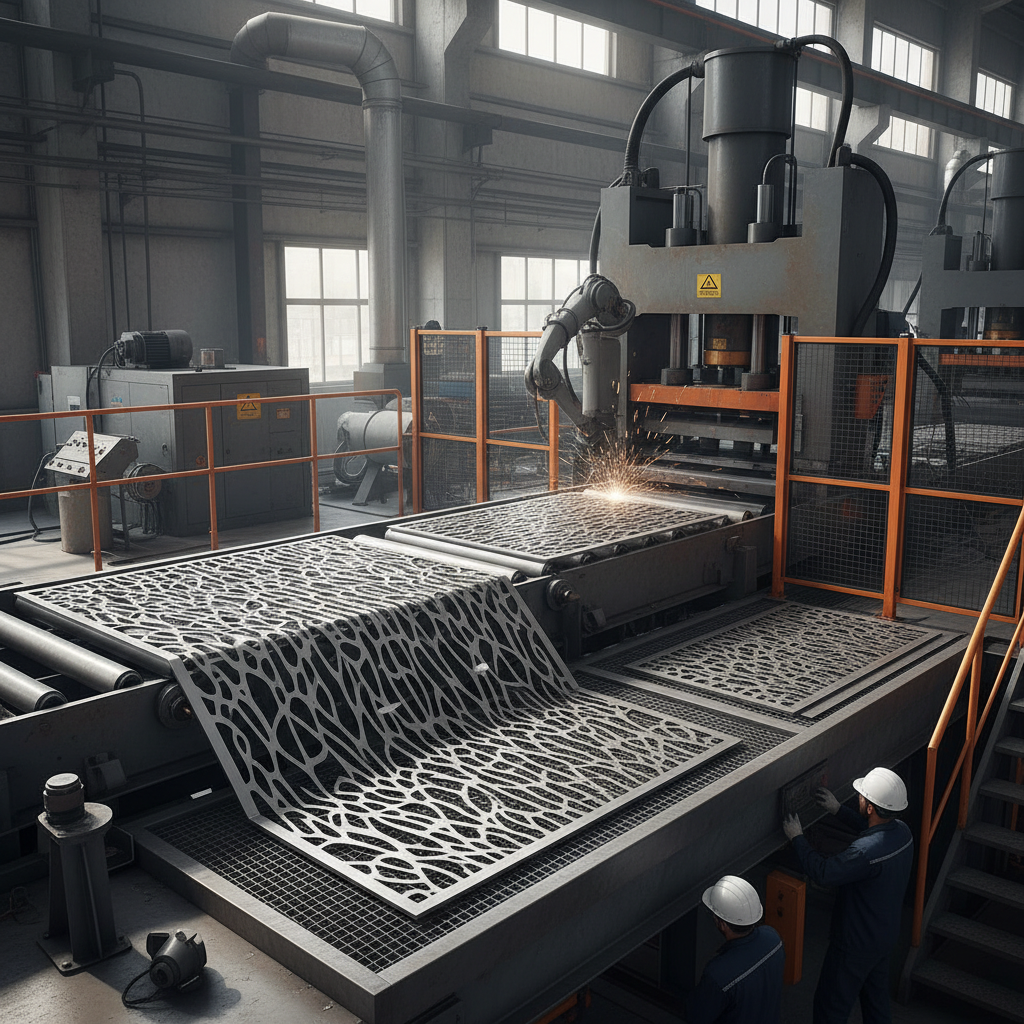
Decorative steel grating isn't simply a functional flooring element; it’s a design feature. Unlike standard industrial grating primarily focused on safety and load-bearing capacity, decorative grating prioritizes aesthetics alongside its practical benefits. It's manufactured using various metals – primarily carbon steel, stainless steel, and aluminum – and features diverse patterns, finishes, and bar sizes to complement architectural styles. The open grid design allows for light penetration, ventilation, and self-cleaning properties. This makes it ideal for applications where both form and function are crucial. At Tikemetal, we specialize in creating custom decorative grating solutions to meet any design requirement.
Key Highlights: Provides a visually appealing and durable surface, offering light transmission and ventilation. Ideal for both interior and exterior applications, adding a modern touch to any space.
Several types of decorative steel grating cater to different aesthetic preferences and functional needs. Common types include:
The choice depends on factors like load requirements, desired aesthetic, and budget constraints.
Type Comparison:
• Welded: Cost-effective, high strength.
• Swage-Locked: Sleek design, good for aesthetics.
• Riveted: Superior slip resistance, durable.
• Press-Locked: Seamless appearance, modern style.
The applications for decorative steel grating are remarkably diverse. Common uses include:
Its durability and low maintenance make it suitable for both indoor and outdoor environments.
The material used for decorative steel grating significantly impacts its performance and longevity. Here’s a comparison:
Several factors must be considered when selecting the right decorative steel grating for your project:
At Tikemetal, our experts can help you navigate these factors and select the optimal solution.
Decorative steel grating provides a compelling blend of functionality, durability, and aesthetic appeal. Whether you're seeking architectural features, safe walkways, or ventilation solutions, Tikemetal offers a wide range of options to meet your specific needs. By carefully considering material selection, application requirements, and design preferences, you can unlock the full potential of this versatile building material.
The lifespan of decorative steel grating largely depends on the material used and the environmental conditions. With proper maintenance, carbon steel grating with protective coatings can last 20-30 years. Stainless steel grating offers an even longer lifespan, often exceeding 50 years, due to its exceptional corrosion resistance. Aluminum grating typically lasts 15-25 years. Regular inspection and cleaning are crucial for maximizing the lifespan of any steel grating, and prompt repair of any damage is recommended.
Absolutely! Customization is a key strength of decorative steel grating. At Tikemetal, we offer a wide range of customization options, including size, shape, pattern, material, and finish. We can create grating to match specific architectural designs or functional requirements. This includes custom bearing bar sizes, spacing, and welding patterns. We work closely with our clients to ensure the final product meets their exact specifications.
Slip resistance depends on the type of grating and the surface treatment. Riveted grating generally provides the best slip resistance due to the raised rivet heads. Welded grating can be enhanced with serrated bearing bars or powder coating to improve traction. Proper maintenance, such as regular cleaning to remove debris, is also essential for maintaining slip resistance. We can advise on the best options for your specific application to ensure a safe and secure surface.
The cost of decorative steel grating varies depending on several factors, including the material, type of grating, size, customization level, and quantity ordered. Stainless steel grating is generally more expensive than carbon steel, while custom designs will also add to the cost. Contacting us at Tikemetal for a quote will provide you with the most accurate pricing based on your specific project needs.
RELATED PRODUCTS





Top