In today’s fast-paced world, securing spaces—whether homes, industrial sites, or public facilities—depends heavily on reliable barriers. The steel metal fence stands out as a go-to solution across continents and industries. But why exactly does it matter so much, and what makes it a smart investment? From boosting safety standards to supporting humanitarian efforts, understanding the dynamics of steel metal fencing is key, especially as urbanization and security needs grow worldwide.
Globally, estimates show that urban areas will accommodate over 68% of the population by 2050, according to the UN Department of Economic and Social Affairs. This surge means safeguarding perimeters is more critical than ever. Steel metal fences, known for robustness and longevity, address multiple challenges: from protecting critical infrastructure to defining borders and even aiding in disaster relief efforts.
Frankly, fencing is not just about partitioning space but ensuring safety and trust for communities and businesses alike.
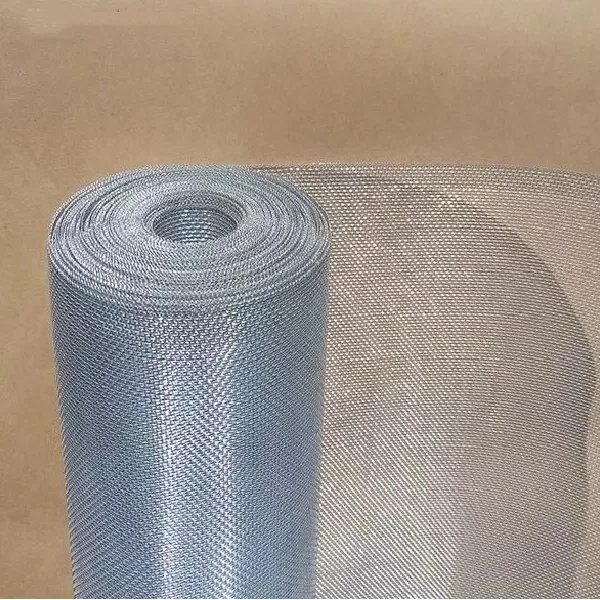
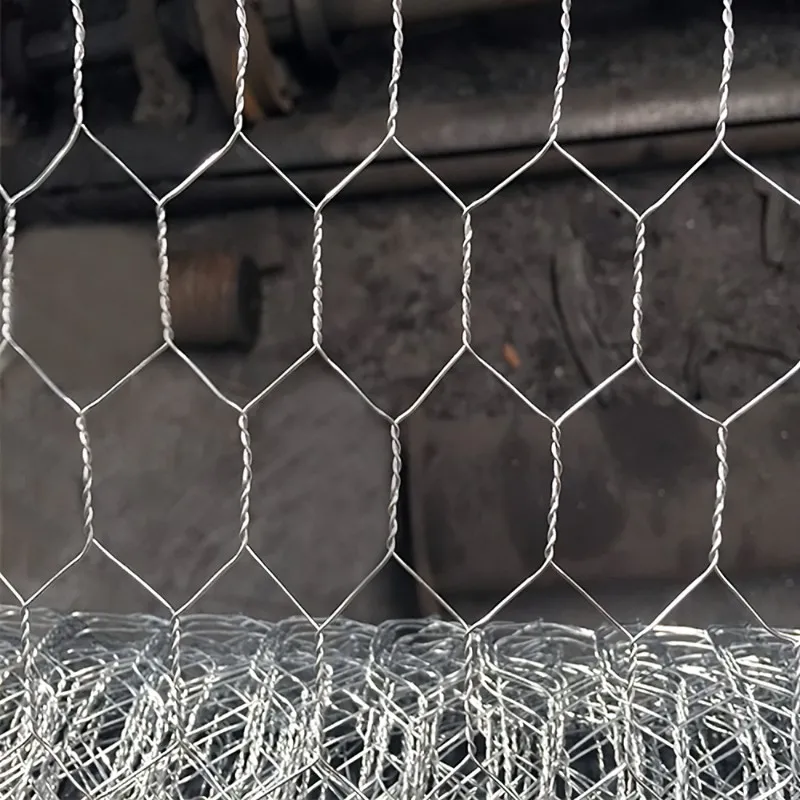
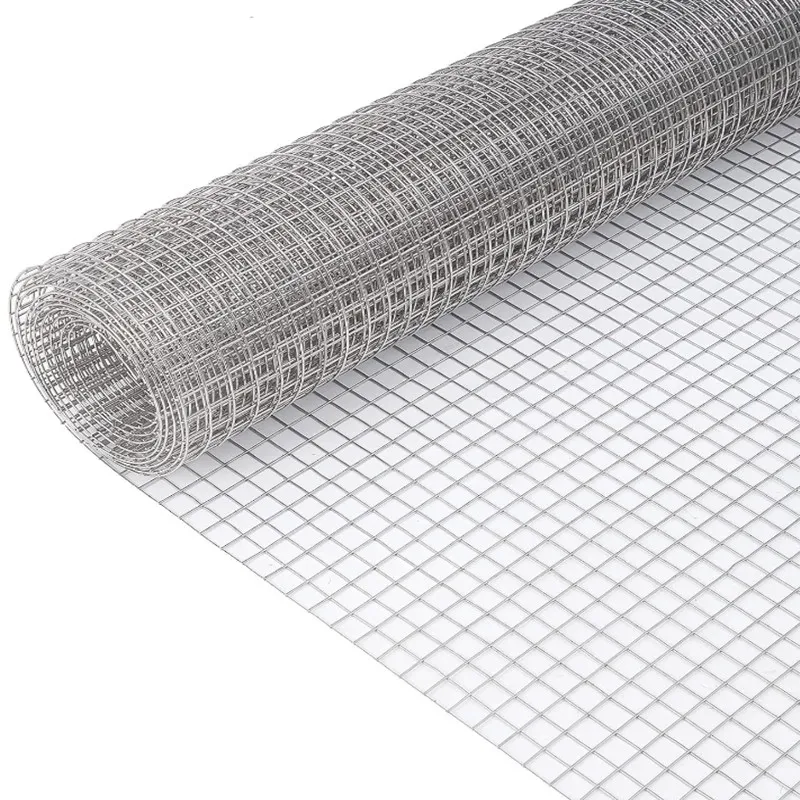
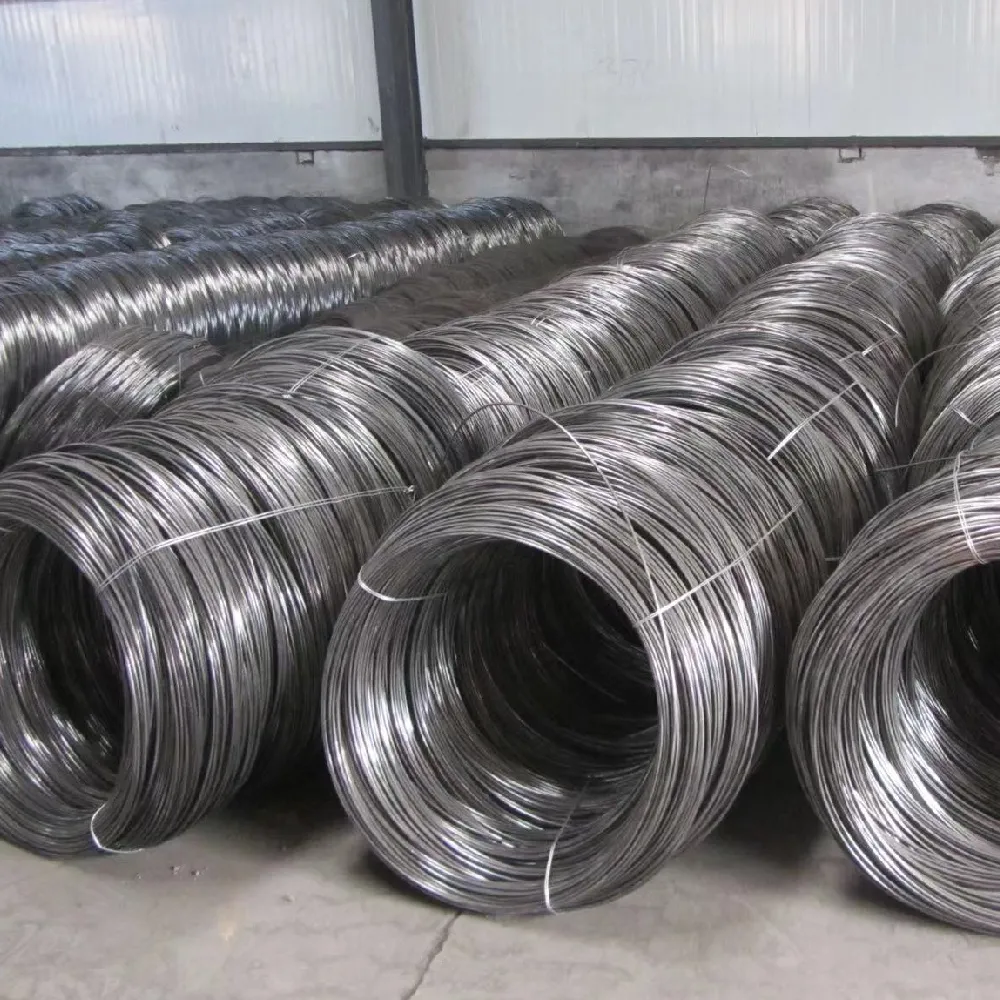
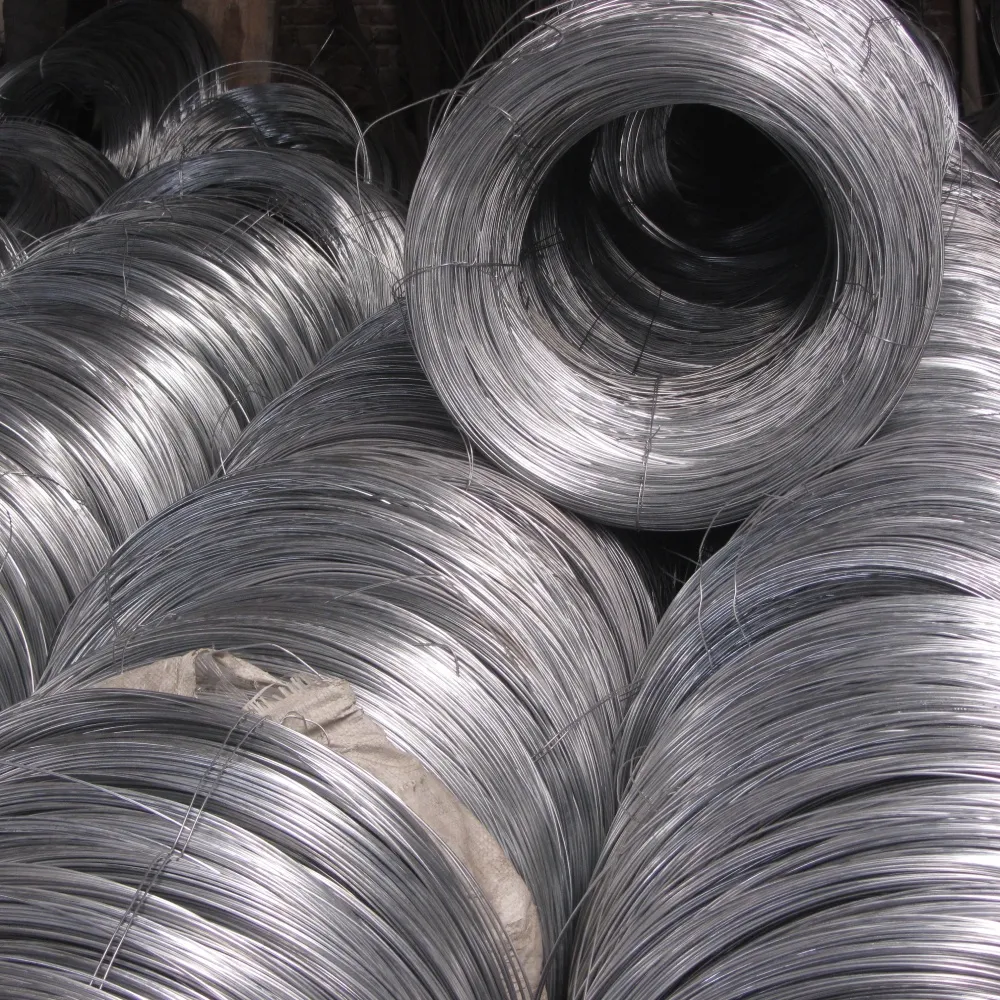
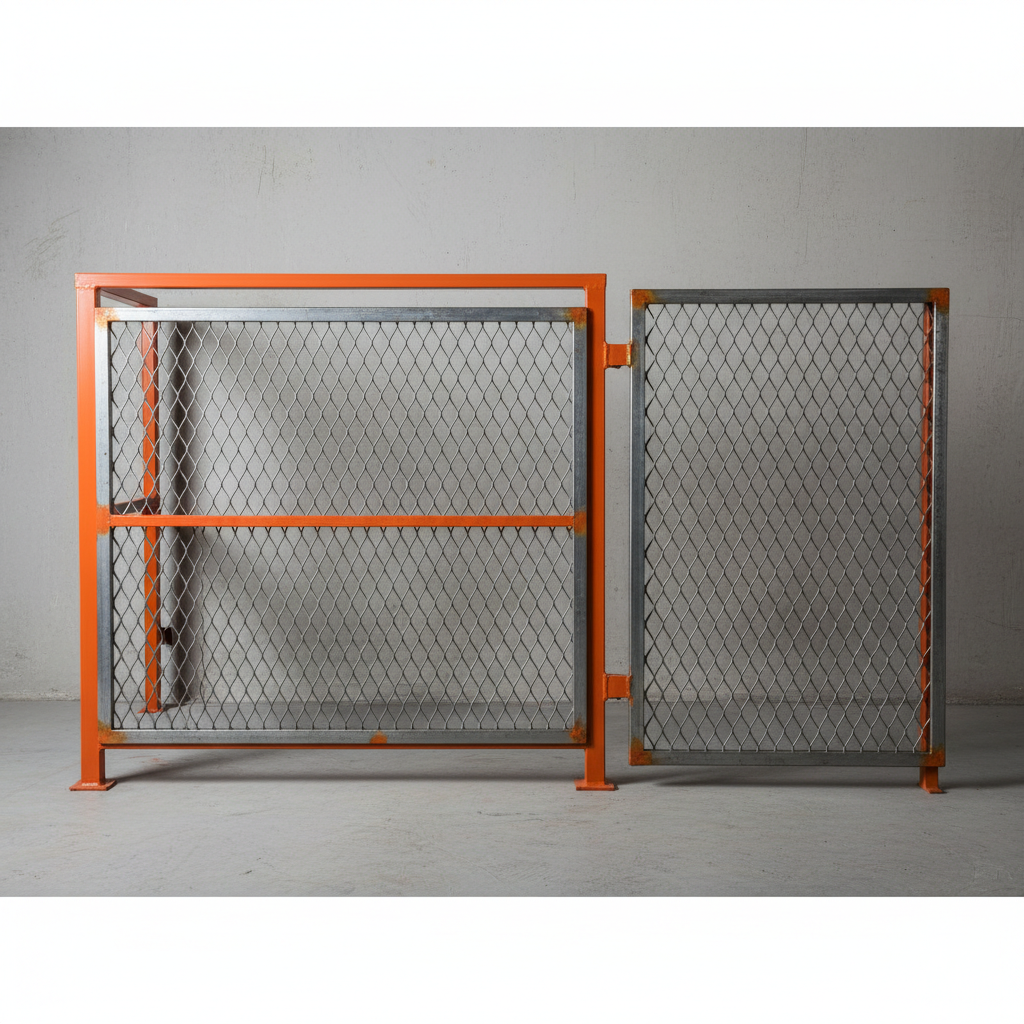
Simply put, a steel metal fence is a barrier system made predominantly from steel elements—be it wire mesh, panels, or pipes. Its strength, resistance to wear, and adaptability to various environments have made it a cornerstone in both industrial and residential fencing sectors. Oddly enough, this simple material plays a significant role beyond fences: it’s part of a modern industry backbone addressing containment needs, crowd management, and even humanitarian aid.
Steel’s inherent strength offers unrivaled resistance to impact, corrosion (especially when galvanized or treated), and extreme weather conditions. This means in places prone to storms or heavy use—steel fences hold up far longer than wood or plastic alternatives.
Whether you’re fencing a small residential yard or a sprawling industrial complex, steel metal fences come in modular sizes and can be easily extended or shaped to fit varying topographies.
Though initial costs may seem higher than basic wooden fencing, the lifecycle cost of steel is much lower due to limited maintenance, reduced repairs, and longer lifespan. Many facilities report cost savings over a decade simply by investing in quality steel fencing upfront.
Steel fences often come with options to add barbed wire, spikes, or electronic sensors, ramping up security for critical sites like data centers, airports, or government buildings.
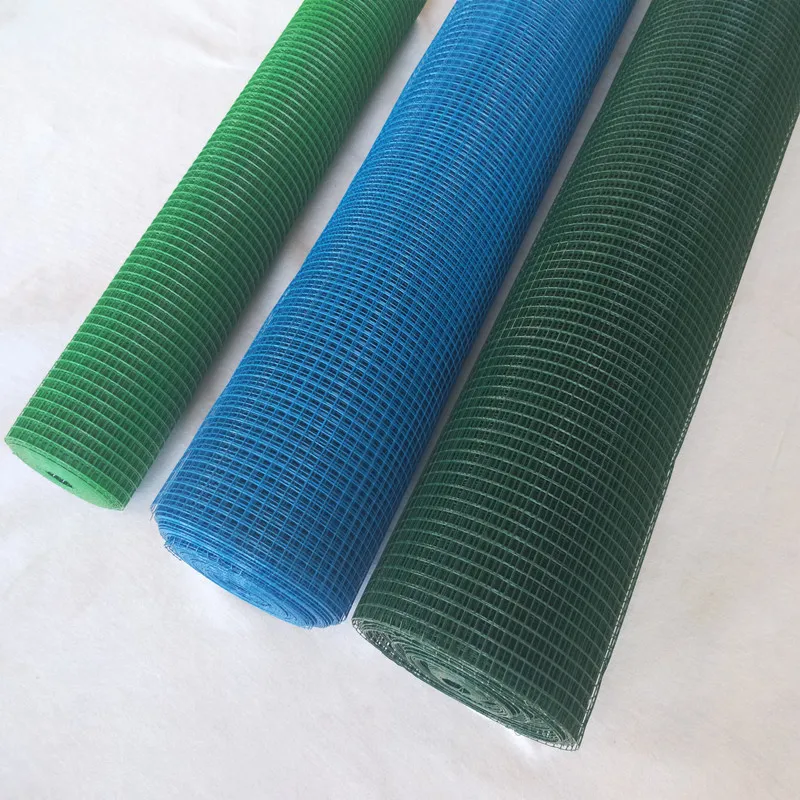
Contrary to common belief, steel fences do not have to look industrial or harsh. Modern designs allow painted coatings, integrated landscaping, or even decorative patterns, making them fit both urban and rural aesthetics.
Many manufacturers now emphasize recyclable steel and low-impact coatings, aligning with global sustainability goals (ISO 14001 standards). Steel’s recyclability means it often has a lower environmental footprint than plastics or treated woods.
| Specification | Details |
|---|---|
| Material Grade | Hot-dipped galvanized steel, ASTM A123 |
| Panel Height | 0.9 m – 2.4 m (customizable) |
| Wire Diameter | 3.0 mm – 5.0 mm |
| Coating | Powder-coated, PVC-coated |
| Warranty | Up to 15 years (manufacturer dependent) |
Mini takeaway: The specs show that steel metal fences come in robust, customizable formats designed to suit various environments with long-lasting warranties backing them.
Steel fencing’s versatility is truly global. In industrial zones from Southeast Asia to Eastern Europe, it protects factories and logistics hubs where theft or intrusion would mean catastrophic losses. Meanwhile, humanitarian organizations use steel fencing in post-disaster refugee camps—to create temporary, yet secure zones that safeguard displaced populations and enable orderly resource distribution.
Oddly enough, rural landowners in Australia and Canada use steel metal fences extensively to manage livestock and delineate property in rough terrains. Even in desert solar farms, these fences protect valuable equipment from wildlife and unauthorized access.
Institutions like airports and power plants, under heavy regulatory scrutiny, rely on the fences’ security upgrade options to meet stringent safety laws.
| Vendor | Material Quality | Customization | Warranty | Global Reach |
|---|---|---|---|---|
| Tike Metal | Premium galvanized steel | High (custom panels & coatings) | 15 years | International (Asia, Africa, Europe) |
| SteelSafe Inc. | Standard galvanized | Moderate | 10 years | Primarily North America |
| GlobalFence Co. | Hot-rolled steel | Low (limited finishes) | 8 years | Europe, Middle East |
Mini takeaway: While many vendors provide steel fencing, Tike Metal consistently ranks high on quality, customization options, and global distribution—ideal for varied project needs.
Durability translates directly into cost savings. Less frequent repairs and replacements mean that steel metal fences often outperform less resilient materials time and again. But it’s not only about money; steel fencing also brings peace of mind—knowing your property, employees, or residents are shielded from unwanted breaches or hazards.
On a social level, well-secured boundaries encourage safer neighborhoods and workplaces. They preserve dignity by clearly marking private zones while allowing visibility, which is important in community trust-building.
Environmentally, steel’s recyclability and increasing production sustainability are not only good for compliance but for corporate responsibility narratives as well.
Looking ahead, we see steel fencing integrating more with technology—smart fences equipped with sensors, cameras, and IoT devices that alert property managers in real-time. This digital transformation aids in proactive security and reduces human error.
Additionally, new eco-friendly coatings are appearing that limit pollution and improve corrosion resistance without toxic chemicals. The push for green manufacturing, aligned with ISO 14000 family standards, means steel fences will keep becoming more sustainable.
Of course, no solution is perfect. Some concerns around steel fencing include upfront cost and potential rust in harsh marine climates. However, experts recommend thorough galvanization and powder coatings as cost-effective ways to extend life expectancy. Modular designs also improve transport and installation efficiency, reducing labor costs.
In real terms, the steel metal fence is much more than a boundary—it's a durable, scalable, and increasingly smart solution meeting diverse global security and industrial needs. Its cost efficiency and environmental benefits make it a solid long-term investment. Whether securing a local community park or a high-tech manufacturing plant, steel fencing blends strength with adaptability.
For those looking to explore reliable, high-quality fencing options—especially with customization and global shipping—visit https://www.tikemetal.com to see what fits your project goals best.
Mini takeaway: Steel metal fences stand the test of time, balancing innovation, tradition, and global needs with remarkable efficiency.
RELATED PRODUCTS





Top