In an ever-changing world where agricultural security and sustainability are paramount, the steel farm fence emerges as a crucial component. It’s not merely a piece of hardware; it’s a barrier that protects livelihoods, improves farm management, and even supports environmental goals. Globally, steel fences are more than just perimeter markers—they represent resilience against natural threats, pests, and trespassing, contributing directly to food security for millions. Understanding the ins and outs of steel farm fences offers farmers, agribusinesses, and policymakers insights into how infrastructure plays a pivotal role in modern agriculture.
The agricultural sector is a backbone of the global economy, employing over a billion people worldwide according to the Food and Agriculture Organization (FAO). With rising demand for food and expanding farm sizes, farms need robust, scalable fencing solutions. Here, steel farm fencing is a game-changer due to its durability and adaptability. For example, in semi-arid regions such as Sub-Saharan Africa, steel fences discourage livestock from straying into fragile ecosystems, thereby helping mitigate overgrazing—a key environmental challenge. It’s also gaining traction in North America and Europe, where farms shift towards sustainable, low-maintenance solutions.
Yet a major challenge remains: balancing cost with quality. Effective fencing must last decades, resist weather extremes, and deter theft—all without breaking the bank. Steel farm fences meet these demands head-on, backed by ISO standards on metal durability and corrosion resistance.
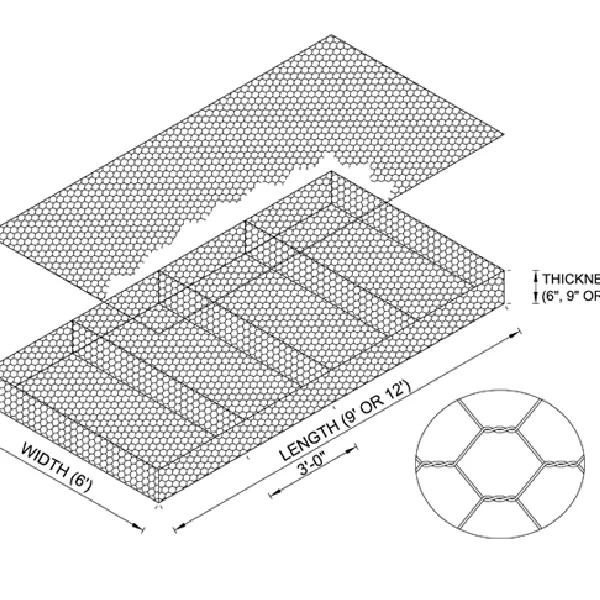
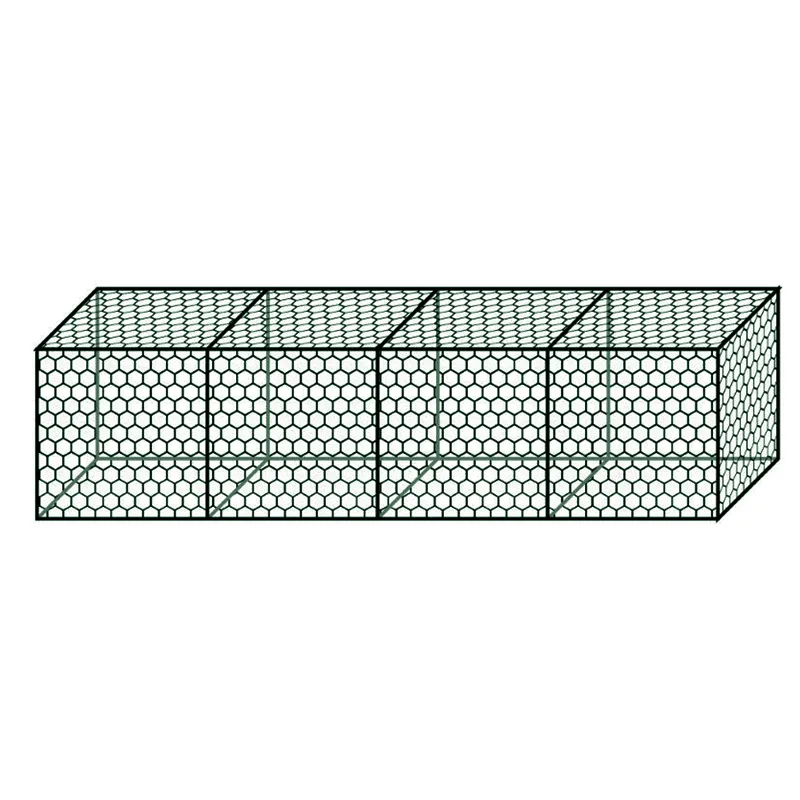
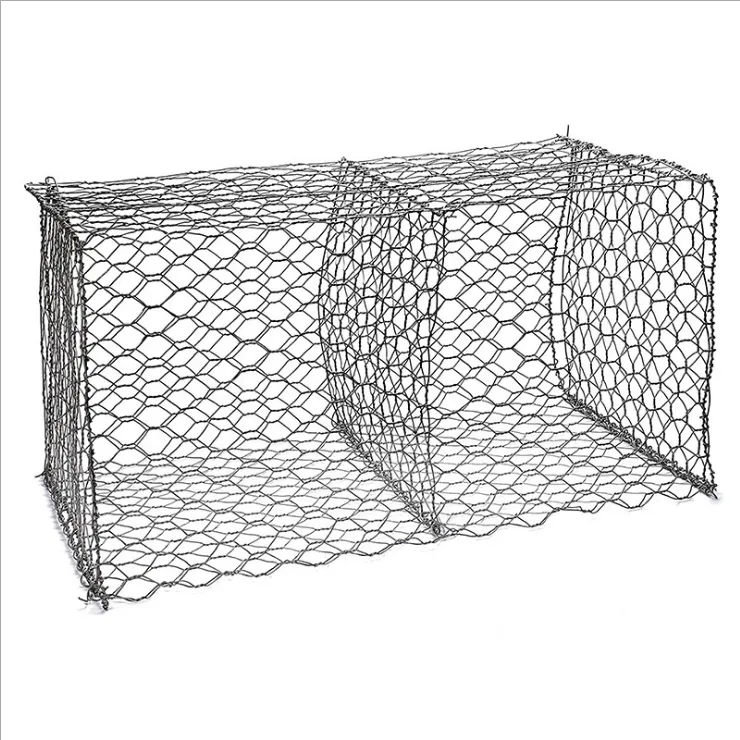
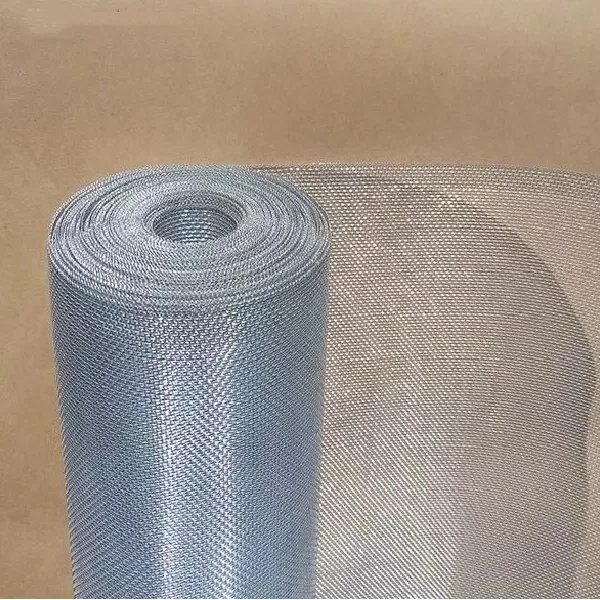
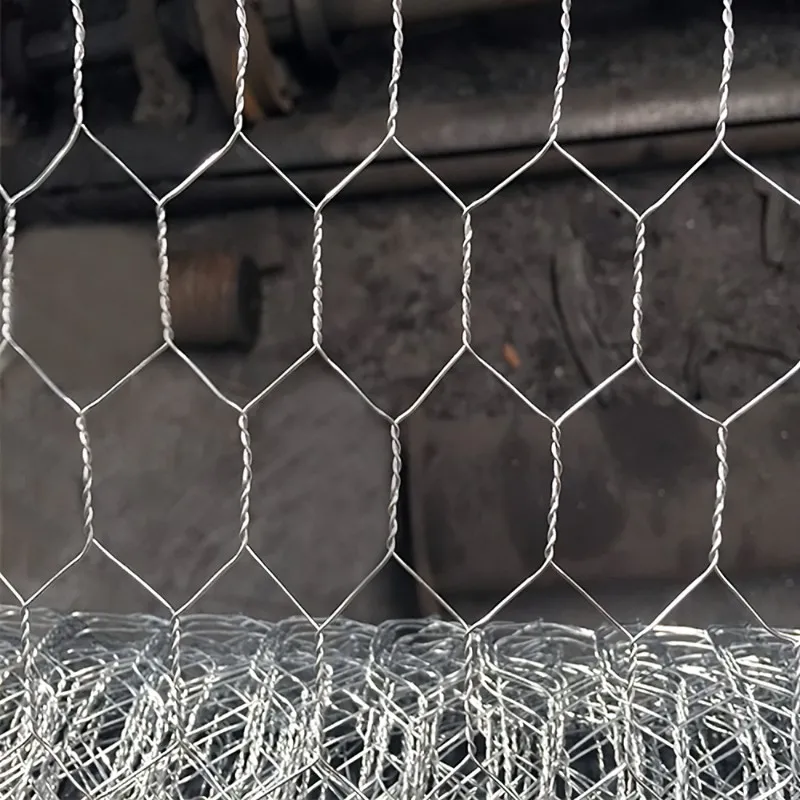
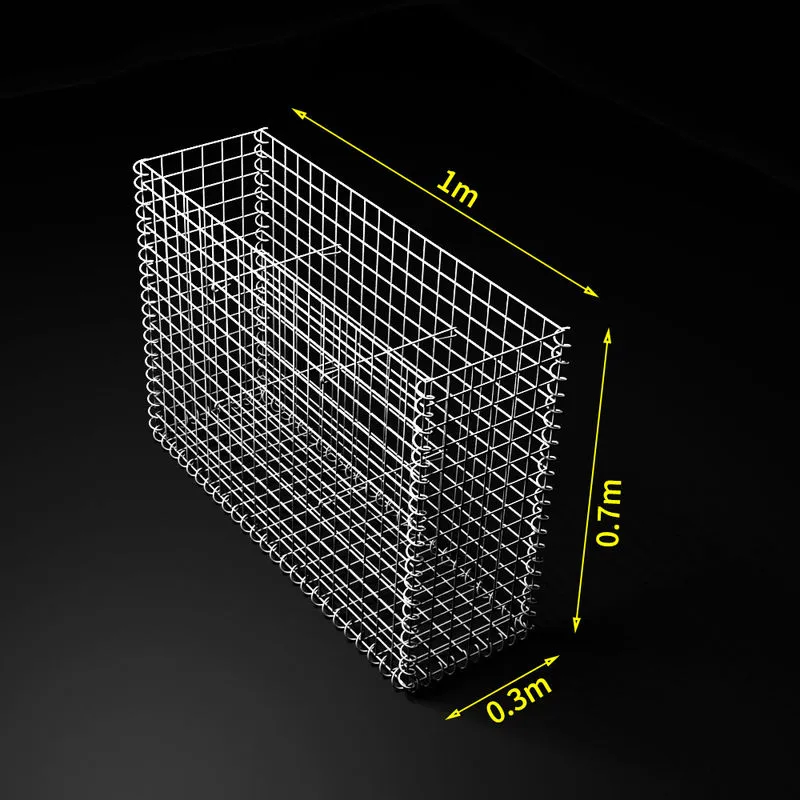
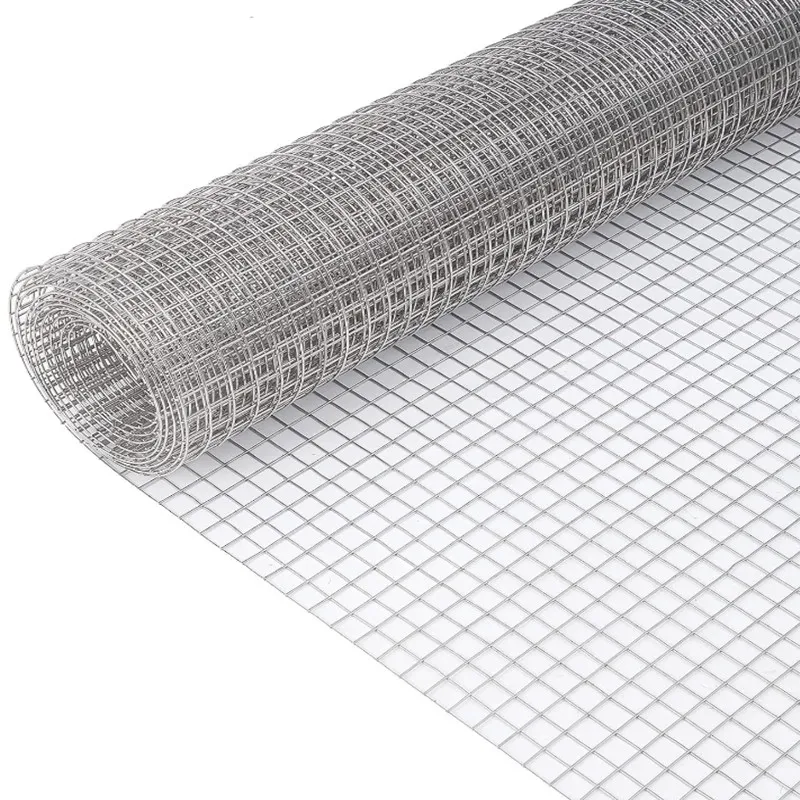
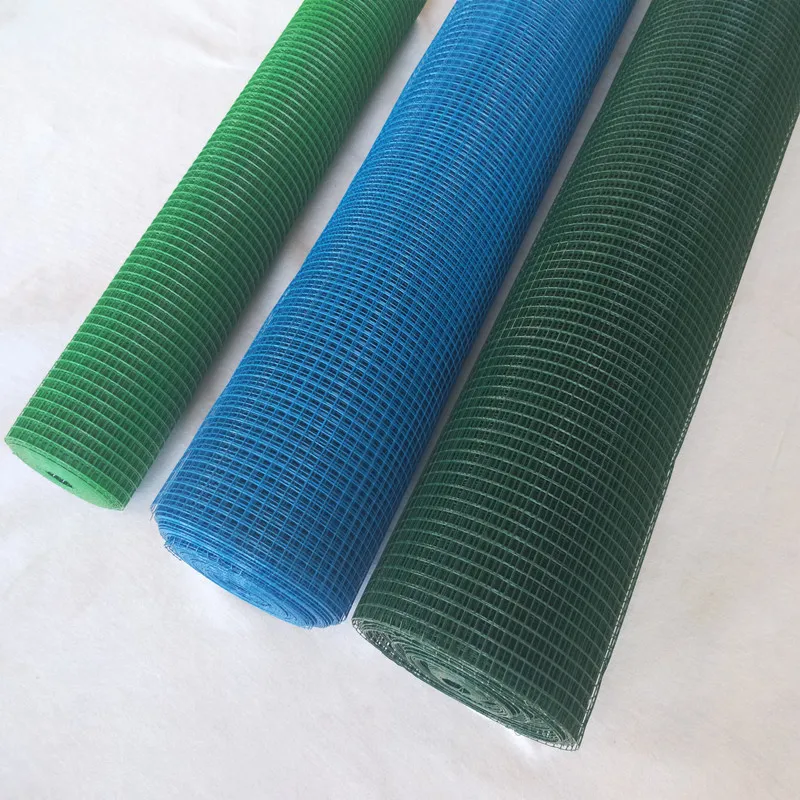
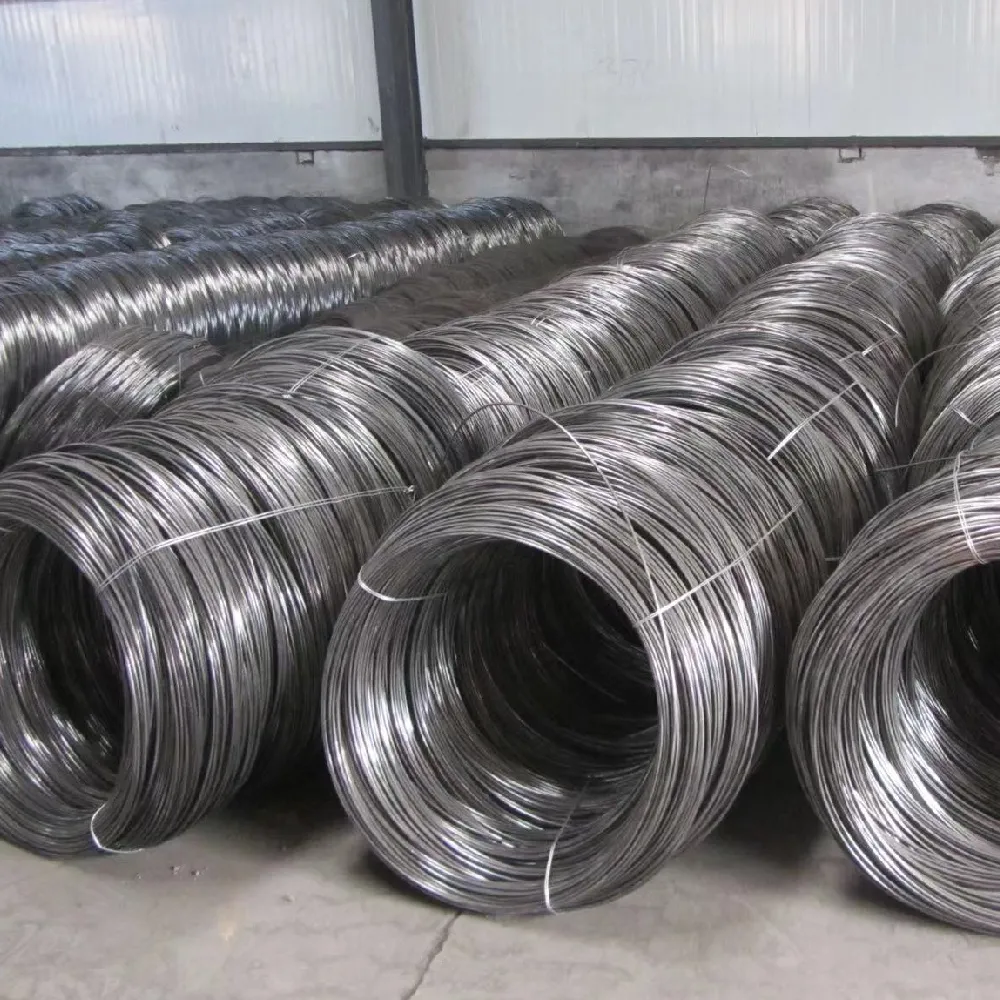
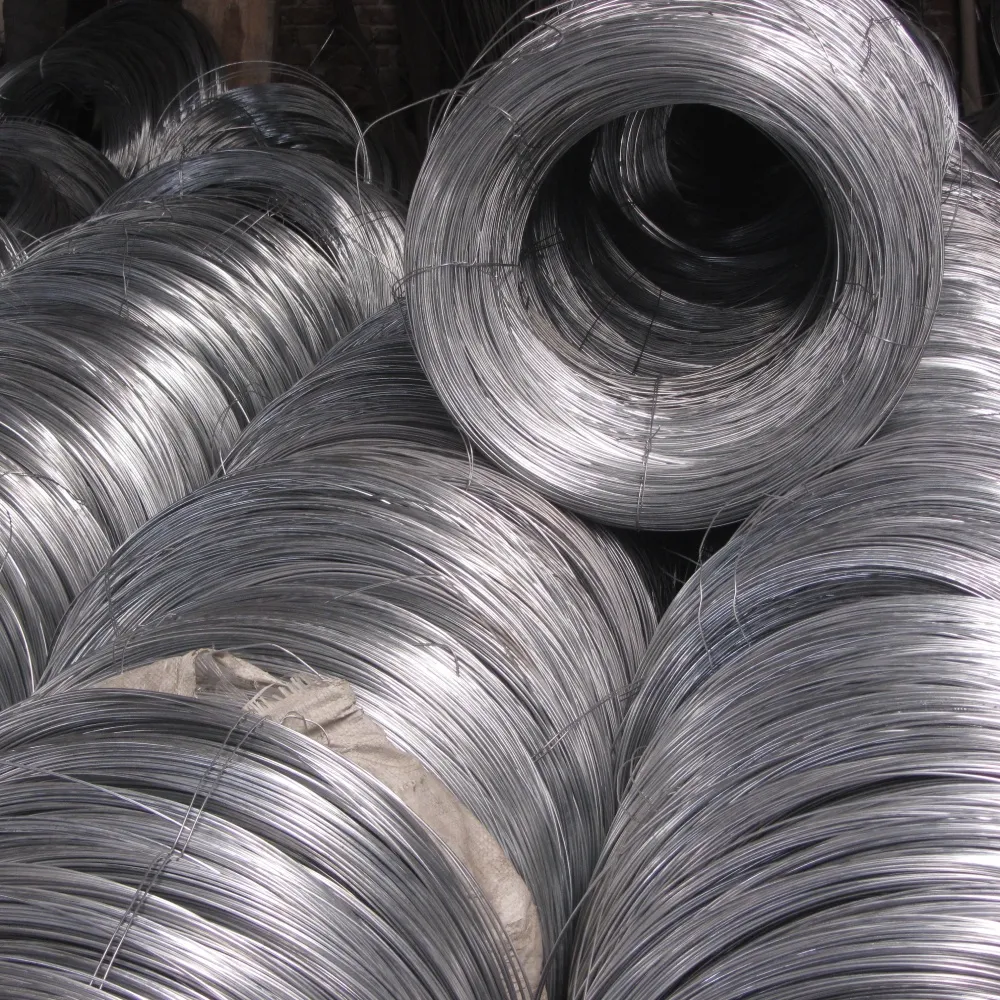
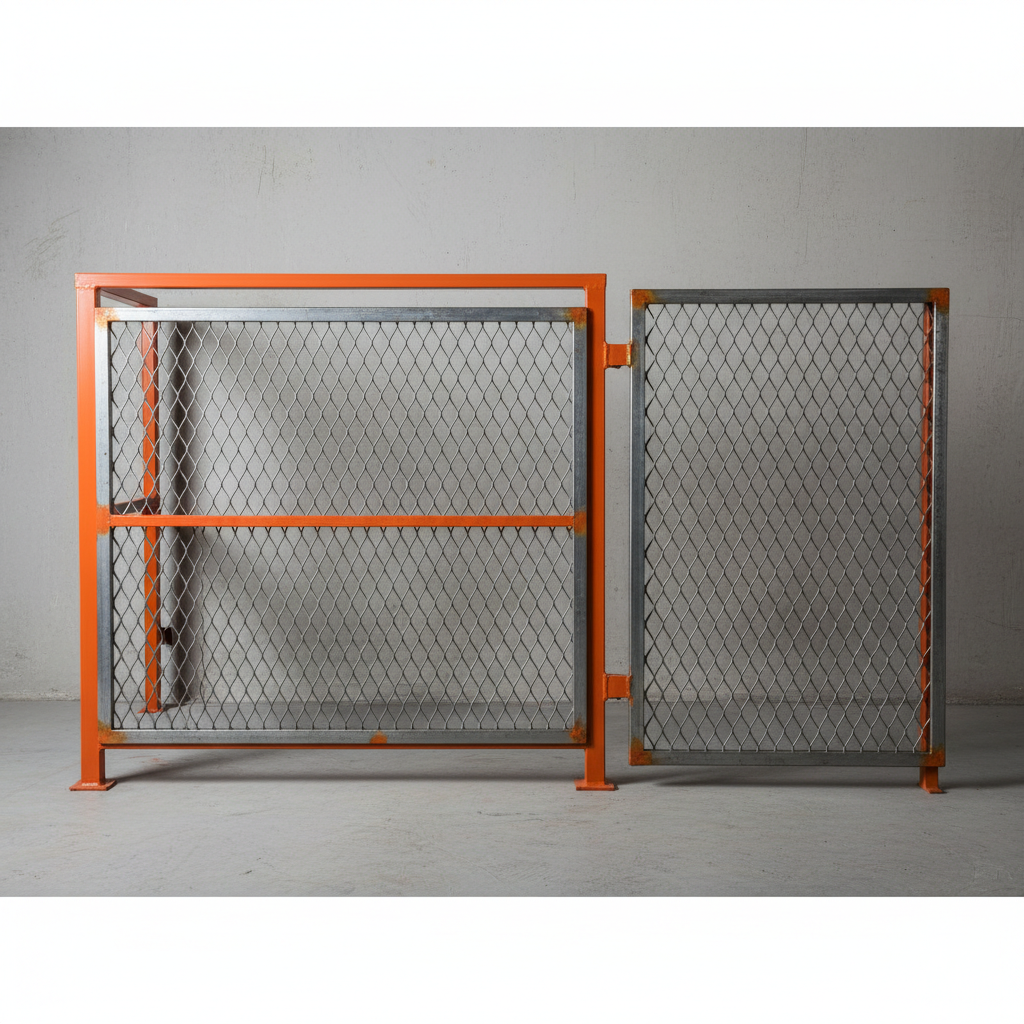
Simply put, a steel farm fence is a barrier made predominantly from steel components such as wire mesh, posts, rails, or panels, designed to enclose farmland or livestock areas. Unlike traditional wooden fences, steel fences offer unmatched structural integrity while requiring less upkeep. They’re often hot-dip galvanized or powder-coated to prevent rust and extend their lifespan—making them a reliable choice for farmers who need security today and ten years from now. Essentially, it’s a fusion of industrial-grade material within agricultural settings, reflecting how modern farming utilizes technology to safeguard production.
Steel fences withstand moisture, wind, UV rays, and even impact—much better than wood or plastic alternatives. Galvanized coatings prevent rusting, which can otherwise lead to structural failures in fence lines over time.
Though initially pricier than some options, steel farm fences pay off by reducing repair and replacement costs. They require less frequent painting or treatment, lowering maintenance budgets and downtime.
Farms vary in size and purpose; steel fencing systems can be easily expanded or modified. You can add gates, electrification, or mesh panels depending on your exact needs.
Steel is highly recyclable. Many manufacturers incorporate recycled steel stocks, contributing to reduced carbon footprints. Compared to timber fencing, steel helps reduce deforestation and soil disruption.
Steel fences provide reliable containment for livestock and deter intruders, reducing theft or crop damage. Properly designed fences can enhance animal welfare by keeping predators out and livestock securely inside.
| Feature | Specification | Notes |
|---|---|---|
| Material | Hot-dip galvanized steel | Corrosion-resistant coating |
| Fence Height | 1.2m to 2.0m | Customizable per livestock |
| Wire Gauge | 12 to 14 gauge | Stronger gauge for predator control |
| Panel Type | Welded mesh or chain link | Welded mesh preferred for livestock safety |
| Post Spacing | 2.5m to 3m | Depends on terrain and fence height |
Mini takeaway: Steel farm fences combine robust materials and smart design to meet diverse agricultural needs with sustainability at heart.
Steel farm fencing isn’t just a local solution—it’s a global one. Farmers in Australia use steel to safeguard vast cattle stations from wild predators and intruders. In Europe, vineyards employ steel mesh fencing to protect delicate crops from deer and rodents, ensuring quality harvests. Meanwhile, NGOs assisting refugee farming projects in the Middle East rely on steel fences to establish secure, maintainable plots amidst challenging conditions.
In post-disaster zones, say after floods or hurricanes, steel fencing can be rapidly deployed to protect reclaimed farmland or temporary livestock quarters—its modular nature very handy for quick setup versus traditional timber fencing. Industrial agricultural zones in North America increasingly use electrified steel fences connected with solar power to minimize wildlife damage sustainably.
| Provider | Material Quality | Customization Options | Warranty | Price Range |
|---|---|---|---|---|
| Tike Metal | Premium galvanized steel | Full custom sizing & coatings | 15 years | Mid to high |
| FarmGuard Fencing | Standard galvanized | Limited panel sizes | 10 years | Low to mid |
| SteelPro | Galvanized & powder coat option | Moderate customization | 12 years | Mid |
Mini takeaway: Choosing the right vendor affects your fence’s lifespan and maintenance costs—consider quality and warranty carefully.
When you invest in steel farm fencing, you’re buying peace of mind. The upfront cost may be higher than alternatives, but consider the long-term savings: minimal upkeep, reduced livestock losses, and increased property value. Sustainability is another vital piece. Steel fences help conserve forests by reducing timber dependency, and many are made partly with recycled steel, supporting circular economy principles.
On an emotional level, a sturdy fence means security for farmers—protection from trespassers, wildlife, and unpredictable weather. For livestock, it provides a safer environment, reducing stress and injury risks, which ultimately supports better yields and animal health.
Looking ahead, smart fence technology is entering the agricultural scene. Automation combined with sensors can alert farmers about breaches or tampering instantly, often via mobile devices. Additionally, integration with solar panels for power means electric fences become more eco-friendly and independent from grid electricity—a huge plus in remote areas.
Material innovations continue too. New anti-corrosion coatings and hybrid composites are making fences lighter yet even more advanced in lasting decades under harsh outdoor conditions. Plus, customization via digital design tools helps farmers tailor fences precisely to their landscapes and livestock.
Steel farm fences aren’t without challenges. Initial costs can deter small-scale farmers, and installation requires some technical skill. Terrain irregularities might complicate uniform post placement.
However, solutions are evolving: modular fencing kits that simplify setup, leasing options to reduce capital constraints, and improved installation training help farmers adopt steel fencing more easily. Plus, advances in flexible steel wire mesh improve adaptability on tricky geography.
To sum it up, adopting a steel farm fence is an investment not only in protection but in the future of sustainable agriculture. It addresses critical challenges—security, durability, environmental responsibility—while adapting to farms around the world. If you’re considering upgrading your farm’s fencing, why not explore quality options from trusted vendors? Visit our website at https://www.tikemetal.com to learn more about steel fence products and tailored solutions fit for your farm’s unique needs.
It’s a simple thing—a fence—but sometimes the simplest solutions are the most profound.
RELATED PRODUCTS





Top