Mesh steel fences—on the surface, they might just seem like simple barriers. Yet, these versatile structures play a surprisingly critical role in industries worldwide, from securing infrastructure to supporting humanitarian projects. Why does this matter? Well, fences like these help safeguard communities, support logistics chains, and even enable safer environments for vulnerable groups. If you step back, it’s clear that grasping the significance of mesh steel fence technology and deployment can unlock better global safety, efficiency, and resilience.
Consider this: according to United Nations reports, rapid urbanization and industrial expansion have surged the need for durable security solutions. Mesh steel fences stand out by meeting this demand efficiently. Yet, challenges like corrosion, cost management, and installation complexity persist. Around the world, from sprawling industrial hubs in Asia to humanitarian relief zones in Africa, the right fencing can mean the difference between order and chaos.
In fact, the ISO standards for steel fencing underline the importance of precision, material quality, and durability to meet such widespread needs.
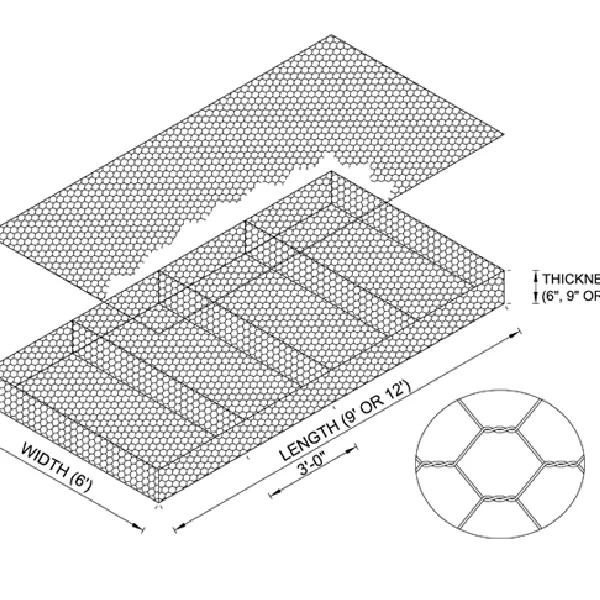
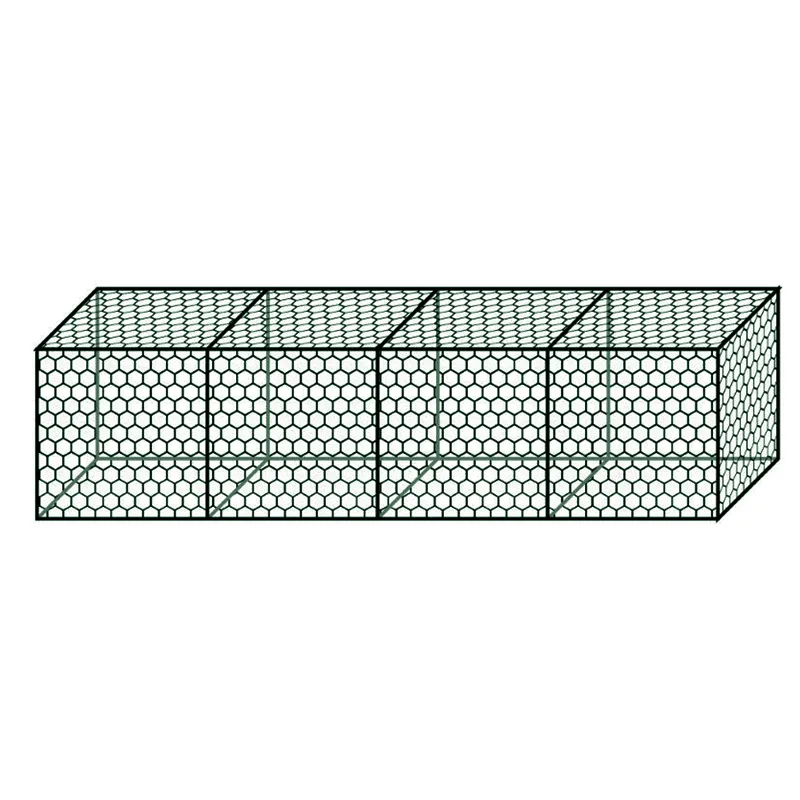
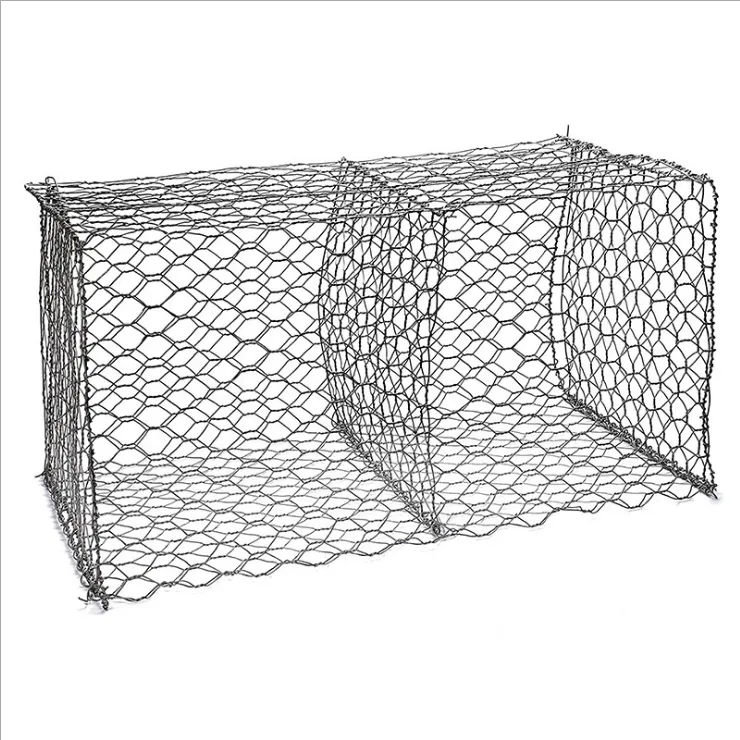
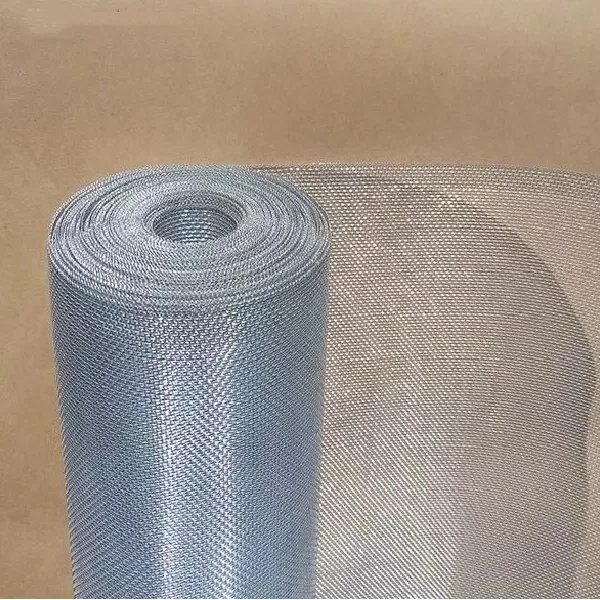
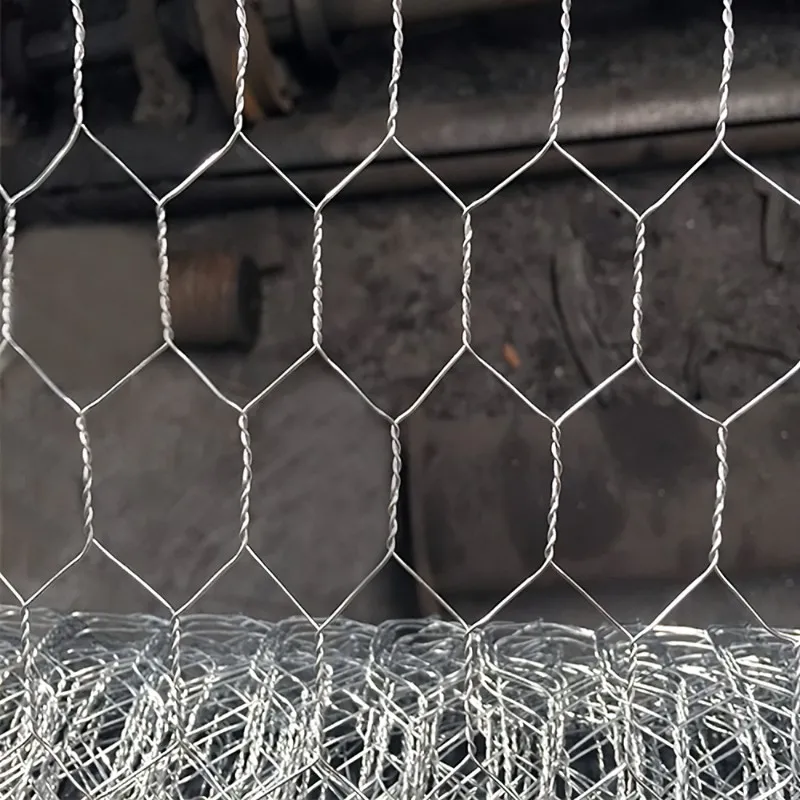
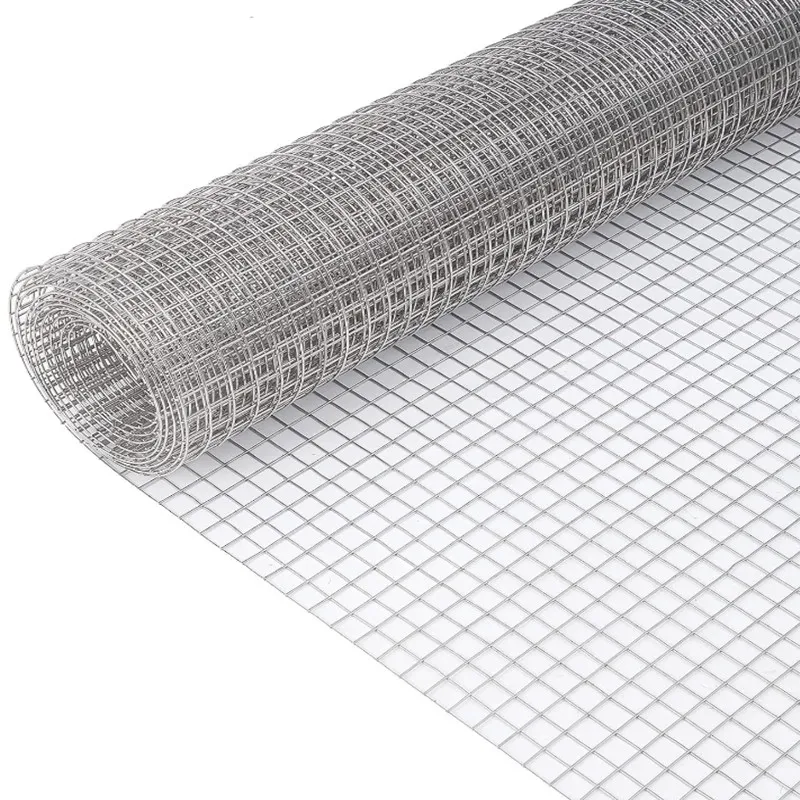
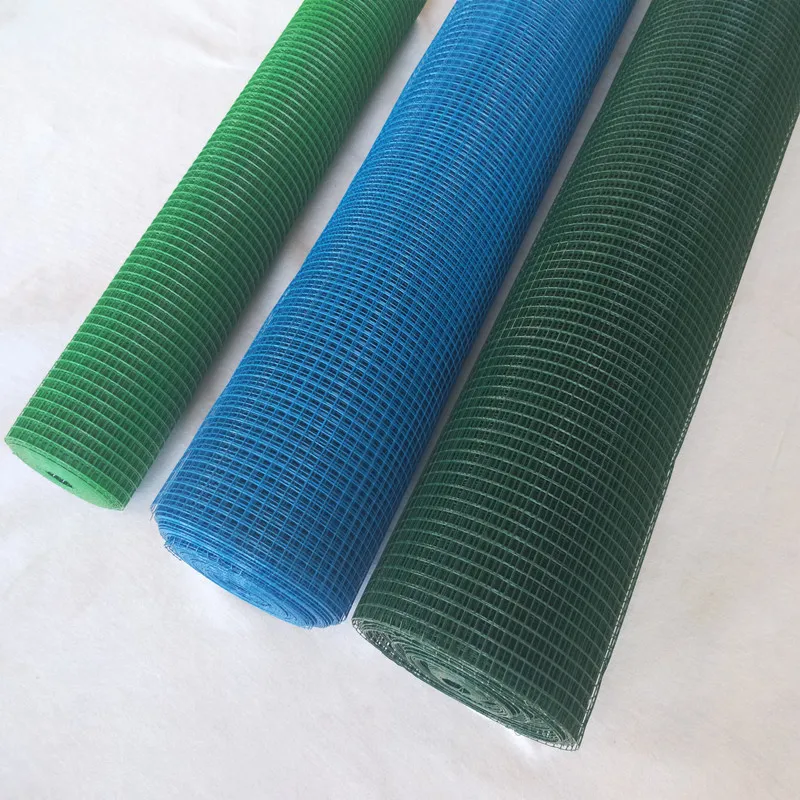
At its core, a mesh steel fence is a protective barrier made by weaving or welding steel wire into a grid-like mesh. This mesh is then framed or mounted on posts to create a barrier that’s both strong and transparent. Unlike solid walls, the mesh design allows visibility and airflow, which can be vital for surveillance or environmental reasons.
Industrially, these fences are essential for securing factories, warehouses, and construction sites. From a humanitarian angle, they’re often deployed in refugee camps or disaster relief areas to establish controlled zones that protect vulnerable populations while maintaining dignity.
Mini takeaway: Mesh steel fences aren’t just physical barriers; they’re engineered solutions balancing strength, adaptability, and cost.
| Specification | Details |
|---|---|
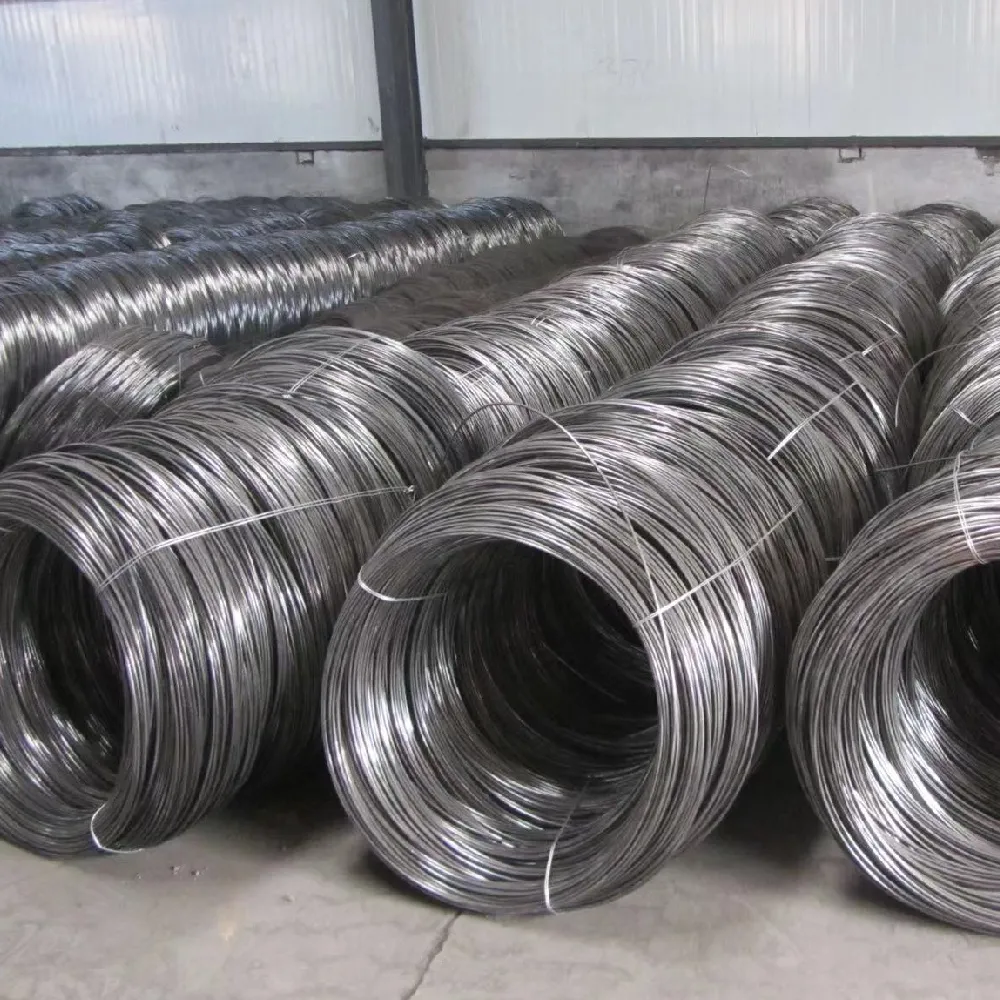
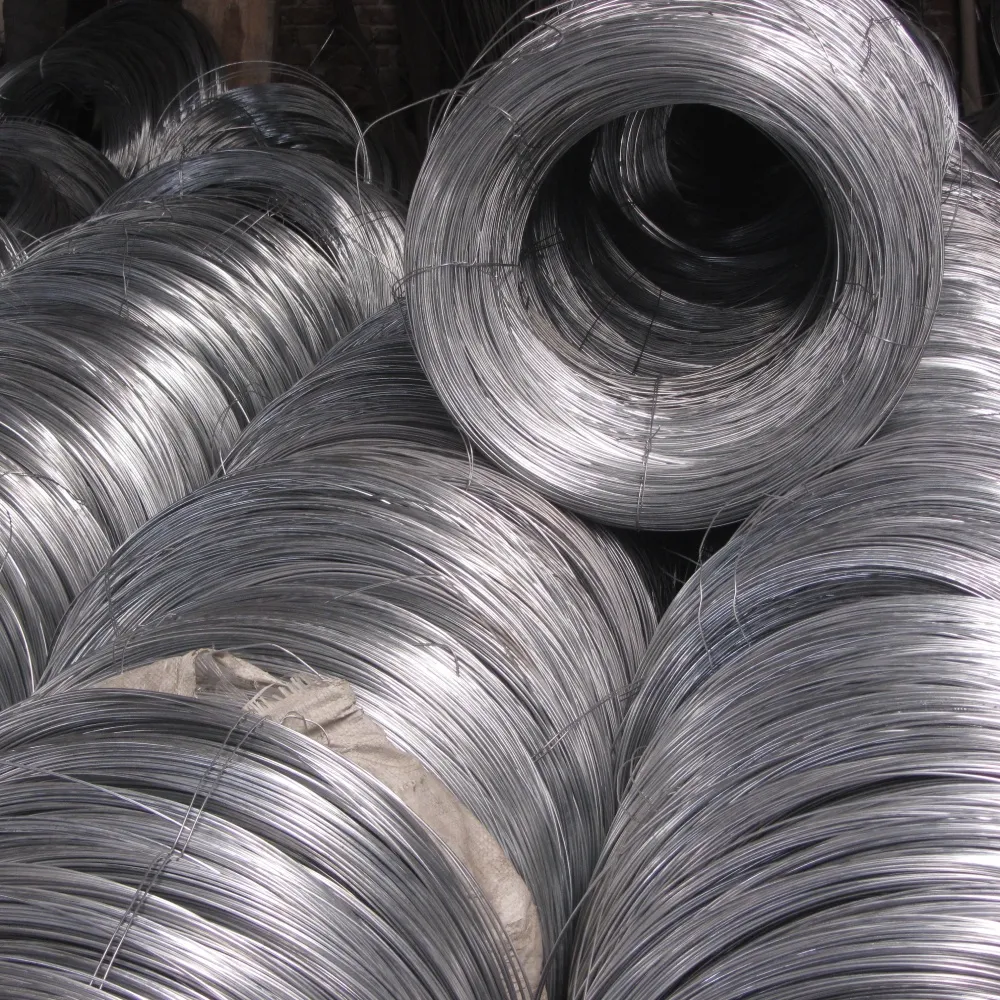
| Material | Galvanized Steel Wire (4.0 mm diameter) |
| Mesh Opening | 50 mm x 50 mm |
| Panel Size | 2 m (W) x 2.4 m (H) |
| Coating | Zinc and PVC Powder Coating |
| Installation | Prefabricated With Clip and Post System |
| Expected Lifespan | 10 to 20 Years (Depending on Environment) |
Mesh steel fences feature prominently across various sectors. For example:
Mini takeaway: Where security meets flexibility, mesh steel fences tend to be the preferred choice globally.
| Feature | Vendor A | Vendor B | Vendor C |
|---|---|---|---|
| Material Quality | Galvanized + PVC Coating | Stainless Steel 304 | Galvanized Steel (Extra Zinc Layer) |
| Customization | High (Multiple Sizes Available) | Medium (Standard Panels Only) | High (Custom Mesh Patterns) |
| Lead Time | 2-3 Weeks | 4-6 Weeks | 3-4 Weeks |
| Typical Cost (per m²) | $35 - $45 | $50 - $65 | $40 - $50 |
There’s just something reassuring about a mesh steel fence that’s been properly installed. It feels reliable. You get transparency plus strength, which is a rare combo in security. On the financial front, initial investment tends to be reasonable, with low ongoing upkeep, saving organizations money over time.
Beyond dollars, the value extends socially. Providing secure yet humane environments shows respect for people’s safety and dignity — essential in humanitarian operations. It’s a solution that’s cost-effective and compassionate, which frankly, isn’t always easy to find.
Technology doesn’t pause at steel fences. We’re seeing advances in:
Such innovations hint at a future where the mesh steel fence is both smarter and kinder to the planet.
Like every system, mesh steel fences face issues: corrosion in salty or acidic environments, theft or vandalism of panels, and sometimes complex terrain for installation. Expert advice usually points to selecting the right material coating, establishing maintenance routines, and using modular, easy-to-replace panels to mitigate these concerns.
Also, working with trusted suppliers and choosing standards-compliant products ensures fences won’t fail unexpectedly, safeguarding your investment.
Whether you’re safeguarding an industrial complex, supporting humanitarian programs, or managing developed urban spaces, mesh steel fences combine flexibility, durability, and cost-effectiveness in a package that simply works. If this piques your interest, or you’re considering a fencing solution for your project, don’t hesitate to visit mesh steel fence experts who understand the nuances and deliver tailored results.
In real terms, investing in the right mesh steel fence is investing in safety, trust, and long-term peace of mind.
One takeaway? These fences aren't just barriers — they're enablers of progress, protection, and dignity worldwide.
References:
1. ISO 10223: Steel Mesh Fencing Standards
2. United Nations Habitat Report, 2022
3. World Steel Association, “Sustainability in Steel Production,” 2023
RELATED PRODUCTS





Top