At first glance, a chain link fence might just seem like a humble, utilitarian enclosure—something you spot around a playground or a construction site. But this surprisingly simple product plays an outsized role globally, extending beyond just keeping areas secure. From humanitarian aid zones to sprawling industrial complexes, these fences blend cost-effectiveness, durability, and modularity in ways few other materials can match.
Knowing why and how they're used can open doors to smarter design choices, better security solutions, and even more resilient infrastructure. So, let’s talk about what makes a chain link fence a quiet backbone in many industries and communities worldwide.
Globally, the need for efficient, quick-to-install, and durable fencing solutions is immense. According to World Bank data, thousands of new industrial parks, logistics hubs, and housing developments arise every year, many in developing countries facing security and infrastructure challenges. A chain link fence addresses these needs perfectly, offering a secure perimeter without the hefty price tag of concrete walls or wrought iron gates.
Plus, the United Nations reports that in disaster-prone regions or refugee camps, temporary fencing is often essential to protect residents and resources while remaining movable and reusable. This isn’t just a niche; it’s a worldwide demand, and these fences answer it with a curious blend of simplicity and effectiveness.
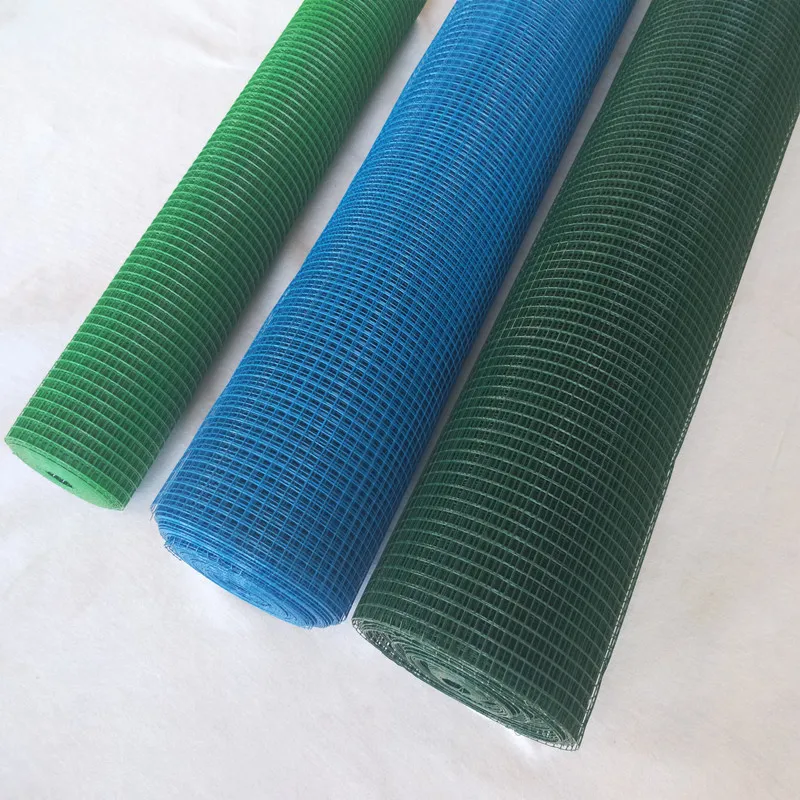
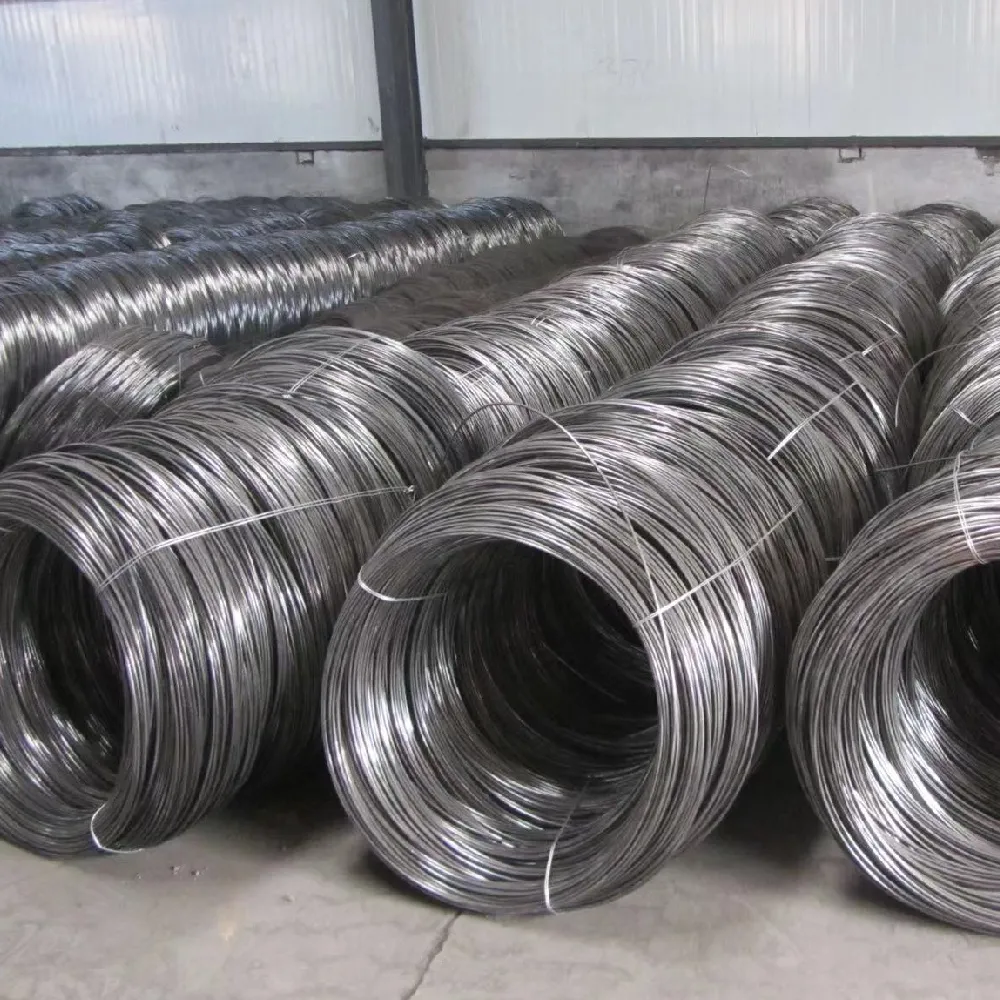
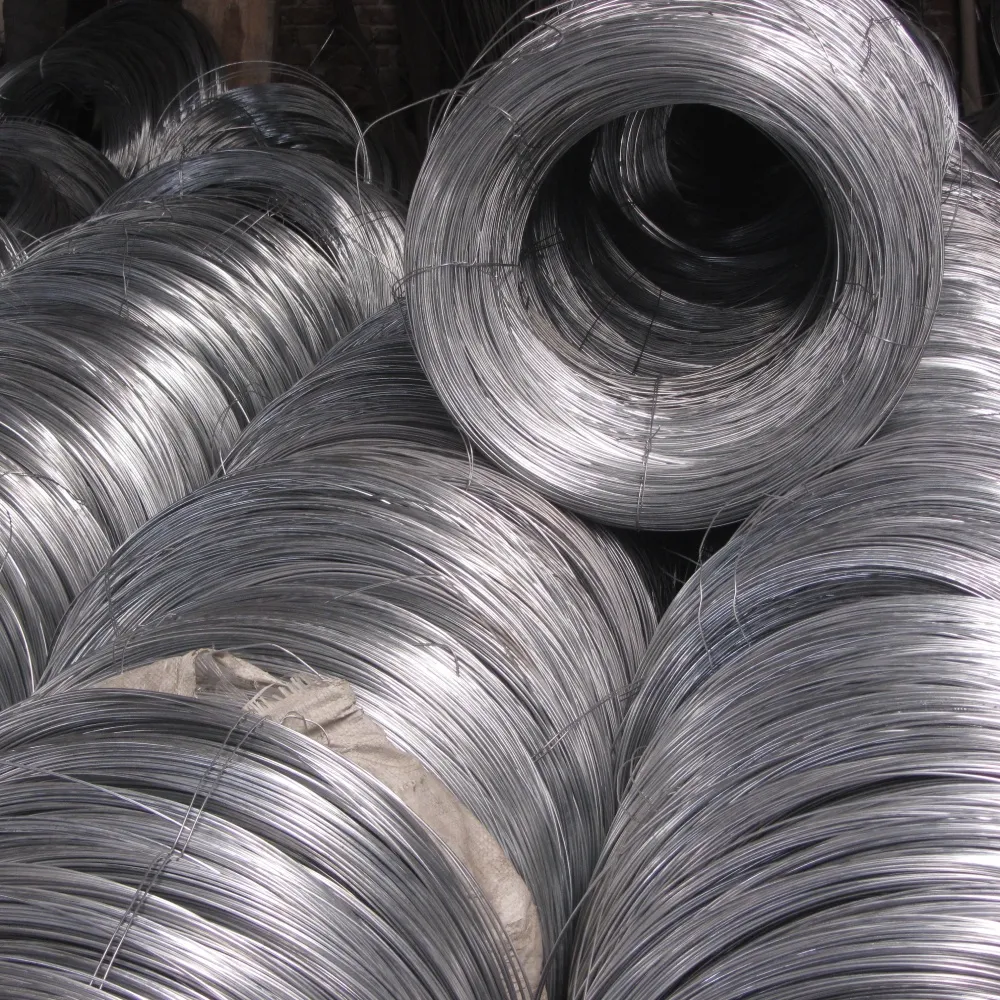
At its core, a chain link fence is made from galvanized or PVC-coated steel wire woven into a diamond pattern, forming flexible mesh sheets. These sheets attach to posts embedded in the ground, creating a barrier designed to keep people or animals in or out.
But beyond the physical description, this fencing type actually connects deeply to modern needs. Think about how industries require scalable boundaries that can be adapted quickly and affordably, or how humanitarian agencies need fencing that respects the dignity of vulnerable populations while providing security. It feels odd to say, but it’s less about "just fences" and more about creating safe and trustworthy environments.
One of the big selling points of a chain link fence is how well it stands up to the elements. Galvanized steel resists rust, and the plastic coatings add extra protection. In climates ranging from humid subtropics to arid deserts, these fences hold their shape and function, saving costly replacements.
The mesh pattern’s flexibility is a practical boon. Need a fence around an oddly shaped lot? No problem. Need to add or remove sections? Easy. This adaptability also means rapid deployment, which is crucial in emergency settings or fast-moving construction projects.
When budgets are tight, which is often the case in infrastructure and aid projects, a chain link fence delivers security at a fraction of the price of other fencing methods. Not just upfront costs, but minimal maintenance means long-term savings too.
Unlike solid fences, the see-through mesh allows natural light and visibility, reducing the sense of confinement, which is important in residential and public spaces. For security teams, sightlines mean fewer blind spots—a small detail with a big impact.
Many installers appreciate that chain link fences don’t require heavy machinery or specialized skills. Post holes, tension wires, and panels—put them together, and you’re done. This lowers labor costs and speeds projects.
The beauty of a chain link fence is its chameleon-like ability to fit all kinds of settings:
For example, in Southeast Asia, post-tsunami camps used chain link fencing to safeguard temporary school areas while maintaining openness for community trust. In parts of Africa, NGOs incorporate modular fencing to protect livestock from poachers without disrupting migration routes.
So what are the real-world wins?
Looking ahead, it’s not all wire and mesh anymore. Manufacturers are experimenting with:
It’s intriguing how something so ‘basic’ keeps evolving, mirroring shifts in sustainability and digitization.
Of course, chain link fences aren’t perfect. Problems include:
Many engineers suggest hybrid options to overcome these, often pairing chain link with electronic security or natural barriers.
| Specification | Standard Option | Premium Option |
|---|---|---|
| Wire Gauge | 11 gauge (3.05mm) | 9 gauge (3.76mm) |
| Mesh Size | 2-inch diamond | 1.5-inch diamond |
| Coating | Galvanized zinc | PVC coating + galvanized |
| Fence Height | 4 to 6 feet | 6 to 12 feet |
| Post Type | T-post steel | Heavy-duty round pipe |
| Vendor | Price Range | Customization | Lead Time | Warranty |
|---|---|---|---|---|
| Tike Metal | $$ (Mid-range) | Standard/custom lengths, coatings | 2–3 weeks | 5 years |
| FenceWorld Supplies | $$$ (Premium) | Full customization, color matching | 4–6 weeks | 10 years |
| Global Fence Direct | $ (Budget) | Limited options, stock products | 1 week | 1 year |
So, for something as seemingly simple as a chain link fence, there’s a lot going on—from the wires and posts to the long-term impact on security, community trust, and practicality. It’s cost-effective, adaptable, and still evolving with the times. Whether you’re securing a busy industrial yard or protecting a vulnerable community, it’s an investment that pays off in reliability and peace of mind.
If you’re considering fencing solutions, check out Tike Metal for tailored options that balance quality and affordability.
References:
1. Wikipedia: Chain-link fence
2. UNHCR: Emergency Shelter and Fencing
3. ISO 14001 Environmental Management
RELATED PRODUCTS





Top