Understanding Types of Steel Fences: Why It Matters Globally
When it comes to securing properties—from sprawling industrial parks to remote humanitarian sites—types of steel fences play a pivotal but often overlooked role. It might sound as mundane as “just a fence,” but these fences represent much more than mere barriers. They’re the intersection of engineering, security, sustainability, and social impact rolled into one.
Globally, steel fences contribute to protecting critical infrastructure, supporting regional development, and safeguarding vulnerable populations during crises. From the rising needs of urban expansion to fortified borders, understanding the varieties and practical values of steel fencing unlocks cost-effective, resilient, and adaptive solutions unmatched by other materials.
---
Introduction: The Global Relevance of Types of Steel Fences
Steel fences are everywhere — literally. According to data from the International Organization for Standardization (ISO), steel consumption has been steadily growing, especially in construction and infrastructure sectors, which rely heavily on versatile steel products like fences (1). The World Bank highlights that physical security and controlled access are critical to economic growth, especially in emerging markets where industrial expansion is booming (2).
But here’s the catch: not all steel fences are created equal. Different applications require tailored fence types that address unique challenges—whether it’s preventing poaching in African reserves, demarcating hazardous industrial zones in Asia, or quickly deploying secure perimeters after natural disasters, which the United Nations Office for the Coordination of Humanitarian Affairs sometimes references (3). This diversity underlines a need to understand the core types and their advantages.
---
What Exactly Are Types of Steel Fences?
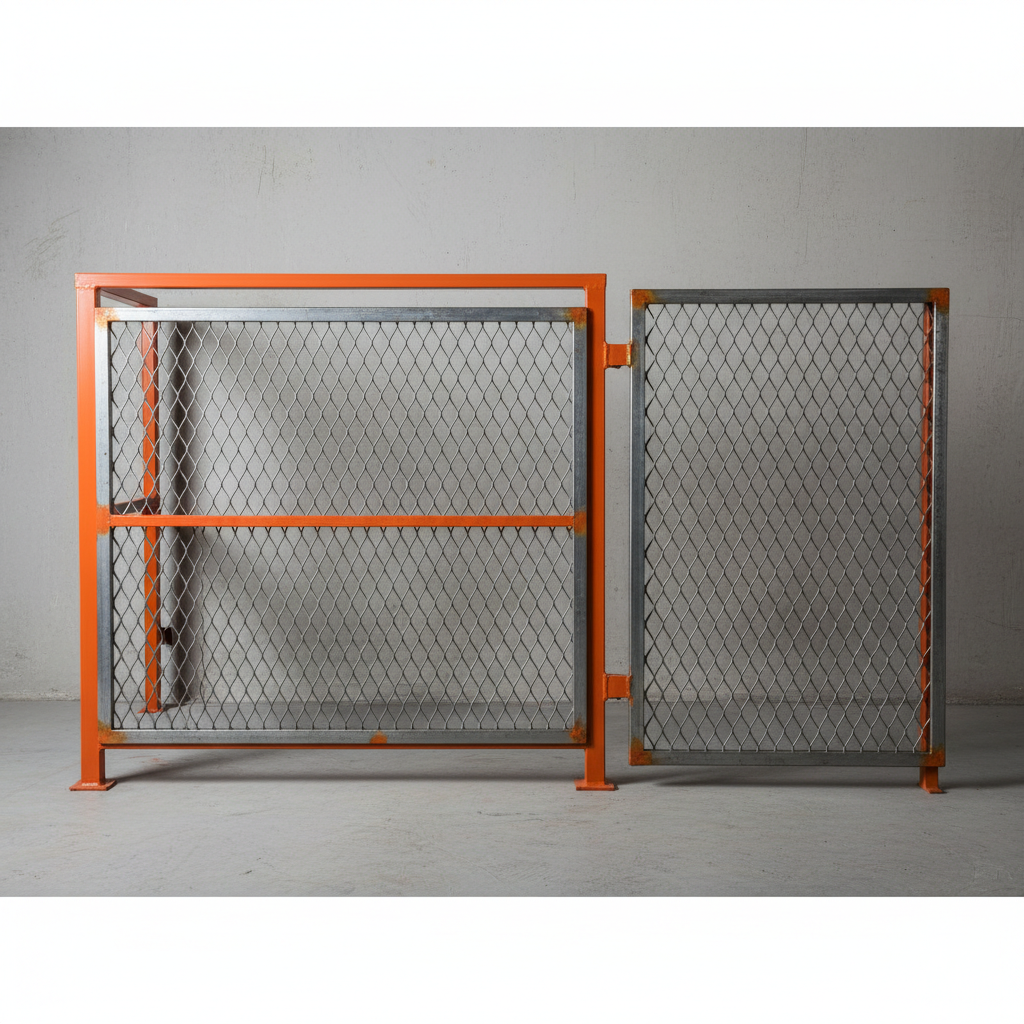
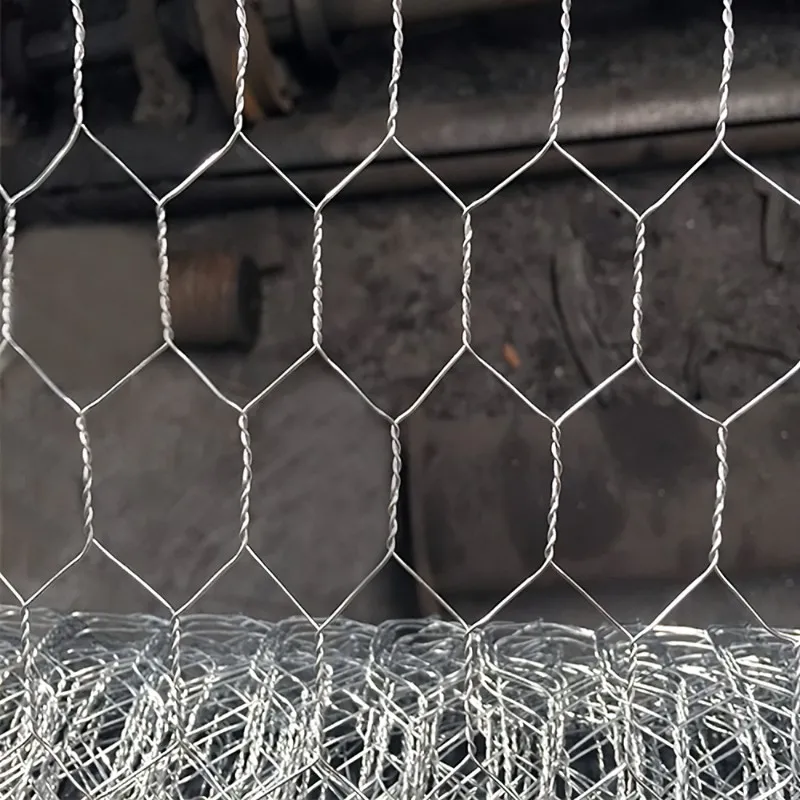
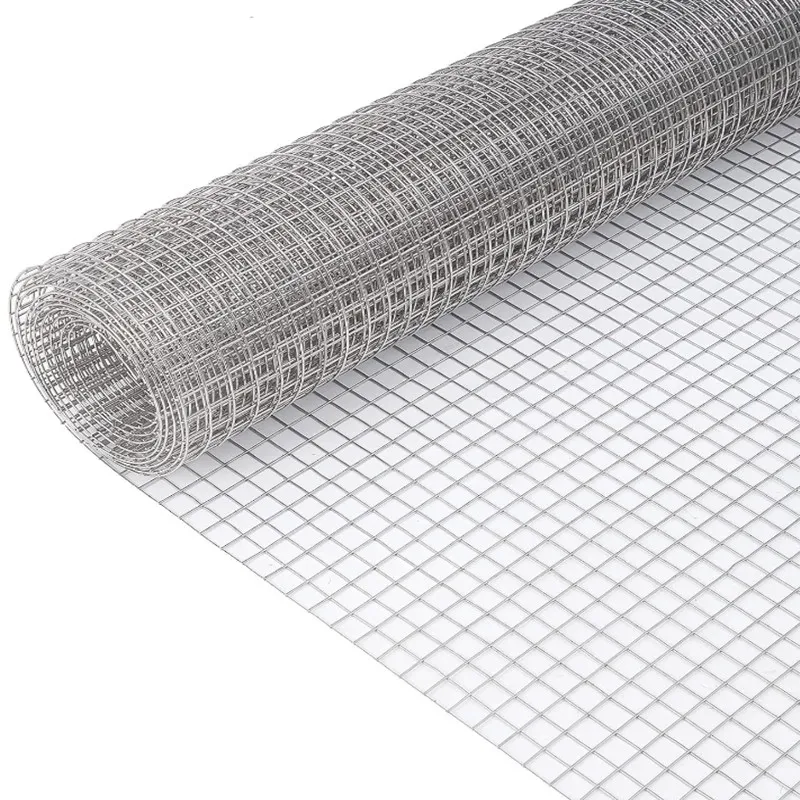
Simply put, “types of steel fences” refer to the various designs and constructions of steel-based fencing systems. Unlike wooden or plastic fences that might rely on appearance or ease of installation, steel fences emphasize strength, durability, and adaptability. They range from simple welded mesh panels to heavy-duty palisade setups.
In modern industries, these fences help secure everything from manufacturing plants to power stations. Humanitarian organizations often deploy quick-assembly steel fences to protect camps, ensuring dignity and safety for displaced populations. It’s a practical marriage of form and function that kind of tells a story about our priorities in safety and sustainability.
---
Key Aspects of Steel Fences You Should Know
Durability and Strength
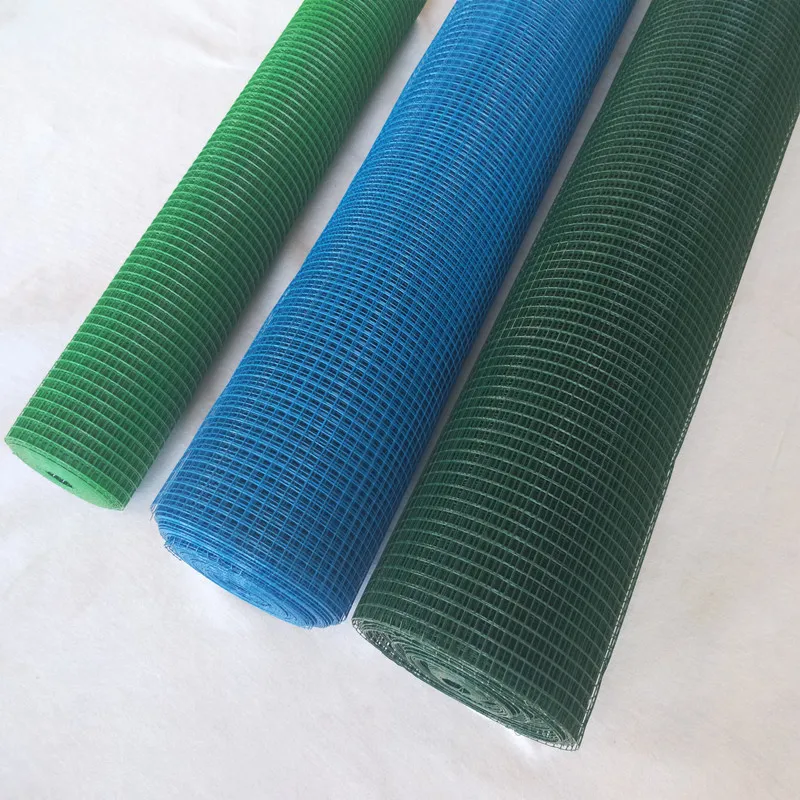
Steel fences withstand harsh weather, corrosion, and physical attacks better than most alternatives. Galvanized or powder-coated steel can last decades without losing integrity. This durability lowers maintenance costs and ensures long-term security.
Scalability and Design Flexibility
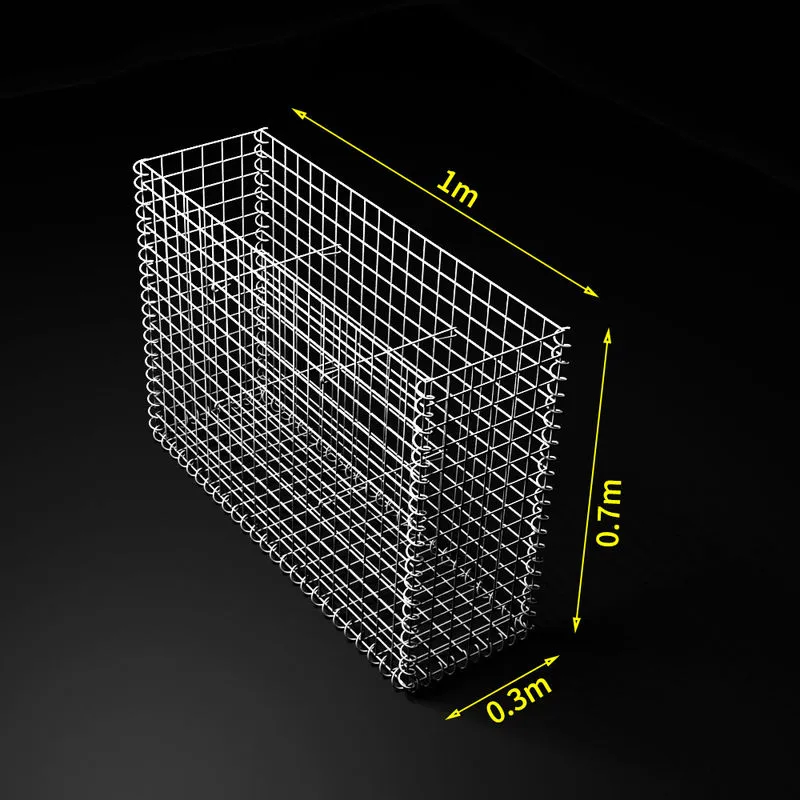
From modular panels to fully welded palisade fences, steel fences can be customized to suit specific needs. This adaptability means they can work in tight urban zones or extended rural borders with equal efficiency.
Cost Efficiency Over Time
While initial costs can be higher than wood or chain-link fences, steel’s longevity and minimal upkeep often make it more economical over 10–15 years, especially in high-security needs.
Ease of Installation and Maintenance
Advancements now allow for quick assembly with minimal tools — a big plus for emergency or temporary sites. Also, steel fences are easy to clean and require little upkeep.
Environmental and Sustainability Factors
Steel is highly recyclable, and many types of steel fences incorporate recycled materials. Compared to plastic or treated wood, steel’s carbon footprint over its lifespan is generally lower, an important consideration in project planning today.
---
Global Applications & Real-World Use Cases
You’ll find steel fences in every corner of the world. For instance:
- Post-Disaster Relief: After the 2010 Haiti earthquake, NGOs used modular steel fences to secure temporary shelters swiftly. Speed and security were non-negotiable.
- Industrial Zones: In China’s manufacturing hubs, steel palisade fences protect millions in high-tech factories, balancing security with visibility.
- Wildlife Preservation: African reserves use steel mesh fences to deter poachers while allowing natural animal movement.
- Border Security: The European Schengen Area sees heavy use of steel barricades and fencing to manage controlled access points without invasive infrastructure.
In all these scenarios, the choice of fence type corresponds closely to specific local risks, budgets, and logistical realities.
Mini takeaway: No one-size-fits-all here. The “best” type of steel fence depends on context—security needs, environment, and even cultural acceptance.
---
Advantages and Long-Term Benefits
Choosing the right steel fence brings some clear bang for your buck:
- Cost Savings: Durable fences mean fewer replacements and lower labor over time.
- Safety & Trust: Secure perimeters protect assets and people, building trust in institutions ranging from hospitals to schools.
- Sustainability: Steel’s recyclability aligns with global moves toward greener construction.
- Social Impact: Especially in humanitarian settings, a secure fence can mean restored dignity and safety for displaced families.
Oddly, people often underestimate how something as physical as a fence can create intangible community benefits—psychological relief, order, and respect for spaces.
---
Future Trends & Innovations in Steel Fencing
The future of steel fencing looks quite dynamic:
- Smart Fencing: Embedded sensors and IoT integration detect breaches in real time, enabling faster response.
- Eco-Friendly Coatings: Researchers are developing zero-VOC powder coatings that further reduce environmental impacts.
- Lightweight Alloys: New steel alloys reduce weight without compromising strength, easing transport and installation.
- Automation in Installation: Robotics may soon handle hazardous fence installations in industrial or conflict zones.
These innovations also reflect wider tech trends—digital transformation meets traditional infrastructure. It feels like fences are getting smarter, more efficient, less intrusive.
---
Challenges & How to Address Them
Despite many advantages, steel fences face hurdles:
- Initial Cost: Upfront investments may intimidate smaller operators.
- Corrosion Risks: Harsh marine or industrial environments can accelerate rust if protective measures slip.
- Design Complexity: Some custom fences require expert engineering which isn’t universally accessible.
Solutions? Bulk buying, improved galvanization technology, and modular designs for easy on-site adaptation help bridge the gap. Sometimes, it’s about balancing ideal specs with what’s realistically achievable.
---
Frequently Asked Questions About Types of Steel Fences
- What are the most common types of steel fences used in industrial settings?
Typically, palisade fencing and chain-link steel fences dominate industrial sites, thanks to their high security and visibility options. Both can be tailored with additional features like razor wire or sensor systems.
- How long does a galvanized steel fence last outdoors?
Generally, a galvanized steel fence can last 20 to 30 years depending on environmental conditions and maintenance, with coastal areas being more challenging due to salt exposure.
- Are steel fences environmentally friendly?
Yes, steel fences are highly recyclable and often made from recycled steel, making them a more sustainable option than plastics or chemically treated wood.
- Can steel fences be quickly deployed for temporary projects?
Absolutely. Modular steel fence panels are designed for rapid assembly and disassembly, ideal for construction sites, disaster relief camps, or event security.
---
Technical Specification Table for Common Steel Fence Types
| Fence Type |
Material |
Height Range |
Security Level |
Typical Use |
| Palisade Fence |
Hot-dip galvanized steel |
1.8m to 3.0m |
High |
Industrial, utilities, prisons |
| Chain-Link Fence |
Galvanized steel wire |
1.2m to 2.4m |
Medium |
Residential, sports grounds, schools |
| Welded Mesh Fence |
Welded galvanized steel |
1.0m to 2.7m |
Medium to High |
Military bases, schools, parks |
| Temporary Panel Fence |
Hot-dip galvanized steel |
1.8m to 2.4m |
Low to Medium |
Events, construction sites |
Comparing Leading Steel Fence Vendors
| Vendor |
Product Range |
Lead Time |
Customization |
Warranty |
Sustainability |
| AlphaFences Co. |
Full range; specializes in heavy-duty |
4-6 weeks |
High; in-house design support |
10 years |
Uses 80% recycled steel |
| SteelGuard Ltd. |
Moderate range, focus on modular panels |
2-3 weeks |
Medium; standard options |
7 years |
Certified green coating |
| EcoFence Systems |
Limited range; eco-friendly focus |
3-5 weeks |
Low; standard eco products |
5 years |
100% recycled materials |
---
Conclusion: Why Types of Steel Fences Are Worth Deeper Understanding
If there’s one takeaway, it’s that types of steel fences are far more than a set of metal bars. They represent evolving solutions in security, economics, and sustainability that ripple across industries and regions worldwide. Whether you’re managing a construction project in a bustling city or creating a safe refuge for displaced people, choosing the right steel fence can offer peace of mind and long-term savings.
For anyone curious or ready to upgrade security infrastructure, learning these types is more than useful—it’s essential.
Ready to dive deeper or get a tailored quote? Visit our website:
types of steel fences today.
---
References
- International Organization for Standardization (ISO), "Steel consumption trends," iso.org.
- World Bank, "Infrastructure and economic growth," worldbank.org.
- United Nations OCHA, "Humanitarian security measures," unocha.org.