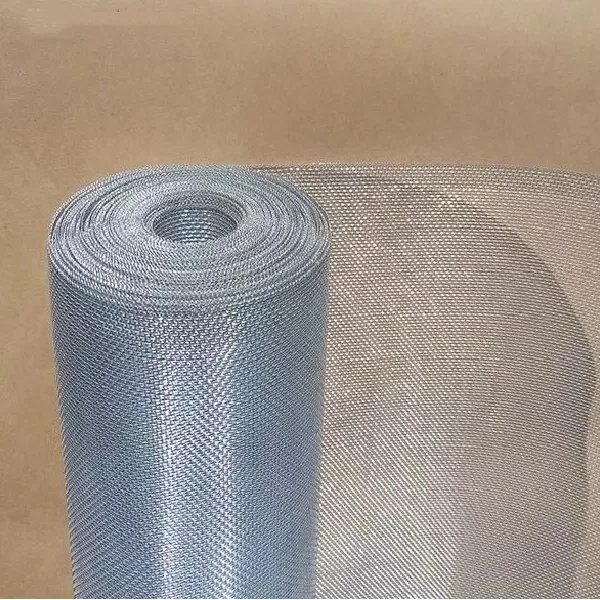
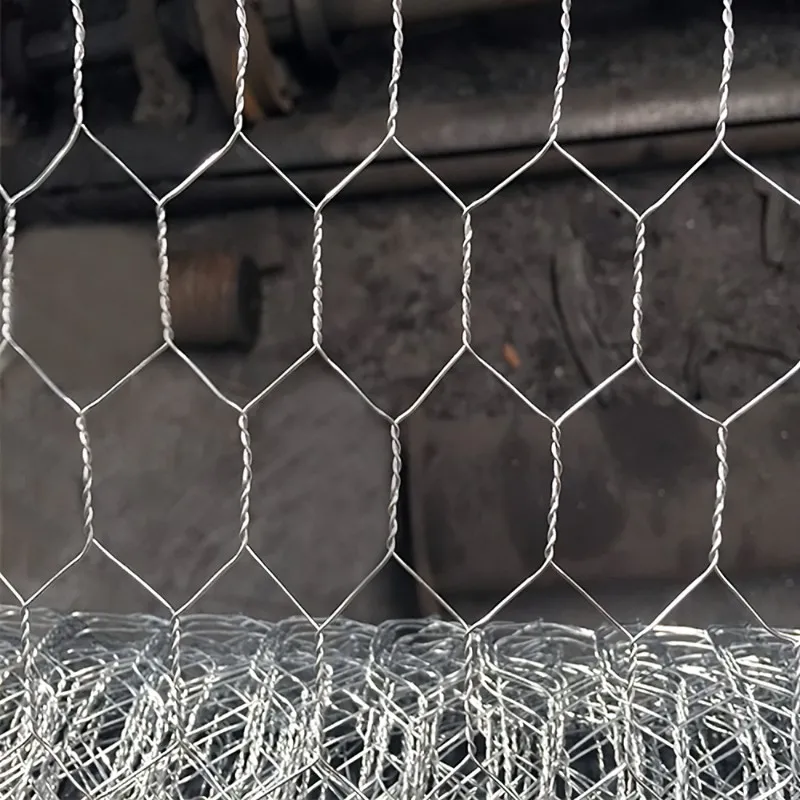
Chain link fabric fencing — you’ve probably seen it around schools, industrial sites, parks, even remote facilities. Despite its seemingly simple design — interwoven metal wires forming a diamond mesh — it’s surprisingly significant worldwide. This type of fencing addresses core needs: security, cost-efficiency, and rapid installation, providing solutions in everything from humanitarian relief to commercial infrastructure. Understanding chain link fabric fencing isn’t just for fence installers or contractors; it’s integral to sectors concerned with safety, sustainability, and scalability in diverse environments.
Here’s a quick fact: the global fencing market is expected to surpass $15 billion by 2027, according to several industry reports. Chain link fabric fencing holds a large slice of this due to its affordability and versatility. In a world grappling with urban expansion, rising security demands, and humanitarian crises, having adaptable perimeter solutions is critical.
Yet the challenge remains — how to provide reliable fencing that suits variable climates, budgets, and purposes, quickly and effectively? That’s precisely the niche chain link fabric fencing fills, making complex protection projects manageable for governments, NGOs, and enterprises alike.
Chain link fabric fencing is not just a metal mesh—it's a global enabler for security and infrastructure in evolving contexts.
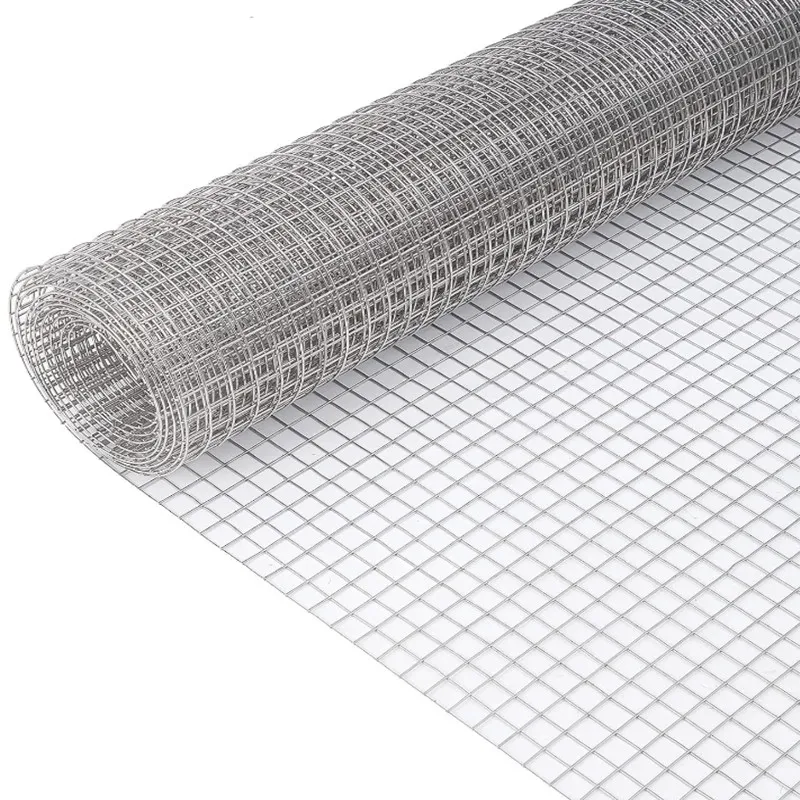
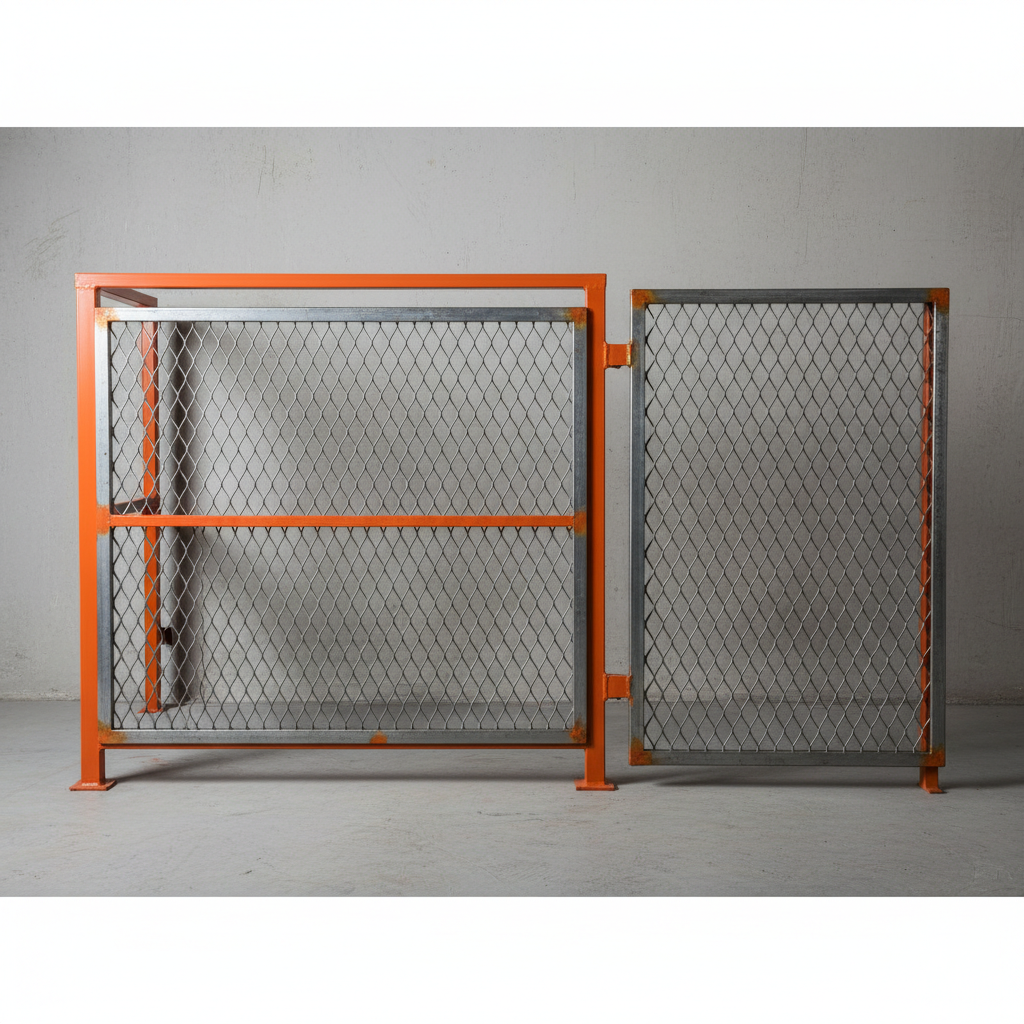
Simply put, chain link fabric fencing is composed of galvanised or coated steel wires woven into a zig-zag pattern, forming a robust mesh panel. This mesh is then connected to posts and rails to create a flexible barrier. Its simplicity belies its critical role in modern industry and humanitarian activities, where rapid, scalable, durable fencing solutions are needed — think refugee camps, construction sites, or urban boundaries.
It’s sometimes called wire mesh fencing or diamond mesh fencing, but at its core, it’s about combining mechanical strength with ease of installation.
One of the main appeals is its resistance to harsh conditions. Galvanised or PVC-coated steel wires resist rust and corrosion, extending fence life. This kind of durability makes it excellent for coastal or industrial zones exposed to salt and chemical pollutants.
When you factor in materials, installation, and maintenance, chain link fabric fencing often costs less than alternatives like wooden or wrought iron fences. Plus, it’s easy to repair — you just replace sections of the mesh rather than the entire fence.
The modular nature means fences can be scaled to fit any perimeter size or shape, including uneven ground. And it’s easy to add gates, barbed wire, or other security enhancements depending on the site requirements.
Unlike solid fence types, the open weave of chain link fabric fencing allows visibility for security patrols and natural airflow. This is a subtle but important factor in environments like schools or parks where safety without isolation matters.
The speed and simplicity of erecting chain link fabric fences — often deployable in days rather than weeks — helps meet urgent project deadlines, like post-disaster relocation sites or rushed construction zones.
Its core strengths—durability, affordability, and adaptability—are what keep chain link fencing relevant across so many industries.
Its adaptability has made chain link fabric fencing practically ubiquitous around the globe:
For example, in remote mining operations in Australia, chain link fabric fencing serves as a first line of defense against wildlife and unauthorized access, emphasizing how its application can vary drastically.
From humanitarian crises to mined-out deserts, chain link fabric fencing provides affordable security everywhere.
Sure, the economics are appealing. But there’s more:
All these factors combined make chain link fabric fencing an often-underappreciated hero in secure barrier technology.
Technology rarely stands still and fencing is no exception:
It feels like the fence of yesterday is turning into the high-tech barrier of tomorrow — without losing its essential simplicity.
While excellent, chain link fabric fencing isn’t flawless:
Experts recommend regular maintenance and combining fencing with other security tech to mitigate these concerns.
| Feature | Specification | Comments |
|---|---|---|
| Wire Gauge | 9 to 12 gauge | Stronger wire = more security, but costlier |
| Mesh Opening Size | 2" to 2.5" diamond | Common for general security fencing |
| Height | 4 ft to 12 ft | Varies by application and security need |
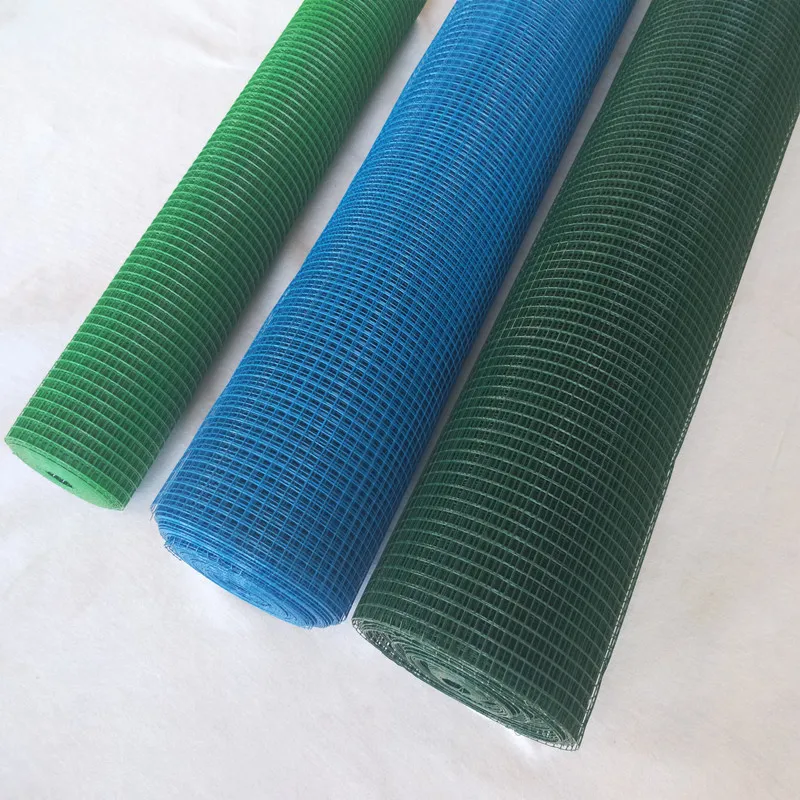
| Coating | Galvanised or PVC coated | PVC coatings add color and corrosion resistance |
| Post Material | Galvanised steel | Provides stability and shape |
| Vendor | Product Range | Customization | Lead Time | Price Level |
|---|---|---|---|---|
| FencePro Solutions | Standard & Heavy Duty | Color Coatings, Height | 2 weeks | Mid-range |
| Global Mesh Corp | Industrial & Security Series | Custom Wire Gauges, Smart Sensors | 4 weeks | Premium |
| EcoFence International | Eco-friendly options | Biodegradable Coatings, Colors | 3 weeks | Moderate |
With proper galvanization or PVC coating and regular maintenance, chain link fences can last 15 to 30 years, sometimes even longer, depending on environmental conditions.
Yes. Privacy slats or mesh inserts are commonly added between the metal links to reduce visibility without compromising airflow.
Depending on project scale and crew size, installation can range from a few days for small areas to a few weeks for larger perimeters. Prefabricated panels speed up the process noticeably.
Absolutely. When using coated or stainless steel wires, the fencing resists corrosion from salt, humidity, and chemicals making it appropriate for coastal and industrial zones.
NGOs partner with specialized suppliers, selecting modular fencing kits that can be shipped in containers and assembled onsite by local teams or contractors, making it ideal for rapid deployment.
When we distill it down, chain link fabric fencing combines economy, flexibility, and dependability like few other options. Whether you’re securing a playground or a sprawling industrial complex, its wide-ranging benefits—from sustainability to safety—make it a smart investment. I encourage anyone interested in practical, scalable fencing solutions to explore options like chain link fabric fencing. It just may be the perfect fit for your next project.
If you want to learn more or get a personalized quote, visit our website: https://www.tikemetal.com.
RELATED PRODUCTS





Top