Steel fences aren’t just pieces of metal lined up to cordon off land. They’re vital infrastructures that blend strength, security, and style in ways that make them popular worldwide. From securing industrial sites to shaping our urban landscapes, steel fences for sale have a global footprint that’s hard to ignore. But why focus on steel fences, and why should anyone care? Well, simply put, they offer a reliable, cost-efficient, and sustainable means of protection — be it for your home, business, or critical public facilities.
As the world increasingly values security and durability, understanding the nuances of steel fencing can help buyers make smarter choices, whether you’re a homeowner checking steel fences for sale or a procurement manager specifying project requirements.
Globally, the demand for strong perimeter solutions has grown by nearly 5% annually over the last decade, according to supply chain data from sources like the International Organization for Standardization (ISO) and market analytics firms. This rise tracks urbanization, increasing industrial activities, and the next-level security needs of humanitarian agencies.
In fact, the United Nations has highlighted that infrastructure resilience, including fencing, is crucial in disaster-prone and high-risk zones. Unsecured perimeters often lead to asset loss, unauthorized access, or even endangering lives, which is why so many sectors are turning toward steel as their go-to fencing material.
Yet challenges remain: buyers often face confusion over varying grades, coatings, or installation approaches, complicating decisions. Understanding what’s behind the phrase “steel fences for sale” unlocks smarter usage — reducing waste, enhancing safety, and even boosting curb appeal.
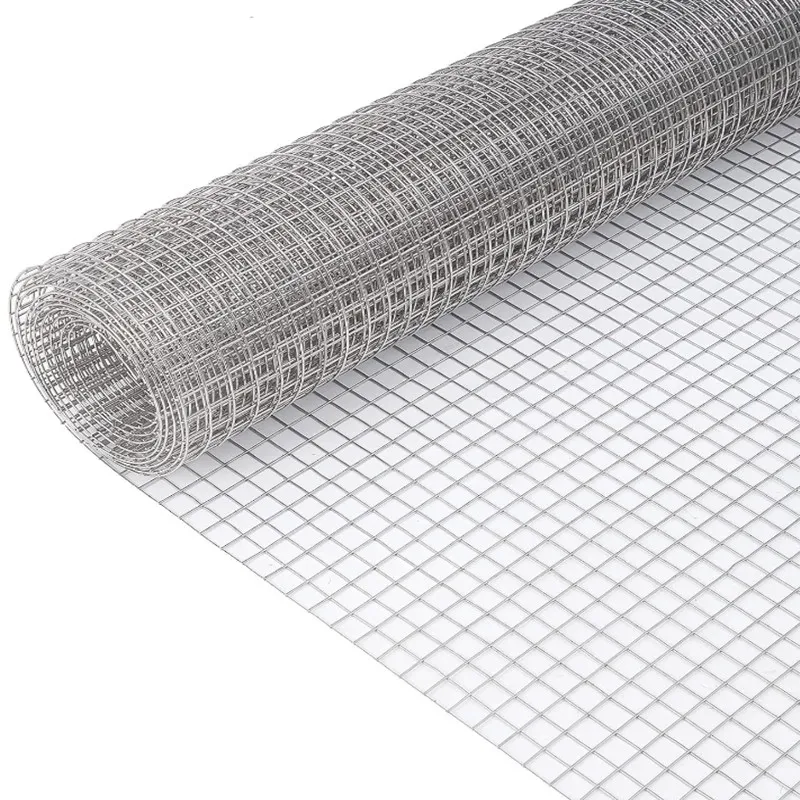
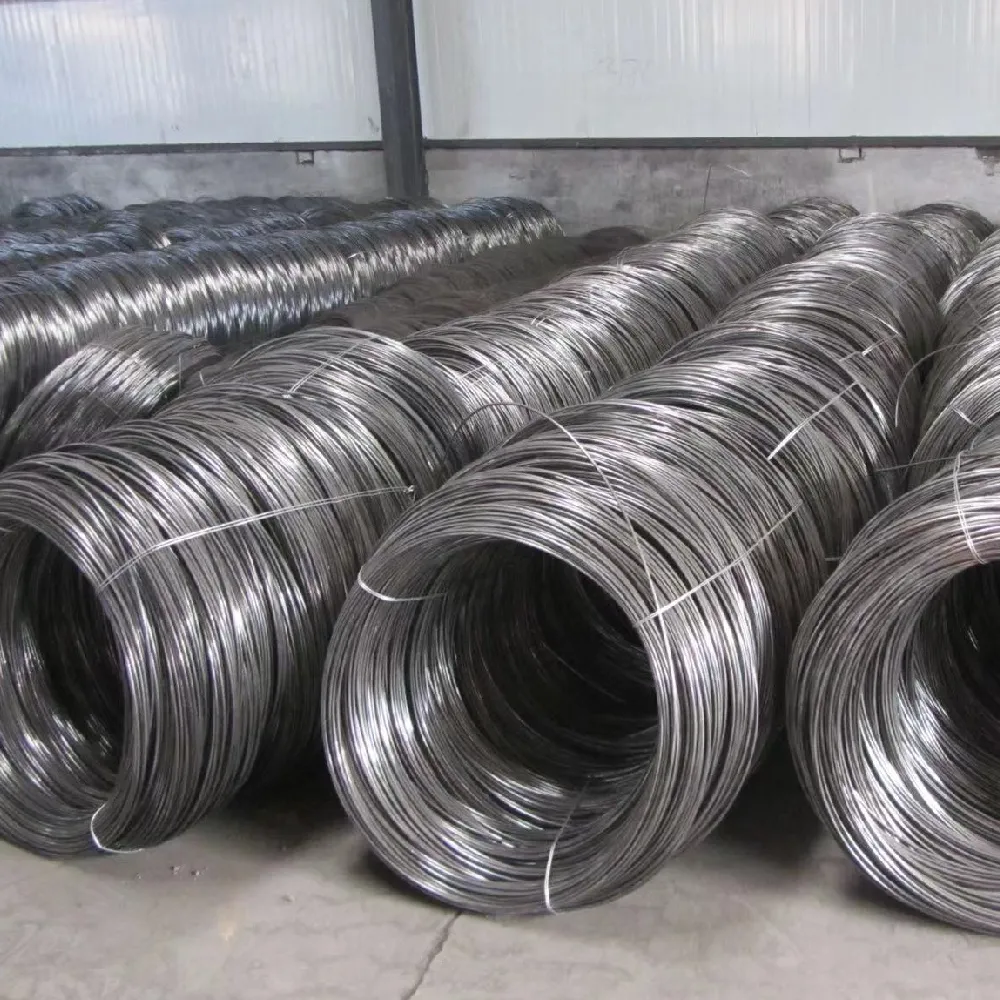
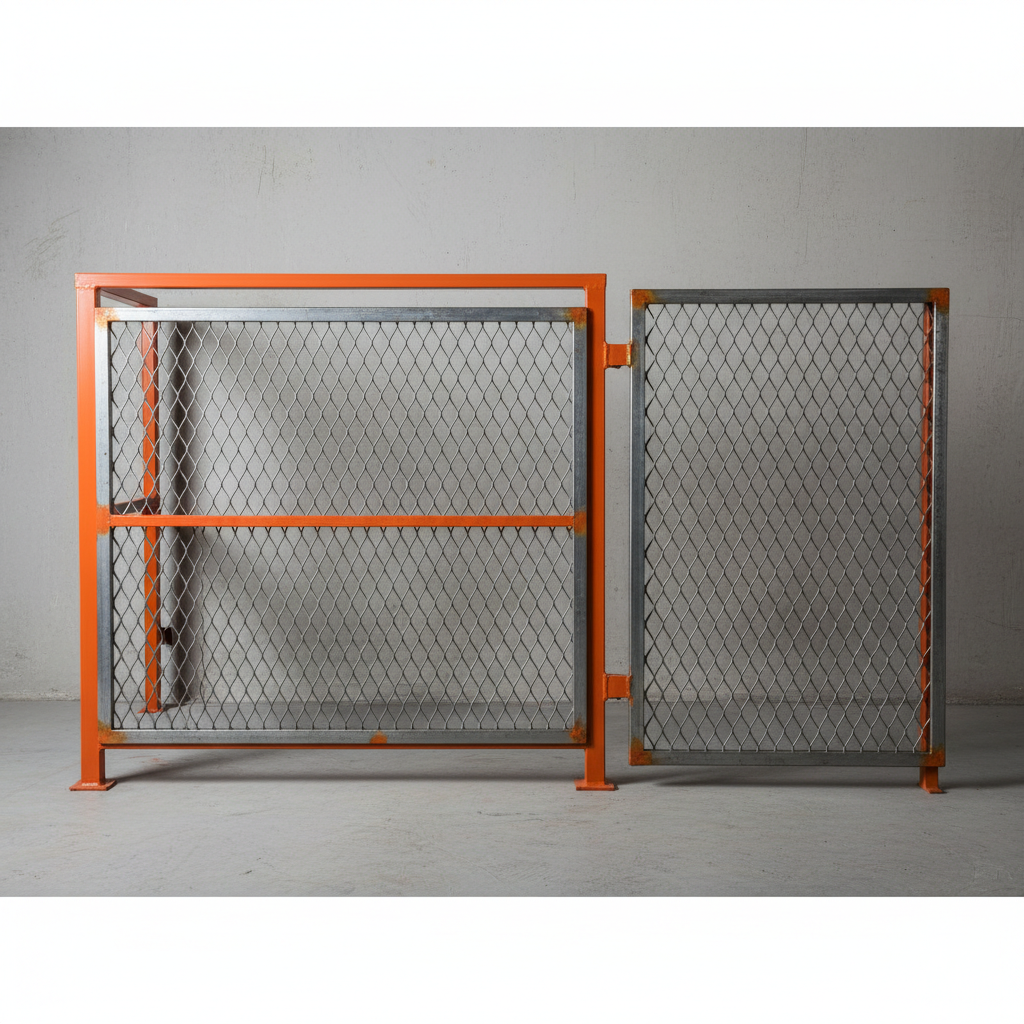
Simply put, steel fences for sale are market-available fencing systems made predominantly of steel components—posts, panels, rails, and sometimes mesh infill. They are designed for durable, long-lasting perimeter control. People usually opt for steel fences because of their strength, resistance against weather, and low maintenance requirements compared to wood or aluminum.
These fences span applications from modern urban environments protecting commercial premises, to rural farmland containment, to public safety enclosures in humanitarian contexts. The cost-to-value ratio leans favorably toward steel, especially considering its recyclability and environmental credentials.
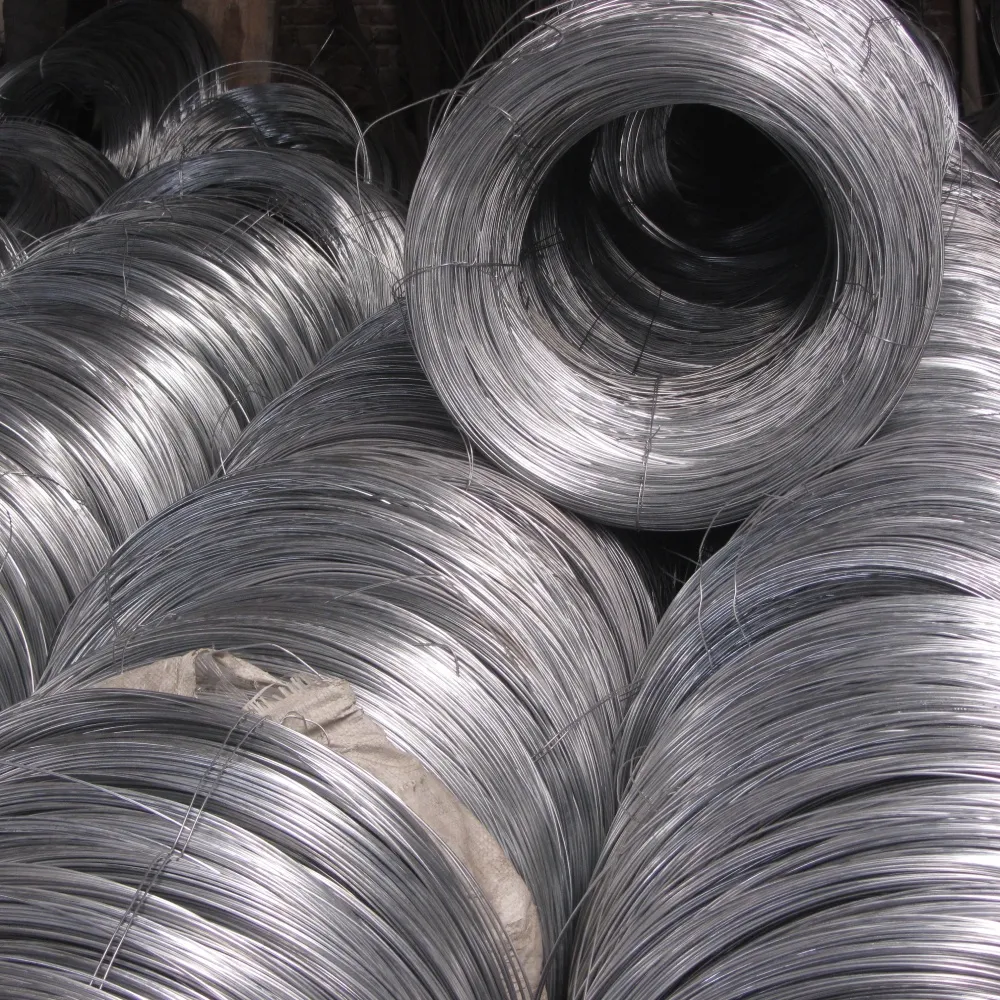
Steel fences are built to withstand harsh weather, impacts, and corrosion — especially when treated with galvanization or powder coatings. In salty coastal environments, for instance, corrosion resistance can be a decisive factor that users often overlook initially.
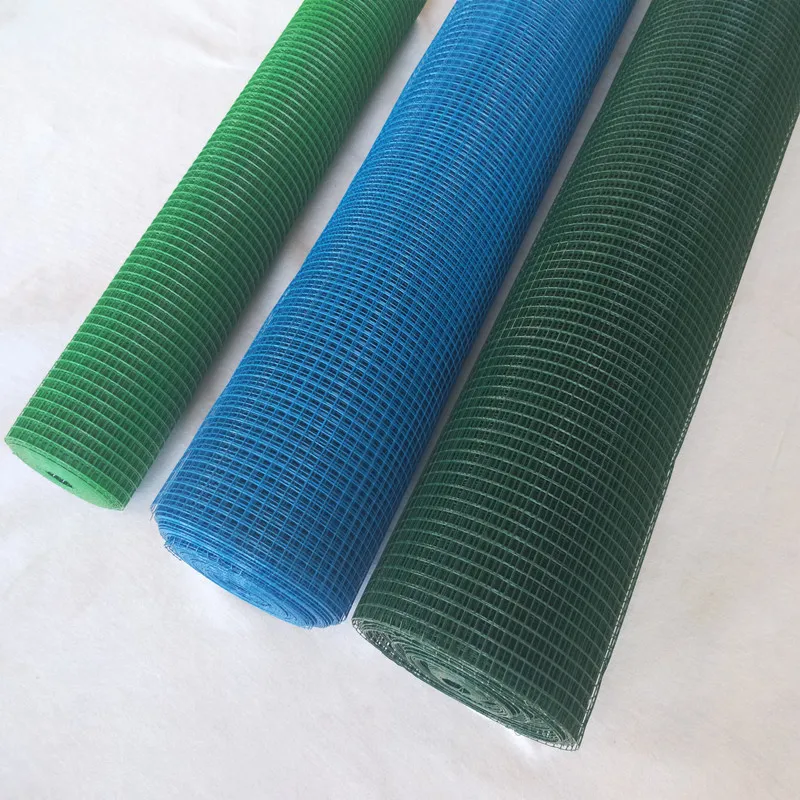
From small garden fences to kilometers-long industrial perimeters, steel fencing can be modular and customized in height, panel design, and finish. This flexibility means users can tailor their security and aesthetic needs with relative ease.
While upfront prices might be higher than some wood alternatives, the lifespan of steel fences makes them very cost-effective in the long term, requiring fewer repairs and less replacement.
Steel fences can be augmented with barbed wire, sensors, or automated gates, making them ideal for high-security areas like airports, factories, or refugee camps.
Steel is 100% recyclable and maintaining steel fences does not usually require toxic chemicals or frequent painting, helping companies meet sustainability targets – an increasingly important factor in procurement policies worldwide.
Modern prefabricated steel panel systems come with quick-locking mechanisms that professionals say reduce installation times by roughly 30% compared to traditional methods.
Mini takeaway: Whether it’s strength, adaptability, or environmental responsibility, steel fences bring tangible, well-rounded advantages to the table that explain their rising popularity.
On a practical level, the upfront investment in steel fencing translates into long-term financial savings and peace of mind. They require minimal upkeep, can last upward of 30 years, and maintain their look with basic cleaning.
Emotionally, a steel fence offers homeowners or facility managers a sense of trust and control — a tangible boundary that signals safety. In humanitarian spaces, that fence represents another layer of dignity and order amidst chaos, which is frankly priceless.
Looking ahead, suppliers are developing smart steel fences integrated with IoT-enabled sensors to detect breaches in real-time, making security more proactive. Meanwhile, advances in eco-friendly powder coatings improve lifespan while reducing environmental impact.
There’s also rising exploration into hybrid fencing materials that combine steel’s strength with recycled composite panels to reduce weight and carbon footprint — a trend likely to grow as green building practices become mainstream.
Some challenges persist, such as high initial costs or the complexity of installing fencing in uneven terrain. But experts recommend phased installations and modular panel choices, which reduce labor intensity and upfront expenditure.
Another concern is corrosion in extreme environments. However, advances in galvanization and specialized coatings have dramatically increased lifespan, even in salty or industrial atmospheres.
| Specification | Description |
|---|---|
| Material Grade | Galvanized steel ASTM A123 or equivalent |
| Height Options | 1.2m to 3.0m (customizable in 0.3m increments) |
| Panel Width | 2.4m standard panels |
| Coating | Powder-coated or hot-dip galvanized to ISO 1461 |
| Installation Method | Bolt-on modular panels with pre-drilled holes |
| Vendor | Price Range | Lead Time | Customization | Warranty |
|---|---|---|---|---|
| Tike Metal | $45–70 per panel | 2–4 weeks | Full custom heights and colors | 10 years corrosion |
| FencePro Co. | $40–65 per panel | 3–5 weeks | Limited to standard models | 7 years corrosion |
| SteelGuard Ltd | $50–75 per panel | 4–6 weeks | Custom heights, but fixed colors | 12 years corrosion |
Thinking long-term, investing in steel fences pays off through enhanced security, low maintenance, and environmental benefits. They’re versatile enough to protect a range of facilities, scalable for future expansions, and increasingly smarter with integrated technologies. If you’re on the lookout for steel fences for sale that balance practicality and durability, you’re tapping into a solution trusted worldwide — from sprawling industrial parks to vital humanitarian shelters.
And, frankly, once you experience a good steel fence, it’s hard to settle for less.
Want to explore your options? Visit https://www.tikemetal.com today to see what fits best for you.
RELATED PRODUCTS





Top