Steel fences may at first glance seem like simple boundary markers. Yet in many corners of the world, these robust structures form the backbone of security, safety, and even social stability. Their importance is global, touching everything from urban development to humanitarian relief efforts. Understanding steel fences means appreciating a versatile, durable technology that solves critical challenges — be it safeguarding infrastructure or protecting wildlife habitats.
In this article, we’ll unpack what steel fence really means in modern contexts, why it’s gaining traction across industries, and explore the benefits that make it a preferred choice worldwide.
To give some perspective, the global fencing market was valued at roughly USD 9.3 billion in 2023, with steel fencing making up a significant share [1]. The demand comes from increasing urbanization, rising security concerns, and infrastructure expansions.
Yet, aside from growth in commercial and residential use, steel fences address challenges like border security, wildlife conservation, and disaster response. For example, in regions prone to flooding, steel fences help protect critical infrastructure from debris and intrusions. Globally, organizations like the UN and ISO recognize fencing’s role in maintaining safe zones and protecting vulnerable populations.
In real terms, the challenge steel fence answers is a growing need for durable, scalable, and cost-effective perimeter solutions that adapt quickly to different environments and security levels.
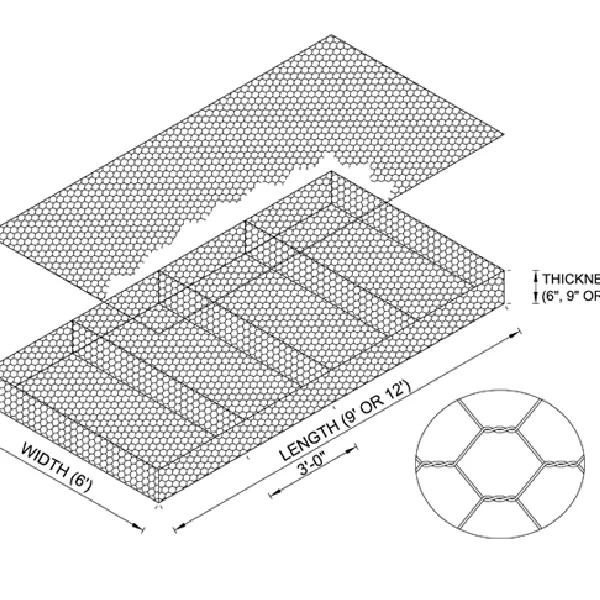
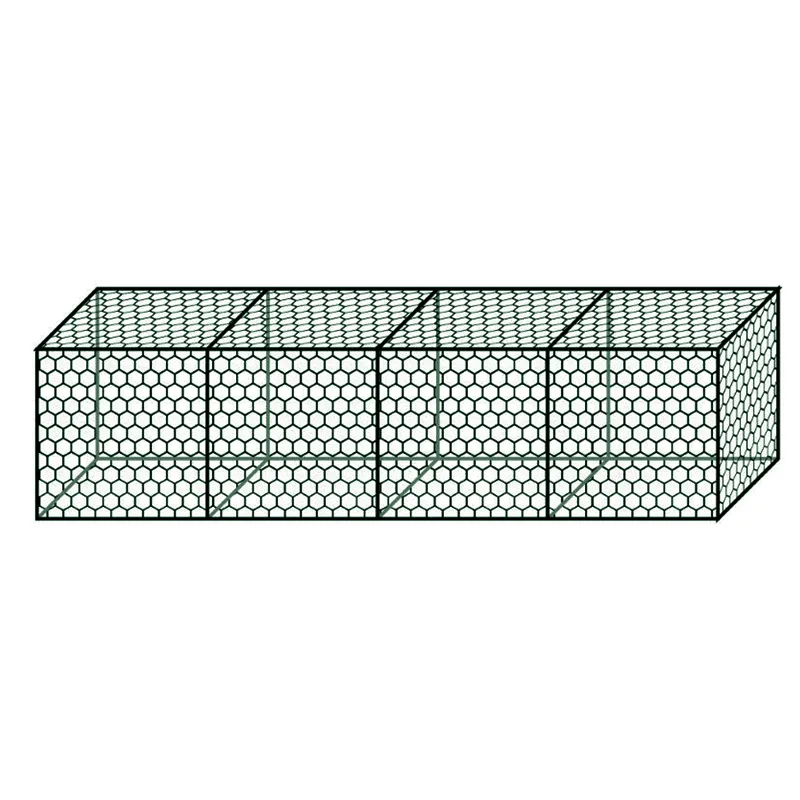
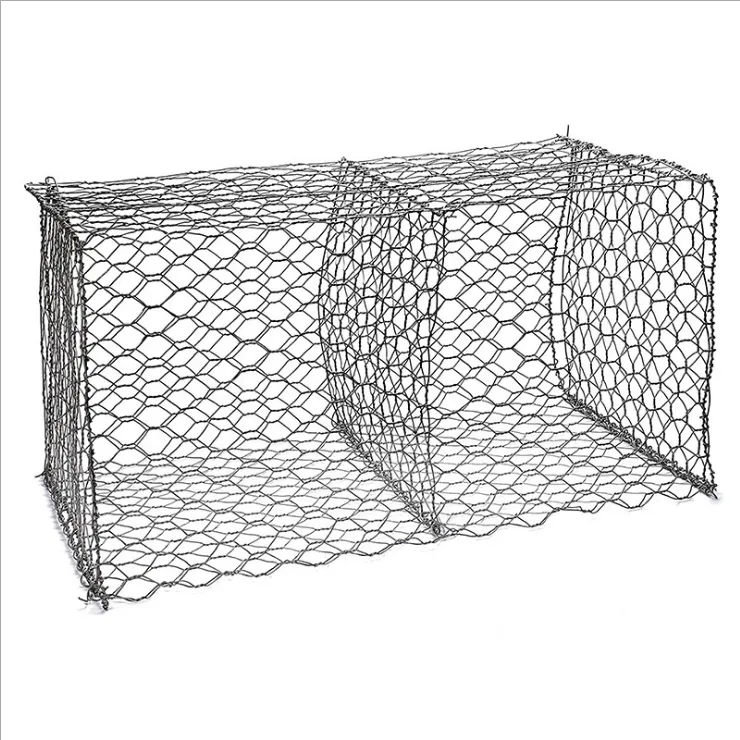
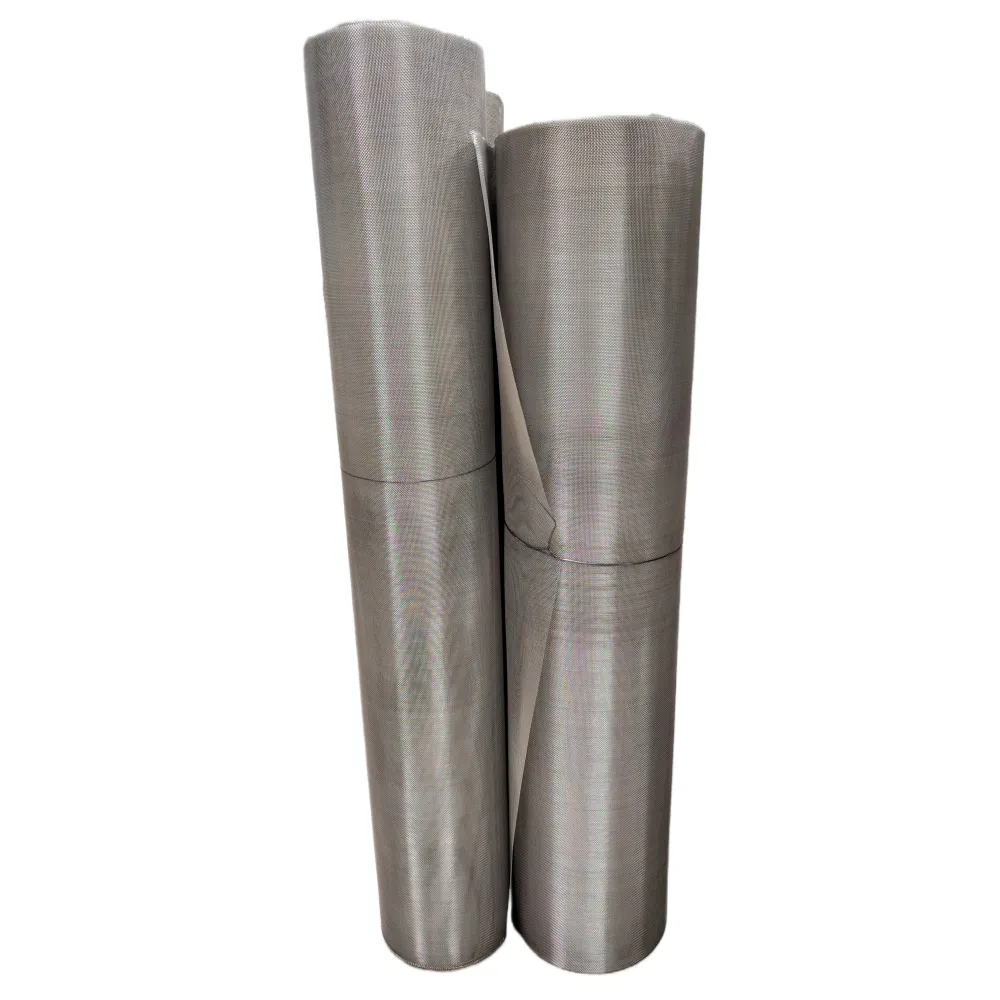
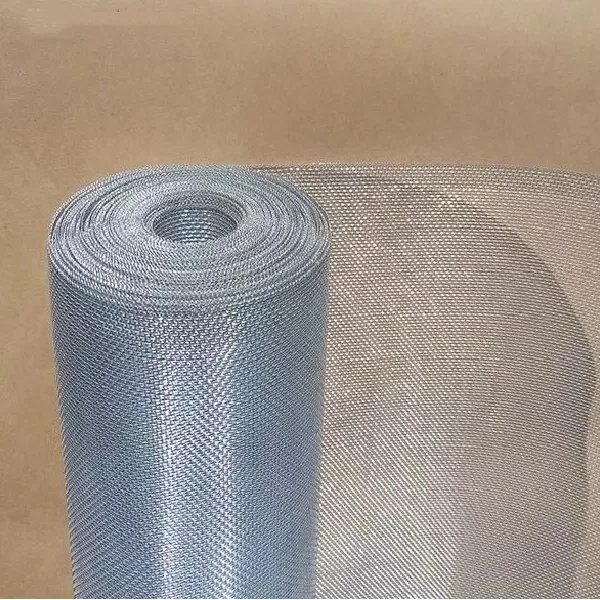
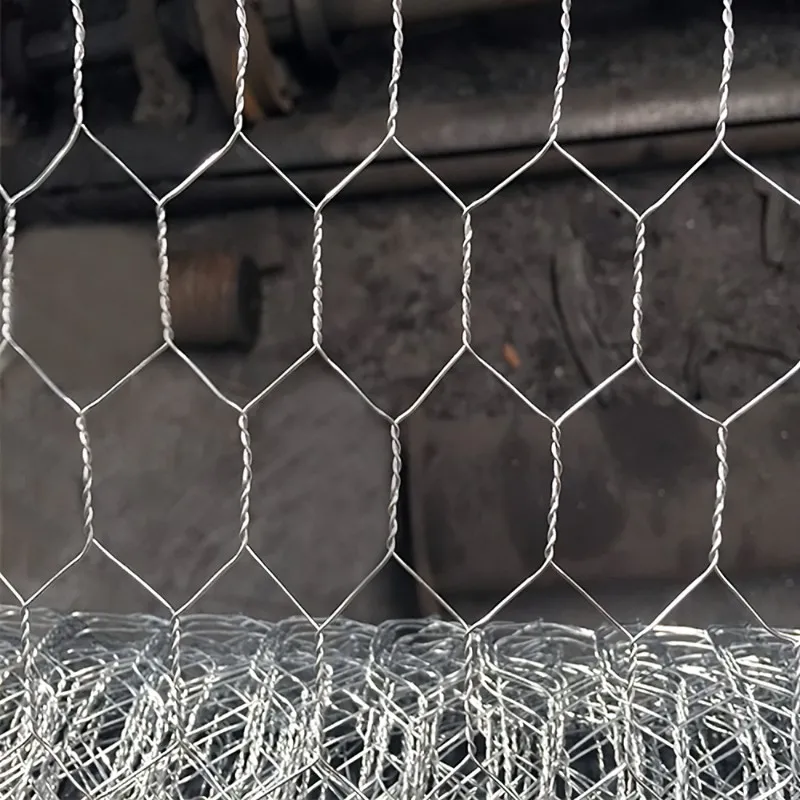
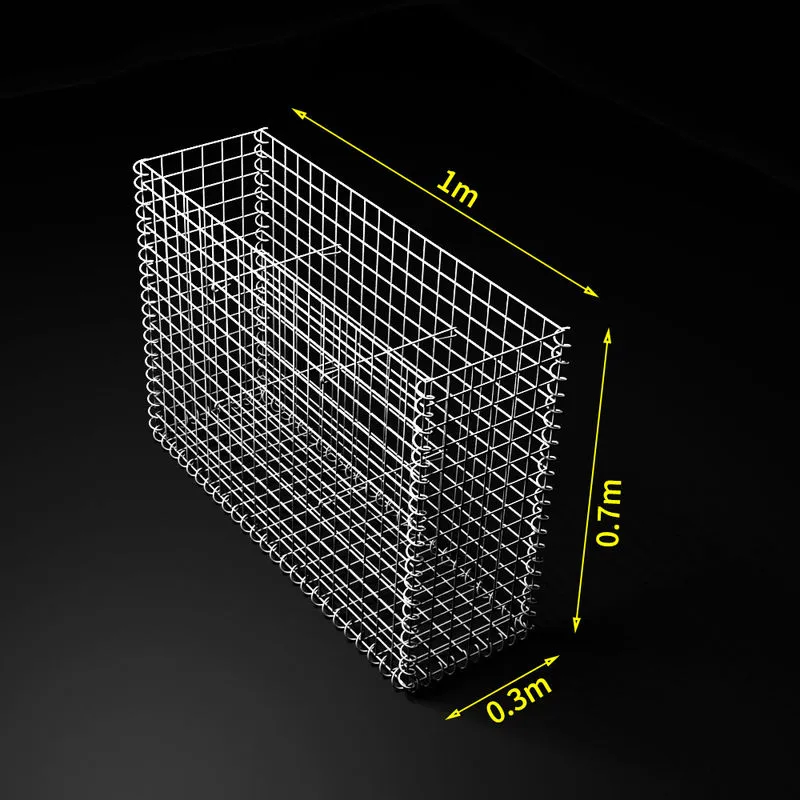
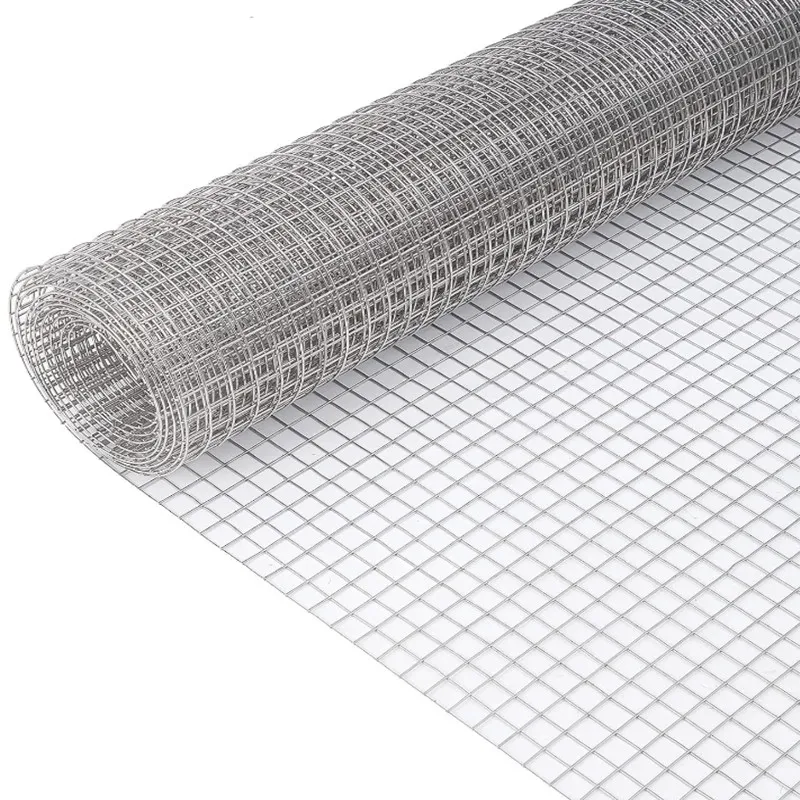
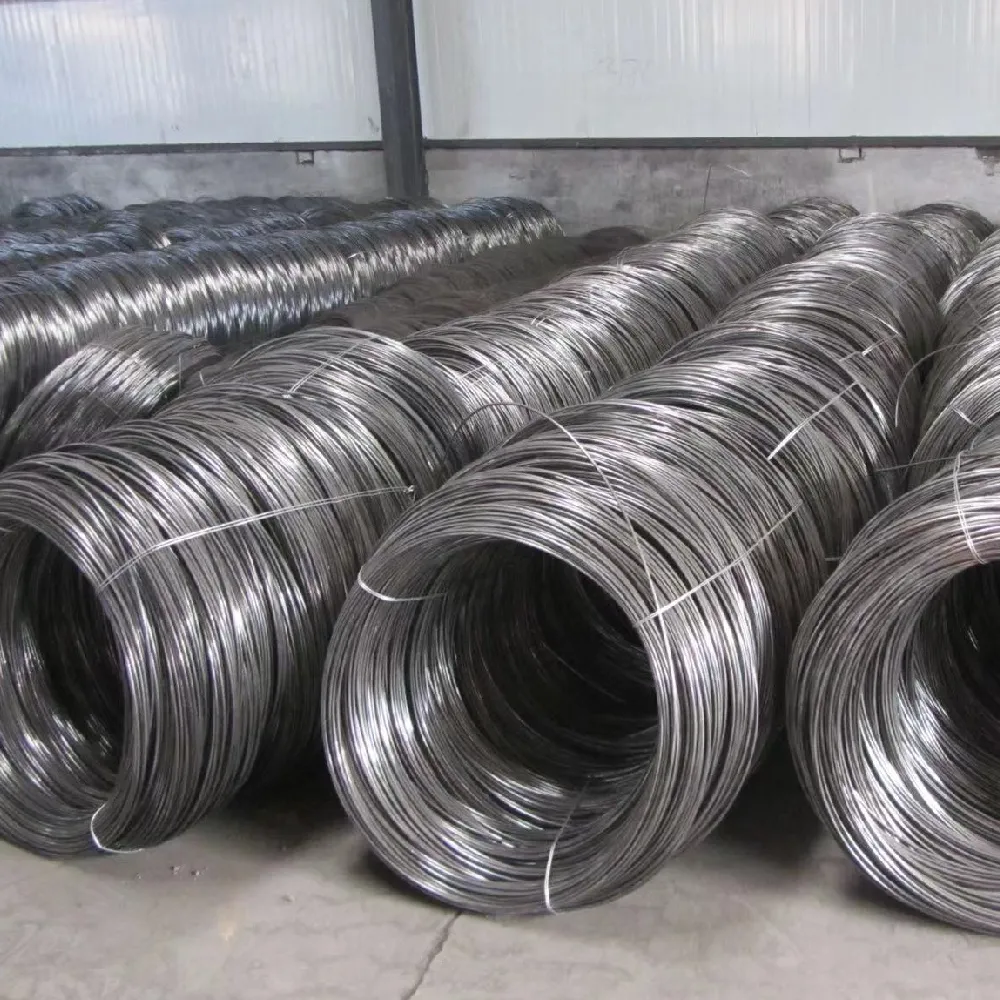
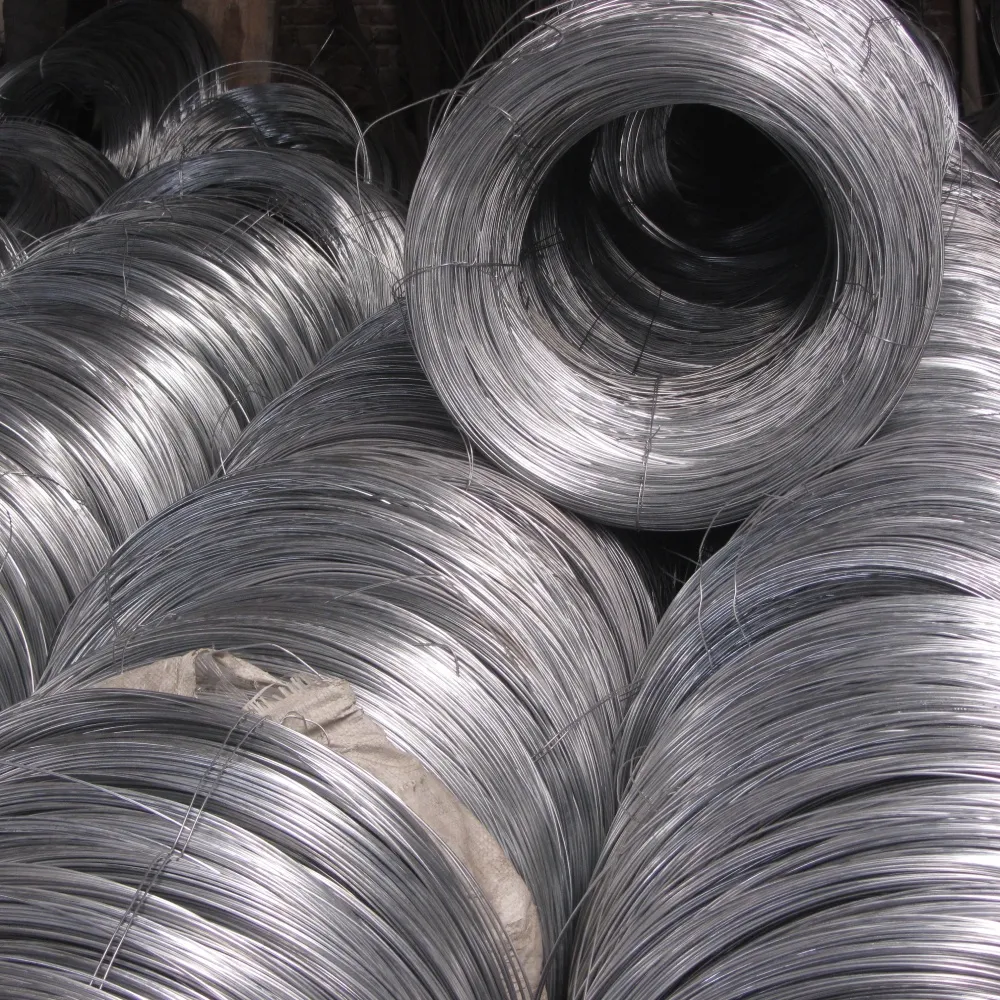
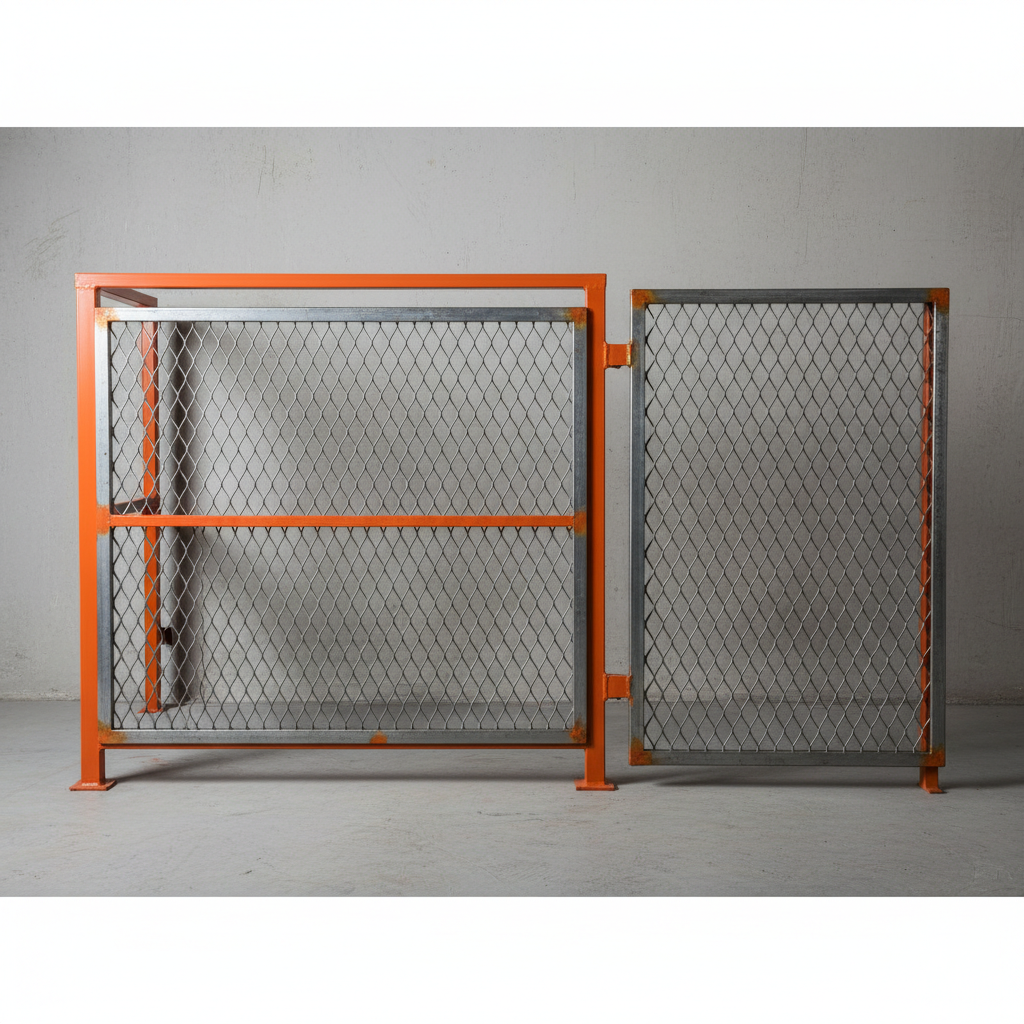
Simply put, a steel fence is a barrier constructed primarily from steel components such as rods, wires, mesh, or panels. Unlike wood or plastic fencing, steel fences combine strength with longevity, often feature anti-corrosion treatments, and provide a reliable physical barrier against unwanted access or intrusion.
Steel fencing links closely with modern industry needs: protection for factories, utility sites, and transport hubs. It also syncs with humanitarian initiatives—think temporary fencing for refugee camps or secure perimeter fencing in disaster zones.
Steel fences can withstand harsh weather, pressure from impacts, and even attempts of forced entry. This durability reduces the need for frequent replacements — especially important in remote or high-risk locations. Many engineers note that galvanized and powder-coated steel fences resist rust and corrosion far better than alternatives.
Steel fences come in various designs, from heavy mesh panels to decorative spear-topped varieties. This means you can scale your security or enclosure project up or down easily, customizing heights, panel spacing, and locking mechanisms. It’s rare to find such flexibility in other materials without sacrificing longevity.
Though initial installation may seem pricier than simple wood fences, when looking at maintenance, replacement, and performance over decades, steel fences often prove more cost-effective. Oddly enough, many property owners overlook this, focusing on upfront expenses rather than life-cycle costs.
Modern steel fence designs support faster assembly, often featuring modular sections that can be installed with minimal heavy equipment. Maintenance routines mostly involve routine checks and simple surface treatments if needed, keeping labor and downtime low.
Because steel fences can be designed for aesthetics or pure function, they suit everything from beautifying urban parks to securing high-risk industrial sites. Some models include integration for cameras, sensors, or electrification for higher levels of protection.
Steel fencing isn’t just about raw strength; it’s a blend of enduring materials, cost savvy, and adaptable design that suits a surprising range of needs.
It’s everywhere — from the highways of Germany to remote power plants in Australia. In Europe, steel fences secure transport corridors, reducing accidents and unauthorized access. The oil and gas fields in the Middle East rely on steel fencing to protect critical infrastructure from sabotage.
In humanitarian contexts, steel fences are used to demarcate emergency housing zones quickly and effectively, as seen in parts of Africa and Southeast Asia during refugee crises. Here, the balance of fast installation and durability is a lifeline.
Even environmental agencies use steel fences to protect endangered species habitats from poachers without disrupting natural flow—a subtle but essential application.
| Specification | Details |
|---|---|
| Material | Hot-dipped galvanized steel with powder coating |
| Height Options | 1.2m to 3.0m |
| Panel Width | 2.5m standard sections |
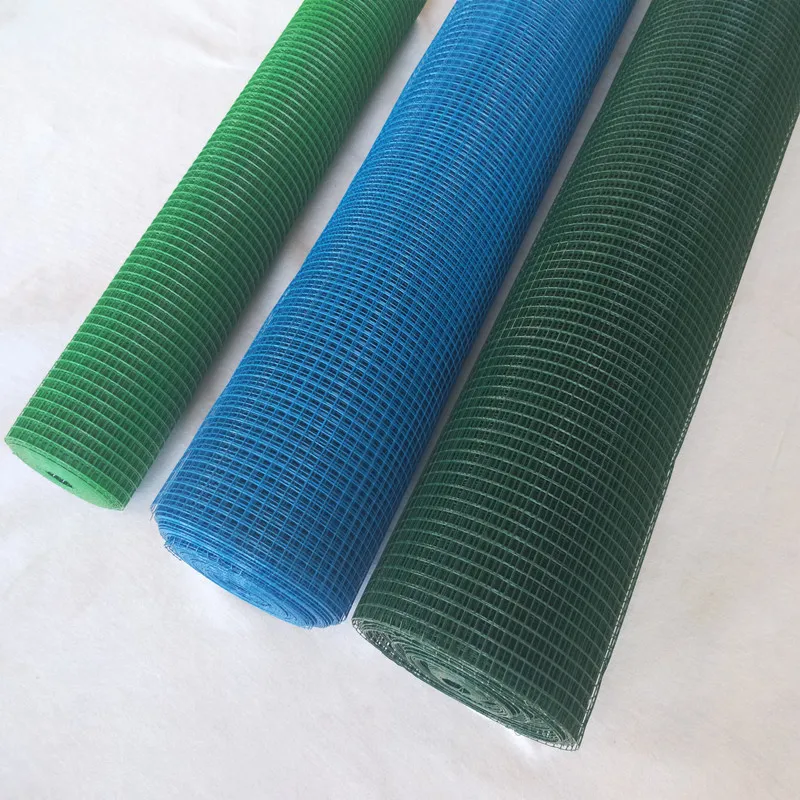
| Finish | Powder coated, color options available |
| Installation | Modular bolt-together system, adjustable posts |
| Weight | About 15 kg per panel (varies by height) |
| Vendor | Product Range | Custom Options | Eco-Friendliness | Lead Time |
|---|---|---|---|---|
| Tike Metal | Wide (security, decorative) | High (colors, sizes, coatings) | Premium galvanized steel, recyclable | 2-4 weeks |
| SteelGuard Ltd. | Medium (focus on industrial) | Moderate (limited color palette) | Standard galvanization | 3-6 weeks |
| Fendrix Corp. | Narrow (fence panels only) | Low (basic designs) | Limited recycling program | 1-3 weeks |
Now, what’s exciting is how steel fences are evolving. There’s a clear push towards integrating smart technologies. Sensors embedded in fencing can detect tampering or even track environmental data. That kind of digital transformation feels like it’s just getting started, honestly.
Materials science is also pushing boundaries, with lightweight, ultra-strong alloys reducing shipping weight and installation effort. Then there’s sustainability — vendors are experimenting with more eco-friendly coatings, reducing hazardous chemicals, and optimizing for recyclability.
Government policies worldwide are increasingly encouraging green construction and security standardization, reinforcing steel fence’s role in future infrastructure planning.
Steel fence isn’t without its challenges. Initial cost hurdles can deter small-scale users. Corrosion remains a threat in salty or chemically aggressive environments. And sometimes installations lag, especially in disaster-stricken or remote areas.
Industry experts suggest modular, pre-fabricated panels can speed deployment dramatically. Coatings are improving continuously — newer thermal spray techniques, for example, boost corrosion resistance significantly. And training local teams on installation reduces dependence on external contractors.
A1: Depending on material and maintenance, a galvanized steel fence can last 20 to 50 years. Regular inspections and prompt repainting delay corrosion. Powder-coated fences generally offer longer protection versus bare steel.
A2: Absolutely. Modular panels and adjustable post anchors make it feasible to adapt the fence to slopes or irregular ground without losing structural integrity.
A3: Yes, with thoughtful design. Mesh size and height can be tailored to allow safe passage for some animals while restricting predators or poachers, balancing protection with ecosystem needs.
A4: With pre-fabricated systems, deployment can happen within days. Teams can assemble and secure large areas rapidly, which is crucial for disaster relief or temporary secure perimeters.
A5: Many suppliers, including Tike Metal, offer options for logos, colors, and signage integration, blending security with identity.
If you step back, steel fence ticks a lot of boxes. It’s sturdy but flexible, cost-efficient but high quality, globally relevant but locally customizable. Whether for securing an industrial site, supporting humanitarian relief, or beautifying a neighborhood park, its value is clear and consistent.
Want to explore steel fence options tailored to your needs? Visit Tike Metal for expert guidance and solutions designed to last.
RELATED PRODUCTS





Top