When we talk about a steel front fence, it might seem straightforward at first glance—a boundary made of steel that marks property lines and provides security. But frankly, it’s way more than just a divider. Across the globe, steel fencing has become a cornerstone for industries, homes, and even humanitarian efforts. Whether it's safeguarding remote industrial sites in harsh environments or enhancing the curb appeal of urban homes, the steel front fence plays a vital role in resilience and design. Grasping its significance offers insight into durability, sustainability, and even social impact across many sectors.
Globally, steel fencing is estimated to represent a multi-billion dollar industry, projected to grow steadily as infrastructure, security concerns, and design preferences evolve. According to ISO standards (ISO 1461:2009 for galvanized steel coatings, for example), the durability and safety attributes have fueled increased adoption worldwide. The UN’s focus on urban safety and disaster resilience also highlights fencing as a barrier and protective measure for vulnerable communities. Yet, challenges such as installation costs, corrosion, and regional climate impact remain.
Steel fences, especially steel front fences, address these problems with an approach that merges practicality with sustainability — a quality hard to overlook in today’s resource-conscious world.
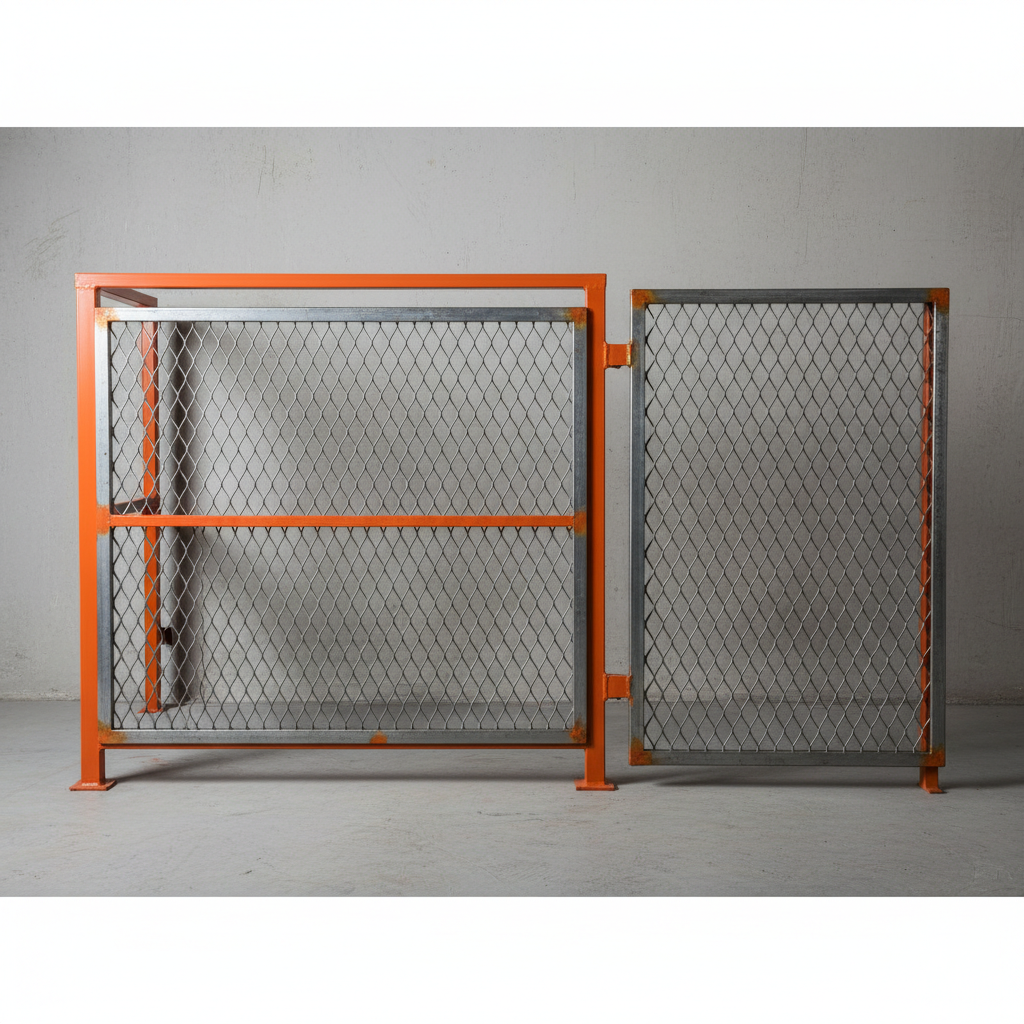
Simply put, a steel front fence is a protective boundary structure placed at the front or perimeter of a property, constructed primarily from steel components. Unlike traditional wood or concrete alternatives, steel offers enhanced strength and lifespan, often coated or treated to resist rust. It's commonly used in residential, commercial, and industrial settings, proving essential for security, ease of maintenance, and aesthetic flexibility. In humanitarian or industrial sectors, steel front fences can demarcate safe zones or secure critical infrastructure.
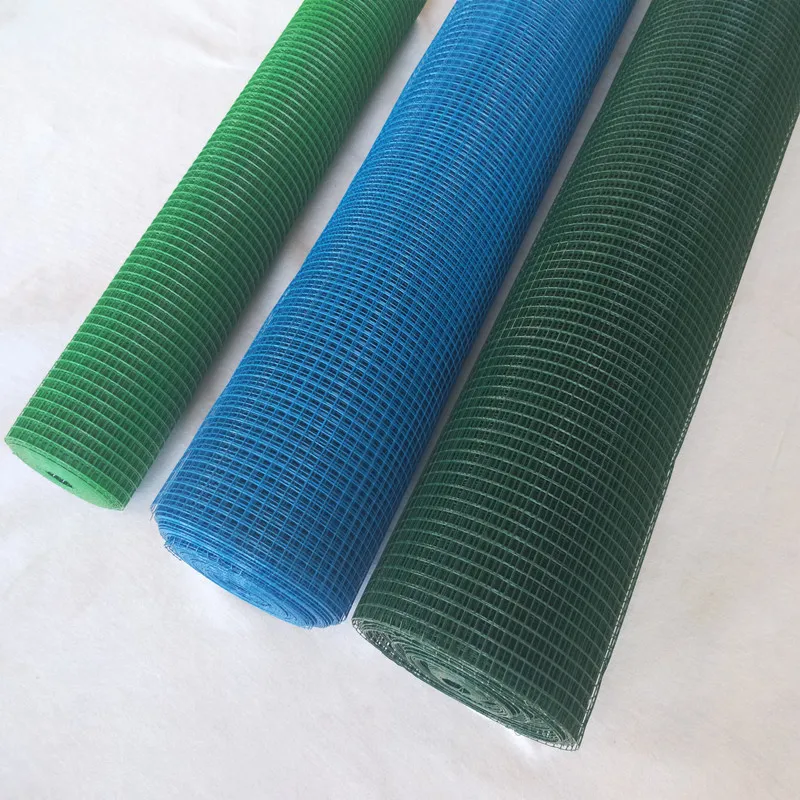
Steel’s natural robustness means a front fence made from it withstands weather extremes, physical impact, and long-term wear. Hot-dip galvanizing or powder coating protects against rust and corrosion, essential for coastal or humid zones. This durability translates into years — sometimes decades — of minimal maintenance.
Steel fences can be scaled from simple neighborhood fences to large industrial perimeter barriers. Plus, they’re remarkably customizable: from decorative wrought steel designs to high-security anti-climb panels, there’s almost no limit to the form it can take.
Though initial installation might be pricier than a wooden substitute, steel fences typically require less upkeep, avoiding repainting or repairs often needed for wood or vinyl. This lowers total lifecycle cost, a hidden advantage many overlook.
Steel is highly recyclable, and many manufacturers use recycled steel to reduce carbon footprints. Choosing a steel front fence also means opting for a material that supports circular economy principles, something increasingly relevant as industries push for greener solutions.
Whether it’s a residential garden or a high-security facility, steel front fences provide strong deterrents against unauthorized entry. Additional security measures like spikes, sensors, or electrification are easier to integrate as well.
| Specification | Details |
|---|---|
| Material | Galvanized Steel (G60 grade or above) |
| Height | 1.2m to 2.0m (customizable) |
| Coating | Powder Coated or Hot-Dip Galvanized |
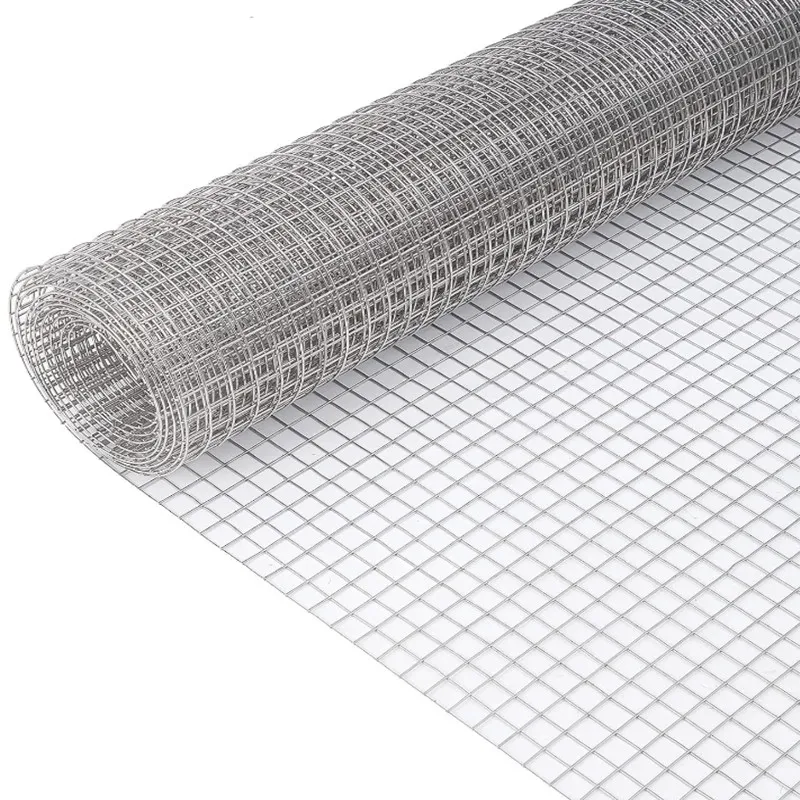
| Panel Style | Welded Mesh / Picket / Decorative |
| Security Features | Optional barbed wire, spikes, sensors |
| Warranty | Up to 10 years (manufacturer-dependent) |
Around the world, in everything from sprawling industrial complexes in the Middle East to suburban homes in Europe or emerging urban areas in Asia, the steel front fence is ubiquitous. For example:
In real terms, steel fences help improve safety and privacy, while their longevity means lower replacement frequency and waste.
| Feature | Tike Metal | SteelCo Fences | Guardian Steel |
|---|---|---|---|
| Customization Options | High | Medium | Medium |
| Warranty Period | 10 years | 7 years | 5 years |
| Security Features | Integrated sensors, barbed wire | Barbed wire | Basic panels |
| Delivery Time | 4-6 weeks | 6-8 weeks | 5-7 weeks |
| Sustainability Efforts | Uses 80% recycled steel | No data | Some recycled materials |
Choosing a steel front fence is an investment in security, sustainability, and style. The immediate benefit is peace of mind—knowing your property is secured by something tough and reliable. Beyond that, there’s a subtle emotional reassurance steel fences provide; they project stability and permanence. Over time, the savings on maintenance (less repainting and fewer repairs) add up. Not to mention the environmental impact: steel’s recyclability reduces landfill waste, supporting eco-friendly building practices.
Many architects and homeowners say there’s something timeless about steel—it ages with grace, unlike wood that slowly decays.
Industry insiders are excited about incorporating smart technology into steel fences. Imagine fences with built-in sensors that detect intruders, environmental hazards, or wear and tear — all communicating via IoT networks. On the material front, innovations include lighter but stronger alloys, enhanced corrosion-resistant coatings, and integrating solar-powered lighting. All this aligns with broader trends toward green building and digital transformation.
Inevitable hurdles like corrosion, cost concerns, and installation complexity exist but are being solved by improved coatings, modular designs, and competitive pricing. With the right choice of vendor and materials, these challenges become manageable.
The steel front fence is an increasingly relevant choice worldwide because it balances strength, sustainability, and versatility. Whether you’re securing an industrial site or enhancing your home’s frontage, its long-term benefits—in durability, cost savings, and environmental friendliness—are compelling. If you’re considering an upgrade, or a new fence entirely, visit our website to explore what options fit your needs best.
Mini takeaway: Steel front fences are more than metal barriers—they stand for security, sustainability, and smart investment worldwide.
RELATED PRODUCTS





Top