At first glance, a stainless steel fence might seem like just another barrier, a line you don’t cross. But it’s far more than that — stainless steel fences represent a fusion of utility, sustainability, and sleek modern design, all rolled into one resilient perimeter solution. Globally, fences secure anything from industrial sites to private properties, but stainless steel fences stand out because they hold up against extreme weather, corrosion, and, frankly, time itself. For industries and homeowners alike, understanding the benefits and applications of stainless steel fencing is vital to making the right investment — one that lasts.
This topic stretches beyond aesthetics. Around the world, infrastructure safety and property protection are top priorities, especially in areas facing harsh environmental factors or strict regulations. The stainless steel fence offers a compelling answer, merging the best of corrosion resistance with high mechanical strength and, strangely enough, low maintenance. Let’s unpack why this fencing type is gaining momentum globally and what it means for industries and communities.
Did you know that as of 2023, stainless steel production reached over 61 million metric tons worldwide (source: World Stainless Organization)? This booming production goes hand-in-hand with rising demand for durable, low-maintenance materials in construction and security.
Across continents, from Europe to Asia and North America, stainless steel fencing addresses a clear challenge: how to secure assets without frequent costly repairs or replacements. For ports, power plants, and even sensitive environmental zones, conventional fencing materials — like wood or iron — can quickly degrade due to moisture, salt, or pollutants. Corrosion leads to weak points and safety risks. Stainless steel fences, especially grades like 304 and 316, offer a vital solution here, balancing strength and longevity. In humanitarian and industrial relief efforts, too, quick, reliable fencing helps demarcate zones and ensure safety without extensive maintenance.
Simply put, a stainless steel fence is a fencing system fabricated primarily from stainless steel alloy, known for its chromium content which forms a protective passive layer against rust and stains. Unlike galvanized iron or painted steel fences, stainless steel fencing doesn’t peel, flake, or require constant repainting.
In modern construction and humanitarian contexts, stainless steel fences serve as more than mere boundaries. Whether protecting a chemical plant from trespassing or safeguarding refugee camp perimeters, they combine robustness with a “minimal fuss” appeal. The material’s non-porous surface discourages grime buildup and the aesthetic often leans toward minimalist, sleek profiles—important in urban designs.
The hallmark of stainless steel fencing is its unmatched durability. Thanks to chromium (12% min in stainless steel alloys), exposure to moisture and oxygen leads to the formation of a chromium oxide layer — basically a self-healing shield against rust. This is crucial in coastal or industrial zones where salty air or acidic pollutants attack other metal fences relentlessly.
These fences are not just durable; they require minimal maintenance. No repainting, no frequent replacements of corroded parts — simply periodic rinsing to remove surface dirt suffices. This frees up labor resources and cuts long-term costs.
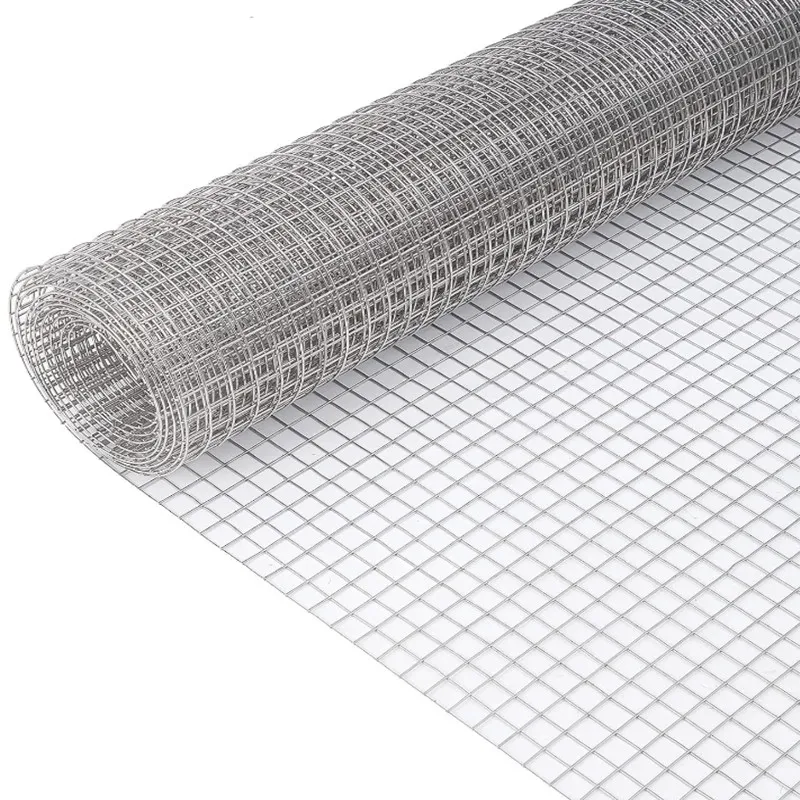
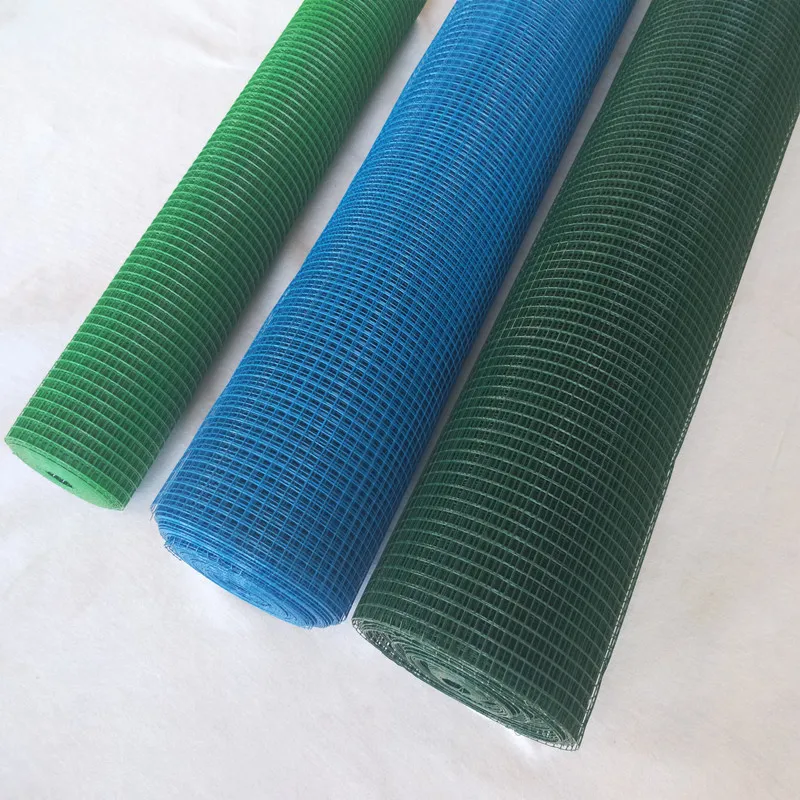
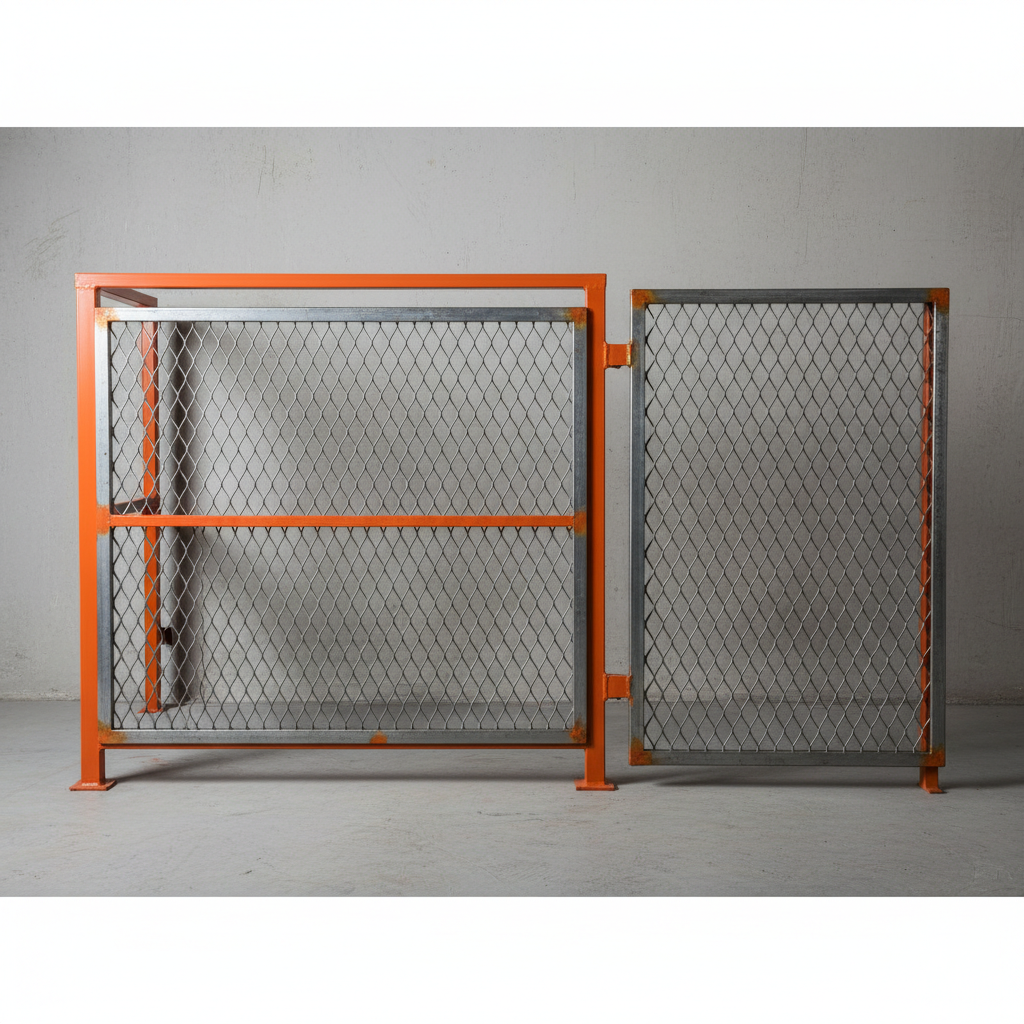
Modern fabrication techniques allow for various designs—from mesh panels to tubular bars to tightly spaced pickets. This flexibility lets architects and engineers customize fences to meet security levels, privacy needs, and aesthetic demands. It’s not all about the utilitarian—stainless steel fences can be artful statements too.
Initial costs might be higher than traditional fencing materials, but the total cost of ownership shifts in favor of stainless steel fences due to durability and reduced maintenance. Many industry experts call it a “buy once, install forever” option — though obviously with some regular checks.
Stainless steel is recyclable, which aligns well with growing sustainability trends. Additionally, its longevity means fewer replacements, less landfill waste, and reduced need for raw material extraction over time.
Think of a stainless steel fence as an investment in resilience—one that stands firm while quietly reducing upkeep, costs, and environmental impact.
Where do stainless steel fences make a difference? The answer: almost everywhere.
Take Japan's tsunami recovery zones—using corrosion-resistant fences to quickly restore safe perimeters even amid heavy saltwater exposure. Or large mining operations in Australia, where fences face blazing sun and corrosive dust storms daily.
Beyond standing tall, what really makes the stainless steel fence a winner? A few highlights stand out:
| Feature | Specification | Comments |
|---|---|---|
| Material Grade | 304 & 316 Stainless Steel | 316 preferred for marine environments |
| Finish | Brushed, Polished, Matte | Aesthetic & anti-glare options |
| Panel Size | Sizes from 1.2m to 2.4m height Width up to 3m |
Custom orders available |
| Installation | Post-mounted or frame-mounted | Suitable for concrete or soil |
| Security Features | Anti-climb design Optional electrification |
Supports heavy-duty locks |
| Vendor | Product Range | Lead Time | Price Range | Unique Selling Point |
|---|---|---|---|---|
| Tike Metal | Custom stainless steel panels, gates | 3-5 weeks | Mid-range | Highly customizable, solid warranties |
| SteelSafe Inc. | Standard fencing kits | 2-4 weeks | Low to mid-range | Affordable, fast delivery |
| Fortis Metalworks | Premium architectural fencing | 5-7 weeks | High-end | Design-focused, elite projects |
Looking ahead, stainless steel fencing is not standing still. As with many materials, a few trends are shaping its trajectory:
Frankly, these innovations could redefine what we expect from fences — from purely physical barriers to intelligent, adaptive security interfaces.
Oddly enough, despite all its strengths, stainless steel fencing isn’t a perfect fit everywhere. Some hurdles include:
To tackle these, vendors like Tike Metal offer installation training and after-sales care, and R&D on protective coatings continues to improve scratch resistance.
A stainless steel fence, especially using marine-grade 316 alloy, can last 25+ years in coastal areas. Its corrosion resistance withstands salty winds much better than traditional steel or iron, significantly reducing maintenance costs. Regular cleaning does help preserve its look.
Yes, stainless steel fences are environmentally friendly. The material is 100% recyclable and durable, which means less frequent replacements and waste. Plus, modern manufacturers often focus on sustainable production methods.
Absolutely. Stainless steel fencing is highly customizable to meet varied security needs—from standard picket fencing to heavy-duty anti-climb designs enhanced with electrification and security locks.
Installation requires more precision and skilled labor because of material weight and assembly methods. However, trained installers and modular panel options reduce much of the complexity and time required.
Although wrought iron typically costs less upfront, stainless steel’s longevity and low maintenance often make it more economical over time, especially in harsh environments where iron corrodes quickly.
In the end, stainless steel fences are about marrying durability with practicality and aesthetics. They save money over the long haul, resist harsh conditions, and can be tailored to almost any security or design requirement. If you're looking to invest in fencing that won't constantly turn into a headache, a stainless steel fence might just be the smart, sleek, and sustainable answer you didn't know you needed.
For more in-depth info and tailored products, visit https://www.tikemetal.com.
RELATED PRODUCTS





Top