When you hear black steel fence, you might just think of a standard barrier around a property. Yet, this simple structure has surged in global significance over the last decade. Why? Because black steel fences blend durability, security, and aesthetic appeal, making them essential across various sectors—from industrial hubs to humanitarian relief zones. Understanding their growing role offers insights into not only fencing solutions but also into global trends involving safety, sustainability, and industrial innovation.
Globally, fencing isn't just about property lines anymore. The demand for robust, cost-effective boundary solutions has soared with urbanization, rising security concerns, and increasing industrial activities. According to recent ISO standards and World Bank data, urban populations are expected to reach nearly 70% by 2050, intensifying the need for dependable fencing in cities and industrial zones alike. Additionally, humanitarian agencies rely on fencing for secure perimeters in refugee camps and relief operations—a challenge often underestimated but crucial for safety and dignity.
Yet, challenges such as weather durability, rapid deployment, and adaptability persist. That's where the black steel fence comes into play—offering a robust, economical, and versatile solution.
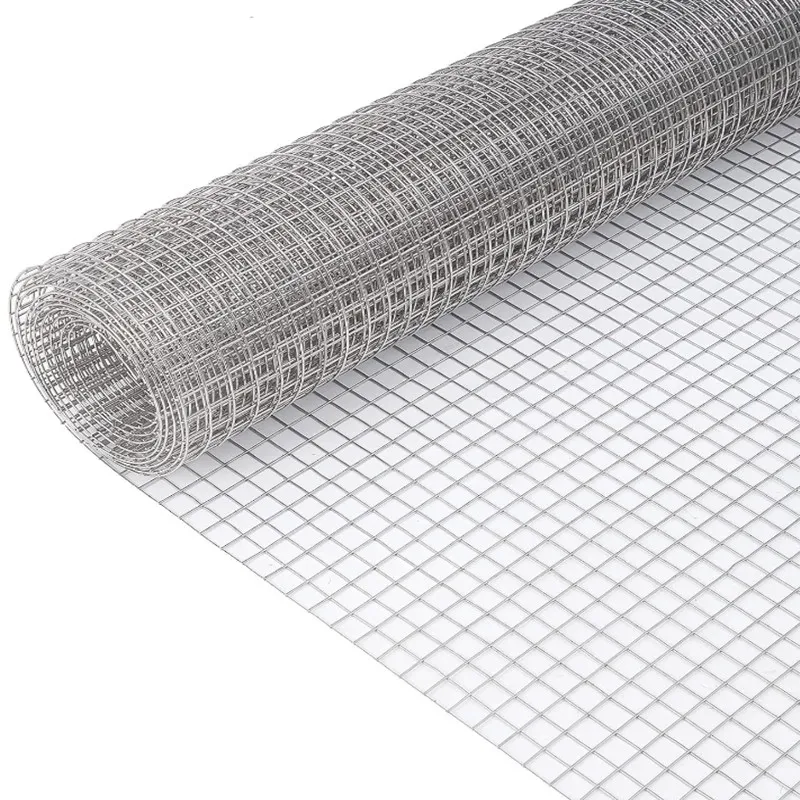
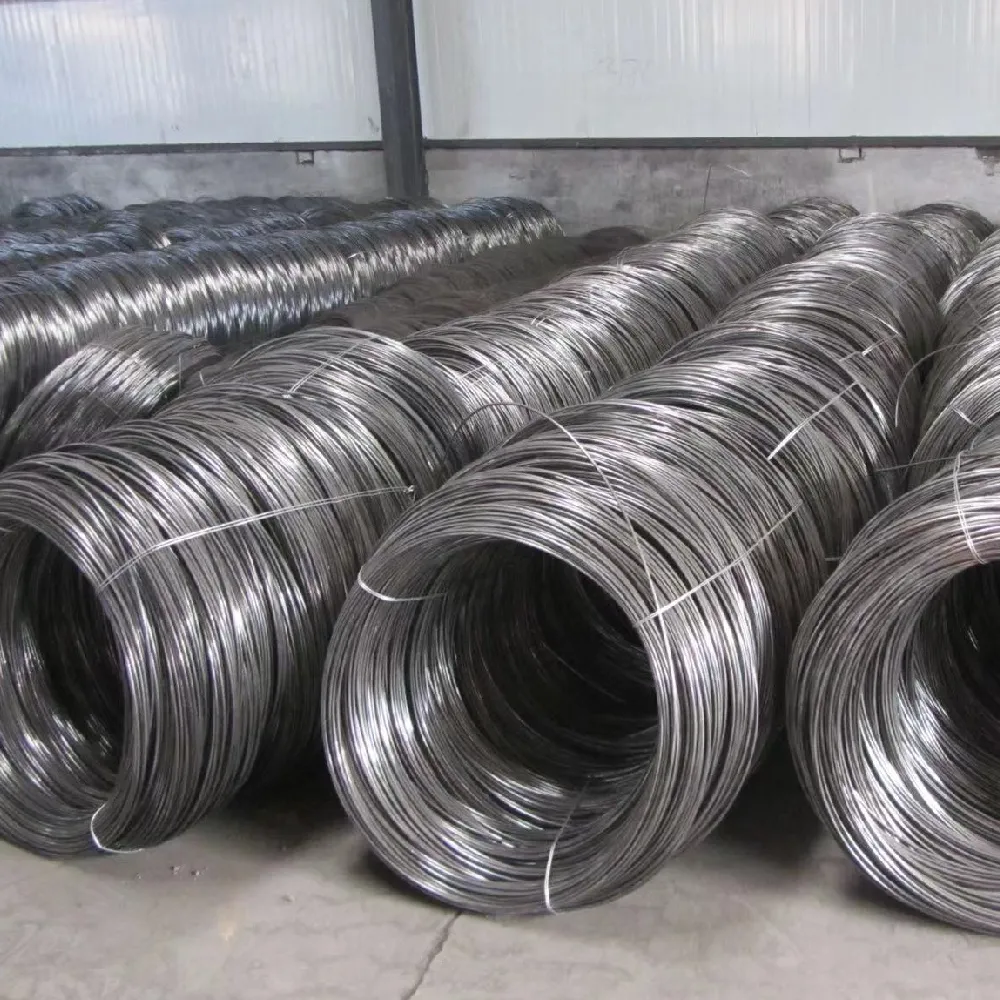
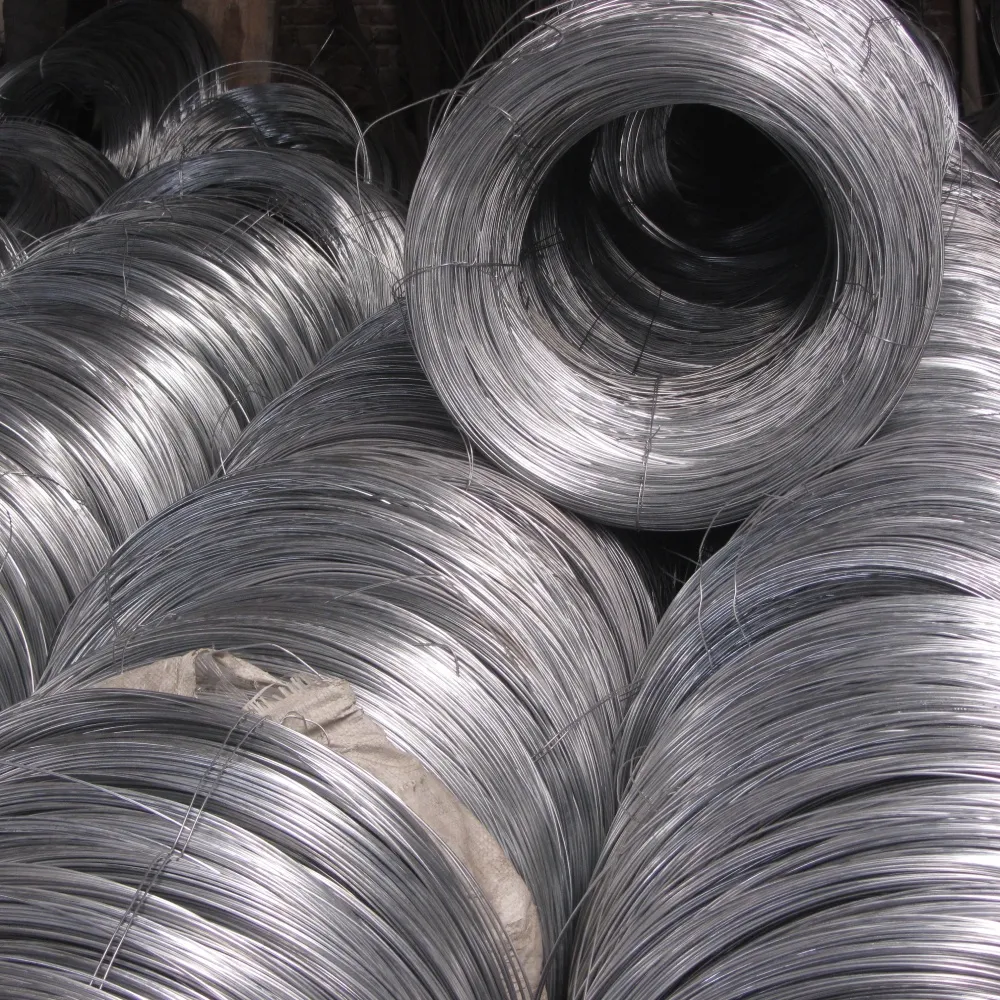
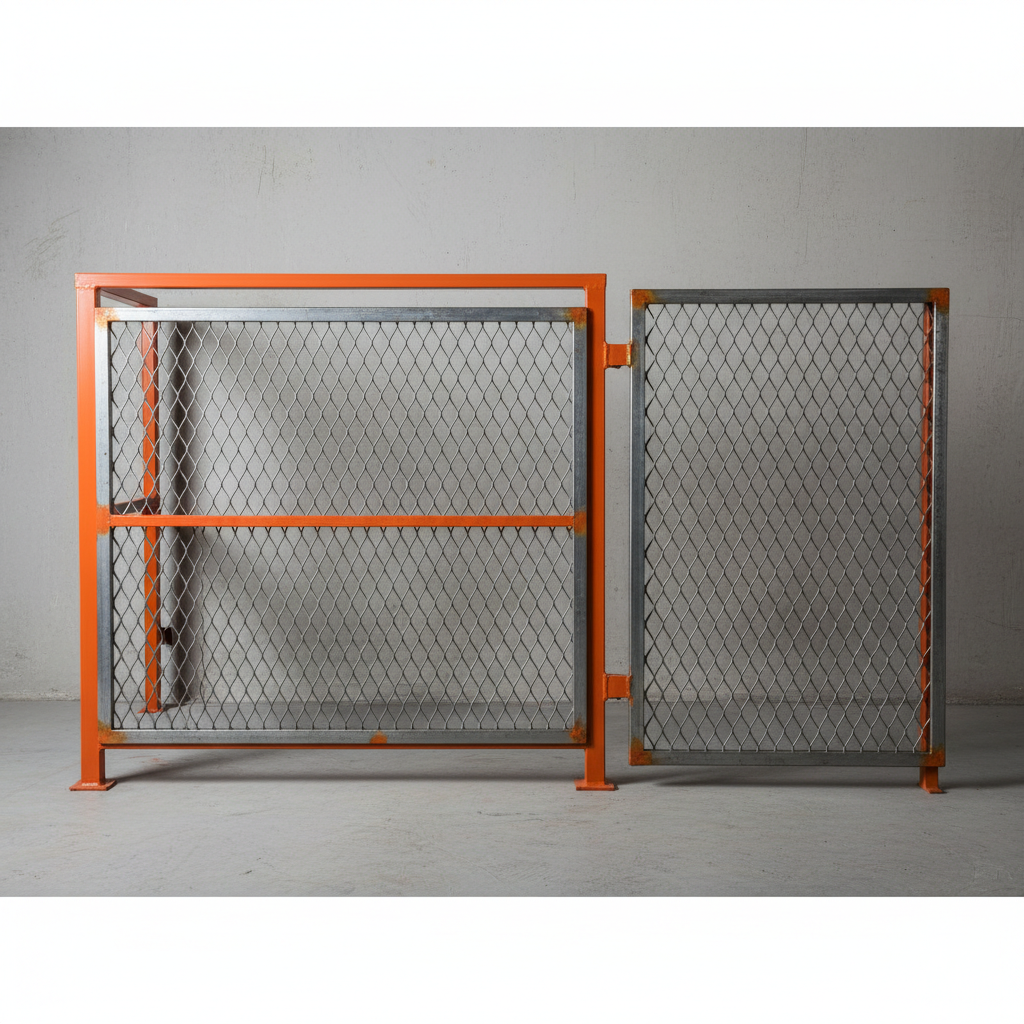
Simply put, a black steel fence is a fencing system made primarily from raw steel finished with a black coating, typically powder coating or paint, which protects against corrosion while enhancing aesthetics. Unlike galvanized or stainless steel fences, black steel fences boast a sleek, industrial look favored for both function and form.
In modern industry and humanitarian settings, they serve as physical barriers to safeguard sites, control access points, and ensure privacy. More than traditional fences, black steel fencing often meets rigorous standards for structural integrity, making it ideal for demanding environments.
Steel itself is renowned for strength, but black steel fences receive an added layer of protection—the black coating—guarding against rust, UV damage, and wear. This ensures longevity even in harsh climates, from humid tropical zones to arid desert areas.
While steel might sound pricey upfront, black steel fences are quite economical when factoring in lifespan and low maintenance. Many property managers and NGOs prefer these fences because they avoid expensive repetitive repairs.
Most black steel fence systems come in modular panels, allowing quick expansion or reconfiguration—a boon for industrial sites or camps that evolve over time.
The robustness of steel combined with design options (e.g., pointed tops, height variations) means these fences offer a reliable deterrent against intrusions.
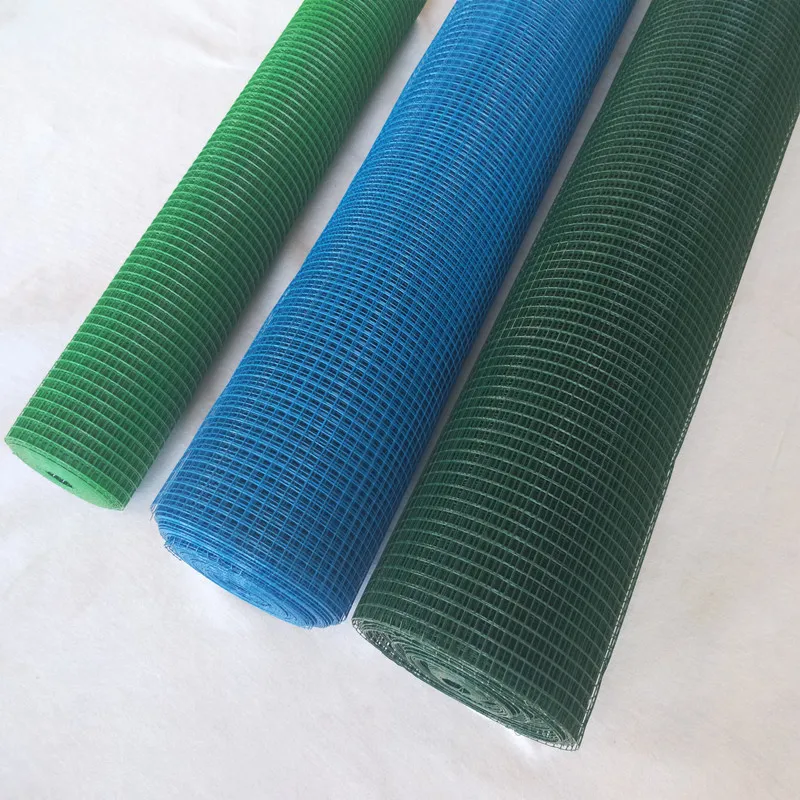
With powder-coated finishes available in matte or gloss black, fences offer a sleek, modern look, blending easily with various landscapes.
Globally, black steel fences span many use cases:
For example, during the 2020 Typhoon season relief in the Philippines, quick-deploy black steel fencing not only secured food distribution points but also helped organize temporary shelters efficiently.
Choosing a black steel fence means embracing:
| Specification | Detail |
|---|---|
| Material | Mild Steel, Powder-Coated Black |
| Panel Height | 1.2m to 2.4m (customizable) |
| Panel Width | 2.5m Standard |
| Coating Durability | Corrosion resistant for 10+ years |
| Security Features | Spike tops, welded mesh options |
| Installation | Bolt-on modular system for quick assembly |
In the near future, black steel fences are expected to ride the wave of technology integration. Think smart sensors embedded into fence posts that detect movement, tension, or breaches—transforming fences from static barriers into proactive security systems. Additionally, eco-friendly powder coating formulations continue evolving, reducing VOC emissions and increasing lifespan.
Green energy projects also favor steel fences because they can be sourced sustainably and recycled easily after infrastructure upgrades. Automated manufacturing and modular designs further speed up installation and reduce costs.
Of course, nothing's perfect. Black steel fences, despite their strengths, can face challenges like surface scratches compromising corrosion resistance, or theft risks due to scrap steel value. However, experts recommend:
Granted, some solutions add upfront costs, but they often pay back over years—and in peace of mind.
| Vendor | Price Range | Customization | Lead Time | Warranty |
|---|---|---|---|---|
| Steelfence Co. | $$$ | High (custom heights & finishes) | 4-6 weeks | 10 years |
| SecureFence Ltd. | $$ | Moderate (standard options) | 3 weeks | 7 years |
| Global Steel Works | $ | Low (catalog options only) | 2-3 weeks | 5 years |
A: With proper installation and maintenance, black steel fences can last over 10 years. The powder coating keeps corrosion at bay, but regular inspections for scratches or damage help extend life even further.
A: Absolutely. Modular panel designs and customizable post heights mean black steel fences adapt well to slopes and irregular surfaces, ensuring stable installation in varied landscapes.
A: Steel is 100% recyclable, and modern coating techniques minimize environmental impact during manufacturing and maintenance. Plus, its longevity reduces waste compared to cheaper alternatives.
A: Installation can be quite fast. Many systems use bolt-on panels designed for rapid deployment, making them suitable for urgent site security needs within days.
A: Yes. Features like spike tops, welded mesh inserts, and integrated sensor systems can be added based on security requirements.
In the end, black steel fences don’t just block off space—they build trust, protect assets, and offer peace of mind in a fast-changing, often unpredictable world. Their adaptability across industries, scalability, and sustainable edge mean they’re not just a fence but a long-term solution.
If you’re exploring options for your next project, check out the comprehensive lineup at black steel fence specialists. It’s where innovation meets practicality.
RELATED PRODUCTS





Top