Sliding chain link fence systems might not always steal the spotlight, but they quietly serve as vital boundary and security tools worldwide. From logistics hubs to sports arenas, and from construction sites to humanitarian camps, these fences form a first line of defense and access control. They matter globally because they efficiently solve spatial challenges—allowing for secure, adjustable barriers that slide open and closed rather than swinging in or out. Knowing their advantages helps industries, urban planners, and even disaster response teams implement better security and operational flow while keeping costs in check.
The global fencing market is projected to exceed $11 billion by 2027, with chain link fences accounting for a significant portion due to affordability and adaptability [1]. The sliding chain link fence—distinct for its rolling gate design—has become crucial in areas where space is limited and rapid access is needed. Think crowded urban industrial zones or large refugee settlement perimeters. According to ISO standards (ISO 9001 on quality management), the demand for reliable and standardized fencing solutions that fit fast-growing industries is clear.
Yet, there are challenges—traditional gates often require ample swing space and lengthy opening times. Sliding options address those by minimizing the footprint and offering swifter operation, which is essential for high-traffic or security-sensitive sites.
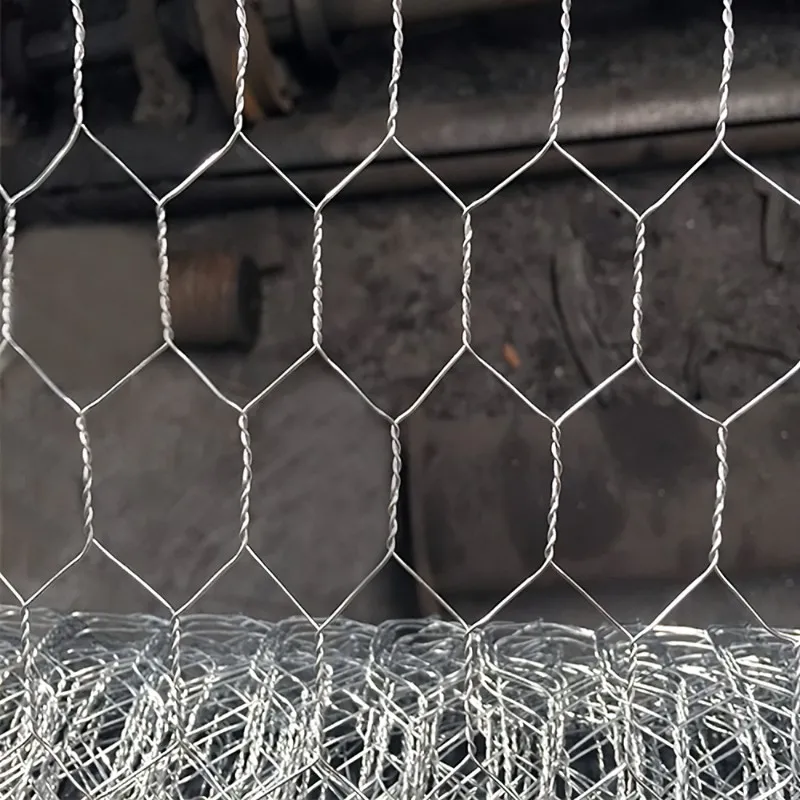
Simply put, a sliding chain link fence is a fence with an integrated sliding gate made from interlocked steel wire mesh, mounted on a rolling system. This sliding feature allows the gate to move horizontally along a track rather than swinging out like typical gates. It’s the kind of setup you might notice at a warehouse entrance or a school playground but scaled with industrial-grade metal components.
Its practicality links closely to modern needs—modularity for fast installation, durability for outdoor exposure, and ease of maintenance. In humanitarian contexts, such as refugee camps, sliding chain link fences create controlled but flexible boundaries—a delicate balance that shelters security with dignity.
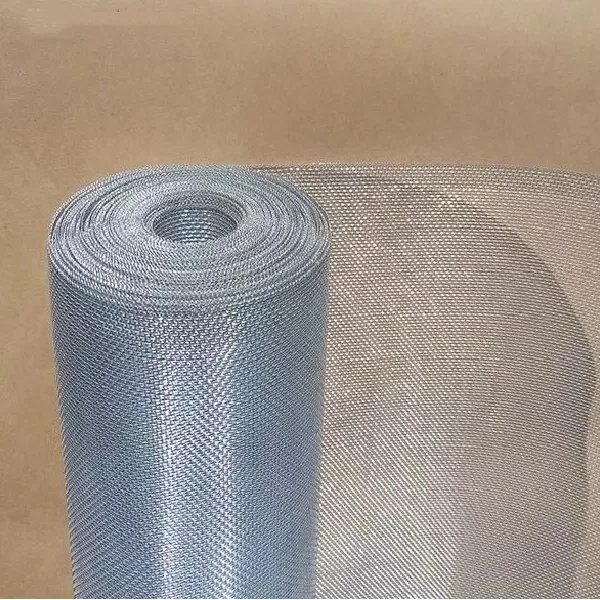
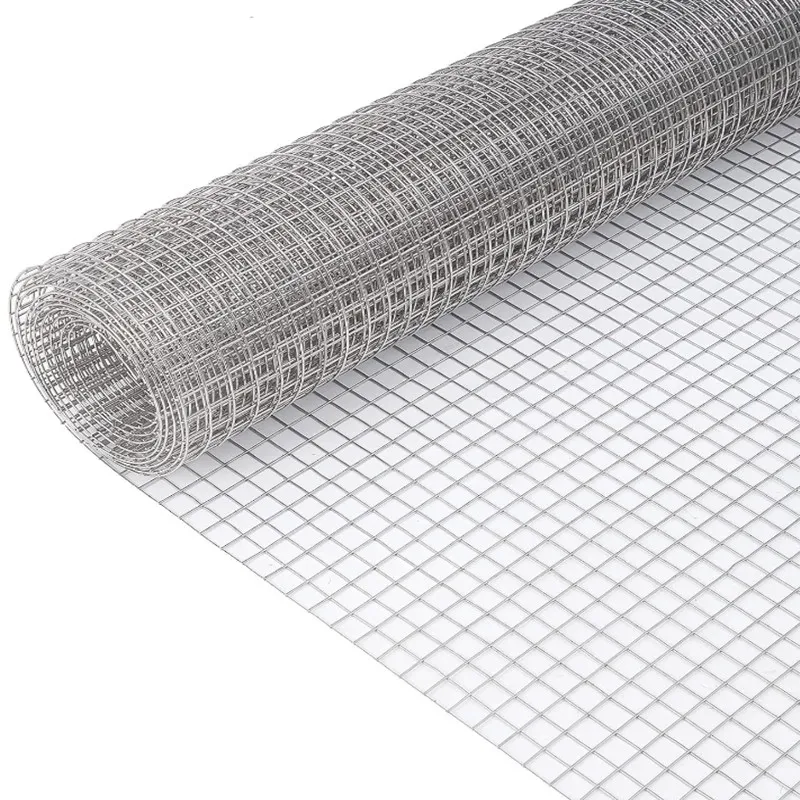
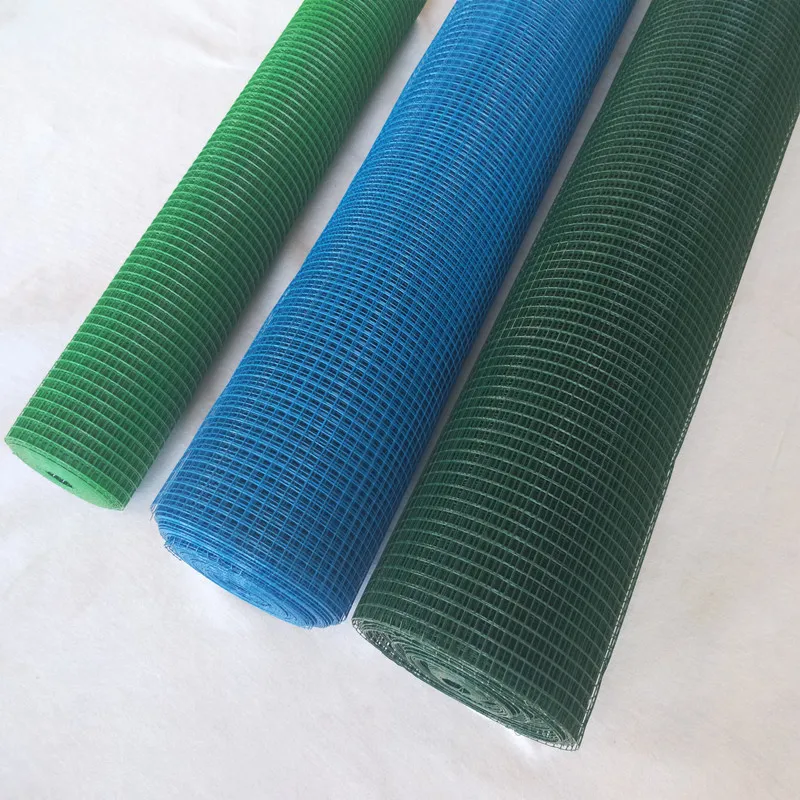
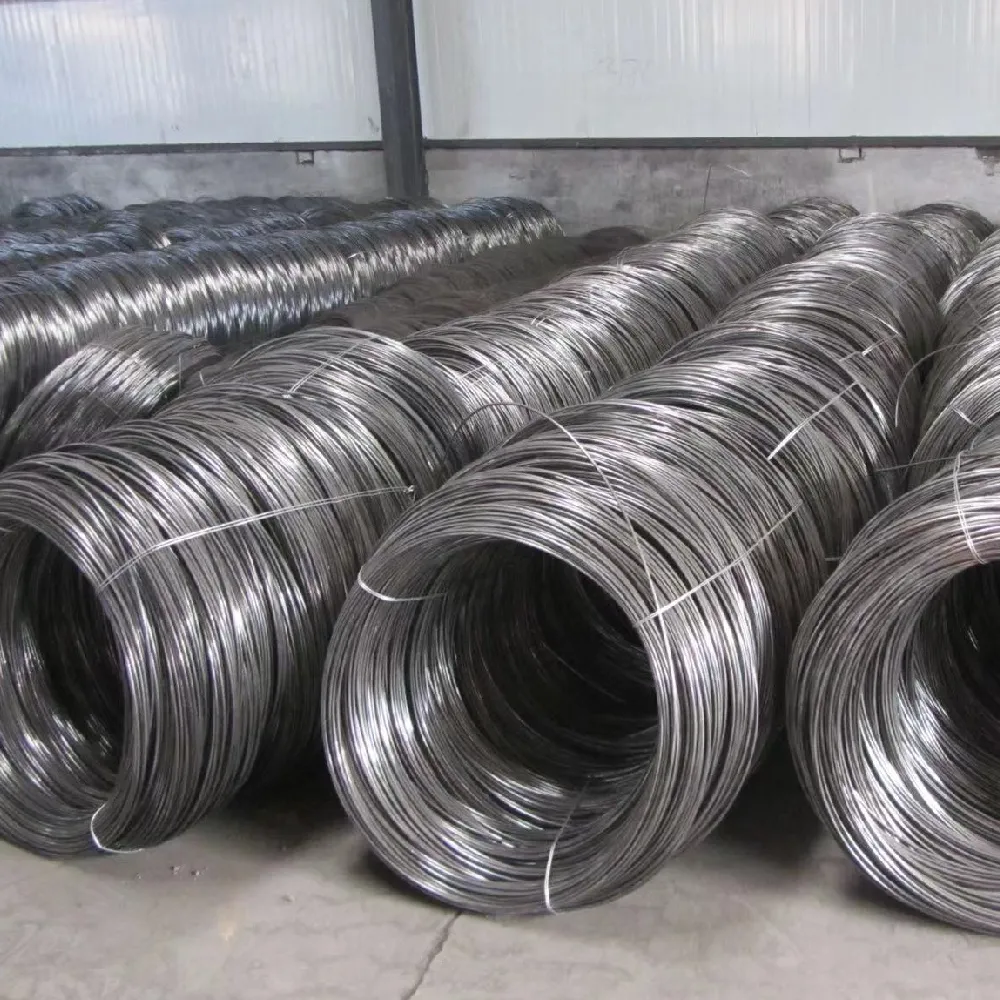
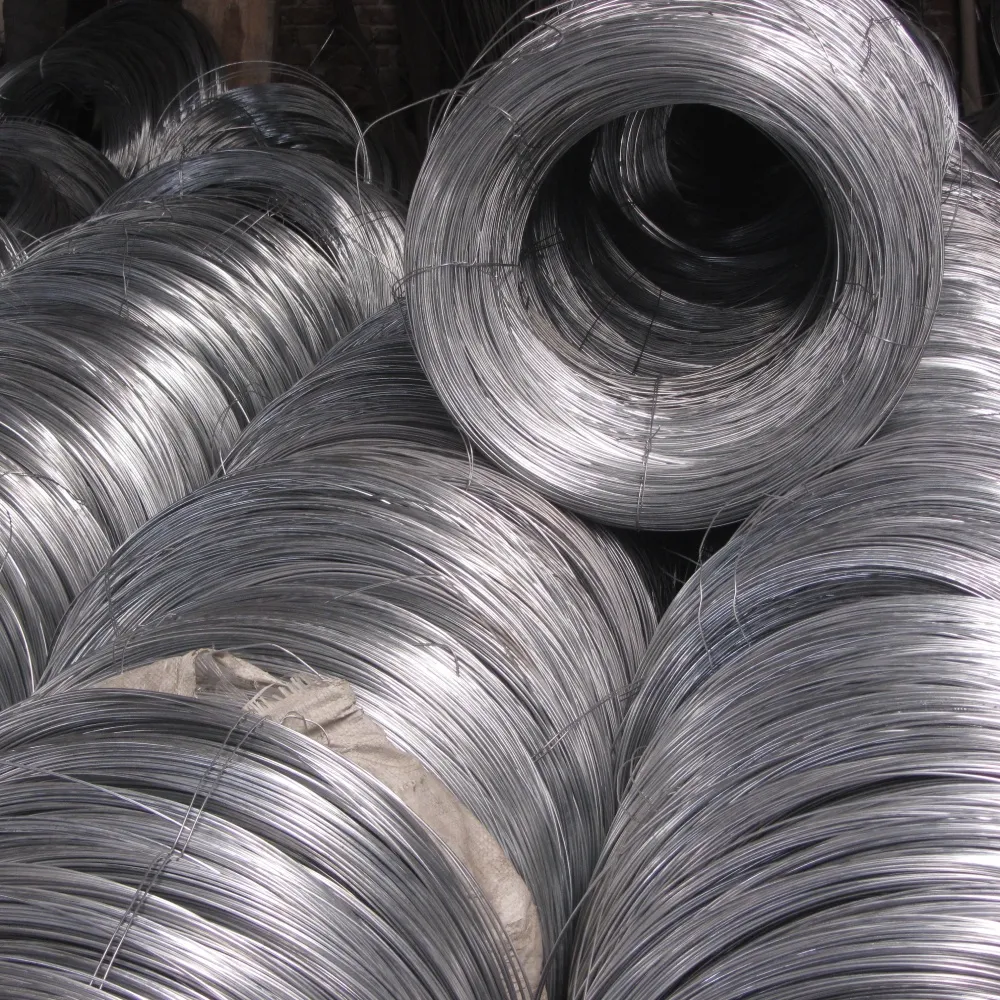
Most sliding fences use galvanized steel wire, often coated with vinyl or powder paint for corrosion resistance. This ensures they withstand harsh weather and vandalism attempts. In coastal regions, where salt can wreak havoc, these coatings really prove their worth.
The sliding mechanism—rollers, tracks, and wheels—is critical. A good system ensures smooth, quiet movement using stainless steel or nylon components, which lower maintenance and avoid the frustration of stuck gates.
Sliding fences come in varying heights from 4 feet for residential zones up to 12 feet-plus for secure facilities. Their modular design allows sections to be added or removed without overhauling the entire perimeter, making them scalable for expanding projects.
Quick installation is a big plus. Many vendors provide prefabricated kits that can be assembled onsite in hours, not days. Proper foundation work for the track and rolling mechanisms ensures long-term reliability with minimal upkeep.
Optional add-ons like lock boxes, anti-climb spikes, or integrated sensors enable sliding chain fences to match tight security protocols in industrial or governmental sites.
Compared to swinging gates, sliding chain fences reduce land use and installation complexity, lowering long-term expenses. Plus, their longevity means fewer replacements—and that’s where smart budgeting shines.
Mini Takeaway: Durability, smooth operation, and scalability are the heartbeats of a quality sliding chain link fence, directly affecting real-world function and cost-effectiveness.
Sliding chain link fences appear everywhere—from busy manufacturing zones in Southeast Asia to post-disaster camps in Africa. In urban industrial corridors, their low footprint allows quick gating of large vehicle access points. In remote mining sites in South America, sliding gates keep equipment safe from unauthorized entry while managing rugged environmental factors.
Humanitarian organizations such as the UNHCR utilize sliding fences to define safe areas within relief camps, balancing security with ease of movement for residents. Sports facilities globally also adopt these fences for crowd control, especially in places where space is at a premium.
Regions like Europe or North America often incorporate sliding chain fences into expanding smart city infrastructure, integrating sensors to monitor breaches or automating gates for smoother traffic flows.
| Feature | Specification |
|---|---|
| Material | Galvanized steel wire, vinyl-coated |
| Height Options | 4 ft, 6 ft, 8 ft, 10 ft, 12 ft+ |
| Gate Type | Single or double sliding leaf |
| Rolling Mechanism | Steel rollers with nylon wheels |
| Opening Speed | Manual: |
| Security Accessories | Lock boxes, anti-climb spikes, sensor mounts |
Logic dictates that sliding chain link fences save space—but they also offer long-term value by being easy to maintain and adapt. Environmental resistance means they avoid costly weather damage. Emotionally, they foster peace of mind. Facility managers often tell me they like the visual openness of chain link mesh—it doesn’t feel oppressive—a trusted “see-through” guard—while still protecting assets and people.
Sustainability isn’t just about materials. Since sliding bases reduce wear on hinges, replacements and repairs happen less frequently, reducing waste. Compared to concrete walls or massive metal security barriers, sliding chain link fences represent an eco-smarter choice that fits evolving urban zones.
| Vendor | Materials Used | Customization Options | Price Range | Delivery Times |
|---|---|---|---|---|
| FenceCorp Pro | Vinyl-coated galvanized steel | Full height, color, security add-ons | $$$ | 3–5 weeks |
| Secure Slide Systems | Galvanized steel, powder-coated | Motorized gates, sensor integration | $$$ | 4–6 weeks |
| EconoFence Direct | Galvanized basic steel | Standard heights & widths | $ | 1–2 weeks |
The future looks promising as technology trends apply to these fences. IoT sensors embedded in sliding gates can offer real-time breach alerts or automated locking systems tied to security panels. Solar-powered motors reduce reliance on grid electricity, offering greener uptime especially in remote sites.
Material science is also evolving with lightweight composites attempting to compete with steel—offering strength without weight, which will simplify installation and transportation.
Despite their strengths, sliding chain link fences face issues like track misalignment, which can cause jamming. Experts advise regular track cleaning and precise foundation work. Additionally, accessibility in snow-prone regions requires protective sweepers or heated tracks—a clever but often overlooked detail.
There’s also the trade-off between openness (visibility) and privacy/security; some clients opt to layer screen fabrics or anti-climb meshes. Balancing these concerns with cost is part art, part science.
The sliding chain link fence transcends being a simple metal barrier. It’s the unsung hero of efficient, secure, and space-saving perimeter control worldwide. Its adaptability across industry, humanitarian, and urban applications shows why understanding this system’s nuances is valuable. Whether for a small factory gate or a sprawling relief camp’s boundary, sliding chain fences combine practicality with lasting value.
Ready to explore more or get a custom fencing solution? Visit our website and discover how sliding chain link fence systems can meet your needs.
Mini takeaway: Sliding chain link fences remain a smart investment for secure, flexible, and durable perimeter solutions that evolve with your project’s needs.
References:
RELATED PRODUCTS





Top