Few fencing solutions offer the versatility, durability, and cost-effectiveness quite like the outdoor chain link fence. From bustling urban sites in Europe to remote industrial zones in Asia, this unassuming mesh barrier guards property, ensures safety, and fosters community boundaries. Oddly enough, despite its simple design, the chain link fence carries significant weight in global infrastructure, humanitarian efforts, and even environmental management. Knowing how and why it remains a top choice unlocks better decisions for planners, property owners, NGOs, and industrial operators worldwide.
In real terms, the outdoor chain link fence is a practical barrier that balances affordability with security, adaptability, and maintenance ease. These qualities matter more than ever as rapid urbanization, industrial expansion, and disaster recovery demand fencing solutions that can be deployed fast and last long — often under harsh conditions.
Worldwide, billions of dollars flow annually into fencing markets, and chain link fencing surprisingly constitutes a major spike. According to ISO standards and recent market insights, the fencing industry growth correlates strongly with urban security demands and industrial site expansions.
For instance, the United Nations reports an ongoing need for rapid deployment barriers in refugee camps and post-conflict zones, where traditional fencing is either too costly or slow to erect. Meanwhile, industrial zones in North America and Asia increasingly use chain link fencing coupled with smart technology for site monitoring — a combination only feasible if the fence itself is strong and flexible enough.
But here’s a real challenge: How to reconcile the need for affordable security fencing with sustainability? The outdoor chain link fence often stands at this crossroads because its galvanized steel composition is both recyclable and durable, reducing waste over time.
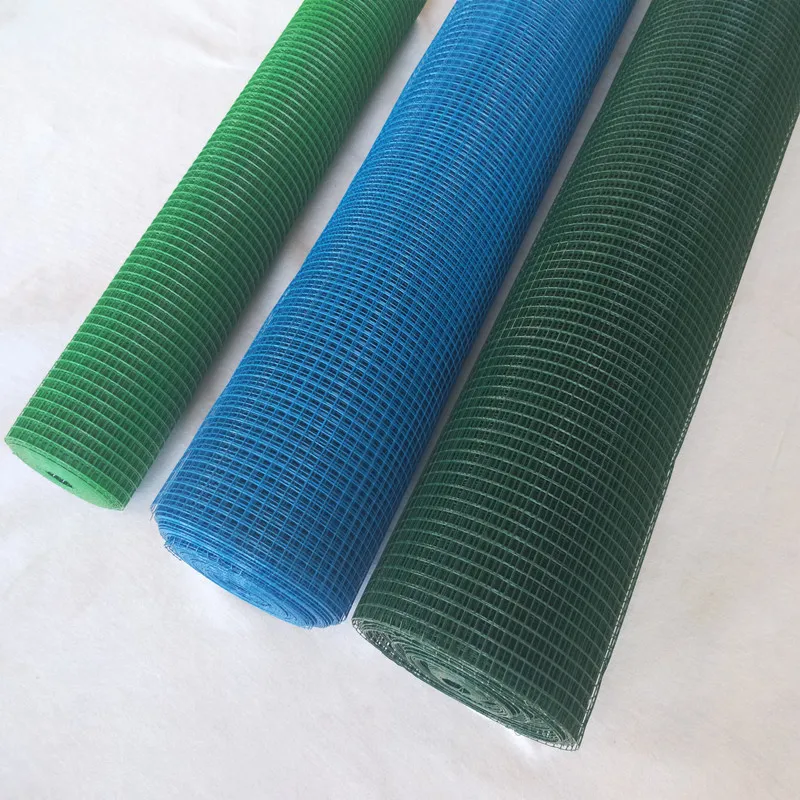
At its core, an outdoor chain link fence is a woven mesh structure formed from galvanized or coated steel wire. The pattern looks like a diamond lattice, which gives it flexibility and strength. It’s often mounted on posts—metal or sometimes concrete—and topped with accessories like barbed wire or privacy slats.
In simple terms, it functions as a physical boundary that’s open enough for visibility but closed enough to prevent trespassing or intrusion. Given its low cost, ease of installation, and resilience, it’s a go-to in construction sites, schools, airports, and even zoos.
Interestingly, modern humanitarian organizations rely on these fences in refugee and disaster relief camps to establish secure zones quickly — providing safety without the weight or permanence of concrete walls.
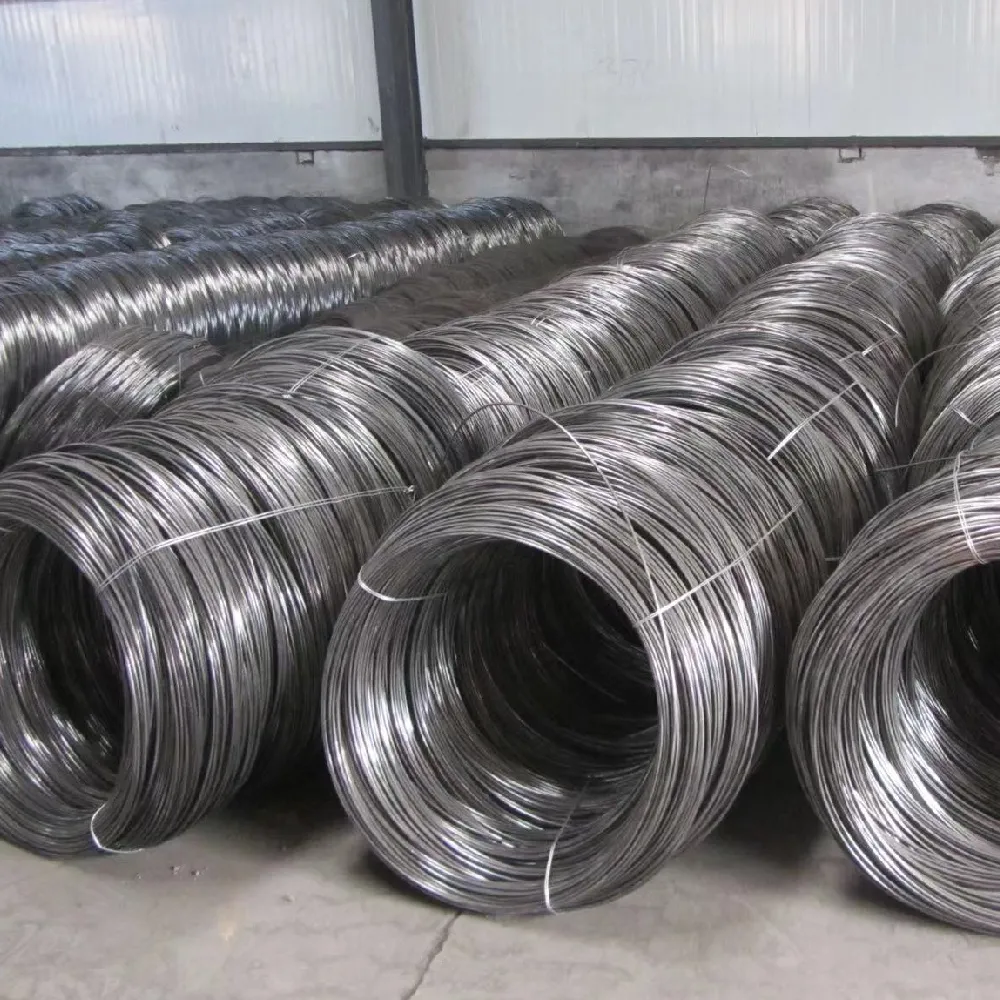
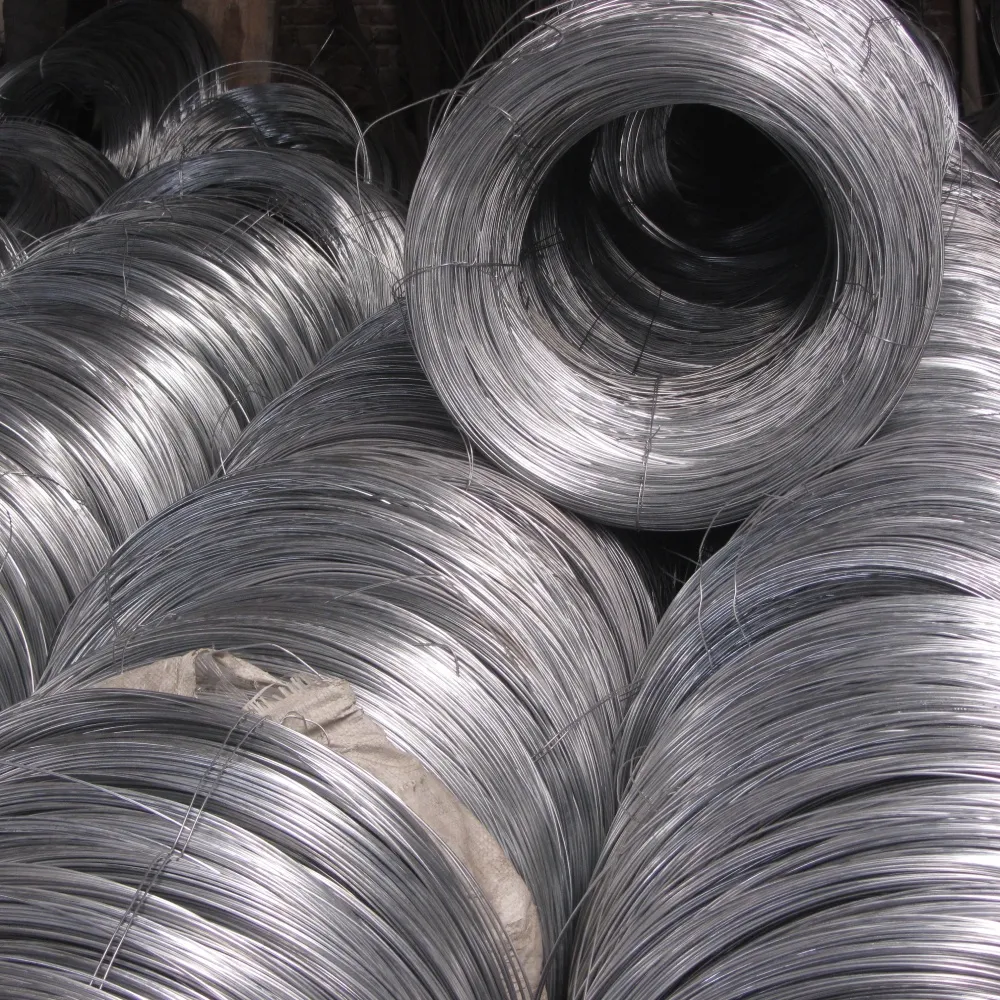
Forged from galvanized or vinyl-coated steel, these fences withstand harsh weather for decades—snow, rain, or scorching sun. The corrosion-resistant coating extends lifespan, often beyond 20 years, even in coastal zones.
Need a fence across 10 meters or 10 kilometers? Chain link’s modular setup means easy scaling — posts spaced evenly, galvanized wires rolled in manageable lengths, and installation teams can work in stages.
Compared to wrought iron or masonry walls, chain link materials and labor cost far less. This affordability is why municipal projects and NGOs gravitate toward it for fencing large areas without breaking budgets.
Unlike solid walls, it preserves sight lines, allowing security cameras or guards to monitor areas without obstruction. When necessary, it can be enhanced with barbed wire or sensors.
Unlike wood that rots or plastic that tears, chain link fences require minimal upkeep — just occasional inspections and cleaning.
Most steel wire in chain link fences is recyclable, making replacements and disposals less harmful to the environment than other fencing options.
| Specification | Typical Value | Notes |
|---|---|---|
| Wire Gauge | 9 to 11 gauge (approx. 3.0 to 2.5 mm diameter) | Thicker for high-security areas |
| Mesh Size | 50 mm (2 inch) diamond pattern | Standard size for balance of visibility and strength |
| Height | 1.2 m to 3 m (4 ft to 10 ft) | Custom heights for airports or sports fields |
| Coating | Galvanized zinc, vinyl PVC coating optional | PVC adds extra weather protection and color options |
| Post Material | Galvanized steel, sometimes concrete | Steel preferred for ease of installation |
| Installation Time | Roughly 2–5 days per 100 meters | Depends on terrain and workforce size |
In the United States and Europe, these fences are standard at schools and parks—low cost but reliable for child safety. In resource-challenged countries, NGOs use them in refugee settlements, marking safe zones against theft or cross-border dangers.
Take post-disaster scenarios, for example: After the 2015 Nepal earthquake, aid agencies quickly installed outdoor chain link fencing to protect medical tent areas and storage yards, minimizing theft and enhancing orderly relief operations.
In industrial contexts, Southeast Asia’s booming manufacturing sectors use chain link fences paired with CCTV intrusion detection. They’re the silent guardians of factories, often dotted with barbed wire or razor ribbon to up the ante.
If you want a detailed example, check out cases on outdoor chain link fence projects — they show how tailored fencing works across vastly different needs.
Tangibly speaking, the fences cost far less upfront and over time, thanks to low maintenance. But there’s more. They give communities a sense of safety and dignity — a protected playground for children, a secure border for humanitarian tents.
Enterprises reap benefits too: uninterrupted operations, reduced theft, and a flexible boundary that can be extended or modified without massive rebuilding. There's something reassuring about that see-through security — a presence without imposing walls.
The industry is quietly buzzing about eco-friendly coatings, integrating solar-powered sensors within fence structures, and automation for ultra-rapid installation. Imagine fences that can self-monitor for damage or intrusion alerts sent to remote operators instantly.
Some innovative vendors are even testing recycled steel wires to cut carbon footprints further, aligning with global sustainability targets.
First, chain link fencing can feel aesthetically harsh or industrial—some communities don’t like the “prison yard” vibe. Solutions include vinyl coatings in earth tones or adding privacy slats.
Installation in uneven terrain can be vexing. Skilled crews with modular components and adjustable posts are essential. Training local teams accelerates deployment and cuts costs.
Lastly, corrosion in marine environments requires extra attention: zinc-aluminum coatings or PVC options can extend fence life — engineers and designers often recommend these upgrades upfront.
| Vendor | Product Range | Customization | Sustainability Focus | Lead Time |
|---|---|---|---|---|
| Tike Metal Solutions | Standard & Heavy Duty Panels | Color coatings, sizes, sensor integrations | Recycled steel, eco-friendly coatings | 3-5 weeks |
| Global Fence Corp | Wide range incl. Specialized Security | Limited color options | Standard galvanizing | 4-6 weeks |
| EcoShield Fencing | Eco Coated Mesh & Posts | Sizes & earth tone colors | High – recycled & low VOC | 5-7 weeks |
The outdoor chain link fence might seem deceptively simple, but it’s a compelling combination of cost, adaptability, and long-lasting performance. Communities feel safer, industries run smoother, and aid agencies can build boundaries that serve both function and dignity.
If you’re thinking about a solution that balances security, budget, and environmental concerns, chain link fences deserve a serious look. For detailed offerings and project consultations, don’t hesitate to visit our website where you’ll find more tailored info and expert guidance.
RELATED PRODUCTS





Top