Ever noticed those sturdy metal fences lining driveways, industrial lots, or even large private properties? That’s often a driveway chain fence — simple in concept yet vital in function. Around the globe, these fences provide more than just boundaries; they safeguard belongings, enhance privacy, and create controlled access points. Given increasing security concerns and rapid urban development, understanding driveway chain fences can help homeowners, businesses, and industries alike make smarter investments.
Globally, millions of miles of perimeter fencing are installed each year, driven by a mix of regulatory requirements, safety protocols, and aesthetic preferences. According to the International Organization for Standardization (ISO), fencing materials and installation practices continue evolving to meet diverse climatic and security needs. In a nutshell, without the right fencing, property owners often risk theft, vandalism, or liability issues — challenges that a well-chosen driveway chain fence can effectively reduce.
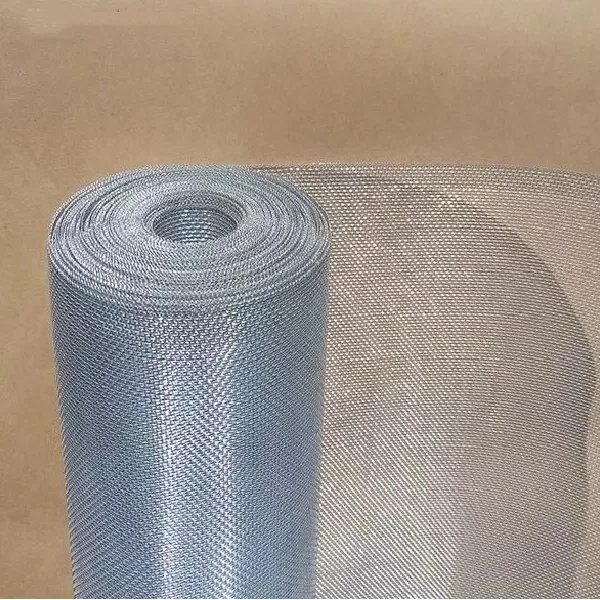
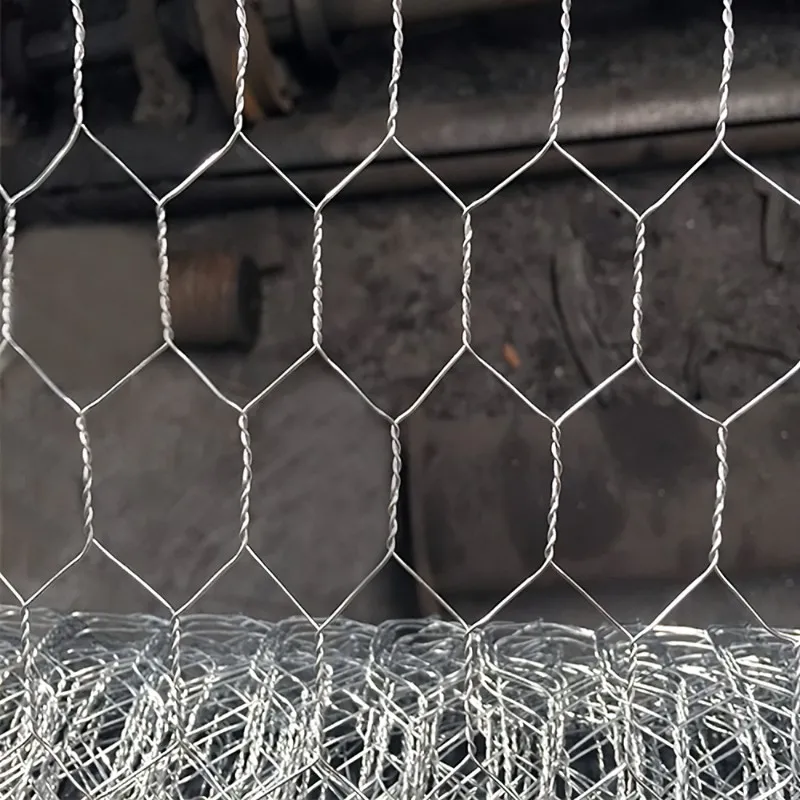
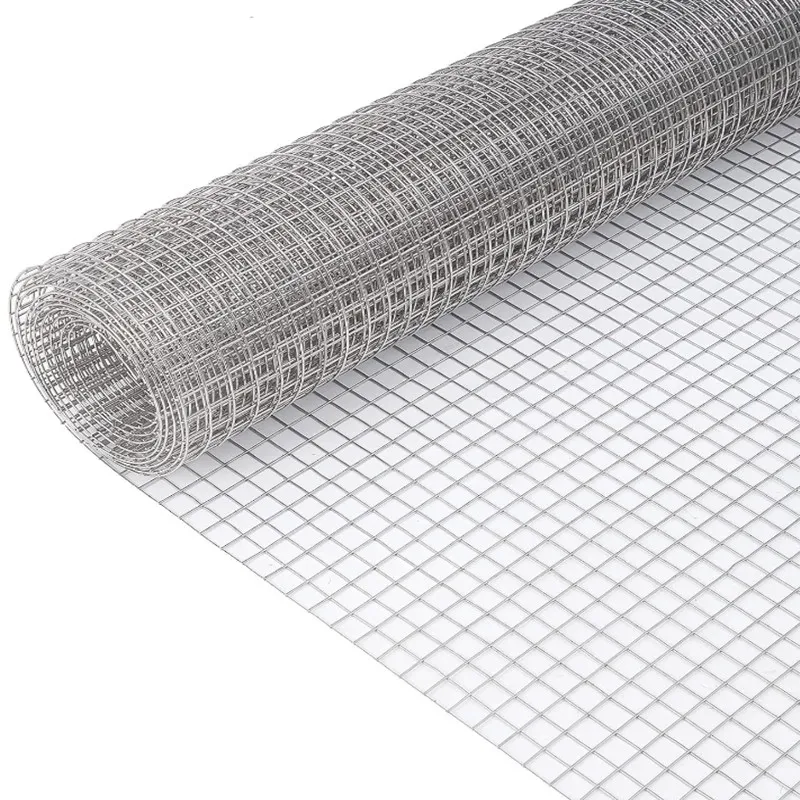
Put simply, a driveway chain fence refers to fencing systems made from durable chain link materials installed typically along driveways or property perimeters. This type of fence offers a see-through yet tough barrier, combining metal chain mesh with sturdy posts and gates to regulate access.
These fences are prevalent not just in residential settings but also critical in industrial sites, farms, and humanitarian contexts. For instance, in remote relief camps, chain fences help define secure zones quickly, controlling movement without heavy infrastructure. It’s a classic example of a straightforward industrial solution tailored to modern needs — from keeping pets in to protecting high-value assets.
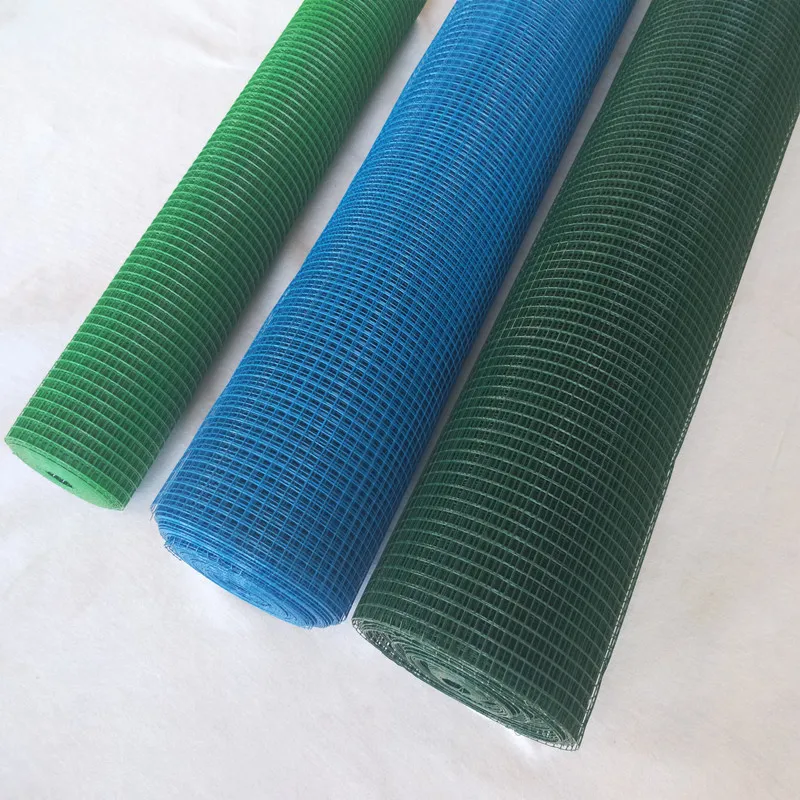
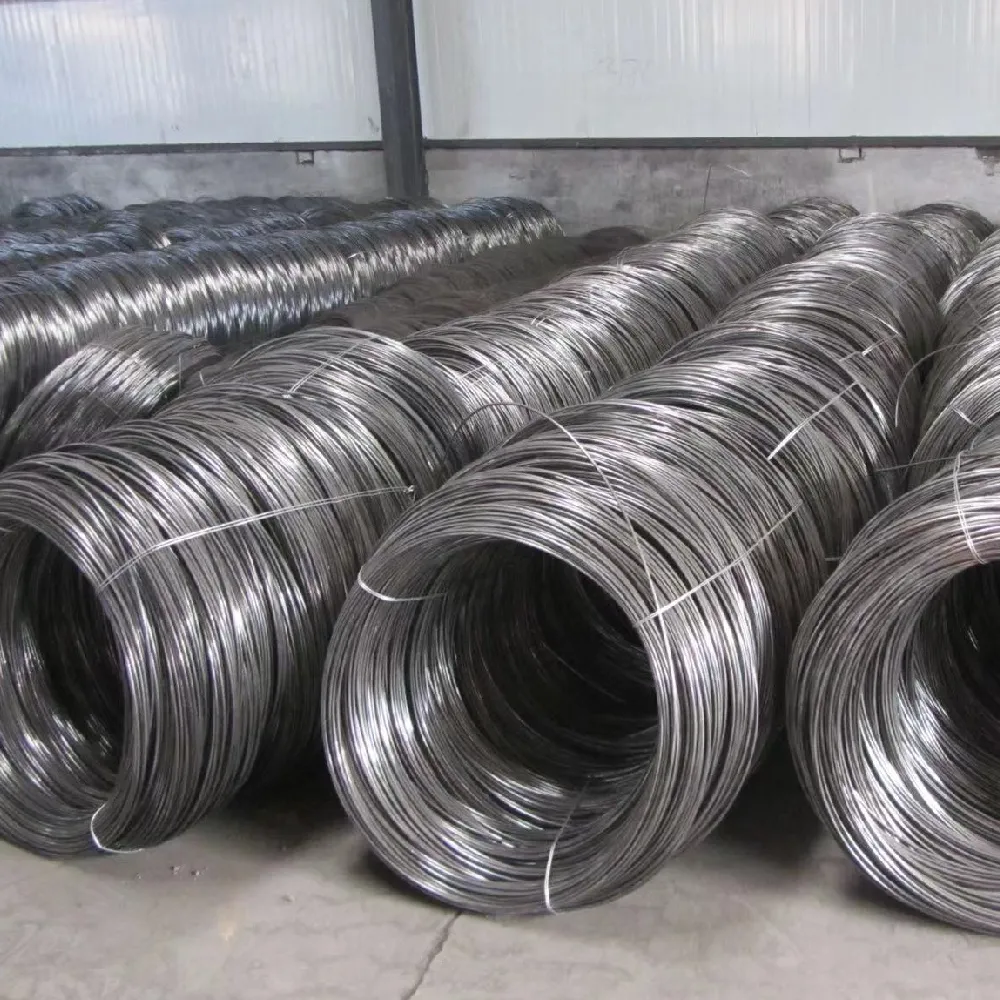
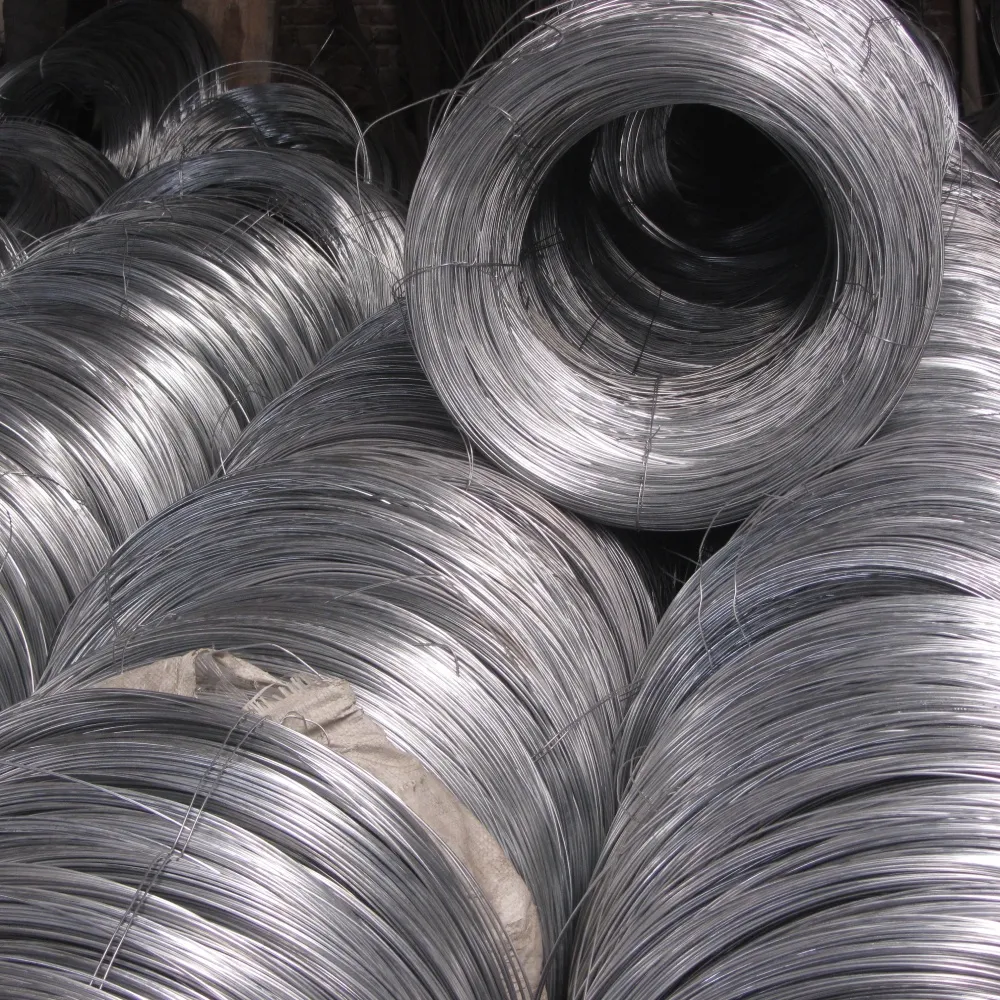
Chain link fences typically use galvanized or PVC-coated steel wire. This coating defends against rust, making these fences last decades even in humid or salty environments. Many engineers swear by zinc galvanization standards (such as ISO 1461) to ensure long-lasting protection.
The beauty is in modularity. You can scale a driveway chain fence to fit tight suburban homes or sprawling industrial parks. Panels, mesh sizes, colors, and post types can be customized for aesthetic or practical reasons.
Compared to solid fences like wood or brick, chain link is surprisingly budget-friendly, both in materials and installation time. This makes it a favorite when cost control is critical without compromising security.
Options range from standard chain mesh (usually 9 or 11 gauge wire) to heavy-duty versions with thicker wires or added barbed wire toppings. Combined with lockable gates, they create effective barriers against intruders.
Low upkeep is a hallmark. Occasional cleaning and checks for sagging or damage keep them functional and attractive for years.
Since steel is recyclable, many driveway chain fences are environmentally friendlier than synthetic or painted wood options. Plus, open weave structure allows wildlife visibility and air flow.
| Specification | Standard Model | Heavy Duty Model | PVC Coated Model |
|---|---|---|---|
| Wire Gauge | 11 Gauge (2.9 mm) | 9 Gauge (3.6 mm) | 11 Gauge (2.9 mm) |
| Mesh Size | 2"x2" | 2"x2" | 2"x2" |
| Height Range | 4 ft – 6 ft | 6 ft – 8 ft | 4 ft – 6 ft |
| Coating | Galvanized Steel | Galvanized Steel + Barbed Wire Option | PVC (Green or Black) |
| Expected Lifespan | 15-20 years | 20-25 years | 15-20 years |
| Typical Application | Residential & Light Commercial | Industrial & Security Zones | Residential & Park Areas |
Driveway chain fences pop up everywhere – from North American suburbs to Australian farmlands, European industrial parks, and African relief zones. Their widespread usage links back to their adaptability.
Oddly enough, many organizations like the United Nations Office for Project Services (UNOPS) recommend chain link fences as cost-effective, low-maintenance security perimeters for camps and offices in unstable zones (1).
What makes a driveway chain fence stick around in people’s budgets and plans? First, straightforward economics: relatively low installation and upkeep costs make them accessible. But beyond dollars, they send a message of safety and care — a simple boundary that respects privacy and provides peace of mind.
Environmentally, steel fences provide a recyclable alternative to plastic or chemically treated wood. Socially, they create safe spaces to enjoy — be it a backyard barbecue or an industrial yard bustling with vehicles.
From a user’s point of view, the logic blends with emotion. I’ve chatted with property managers who said, "It feels good knowing the fence isn’t just a barrier—it’s a trusted guardian." And frankly, in today’s uncertain times, that kind of trust counts.
Innovation isn’t stopping at steel wire. New materials—like advanced coatings infused with anti-microbial or self-cleaning properties—seek to reduce maintenance further. Solar-powered lighting integrated with fence posts is another trend, adding safety without electrical grid hassles.
Automation is also finding its way here. Smart gates with remote control, integrated sensors, and surveillance cameras transform a driveway chain fence from a passive barrier to an active security system.
On the sustainability front, some manufacturers now use recycled steel in production, aligning fencing solutions with broader green building certifications (2).
Of course, no product is perfect. One challenge is vulnerability to rust in extreme environments, especially coastal zones. Installing PVC coatings or stainless steel alloys offers a practical fix.
Another issue: visual openness. Not everyone wants a fence you can see through, so combining chain link fences with slats or vegetation barriers helps enhance privacy without losing airflow.
Finally, installation errors can cause sagging or weak points. Professional installation and regular inspection remain essential for long-term durability.
| Vendor | Product Range | Price Range (per linear foot) | Warranty | Installation Services |
|---|---|---|---|---|
| Tike Metal Tech | Standard, Heavy Duty & PVC Model | $15 - $25 | 15 years | Available |
| Global Fence Works | Heavy Duty & Security Focused | $20 - $35 | 20 years | Limited |
| EcoGuard Fence Co. | Recycled Steel & PVC Coated | $18 - $30 | 10 years | Available |
A: Depending on materials and climate, most galvanized chain link fences last 15-20 years. Heavy-duty or PVC-coated versions can stretch to 25 years or more with basic maintenance.
A: While DIY is possible for small projects, professional installation is recommended for large or heavy-duty fences to ensure proper tension and structural stability.
A: Yes. Steel is recyclable, and many manufacturers use recycled materials. Additionally, the open mesh design reduces impact on airflow and wildlife compared to solid fences.
A: Adding barbed wire toppings, security gates, integrated lighting, or electronic access control systems can significantly enhance your fence’s security level.
A: With galvanized or PVC coatings, these fences withstand rain, snow, and even salty sea air. Regular inspections help spot potential damage before it becomes costly.
In real terms, a driveway chain fence isn’t just a boundary — it’s an investment into safety, privacy, and peace of mind. Its combination of affordability, durability, and flexibility makes it a go-to for millions worldwide. Whether protecting family homes, industrial zones, or temporary camps, it delivers reliable security without breaking the bank.
If you’re considering driveway chain fences for your next project, why not check out Tike Metal’s solutions for quality options and expert installation? Sometimes the obvious choice is the best one — sturdy, practical, and lasting.
RELATED PRODUCTS





Top