If you’ve ever walked around your neighborhood or visited a public park, you’ve likely seen chain link fencing – the ubiquitous mesh barrier that’s as practical as it is sturdy. Residential chain link fence, in particular, holds a unique place in modern construction, property management, and community safety worldwide. Its importance goes beyond simple boundaries; it’s about security, affordability, and adaptability in a world where spaces need containment without isolation.
Globally, with urban populations growing exponentially — the UN reports that 68% of the world population will live in urban areas by 2050 — property owners and municipalities crave fencing solutions that scale efficiently. Chain link fences, particularly for residential applications, offer a blend of durability and cost-effectiveness that other fencing types can struggle to match.
Let’s be honest: knowing a bit about residential chain link fences can make a surprising difference—especially if you want a boundary that’s reliable but doesn’t scream “keep out.” So, buckle up as we unravel what makes these fences tick, from materials to global impact.
The residential chain link fence market isn’t just a small niche; it’s woven into the urban growth fabric worldwide. According to data from the International Organization for Standardization (ISO) and trade bodies, demand for fencing materials is rising steadily, driven by urban expansion, security concerns, and budget constraints.
However, with rising Construction costs globally, the challenge is to keep fencing solutions affordable and sustainable. This is especially true in developing countries where rapid housing needs outpace infrastructure. At the same time, residential fences must withstand varying climates—from the humid tropics to freezing winters.
And let’s not forget: fencing isn’t just about keeping property safe. It also angles into social cohesion and urban planning, enabling controlled access and protecting children and pets. Residential chain link fences answer many of these challenges in surprisingly elegant ways.
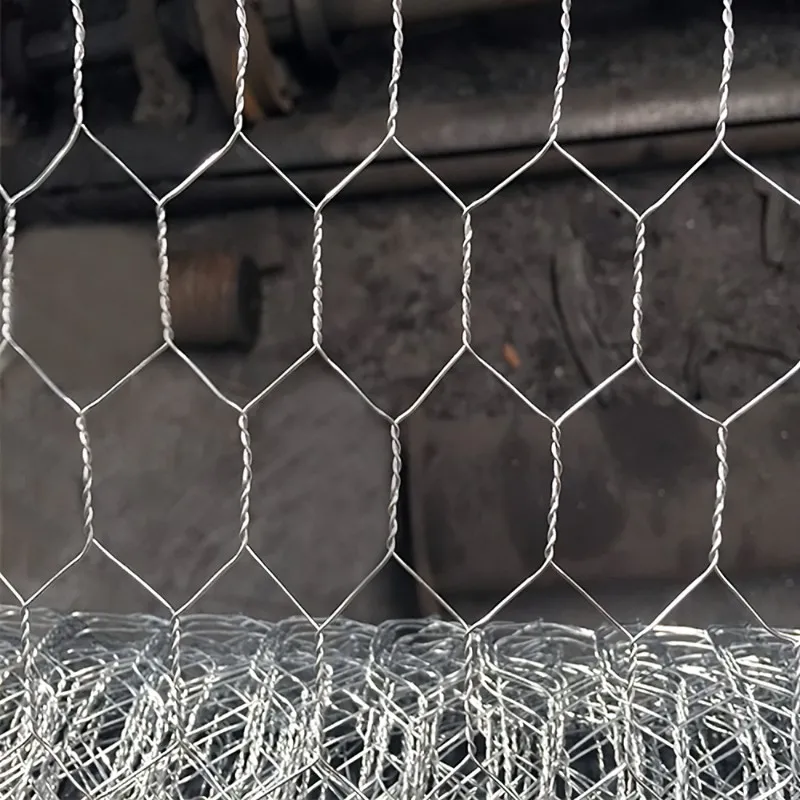
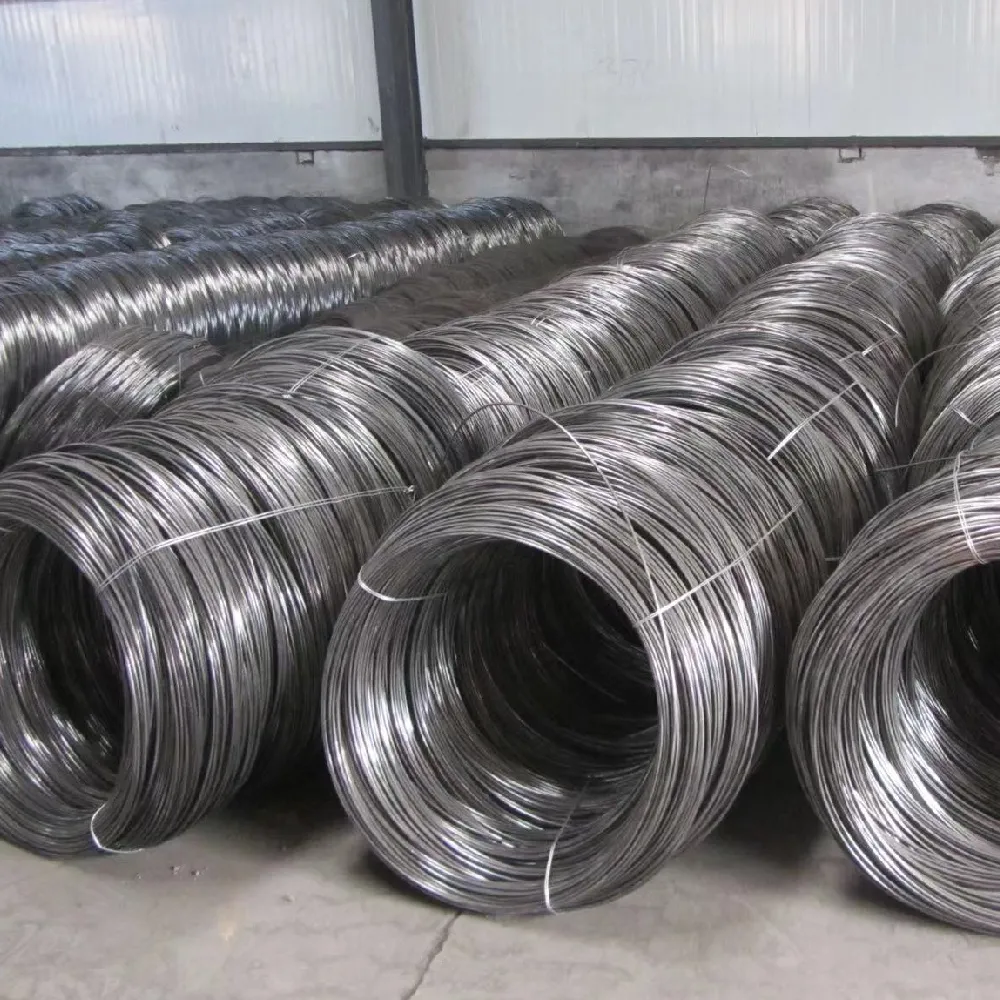
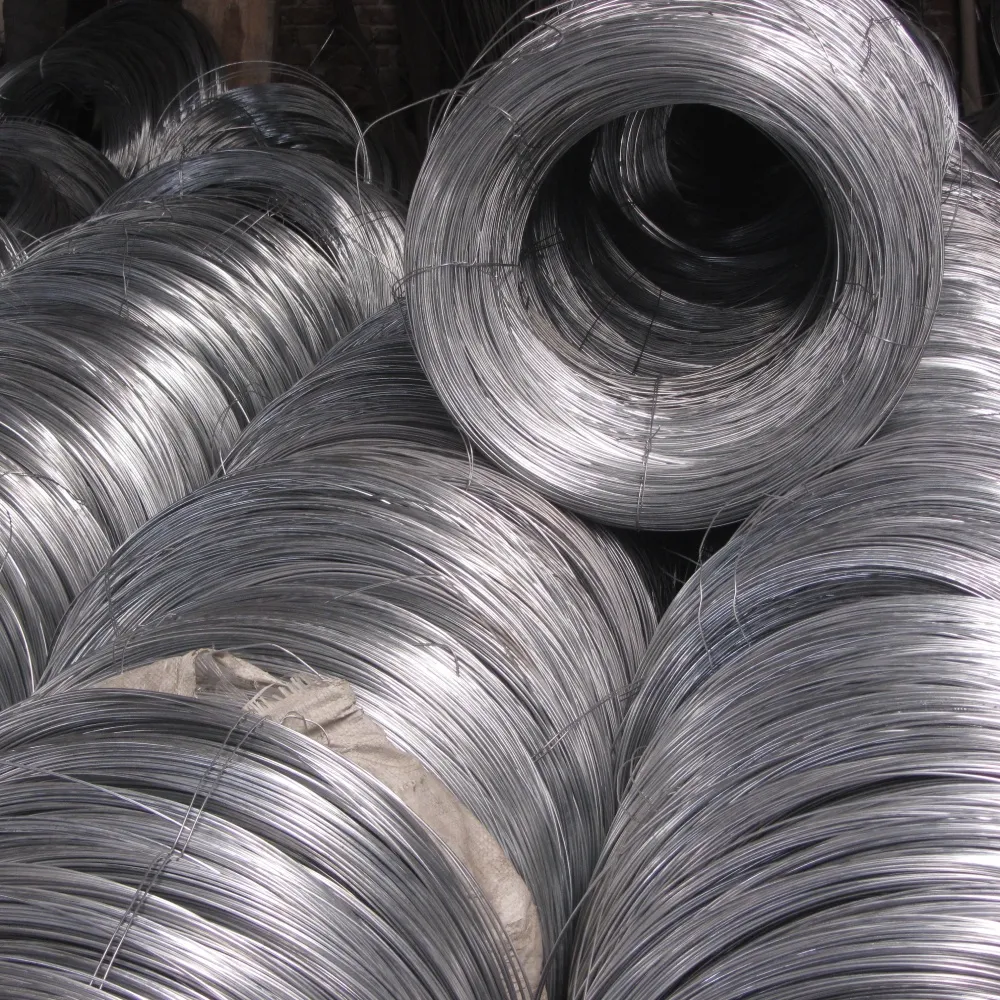
Put simply, a residential chain link fence is a woven metallic mesh barrier, typically made from galvanized or vinyl-coated steel wire, installed around homes or private properties. It serves as both a boundary marker and a security measure.
Often confused with industrial or commercial chain link fences, the residential variant is tailored to neighborhood/home scale, focusing on aesthetics and moderate security rather than high-security demands like prisons or stadiums.
This fencing technique dates back to the 19th century, but modern manufacturing allows for lighter, rust-resistant, and customizable fencing that blends with residential landscapes.
One of the main advantages is that residential chain link fences are designed to endure the elements. Galvanized wire resists rust, and vinyl coatings provide extra protection—meaning they don’t just fade in a season or two. Many homeowners are surprised by how long these fences last, sometimes surpassing wooden or vinyl fencing, particularly in areas with harsh weather like frequent rain or snow.
Compared to wood, wrought iron, or decorative fences, chain link options are budget-friendly. Installation is typically faster and less labor-intensive, which makes upfront and maintenance costs more manageable. It’s this combination of price and longevity that keeps customers coming back.
Unlike solid fences, chain link fencing lets neighbors keep an eye on each other’s property without feeling boxed in. This promotes a sense of community security—a subtle but meaningful social advantage. Plus, it’s safe for pets and kids, maintaining openness while containing boundaries.
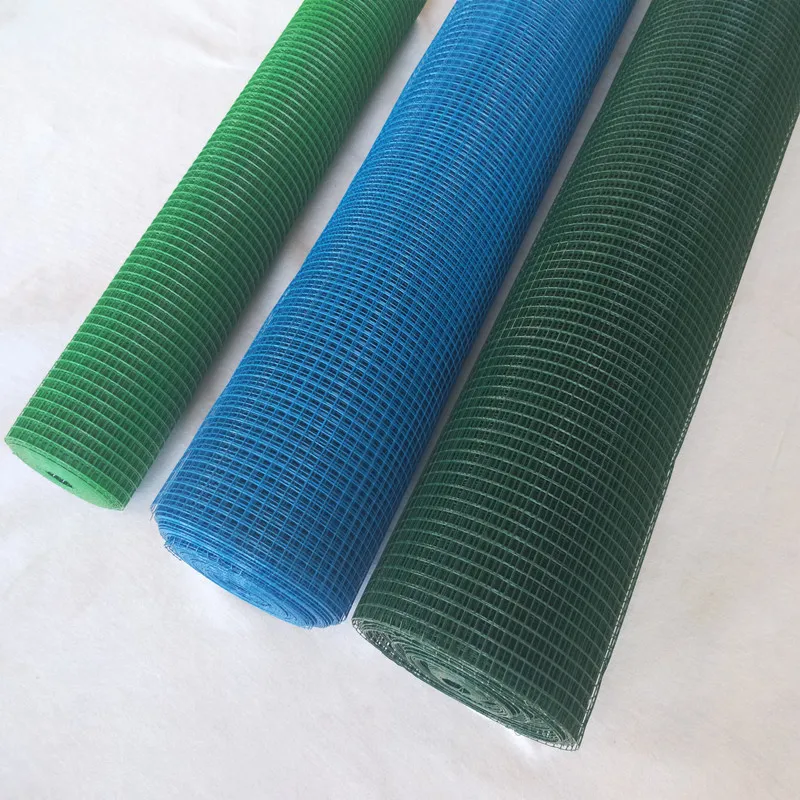
Today’s residential chain link fences come in options for height, color coatings (such as green or black vinyl), and gate accessories. This flexibility means it can adapt to various property sizes and design preferences, a neat touch for homeowners who want functionality without sacrificing appearance.
Run your hand over a properly installed chain link fence after a rainstorm and you won’t find much debris or flaking paint. Unlike wood, it doesn’t warp or decay and typically requires only occasional cleaning or inspection.
In sprawling cities like Tokyo or São Paulo, space is precious, and often the only solution for safe yard demarcation is chain link fencing. Similarly, in North America and Europe, the fences are commonly used in suburban neighborhoods, public school grounds, dog parks, and sports facilities.
Oddly enough, in crisis zones post-natural disasters, such fences serve to delineate temporary housing perimeters or secure humanitarian compound zones—providing quick, reliable boundary solutions when time is scarce.
Industrial sites and remote mining operations often use chain link fences due to their ease of repair and adaptability in rugged terrain, while still offering basic security and keeping wildlife out. So, whether it's a residential backyard in Ohio or a refugee camp in Jordan, residential chain link fences play surprisingly vital roles.
So, why do so many homeowners settle on chain link fencing? Beyond affordability and durability, there’s the peace of mind. Knowing your property is safeguarded without feeling boxed-in is a modern balance few fences deliver.
There’s a subtle dignity to choosing fencing that’s honest in material and purpose rather than ornamental excess. It’s practical innovation at its best—providing reliable boundaries that withstand weather, time, and occasional kicks from an overenthusiastic dog.
Manufacturers are increasingly integrating recycled materials and eco-resins to produce chain link wires, reducing environmental footprints. Some companies explore coatings derived from plant-based polymers instead of plastics. Digital leaps include RFID-tagged fencing posts for property monitoring and drone-enabled inspections—turning this humble fence into a semi-smart protector.
There’s even talk of solar-powered lighting attachments integrated into fence posts, enhancing security with minimal energy consumption—just imagine a backyard fence that practically manages itself.
Chain link fences occasionally get flak for their “industrial” look—some say they feel cold or less inviting. However, advances in coating colors and design patterns now offer more inviting aesthetics. Another challenge is potential vandalism or cutting, but heavier gauge wires and tamper-proof fittings raise security without huge costs.
Similarly, installing on uneven terrain can be tricky, but modular post designs and adjustable brackets allow easy adaptation to slopes and curves. So most limitations nowadays come with effective workarounds if you’re willing to invest a little more time or planning.
| Specification | Detail |
|---|---|
| Material | Galvanized Steel Wire (12-9 gauge) |
| Mesh Opening | 1–2 inch diamond pattern |
| Height Options | 3 ft, 4 ft, 5 ft, 6 ft (custom heights available) |
| Coating | Galvanized or Vinyl Coated (Green, Black) |
| Post Spacing | Typically 6 to 10 feet |
| Gate Options | Single, Double, Chain-operated |
| Feature | Tike Metal | FenceCo Ltd. | SecureChain Inc. |
|---|---|---|---|
| Pricing | Competitive and transparent | Mid-range prices | Premium |
| Customization | Extensive color & size options | Limited color choices | Wide but costly |
| Eco-Friendly Options | Recycled content available | Not highlighted | Partial focus |
| Lead Time | 2-3 weeks | 1-2 weeks | 4-6 weeks |
| Customer Support | 24/7 technical assistance | Business hours only | Limited |
A1: With proper installation and maintenance, chain link fences can easily last 15-20 years—sometimes longer if coated with vinyl or maintained against corrosion.
A2: Absolutely. Many manufacturers offer vinyl coatings in colors like green, black, or brown, helping the fence blend with landscaping or architectural styles.
A3: For most residential uses, yes. It deters casual intruders and keeps pets and kids safe. For high-security needs, supplementary options like barbed wire or privacy slats can be added.
A4: Minimal maintenance is needed. Occasional cleaning and checking for bent posts or loose fittings keep it functional and looking good for years.
A5: Yes. Modular post designs and adjustable fittings allow installation on slopes or uneven ground, though consulting a professional helps ensure durability.
Residential chain link fences blend a no-nonsense approach to property boundaries with the flexibility that modern homeowners crave. That’s probably why they remain popular across continents and urban settings. They strike the tricky balance of cost, durability, and aesthetics with a humble efficiency—and that’s rare to find in building products these days.
Whether you’re looking for a practical perimeter around your home or a dependable boundary for communal spaces, these fences deliver a lot for the price. Curious about what might work best for your property? Check out the solutions at residential chain link fence for modern and customizable options tailored to your needs.
Residential chain link fences offer a surprisingly rich combination of durability, cost-efficiency, and flexibility that fits urban demands and homeowner expectations worldwide. The next time you walk past one, you’ll realize it’s more than just fence—it’s infrastructure for community safety and comfort.
RELATED PRODUCTS





Top