If you’ve ever walked past a construction site, a secure industrial facility, or even a sports complex, chances are you’ve seen a heavy duty chain link fence standing guard. But what’s behind this ubiquitous barrier? Beyond the obvious “keep out” or “keep safe” function, these fences address surprisingly complex global needs—from safeguarding assets and communities to supporting disaster resilience and industrial growth.
Why does this matter globally? Well, secure fencing is a silent sentinel in many parts of the world, helping tackle issues of safety, property protection, and even humanitarian aid coordination. Understanding the benefits and evolving role of such fencing gives us insight into practical infrastructure solutions shaping the modern world.
Globally, secure boundaries remain a key factor in urban planning, industrial safety, and emergency management. According to the United Nations Office for Disaster Risk Reduction (UNDRR), effective physical security is critical in safeguarding communities against threats ranging from unauthorized entry to natural disasters (1). Meanwhile, industries highlighted by the International Organization for Standardization (ISO) stress fencing standards to ensure both durability and safety (2).
In an increasingly complex world—where urban sprawl meets industrial zones and humanitarian crises—heavy duty chain link fences provide a surprisingly versatile answer. They aren’t just about fences anymore; they’re about creating controlled, resilient spaces vital for economic and social stability.
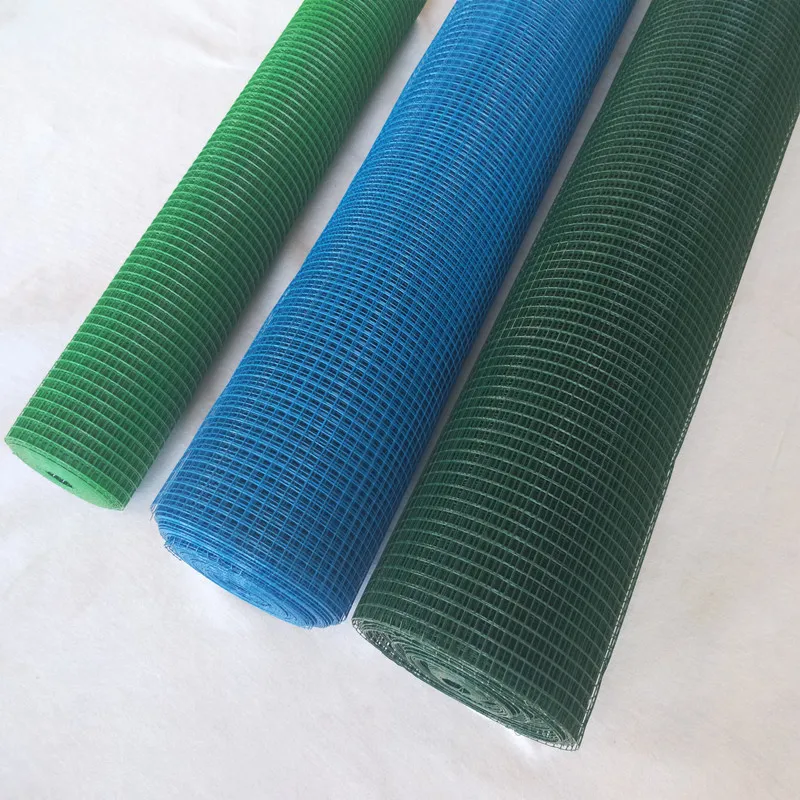
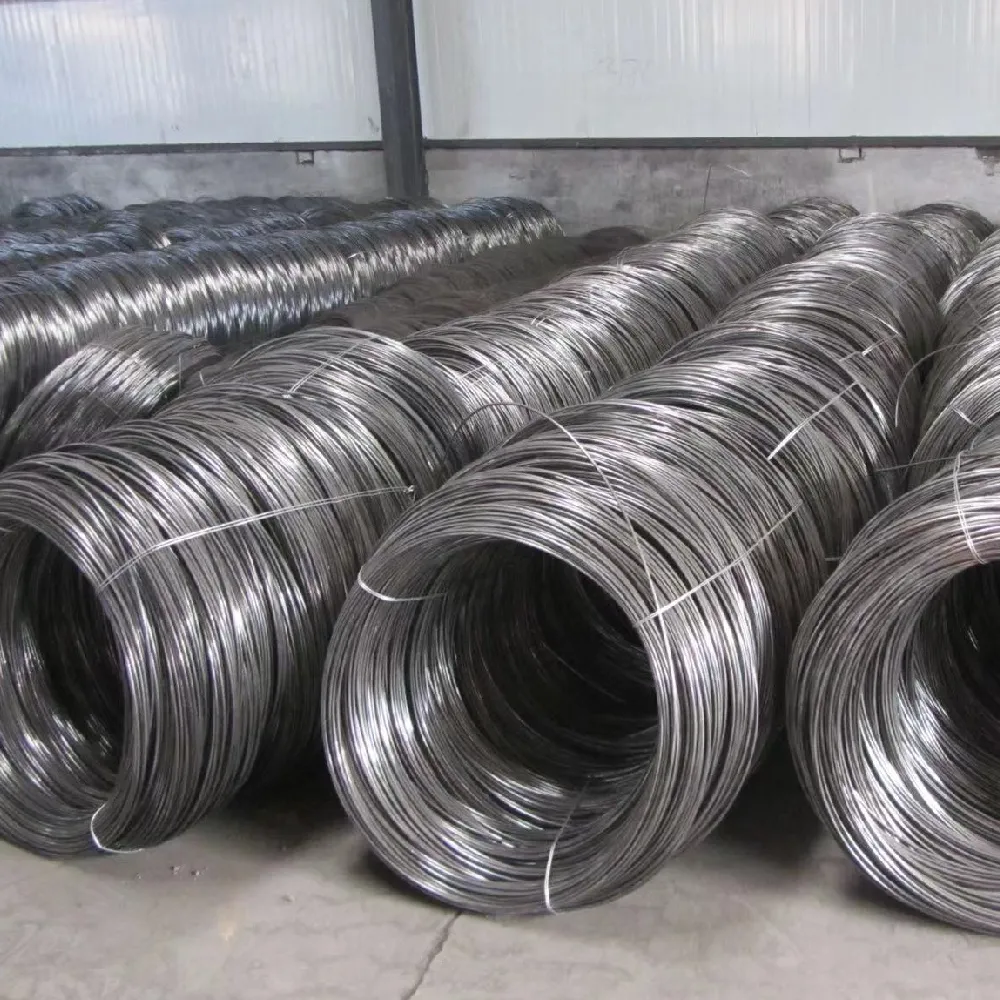
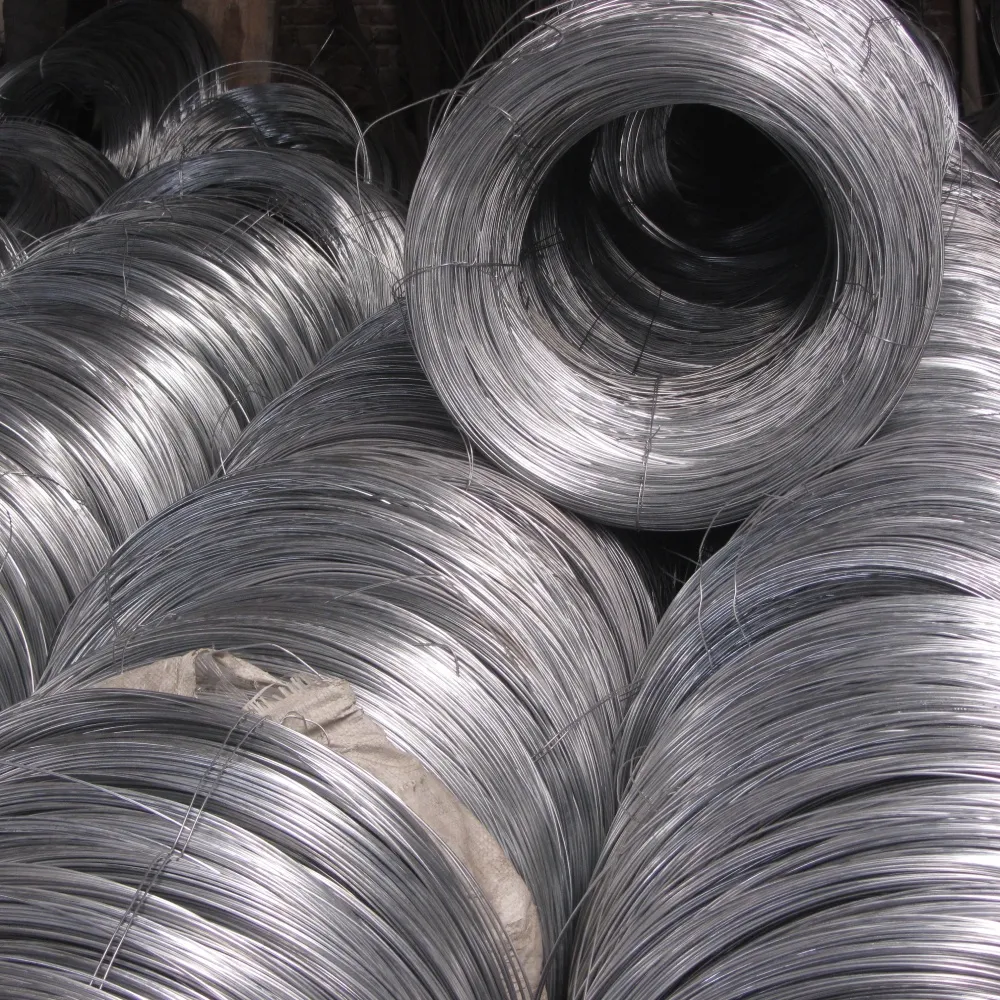
At its core, a heavy duty chain link fence is a woven metal barrier designed to withstand harsh environmental conditions and tough physical challenges. Typically made from galvanized or PVC-coated steel wire, these fences stand out for their strength, flexibility, and longevity. You can think of them as the “workhorse” fencing option — robust but adaptable enough to surround everything from industrial sites to livestock enclosures, security perimeters, and even community parks.
In our modern age, they’re often linked to crucial humanitarian needs as well—such as securing refugee camps or temporary shelters where rapid deployment and toughness are key. So, yeah, it’s a fence, but it’s also a critical tool in logistics, safety, and human dignity.
First off, heavy duty means tough. These fences use thicker gauge wires—usually ranging from 9 to 6 gauge—that resist bending or breaking. Many come with galvanization or PVC coatings to fight off rust and corrosion. That means you get long service life even in challenging climates—from humid coastal areas to freezing mountain zones.
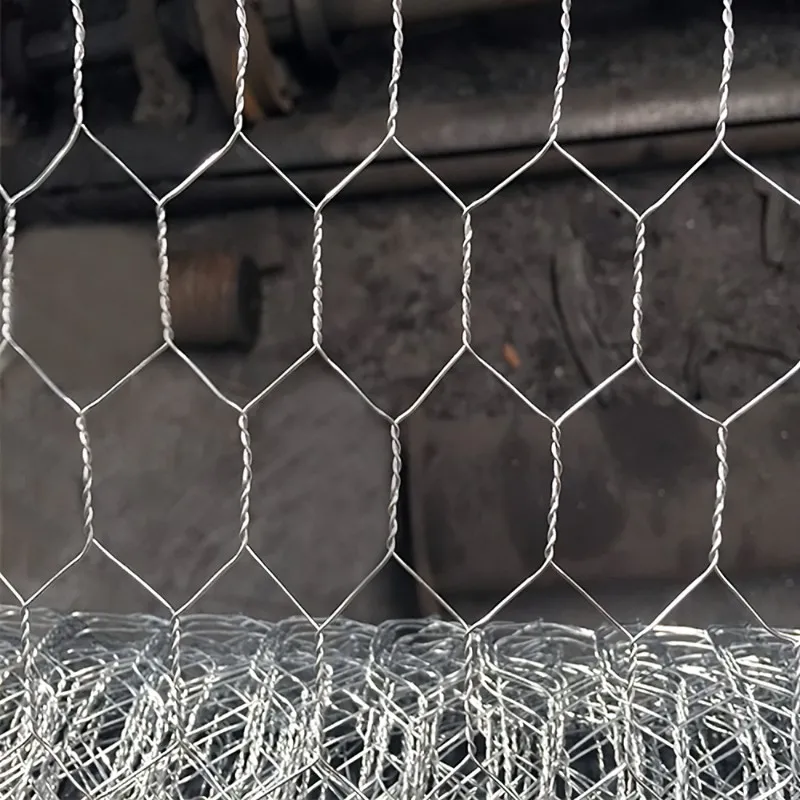
The diamond-shaped weave of chain link fences isn’t just tradition—it balances security and visibility. Smaller mesh sizes like 2-inch or less provide higher security by reducing openings, often used in sensitive sites. Larger openings may be sufficient for more general boundary marking.
Depending on the application, these fences come in heights from 4 feet (residential) to over 12 feet for industrial or security sites. It’s easy to scale up or modify with added features like barbed wire or privacy slats to meet specialized needs.
Compared to solid walls or wrought iron fences, heavy duty chain link fencing delivers great bang for the buck. The materials and installation are generally more affordable, plus easier to repair or expand.
Oddly enough, heavy duty chain link fences can be pretty quick to install, thanks to their modular panels and straightforward mounting systems. This makes them excellent for temporary fencing but also reliable enough for permanent setups.
Keeping the fence in prime shape mainly involves occasional inspections and rust prevention sprays—far easier than, say, repainting a wrought iron fence yearly!
| Specification | Typical Range | Description |
|---|---|---|
| Wire Gauge | 9 to 6 gauge | Thickness of wire, lower number = thicker, stronger wire |
| Mesh Size | 1.5-2 inches | Opening between wires to balance visibility and security |
| Height | 4 to 12+ feet | Customized according to site security needs |
| Coating | Galvanized or PVC | Protects against corrosion and weather damage |
| Post Spacing | 8 to 10 feet apart | Spacing between support posts for stability |
Industries worldwide rely heavily on this type of fencing, albeit for remarkably different purposes. For example, in North America and parts of Europe, you’ll find them securing airports, military bases, and prisons—places where security isn’t just a feature, it’s a mandate.
Over in Asia and Africa, especially in regions prone to natural disasters, heavy duty chain link fences play a key role in humanitarian operations. After floods or earthquakes, securing temporary refugee camps becomes a logistical challenge. Installed quickly, these fences provide controlled access to critical services while preventing overcrowding or unauthorized entries.
Industrial zones in South America use these fences to separate dangerous machinery and reduce liability risks. Oddly enough, even sports facilities and zoos benefit from these fences, balancing visibility (fans want to see through the fence!) and protection.
In agriculture, especially in Australia and New Zealand, strong fencing is critical for keeping livestock from wandering into dangerous areas or cross-breeding zones, which can have economic impacts.
One of the biggest advantages of heavy duty chain link fence is its cost-effectiveness. You get solid durability at a fraction of the cost of concrete or brick walls. Not to mention, it’s easy to maintain and repair, which saves money and resources down the line.
Environmentally, these fences can be kind of “gentle” on landscapes—installing one doesn’t typically require major excavation or permanent ground alteration. Often, they can be relocated or repurposed.
Then, there is the emotional and social value. A fence can facilitate safer neighborhoods, secure schools, and support orderly humanitarian aid—all factors fostering a sense of trust and dignity for people. The reliability of a heavy duty fence sends a subtle but strong message: safety matters here.
Technology is quietly reshaping this old-school field. Smart fencing solutions now integrate sensors, cameras, and even solar-powered alarms with chain link designs to boost security without sacrificing visibility.
Material science advancements bring new coatings that improve UV resistance and reduce maintenance frequency—perfect for harsh climates. Some manufacturers are innovating with recycled steel, aligning fencing production with circular economy goals.
On the regulatory side, increasing emphasis on environmental impact and sustainability means more fences will likely incorporate eco-friendly designs or modular components that minimize waste during installation or decommissioning.
Despite all the benefits, heavy duty chain link fences aren’t perfect. One common challenge is corrosion in highly saline or industrial areas. While galvanization helps, regular inspection and strategic placement to avoid water traps are crucial.
Also, theft or vandalism—sometimes even against fences themselves—can be an issue in certain environments. Experts often suggest combining chain link fences with surveillance tech, lighting, and community engagement programs to create a layered security approach.
Installation challenges can occur if the terrain is uneven or rocky, but many installers now use adjustable post systems and modular panels to accommodate rough ground profiles easily.
| Vendor | Material Options | Customization | Lead Time | Warranty | Price Range |
|---|---|---|---|---|---|
| Tike Metal | Galvanized, PVC-coated | Full height, mesh size, color | 3-4 weeks | 10 years | $$ |
| FencePro Inc. | Galvanized only | Limited to standard sizes | 2-3 weeks | 7 years | $ |
| SecureChain Ltd. | Galvanized, PVC, HDPE-coated | Custom design & security features | 4-6 weeks | 15 years | $$$ |
With proper galvanization and PVC coating, these fences can last anywhere from 15 to 25 years even in salty coastal or industrial environments. Regular maintenance extends lifespan significantly.
Absolutely. Many vendors offer tailored options depending on your security needs, whether that means extra tall fences, smaller mesh for tighter security, or colored coatings for aesthetics.
Yes! Their modular design means they’re easy to install and remove quickly, making them a favorite for construction zones or event perimeters needing reliable but temporary security.
Recent innovations allow for recycled steel use and modular parts that reduce waste. Additionally, lighter installation means less site disruption, supporting more sustainable deployment practices.
Uneven terrain can complicate installation but using adjustable post systems and expert planning usually overcomes this. Also, corrosion-prone areas may require enhanced coatings or maintenance plans.
There’s something quietly reassuring about a heavy duty chain link fence—simple yet effective, affordable yet powerful. Their global role spans far beyond mere boundaries; they’re about protection, sustainability, and trust in places that need it most. Whether for industrial safety, post-disaster operations, or everyday community security, these fences represent a practical investment in long-term resilience.
Want to explore custom specifications or discover the latest in fencing tech? Feel free to check out heavy duty chain link fence options from trusted vendors like Tike Metal—because a fence isn’t just a fence when your security depends on it.
RELATED PRODUCTS





Top