If you’re a pool owner, you probably know the thrill of having your own slice of watery paradise right at home. But here’s the thing: installing a pool fence isn’t just about aesthetics or property value. It’s about safety, compliance, and peace of mind. Globally, drowning remains one of the leading causes of accidental death among children under 5, according to the World Health Organization. That’s why the simple act to install pool fence is a quiet hero in countless households worldwide.
Beyond just safety, a good pool fence protects pets, keeps out unwanted wildlife, and can even help reduce liability insurance premiums. So understanding how to properly install and select the right fence is a win-win for many reasons.
Around the world, safety regulations requiring pool fencing vary widely but increasingly, countries recognize their importance. The International Organization for Standardization (ISO) even offers guidance on pool barriers to minimize drowning risks. Consider Australia, where strict fencing laws have contributed to a notable decrease in pool drownings over the past decade.
But enforcement is uneven. Many developing regions face challenges installing effective pool barriers due to cost or lack of awareness — so the problem remains. The need to install pool fences where children and vulnerable populations are present is critical, especially with the growing popularity of home pools.
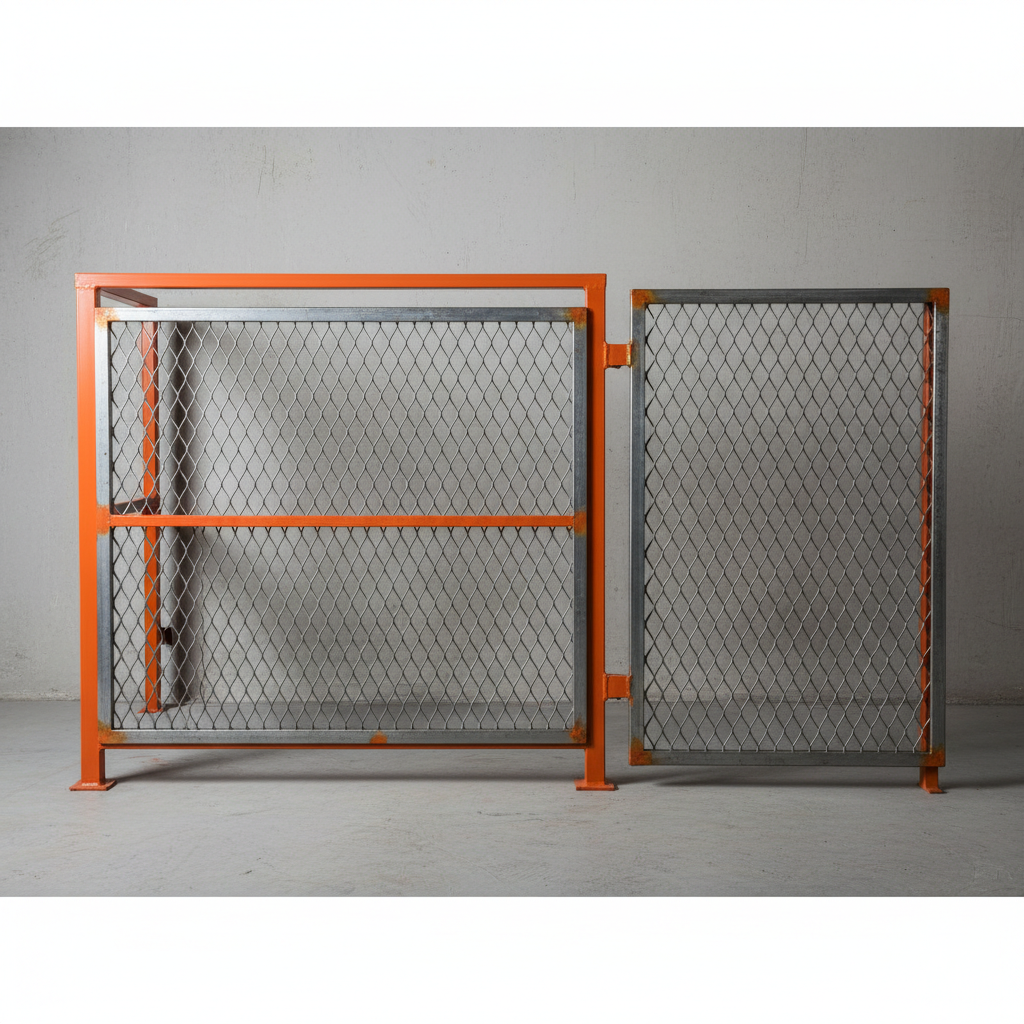
Simply put, to install a pool fence means creating a physical barrier that encloses a swimming pool to prevent unauthorized or accidental access. This usually involves posts, mesh or glass panels, gates, and locks — all designed with specific safety standards in mind. It’s not just slapping up any fence; it’s about a purpose-built solution to protect life.
In industries and communities, pool fences symbolize responsible design and safety culture — especially where families gather or recreational water spaces multiply rapidly. In humanitarian settings, such as refugee camps or schools, temporary pool fences might be installed to shield small swimming areas from hazards.
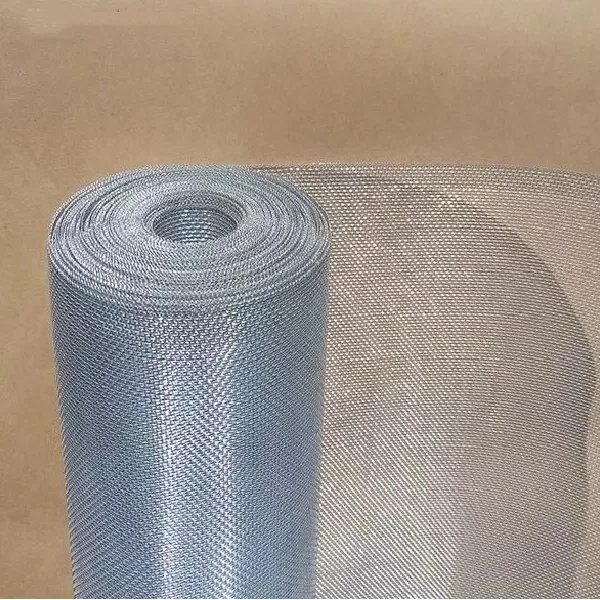
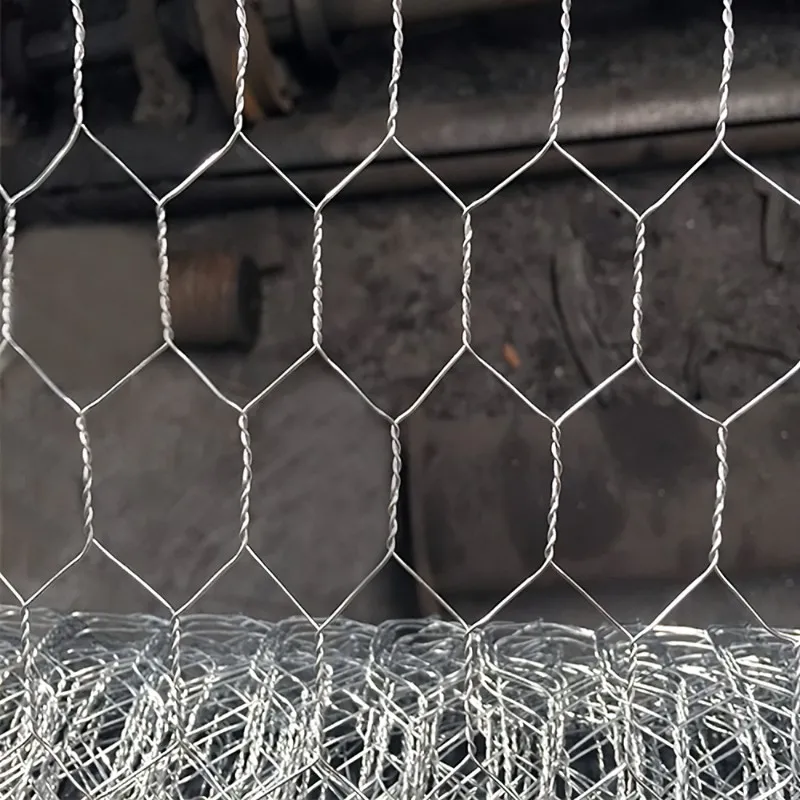
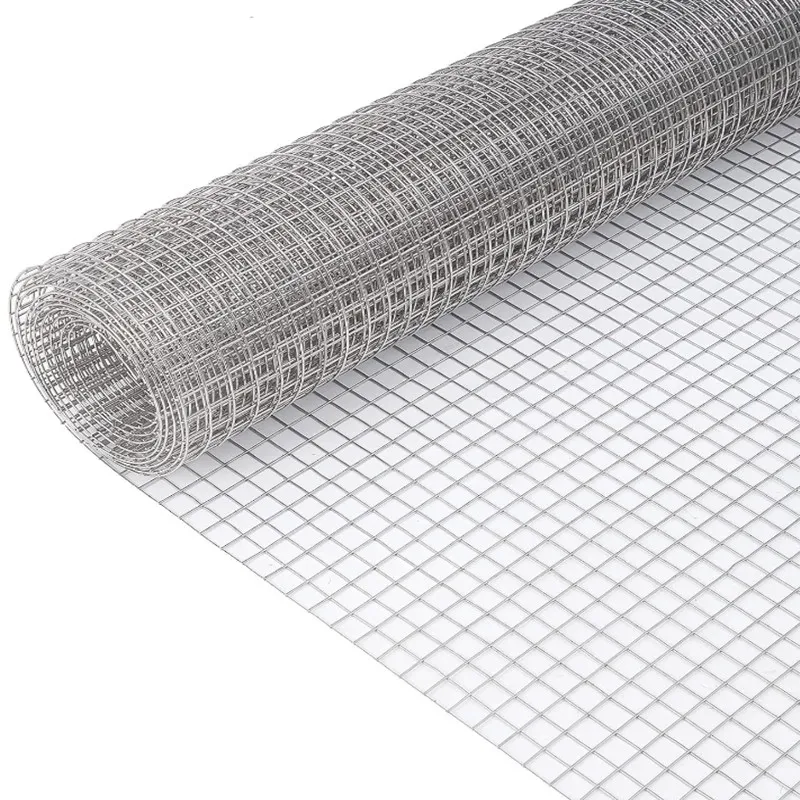
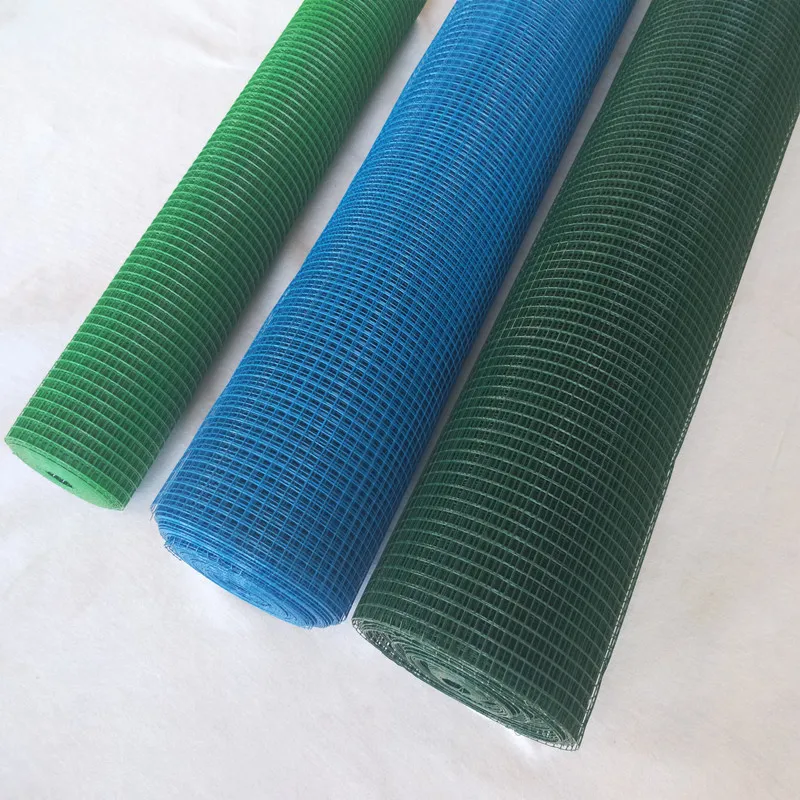
The fencing material really can make or break the whole setup. Aluminum, steel mesh, tempered glass, and sometimes wood are popular options, each with pros and cons. For pools, rust-resistance and weather durability matter a lot — imagine saltwater corrosion by the sea.
Most codes demand a minimum fence height, often around 1.2 meters (approximately 4 feet), plus self-closing, lockable gates. These details prevent even the craftiest toddler or pet from slipping through.
Interestingly, mesh or clear glass panels maintain sightlines for parents, but backyard privacy advocates may prefer opaque or slatted designs. The key is balancing visibility with environmental style.
This one is crucial if you want the fence to last and avoid hefty upkeep costs. Some modular fencing systems may snap together without heavy tools, while others require professional help.
Prices range dramatically depending on materials and local labor costs. Beyond just upfront expense, remember that compliance with local safety standards avoids fines and ensures your fence is actually protecting lives.
Mini takeaway: When choosing a pool fence, look for durable, code-compliant, and child-safe features that fit your lifestyle — it’s the best investment for both protection and peace of mind.
From luxury villas in California to community pools in Sydney, the concept of securing swimming areas with fences is universal. In Australia, stringent laws have led to mandatory fencing and inspections, setting a global benchmark.
In Europe, many countries rely on combined alarms and fences, while parts of the USA often mandate four-sided isolation fencing. Developing countries see innovative approaches too — for example, in parts of Southeast Asia, local NGOs help communities install affordable mesh fences at schools with small pools, preventing accidents.
Oddly enough, I once read about remote mining camps in Canada where modular, portable pool fences are brought in seasonally to protect recreational pools for workers during the short summer.
To be honest, it’s this peace of mind — the unspoken trust that when the kids run outside, the water is safely shielded — that resonates most with many owners. On logical terms, it’s just smart risk management.
| Specification | Typical Value | Remarks |
|---|---|---|
| Fence Height | 1.2 meters (4 ft) | Minimum standard in most regions |
| Material | Aluminum, Mesh, Glass | Choice affects durability and visibility |
| Gate Type | Self-closing, Lockable | Essential for child safety |
| Finish | Powder-coated or galvanized | Corrosion resistant |
| Maintenance | Low (annual inspection) | Proper installation reduces upkeep |
| Vendor | Range of Products | Installation Services | Warranty | Customer Support |
|---|---|---|---|---|
| SafeGuard Fences | Wide (mesh, glass, aluminum) | Yes, nationwide | 10 years | 24/7 support |
| AquaSecure | Specializes in modular fence kits | Limited to select cities | 5 years | Business hours only |
| PoolProtect Inc. | Premium glass & stainless steel | Professional installation only | 15 years | Dedicated account managers |
In the near future, I’m excited to see how smart technology and sustainability merge with traditional pool fencing. We’re already witnessing fences integrated with alarm systems that sync with smartphones — alerting you instantly if a gate is left open or if unexpected motion is detected near the pool.
There’s also a push for green materials — recycled plastics and sustainably sourced metals — reducing the environmental footprint of pool safety. And oddly enough, 3D-printed customized panels are on the horizon, allowing truly personalized designs that marry style with safety.
You can’t talk about pool fences without mentioning a few bumps along the way. Installation in uneven or rocky terrain can be tricky, sometimes requiring extra groundwork or specialized mounting systems. Then there’s community resistance — some folks dislike fences spoiling their scenic views.
Expert installers suggest choosing materials that blend with landscaping and opting for transparent glass or mesh to reduce visual intrusion. For tricky layouts, modular panels that are adjustable can save the day. Also, being proactive with neighbors by explaining the safety benefits usually wins hearts — and yards.
At the end of the day, installing a pool fence is about more than just ticking a regulatory box — it’s about safeguarding those you love and adding genuine value to your property and lifestyle. While the upfront cost might feel like a hassle, the peace of mind and enhanced safety more than compensate.
If you’re thinking seriously about installing a pool fence, take a moment to weigh your options carefully. Consider materials, local codes, and professional services. And hey, don’t forget that a well-chosen pool fence blends safety with style.
Ready to make your pool safer and more enjoyable? Visit https://www.tikemetal.com for expert advice and product options that fit your needs perfectly.
References:
1. WHO – Drowning statistics and prevention recommendations: https://www.who.int/news-room/fact-sheets/detail/drowning
2. ISO 25841:2017 – Non-climbable barriers for swimming pools
3. Royal Life Saving Society Australia - Pool fencing laws and impact studies
RELATED PRODUCTS






Top