If you’ve ever watched a construction site, temporary event setup, or emergency relief area being rapidly secured, chances are you’ve spotted a removable chain link fence in action. These versatile fencing systems have quietly become global workhorses — especially in spaces requiring flexible, fast, and reliable perimeter security. But why does this seemingly simple fencing option matter so much on a global scale? Well, not only do they bring safety and order to volatile or transient environments, but understanding their design and usage reveals some neat insights into how industries, governments, and humanitarian agencies tackle protection challenges worldwide.
According to the United Nations, rapid urbanization and climate-related disasters have pushed demand for temporary and adaptive infrastructure to new heights. Removable fencing systems, especially chain link types, are often preferred due to their balance of cost, durability, and ease of deployment. A World Bank report lists flexible infrastructure solutions as key to improving emergency responses globally.
The challenge, frankly, lies in securing spaces that might need to change use literally overnight — whether that's creating a safe zone after a flood, organizing a crowd control barrier at a sports event, or protecting newly installed utilities in remote mining locations. Removable chain link fences step into this chaos by offering modularity combined with strong physical barriers.
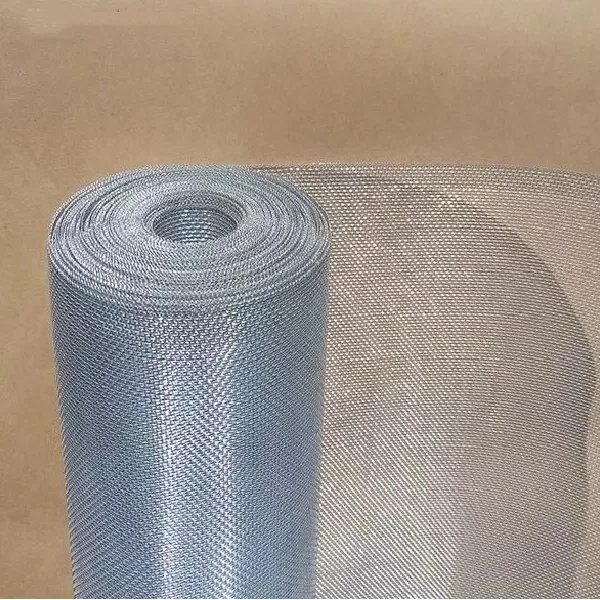
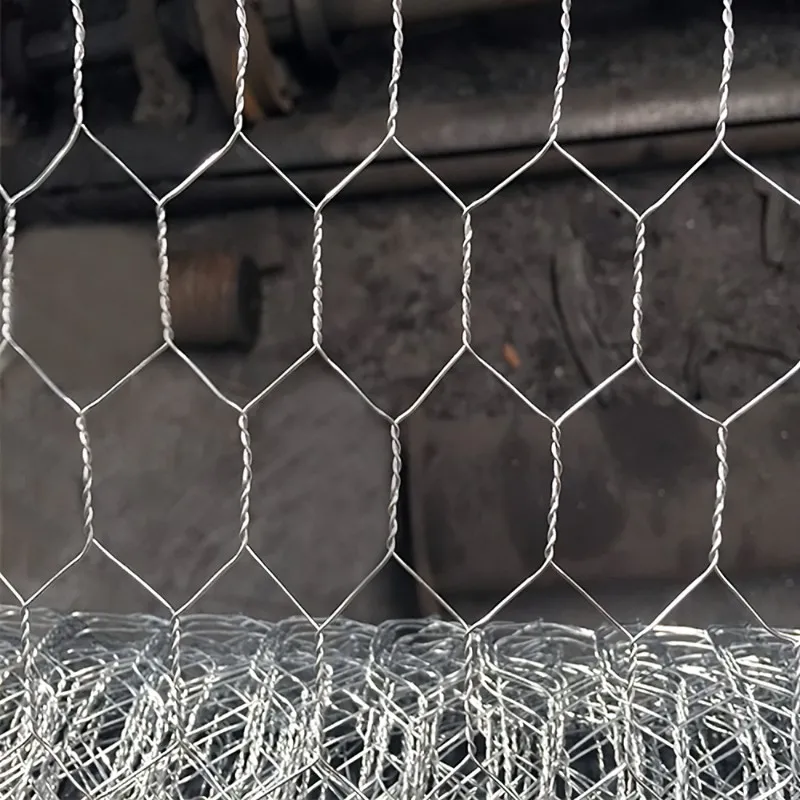
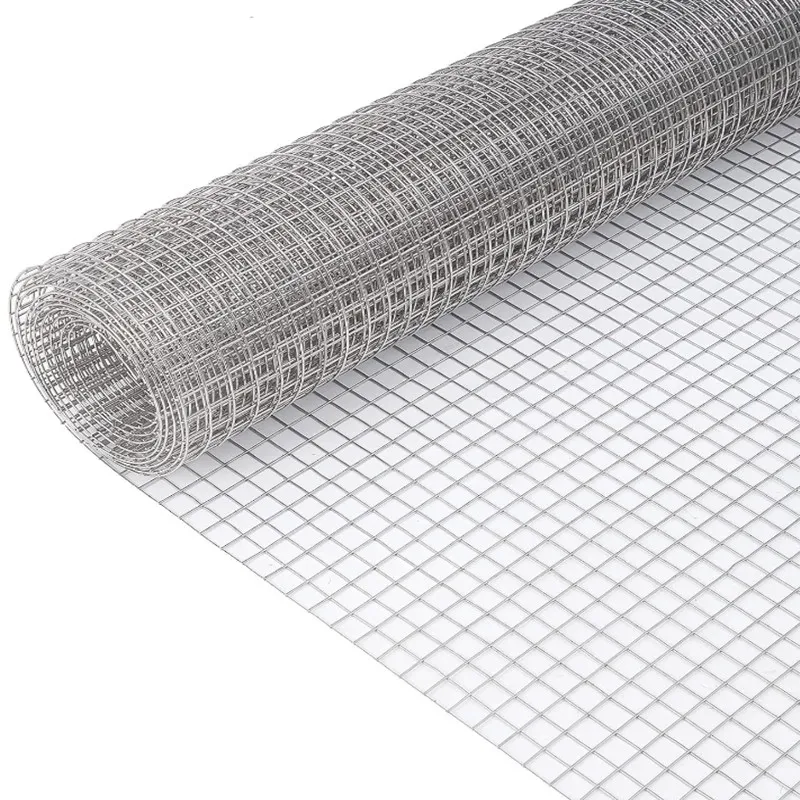
At its core, a removable chain link fence is a modular fencing system primarily composed of interwoven galvanized or coated steel wire, suspended on a sturdy frame designed for quick assembly and disassembly. Unlike permanent fencing anchored by concrete, removable variants use weighted feet or temporary posts, allowing relocation without leaving a lasting footprint.
Think of them as the "pop-up tents" of the fencing world — you can deploy, secure, and, when done, dismantle and move them with relative ease. Their quick deployment has made them indispensable for industries ranging from construction and event management to humanitarian agencies like the Red Cross, who rely on swift, secure perimeter control in unpredictable settings.
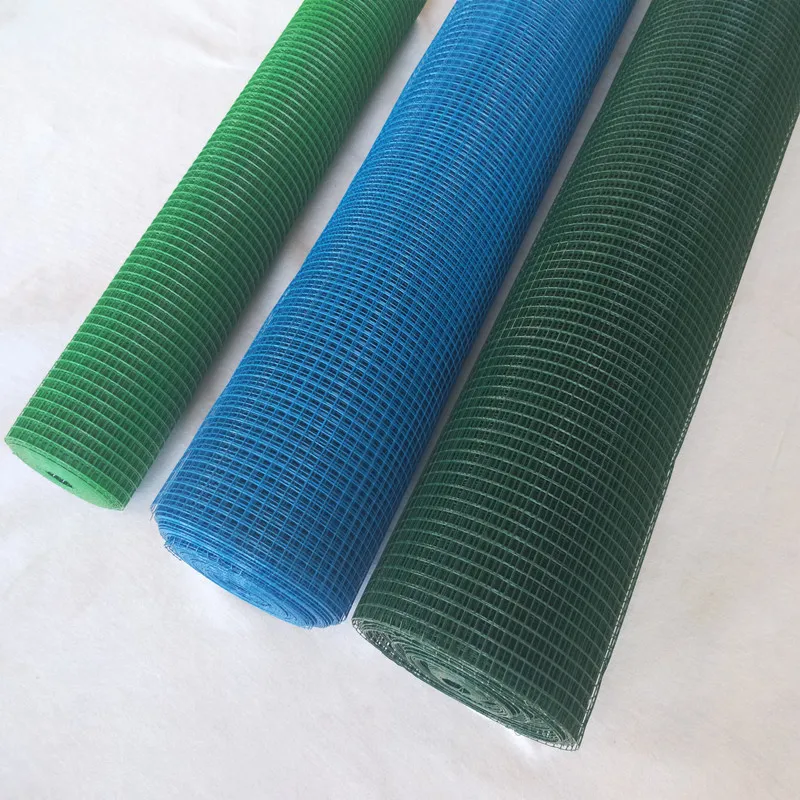
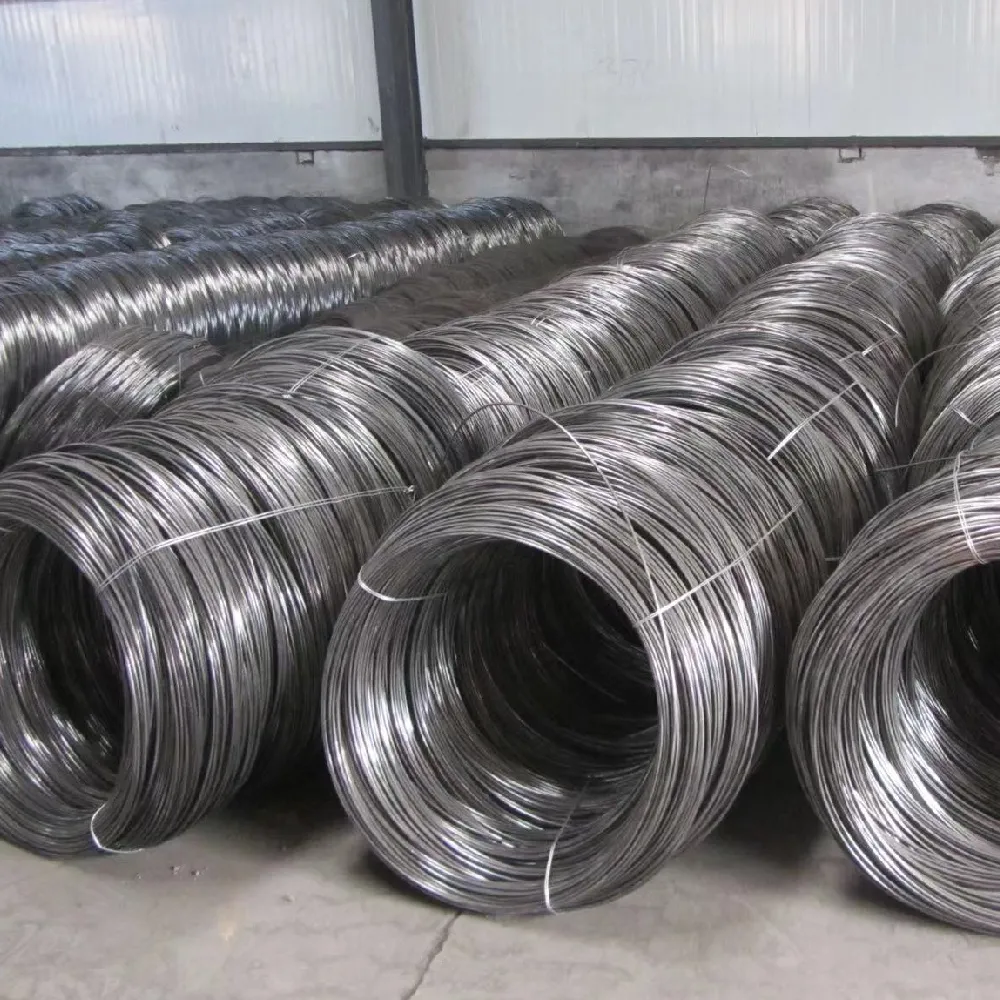
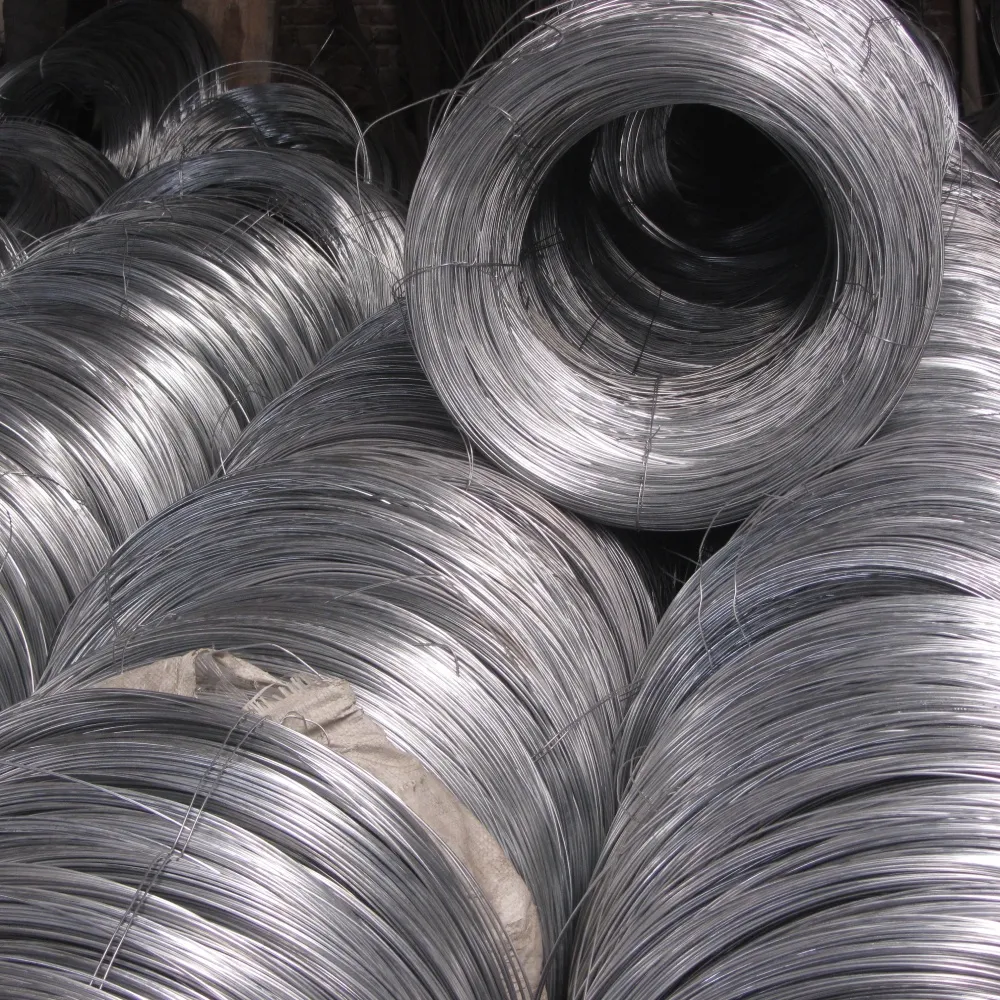
Removable chain link fences typically utilize galvanized steel or vinyl-coated wires that resist rust and corrosion — essential for outdoor use across varying climates. Many engineers note that despite their temporary nature, the fencing needs to withstand wind, impact, and UV exposure without degrading quickly.
The magic here lies in design simplicity — panels and posts are pre-fabricated and often sit on weighted bases rather than buried posts. This makes setup a breeze, sometimes requiring just two workers and basic tools to stretch a perimeter in hours or even less.
Flexibility is king. Add or remove panels to expand or shrink fenced areas according to shifting needs. For instance, a disaster relief camp might start small but expand as more tents or supplies arrive.
When budgets are tight — a common scenario in emergency response or temporary construction zones — these fences provide security without permanent costs like excavation or foundation work.
Many removable chain link fences come in variable heights and mesh sizes to meet safety requirements and local regulations, ensuring both protection and legal conformity.
Interestingly, their reach spans from bustling urban centers to the remotest industrial hubs:
One notable case: a European city turned to removable fencing for a COVID-19 testing site. Quickly erected overnight, the fence helped control flow, ensuring social distancing and orderly queues — all without damaging the urban park where it was set up.
| Specification | Typical Value | Notes |
|---|---|---|
| Panel Size | 2 m x 3 m (6'6" x 10') | Standard dimensions |
| Fence Height | 1.8 m to 2.4 m (6' to 8') | Custom heights available |
| Mesh Gauge | 9-11 gauge galvanized steel | Stronger for high security |
| Base Type | Steel-weighted footplate | No ground disturbance needed |
| Coating | Vinyl or galvanized steel | Enhances corrosion resistance |
Interestingly, the future of removable chain link fences feels tied to sustainability and tech. Researchers are experimenting with recyclable composite materials and even solar-integrated panels that can power temporary lighting or surveillance cameras. Automation promises quicker setups: imagine robotic assembly teams deploying fences in disaster zones within minutes.
Plus, regulatory bodies like ISO continue raising standards on safety and environmental friendliness — pushing manufacturers to innovate smarter coatings and more modular designs.
Despite their advantages, removable chain link fences face typical issues such as stability in high winds, risk of theft, and storage logistics between uses. To combat these, some vendors have developed heavier baseplates with integrated ballast holders or locking mechanisms that deter unauthorized removal.
Sort of interesting — some NGOs partner with local businesses to establish storage hubs near deployment zones, reducing transport time and cost. That kind of community integration feels like the smart way forward.
| Vendor | Panel Durability | Base Weighting | Customization | Typical Lead Time |
|---|---|---|---|---|
| FenceCo | High (galvanized steel) | Standard 40kg footplates | Available on request | 3–5 days |
| QuickSecure | Medium (vinyl coated) | Heavier 60kg ballast options | Limited options | 2–4 days |
| FlexiFence | High (double-galvanized) | Modular weighted bases | Wide range | 5–7 days |
Depending on the size and crew, setup times can vary. Typically, a small team can erect a 100-meter fence line in a few hours. Larger projects benefit from modular panel systems that speed up assembly and disassembly.
Yes. Most removable chain link fences use galvanized steel and coated wire mesh designed to resist corrosion and strong winds. Adding weighted bases and windbreak mesh further improves stability.
While they provide a good physical barrier, removable fences are mostly for temporary control rather than high-security needs. For sensitive areas, additional security measures like motion sensors or cameras are recommended.
Minimal maintenance is needed if coated properly. Regular inspections for loose fittings, rust spots, and base integrity ensure they remain safe and functional over repeated use.
Consider panel durability, base weighting options, customization flexibility, lead times, and after-sales service. It’s helpful to request samples or case studies to see how they perform in real-world conditions.
When you piece everything together, removable chain link fences emerge as a surprisingly critical infrastructure piece in today's fast-paced, ever-changing world. They combine flexibility with strength, cost-effectiveness with sustainability, and most importantly, they help organizations meet urgent safety and security challenges efficiently.
If you’re looking to secure your site, event, or emergency response operation with reliable, adaptable fencing, explore the options at removable chain link fence suppliers like Tikemetal. Their expertise and product lines showcase some of the best industry innovations around.
Sometimes, it’s the straightforward solutions — a sturdy chain link panel, a weighted base — that quietly but powerfully keep everything running smoothly.
RELATED PRODUCTS





Top