Chain mesh security fencing might sound a bit dry at first—just metal wires woven together, right? But it’s actually a quietly indispensable technology globally, forming the backbone of safety networks across industries and communities. In a world that’s growing both more interconnected and more vulnerable—think ports, airports, large construction sites, emergency shelters—the need to secure assets and lives becomes urgent. Understanding these fences and their varied benefits, beyond just “keeping people out,” opens doors to smarter safety design, smarter investments, and a better sense of control.
Remember, these fences aren’t just about walls or boundaries—they’re about trust, reliability, and flexibility. Knowing why they’re chosen over alternatives sheds light on evolving security needs everywhere.
Globally, estimates suggest that billions of dollars’ worth of goods, infrastructure, and more are safeguarded by security fencing annually [1]. Organizations like the UN and World Bank increasingly push for safer perimeters in both urban and humanitarian contexts, often citing fencing as low-cost, high-impact security solutions. For example, post-conflict zones or disaster relief camps use chain mesh fences to establish order quickly and efficiently—a task as much about dignity as it is about safety.
Of course, the challenge is striking a balance between accessibility, cost, and resilience. This challenge becomes more visible as security threats evolve and infrastructure ages, making high-quality fencing more important than ever.
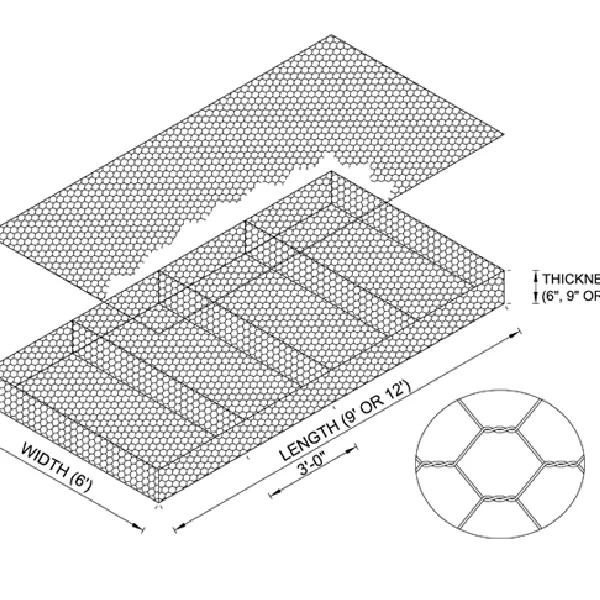
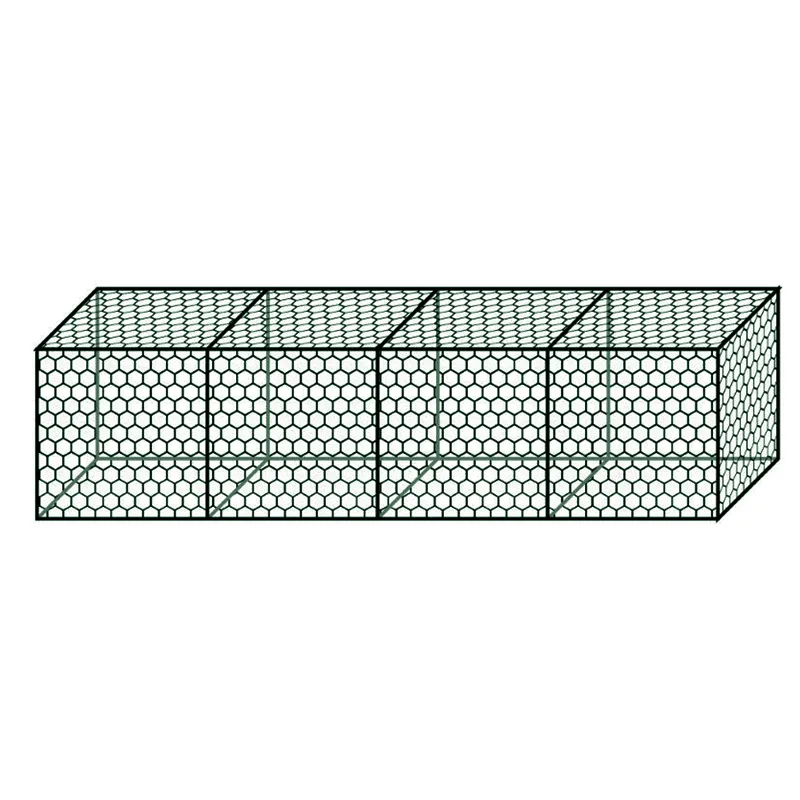
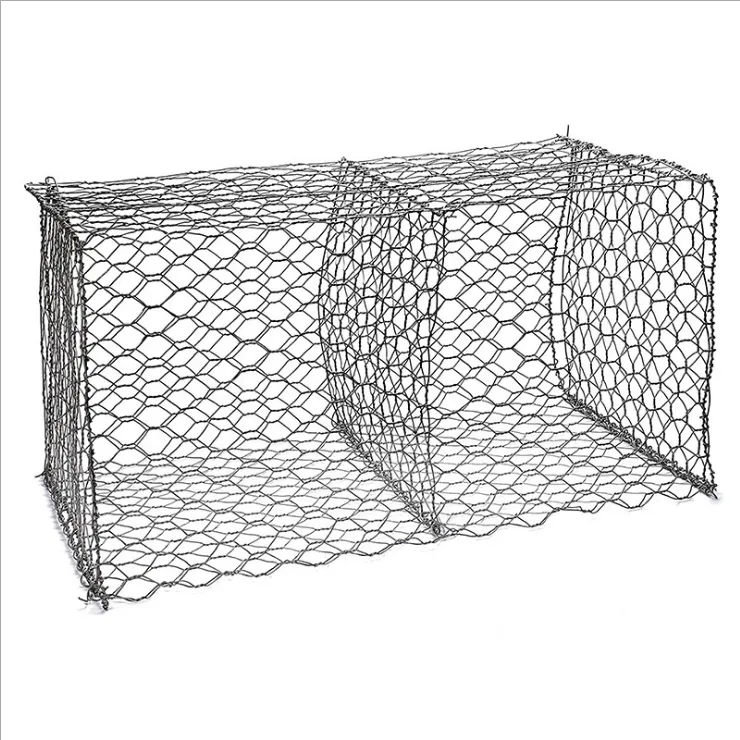
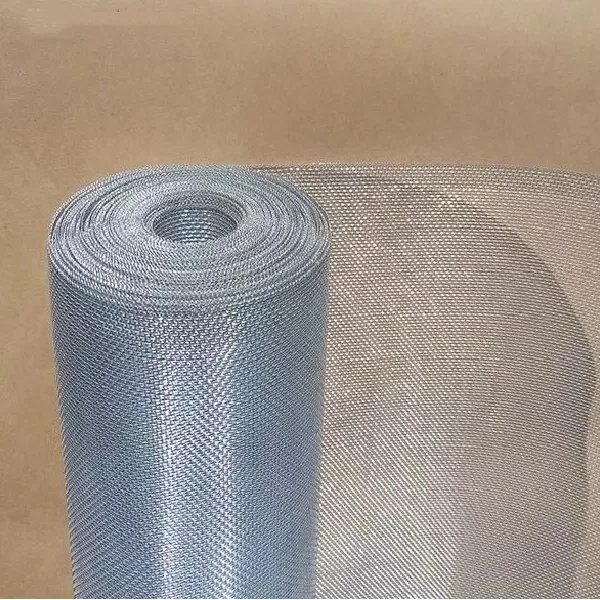
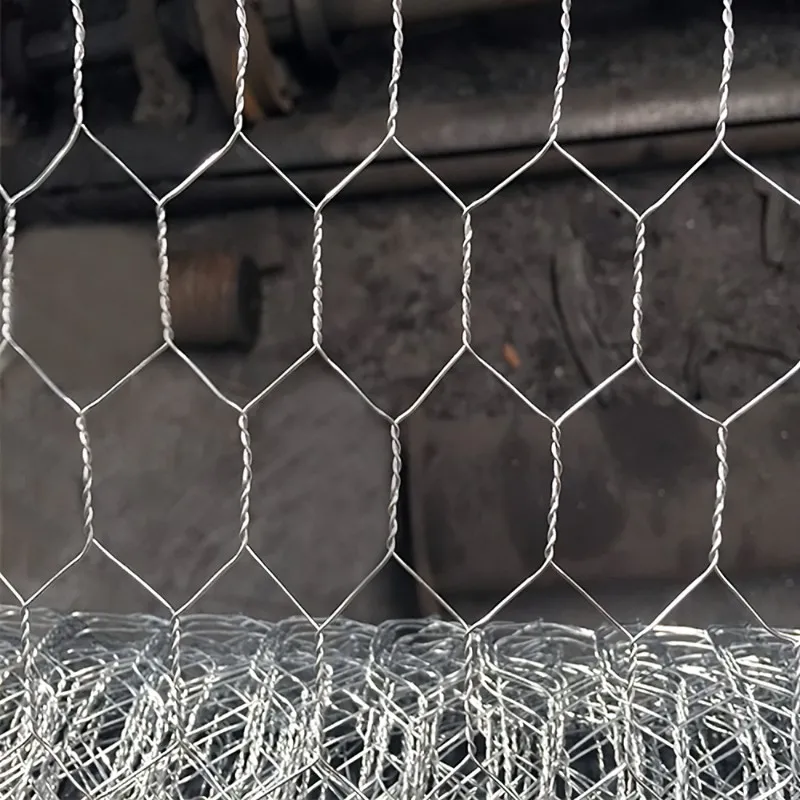
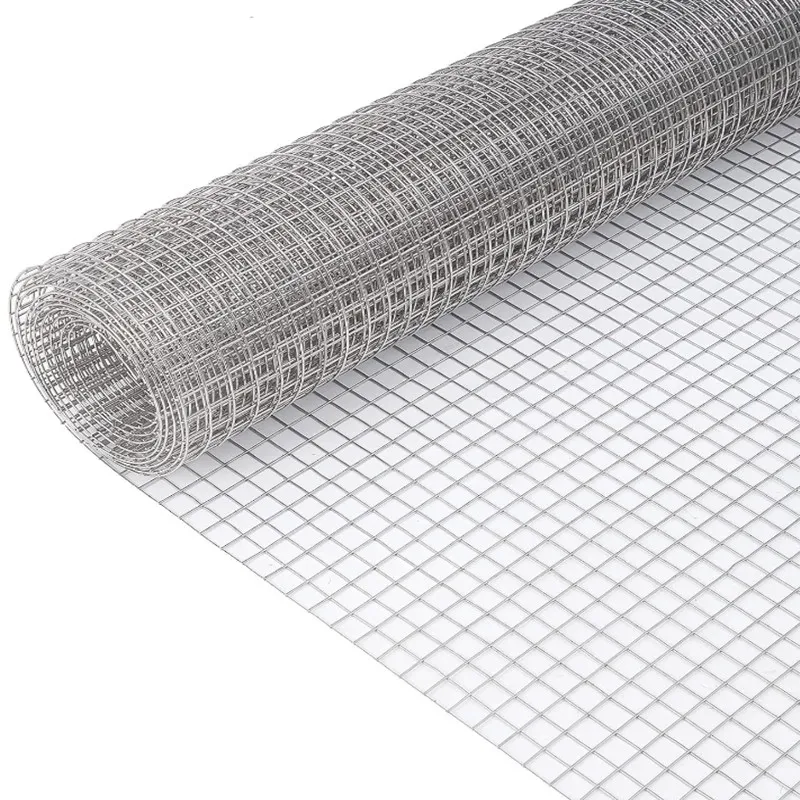
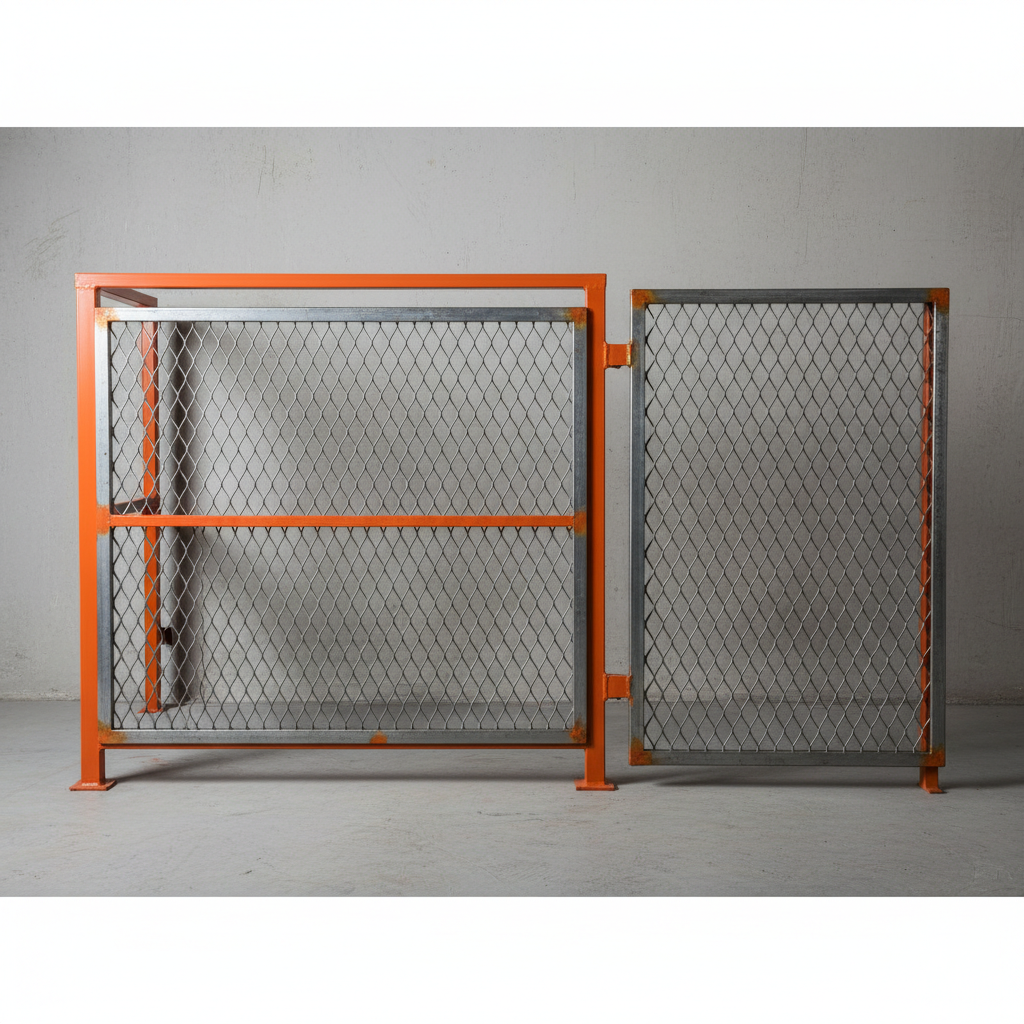
Put simply, chain mesh security fencing consists of interlinked steel wires woven together to create a robust, flexible “mesh.” The material is usually galvanized steel for corrosion resistance, though coatings and finishes can vary depending on the environment. Unlike solid barriers, this mesh pattern offers transparency — a key attribute when visibility is critical, say for surveillance or community acceptance.
This fencing type connects to a larger story about modular, scalable security. It’s not just about fences; it’s about how infrastructure adapts to complex, changing needs, from industrial plants to humanitarian sites.
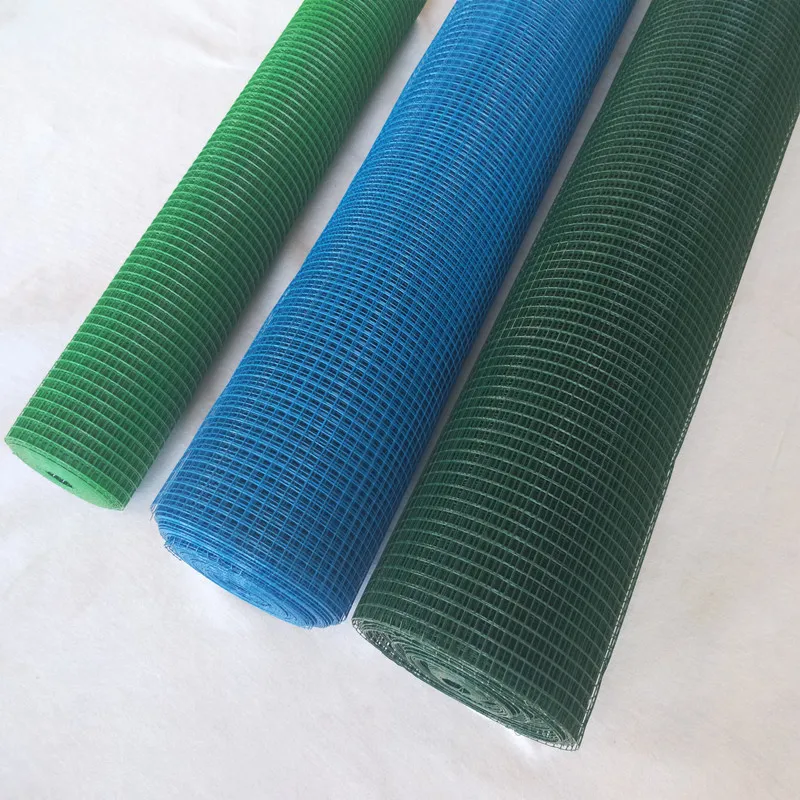
The steel wires get galvanized or PVC-coated, which means they resist rust and stand up even in salty seaside or rainy climates. In real terms, this means fewer fence replacements and less ongoing maintenance.
Modular panels and posts mean you can install fences quickly and extend them without a full redesign — perfect when site boundaries expand or change.
Compared with concrete walls or electronic barriers, chain mesh is affordable to produce and install. Plus, it’s lightweight, reducing transport and installation energy costs.
While it physically secures, its see-through nature allows monitoring without blind spots, which helps security personnel respond faster.
Options can be tailored to needs, from higher mesh gauge for increased strength to privacy slats for visual barriers, or barbed wire additions for deterrence.
With finishes that withstand UV rays, pollution, and chemical exposures, it's valuable in harsh industrial zones or urban sprawls.
Think of airports securing perimeters, utility companies fencing off substations, governments protecting prisons, and humanitarian groups setting boundaries around refugee camps. In remote industrial zones, fencing shields equipment from wildlife and theft. In post-disaster relief, fences quickly demarcate safe zones to manage displaced populations humanely and efficiently.
Regions vary too: Southeast Asia deploys massive projects in urban expansions; North America prioritizes fencing for logistics hubs; while Africa focuses on adaptable solutions in conflict-affected areas.
To get a clearer picture, here’s how a few industries and organizations employ chain mesh security fencing:
Anyone with security experience will tell you: durability and low total cost of ownership almost always trump initial price. Chain mesh security fencing wins there decisively. Beyond that, it feels like a “safe bet” — effective without being intrusive. Its transparency promotes community trust and reduces paranoia around “walls.”
Environmental sustainability also gets a boost. Many manufacturers use recycled steel, and fences can be recycled at end-of-life, aligning with circular economy goals. For humanitarian users, the fences provide dignity through physical protection, a subtle but powerful social impact.
Oddly enough, reliability builds emotional comfort too—which in the security world is invaluable. Knowing a fence can withstand harsh conditions without sudden failure means peace of mind.
| Feature | Specification |
|---|---|
| Material | Galvanized Steel Wire (with optional PVC coating) |
| Mesh Size | 50mm x 50mm (standard), customizable |
| Wire Gauge | 4.0 mm - 5.0 mm |
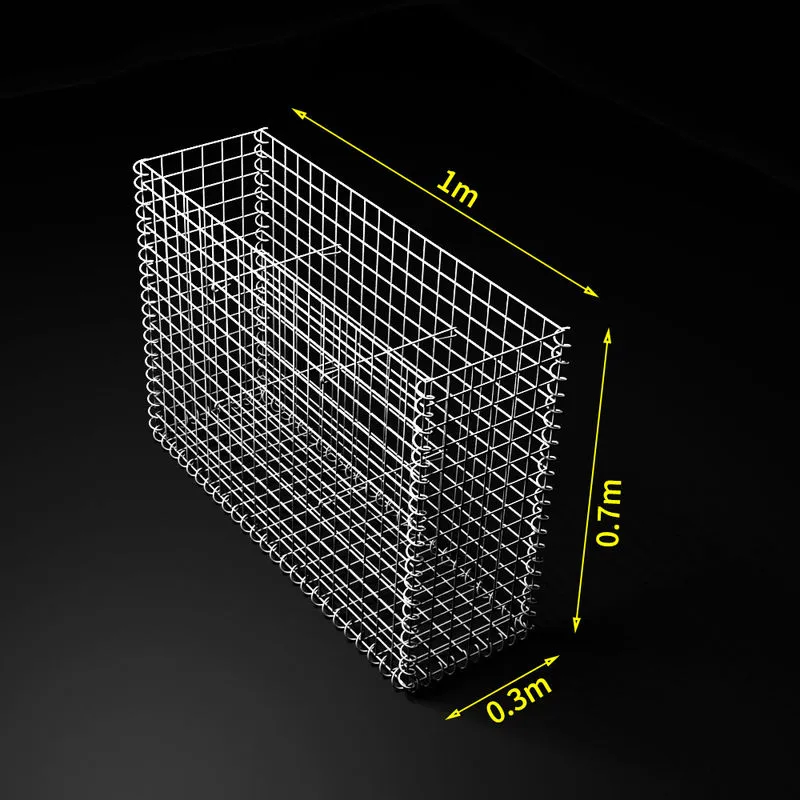
| Panel Size | 2 m height x 3 m width standard |
| Finish | Hot-dip galvanized, optional powder coating |
| Post Type | Square or round steel posts with concrete foundation |
| Supplier | Lead Time | Customization Options | Price Range (USD per panel) | Warranty |
|---|---|---|---|---|
| Tike Metal | 2–4 weeks | Mesh size, coatings, post designs | $45–$65 | 5 years |
| SecureFence Co. | 3–6 weeks | Standard sizes only, limited coatings | $40–$55 | 3 years |
| Global Fence Supplies | 4–8 weeks | Highly customizable, including smart integration | $60–$85 | 7 years |
Frankly, fencing technology isn’t standing still. Manufacturers experiment with advanced coatings—some even self-healing or anti-bacterial—and smart fences equipped with sensors for real-time intrusion alerts. With the rise of green energy, solar-powered fence lighting and digital monitoring join forces for low carbon security solutions.
On the sustainability front, recycled and bio-coatings make fences less of an environmental burden. And there’s talk about integrating fences into IoT frameworks, making physical barriers part of digital ecosystems rather than stand-alone hardware. In places like Europe, stricter environmental rules push for greener fencing policy compliance, so expect innovation to rise accordingly.
No fence type is perfect. Chain mesh fencing can be vulnerable to cutting or climbing if not paired with surveillance or deterrents. Installation quality also impacts effectiveness hugely—sloppy setups invite problems. Weather extremes, especially heavy snow or wind, stress fences too.
The good news is modular design lets users reinforce areas fast, and combining chain mesh with other security tech (alarms, cameras) mitigates inherent risks. Some companies now offer “smart” fencing with embedded sensors to detect tampering early.
Q: How long does chain mesh fencing typically last outdoors?
A: With proper galvanization and coatings, it usually lasts 15–25 years before major maintenance is needed. Environmental factors like salt air or industrial pollution can shorten lifespan.
Q: Can chain mesh fencing be customized for privacy?
A: Absolutely. Privacy slats or mesh inserts can be added to reduce visibility, making it suitable for sensitive sites without losing structural integrity.
Q: How quickly can chain mesh fencing be installed?
A: With prefabricated panels and modular posts, fences are installable within days for medium-sized projects, faster than concrete or brick walls, which helps emergency deployments.
Q: Are these fences eco-friendly?
A: Many modern fences use recycled steel and coatings that are less environmentally harmful, plus the fences themselves can be recycled at the end of their life cycles.
Q: Do chain mesh fences require special maintenance?
A: Basic inspections for rust or loose fittings are recommended yearly. Repairs are straightforward, and preventative coatings reduce corrosion risks long-term.
To sum it up, chain mesh security fencing is more than just wired metal panels—it’s a pragmatic, adaptable, and often underappreciated solution to a wide array of security problems worldwide. Its balance of cost, flexibility, and reliability makes it a smart choice for industries, governments, and NGOs alike. Whether you’re securing a factory line or arranging a dignified space for displaced communities, it’s worth considering carefully.
Curious to explore tailored solutions or need fence specs for your next project? Visit chain mesh security fencing experts at Tike Metal—it could be the start of a safer, smarter boundary.
RELATED PRODUCTS





Top