In the quiet corners of urban and rural landscapes alike, chain fencing for garden quietly plays a crucial role. It’s more than just a physical barrier; it’s a versatile solution that safeguards spaces, supports safety, and enhances property aesthetics. Globally, with the surge in urban development and an increased emphasis on secure outdoor areas, understanding the value and practical benefits of chain garden fencing is essential for homeowners, businesses, and humanitarian projects alike.
Chain fencing combines durability, visibility, and affordability, making it a top choice worldwide. From protecting community gardens in densely populated cities to securing critical infrastructure in developing regions, this fencing type ticks many boxes—security, ease of installation, and long-term resilience among them. And frankly, given the rising concerns about safety and sustainable solutions, it's an area worth a deep dive.
Mini takeaway: While it might seem like a humble product, chain fencing for garden plays a pivotal role in urban safety and land use across diverse global scenarios, combining practicality with smart design.
In a world where urbanization continues to expand — UN data suggests that by 2050 about 68% of the global population will reside in urban areas[1] — the need for efficient boundary solutions is pressing. Chain fencing answers this call by offering a scalable and practical solution that can adapt to various environments. The World Bank highlights that safe green spaces and orderly zoning contribute significantly to community well-being and property values[2]. Chain fencing fits nicely here: it creates protected but permeable boundaries, ideal for gardens, playgrounds, and even emergency relief sites.
And if we look beyond the neat rows of suburban gardens, there’s also rising demand in humanitarian and industrial circles. Whether it’s about securing aid storage in post-disaster zones or defining safe zones around power plants in remote locations, chain fencing solves a universal challenge — how to keep things safe without building walls that isolate or cost a fortune.
Mini takeaway: The global urban shift, paired with growing security and sustainability demands, makes chain fencing for garden an increasingly relevant tool with diverse applications.
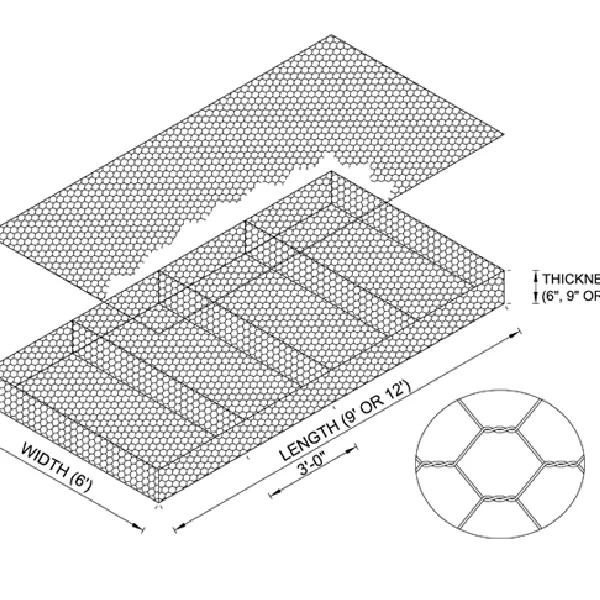
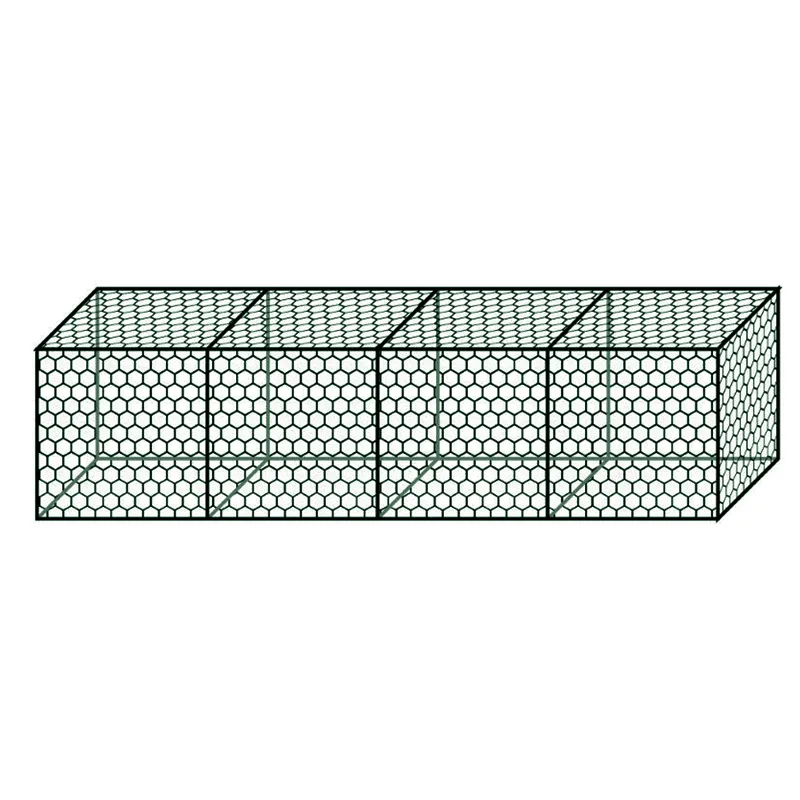
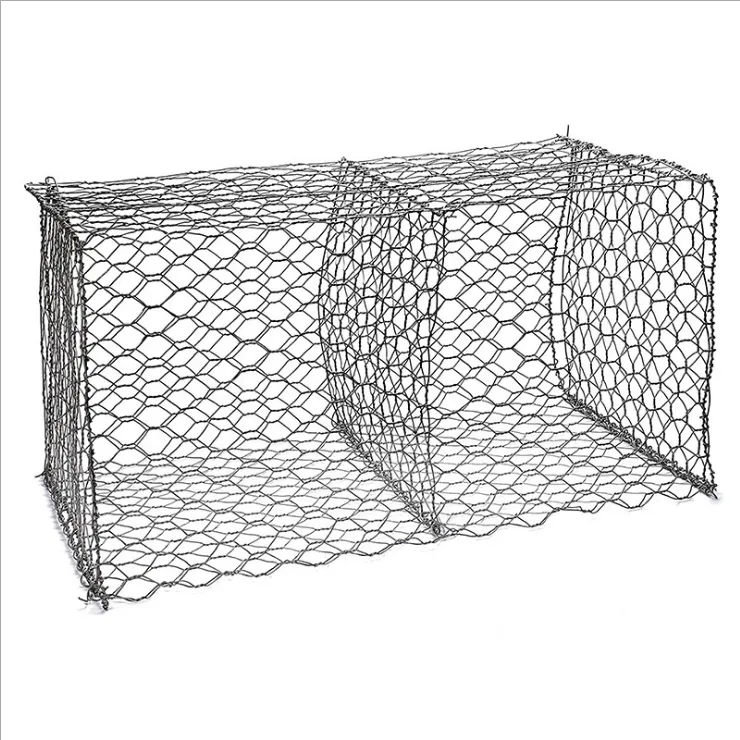
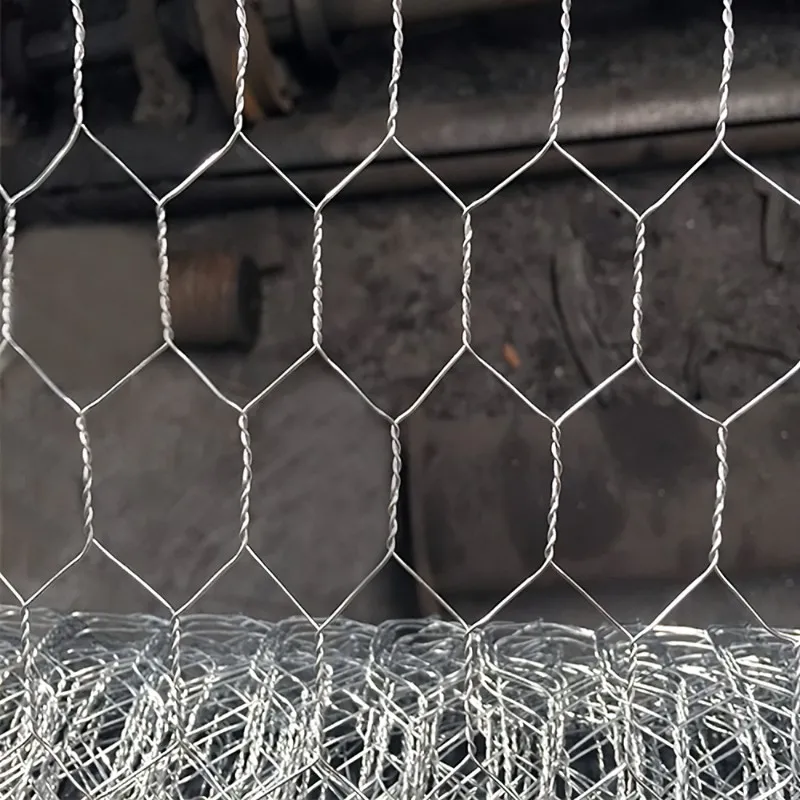
Chain fencing for garden typically refers to a mesh fence made from interwoven steel wires, galvanized or coated for weather resistance, that forms a "chain link" pattern. It's a common sight around residential yards, parks, and commercial properties. But its meaning extends: it's about creating secure yet unobtrusive boundaries that allow visibility and airflow, unlike solid barriers. This fencing type merges traditional craftsmanship with modern metallurgical advances, fitting right into contemporary needs like quick installation, low maintenance, and longevity.
In modern industry and humanitarian efforts, chain fencing brings a doubly valued role: it protects valuable resources and also supports community well-being by defining safe zones without cutting people off. It’s a sort of ground-level infrastructure that underscores safety and trust.
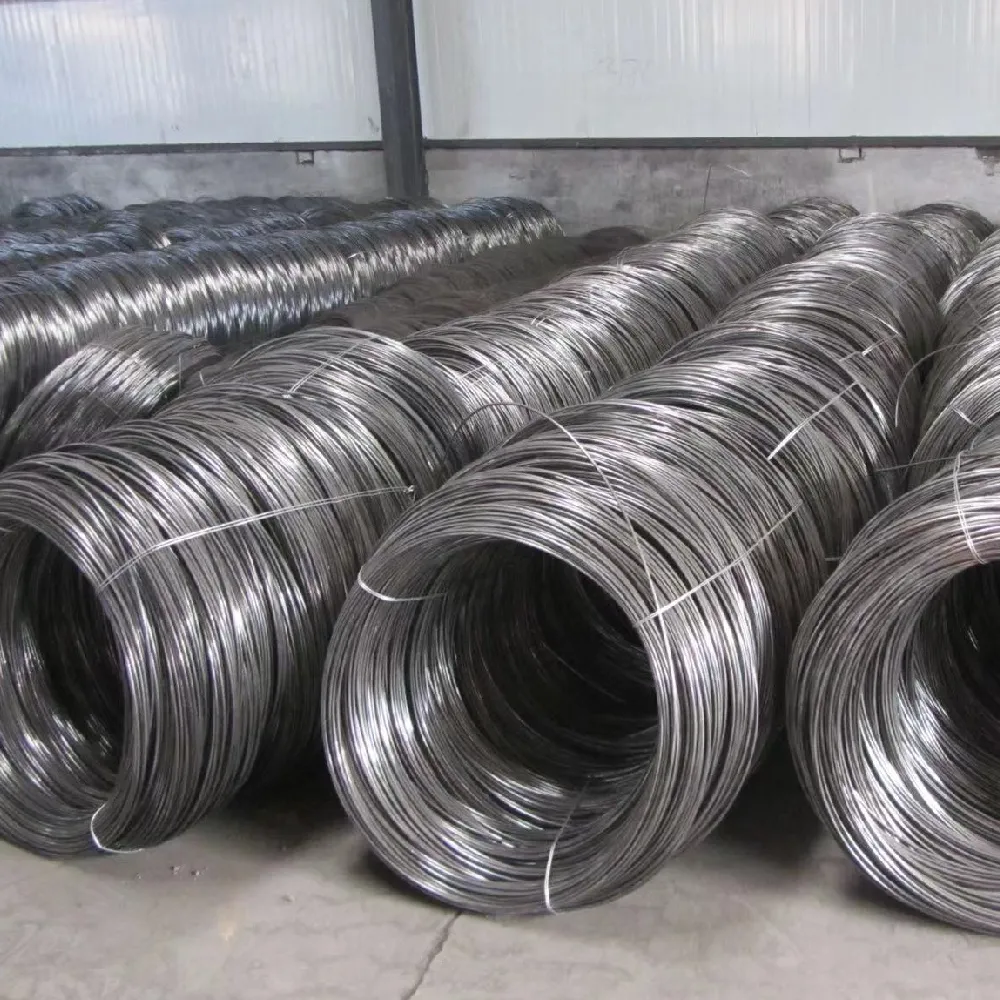
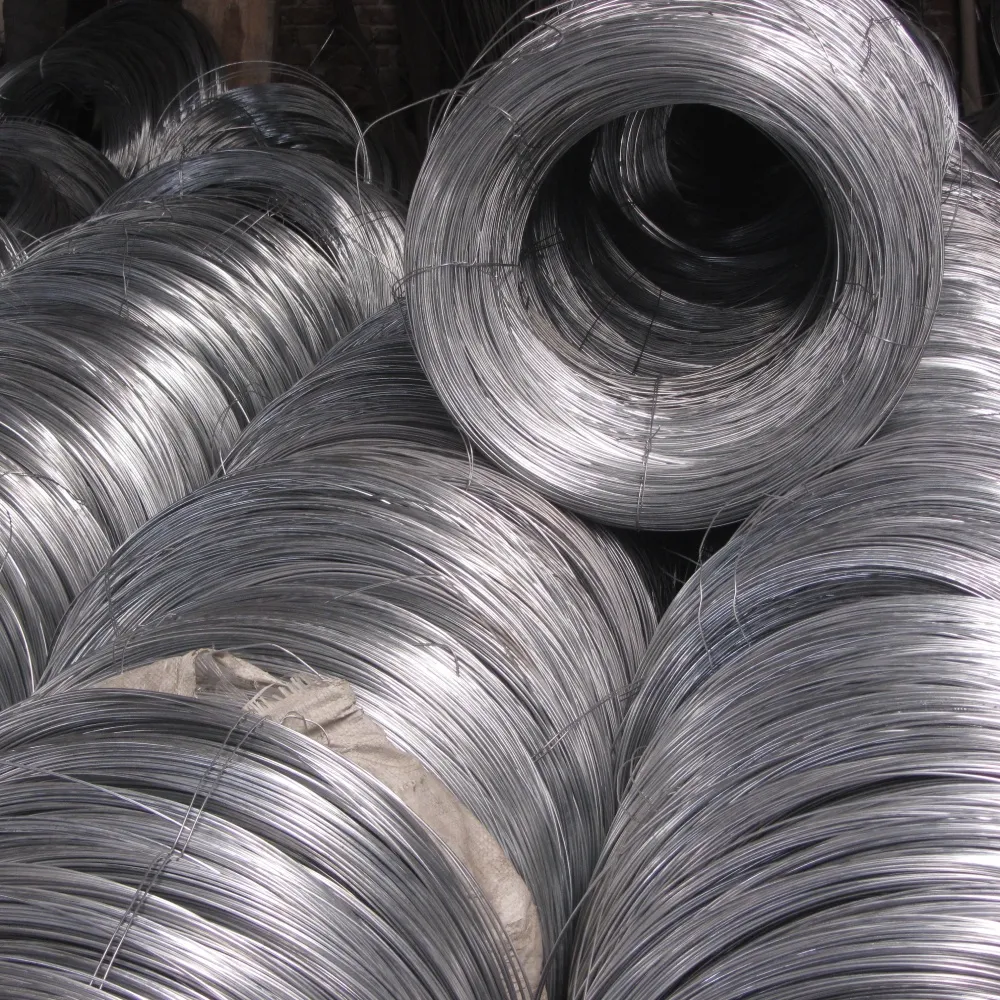
The galvanized or vinyl-coated steel wire used in chain fencing is designed to resist rust, corrosion, and wear caused by sun and rain. This means fewer repairs over a fence’s lifespan, making it a cost-effective choice in the long run. Many engineers and property managers attest to the fact that a good chain fence can last upward of 15 years without major issues.
Unlike wooden or concrete barriers, chain fencing doesn’t block sightlines. This makes it especially popular where monitoring is needed—think playgrounds, schools, and community gardens. It’s a way of saying “we’re protected, but we’re not closed off,” which touches a very human desire for openness while maintaining security.
Chain fencing usually costs less to produce and install compared to masonry walls or elaborate composite fences. Plus, it can be scaled up or down easily—anything from a small garden enclosure to multi-acre industrial perimeters. This scalability makes it appealing for NGOs running budget-conscious projects or developers managing vast estates.
One of the underrated perks is how quickly chain fences can go up. With modular panels and standard posts, installation can often be done within days rather than weeks. Plus, routine maintenance is as simple as occasional cleaning and tightening, versus full-on repainting or structural repairs.
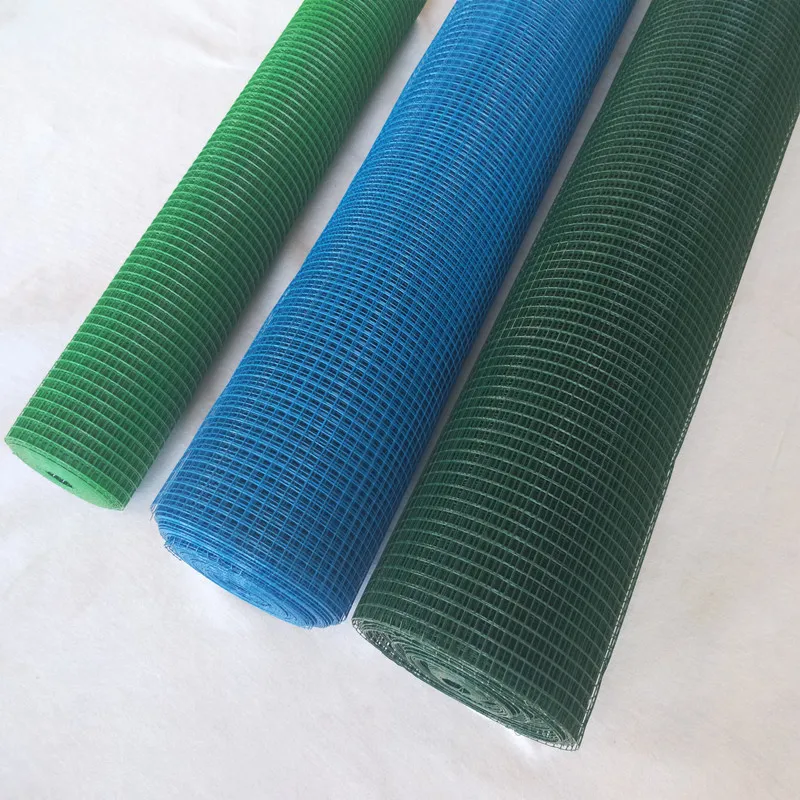
Often overlooked is the range of coating colors and heights available, which can enhance garden aesthetics, complementing everything from lush greenery to sleek urban backdrops. Custom colors like green or black vinyl coatings are popular for blending with natural surroundings.
Mini takeaway: Durability, transparency, cost, and ease combine to make chain fencing an all-round performer in garden fencing and beyond.
This fencing style has proven its worth around the world. In Europe and North America, it’s the backbone for securing school grounds, dog parks, and community gardens. In developing countries, humanitarian organizations have widely used chain fencing to protect water points, temporary shelters, and storage depots during post-disaster relief. An NGO in the Philippines, for example, recently installed over 500 meters of chain fencing in a typhoon-hit community, providing both security and a clear boundary for rehabilitation efforts.
Industrially, energy plants and mining operations in remote areas use chain fencing extensively to deter trespassers without obstructing surveillance. The adaptability of the fence also facilitates quick reconfiguration as operational needs evolve—often requested by facility managers.
| Specification | Details |
|---|---|
| Material | Galvanized steel wire, 9 or 11 gauge |
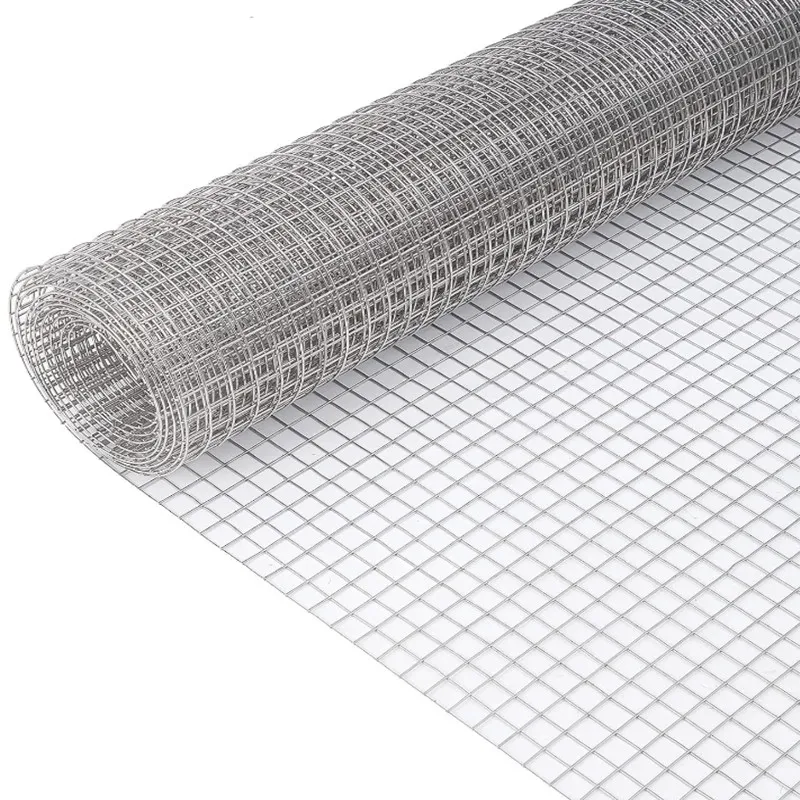
| Mesh Size | 50 mm x 50 mm (2" x 2") typical |
| Height Range | 1.2 m to 2.5 m standard |
| Coatings | Galvanized, Vinyl-coated (various colors) |
| Post Spacing | 2.5 meters (8 feet) typical |
| Installation Time | 1-3 days per 100 meters (avg) |
There’s something reassuring about a fence you can trust for years. The emotional payoff comes from knowing your garden, your livelihood, or your community efforts have a dependable protector. On the logical side, it’s about low total cost of ownership paired with strong performance in harsh weather. It’s no surprise many property managers praise its reliability.
Moreover, chain fencing empowers a balanced sense of security and openness, which is psychologically soothing. You’re protected, not imprisoned. Socially, well-secured green spaces contribute to community pride and better urban planning. Many urban planners agree that transparent fencing fosters safer play areas and better neighborly relations (somewhat counterintuitive but true!).
Mini takeaway: Chain fencing offers long-term peace of mind, combining physical durability with psychological and social benefits — a rare trifecta.
One can’t help but notice the gradual incorporation of green technologies into traditional materials. Future chain fences might include solar-powered LED posts for nighttime security or smart coatings that resist graffiti or self-heal minor damage. Synthetic alternatives to steel wires—think recyclable, corrosion-free polymers—are also gaining traction for higher sustainability.
Another trend is automation and digital integration: fences embedded with sensors detecting breach attempts or environmental conditions. The fusion of traditional chain fencing with IoT tech promises fencing that not only protects but also informs managers anytime and from anywhere.
Chain fencing isn’t flawless. A common gripe is its limited privacy; if you want to fully block the view, it’s no good. To solve this, many users add slats or plant hedges parallel to the fence to create a green screen. Another concern is vandalism—while resilient, the fence can be cut or bent with the right tools. Innovative coatings and better security protocols are helping reduce this risk.
Installation on uneven ground poses some challenges too. Skilled installers can handle this by customizing posts and mesh panels, ensuring consistent tension and appearance. So, while chain fencing is flexible, it does require some know-how to maximize its benefits.
| Vendor | Material Quality | Customization | Installation Support | Pricing |
|---|---|---|---|---|
| Tike Metal | High-grade galvanized steel | Vinyl coatings, custom heights | Full installation guides | Competitive, volume discounts |
| FenceCo | Standard galvanized | Limited color options | Installation service available | Mid-range |
| GardenGuard | Galvanized with weatherproof coating | Custom mesh sizes | DIY kits and tutorials | Affordable |
With proper galvanized coating and regular maintenance, chain fencing typically lasts 15 to 20 years. Vinyl-coated options may extend lifespan due to extra protection against weather and corrosion.
Yes. It requires some adjustment, like using custom post lengths and tension techniques, but professional installers or careful DIYers can handle uneven ground without compromising fence integrity.
Absolutely. The mesh size can be chosen to prevent small animals from escaping, and the fence height is easily customized to prevent climbing or jumping, making it ideal for family gardens.
Look for suppliers offering recycled steel or those with environmental certifications. Also, vinyl-coated fences in low-VOC materials and using installation methods that minimize soil disturbance help reduce environmental impact.
Yes! Many gardeners use climbing vines or hedges alongside the fence to create natural privacy screens while maintaining the fence’s structural benefits.
From the practical durability of galvanized steel to the social benefits of open yet secure boundaries, chain fencing for garden quietly delivers unmatched value. It adapts to diverse climates, budget ranges, and functional needs, making it reliable for homeowners, businesses, and humanitarian projects alike. If you’re considering fencing solutions that blend cost-efficiency, aesthetics, and long-term resilience, chain fencing is a top contender.
For tailored solutions, coatings, and fast deployment, be sure to visit Tike Metal and explore their customizable options that fit your unique garden or project needs.
Mini takeaway: Whether for peace of mind or practical security, chain fencing remains a grounded, go-to investment with plenty of innovation still on the horizon.
References:
RELATED PRODUCTS






Top