At first glance, a private chain link fence might seem like a simple backyard staple — practical, utilitarian, and frankly, everywhere. But zoom out, and you'll quickly realize this fencing type carries a global significance. Why? Because it delivers an affordable, durable solution to security and privacy challenges faced by homeowners, businesses, and even humanitarian agencies worldwide.
Understanding private chain link fencing is important because it intersects industry ingenuity and societal needs, offering safety, modular adaptability, and an excellent balance of cost and performance. Over the years, the simple weave of galvanized or PVC-coated steel wire has evolved, and its applications span from residential enclaves to industrial zones and disaster relief camps.
Mini takeaway: Private chain link fences aren’t just fences—they’re a scalable, global security solution.
According to the ISO, security infrastructure investments are projected to grow steadily, with fencing playing a critical role. Rising urbanization and property development worldwide demand effective fencing solutions. As of 2023, the global fencing market is expected to reach over $10 billion, partly driven by the increasing popularity of private chain link fences.
Yet, challenges remain. Many regions, especially in developing countries, struggle with fencing materials that either degrade quickly or are cost-prohibitive. Private chain link fences offer a promising answer: they’re robust against weather elements, relatively easy to install, and require limited maintenance.
Mini takeaway: Globally, private chain link fences address cost and durability challenges in growing residential and industrial sectors.
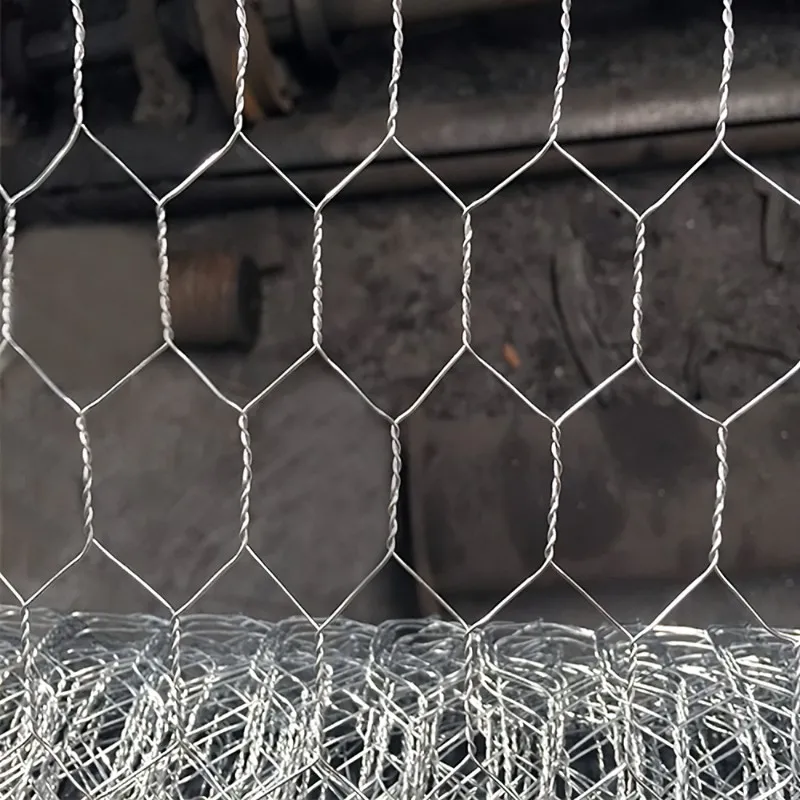
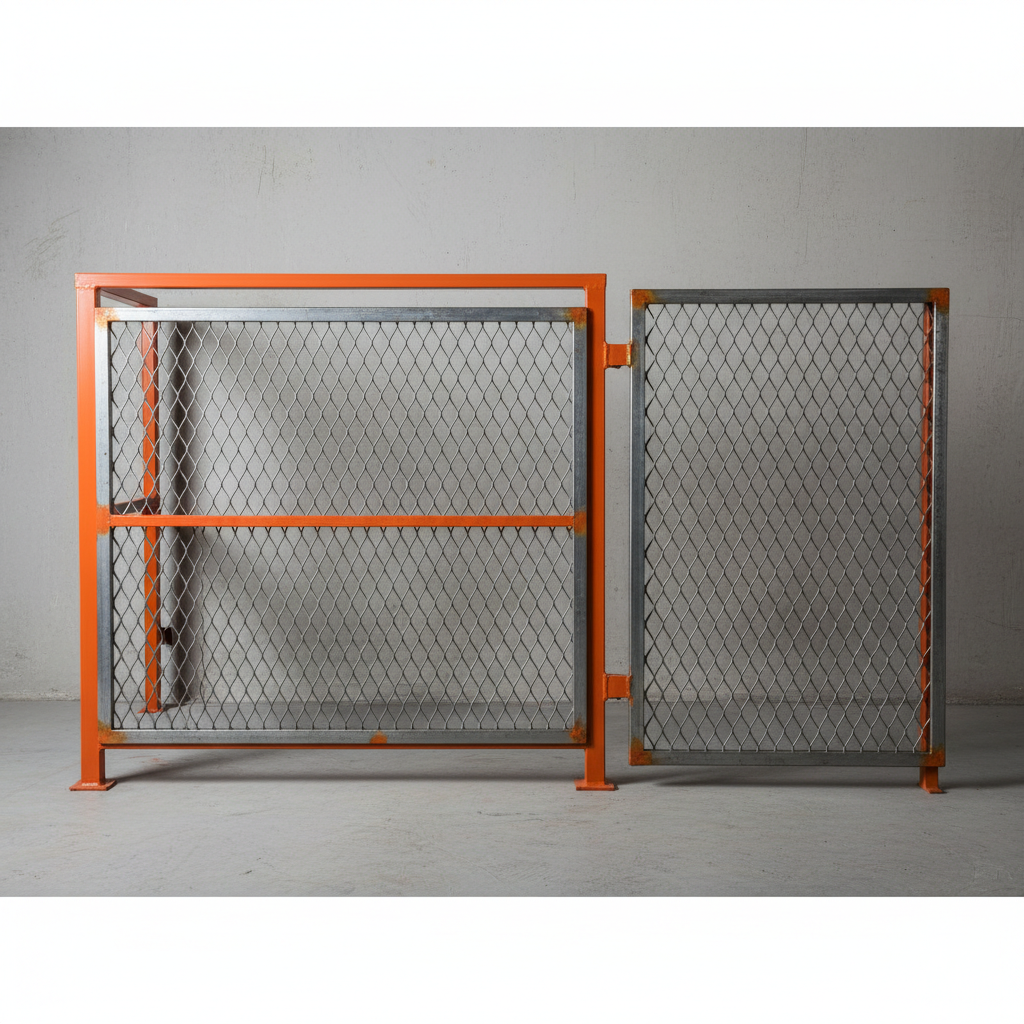
In simple terms, a private chain link fence is a type of woven fence usually made from galvanized or PVC-coated steel wires. The “chain link” pattern forms a diamond mesh, providing both transparency and a strong physical barrier. When labeled “private,” it generally means the fencing is erected to enclose private property, enhancing security, privacy, or both.
Modern industry relies on this fencing because it strikes a compelling balance: unlike wooden or vinyl fences, it’s less prone to weather damage and vandalism, while still being more budget-friendly than solid metal panels.
Humanitarian operations often adopt chain link fencing as well, using it to quickly establish boundaries in camps or secure supply routes, where the realities on the ground demand rapid, reliable installation.
Mini takeaway: Private chain link fences are flexible, resilient fences widely used in both everyday and emergency contexts.
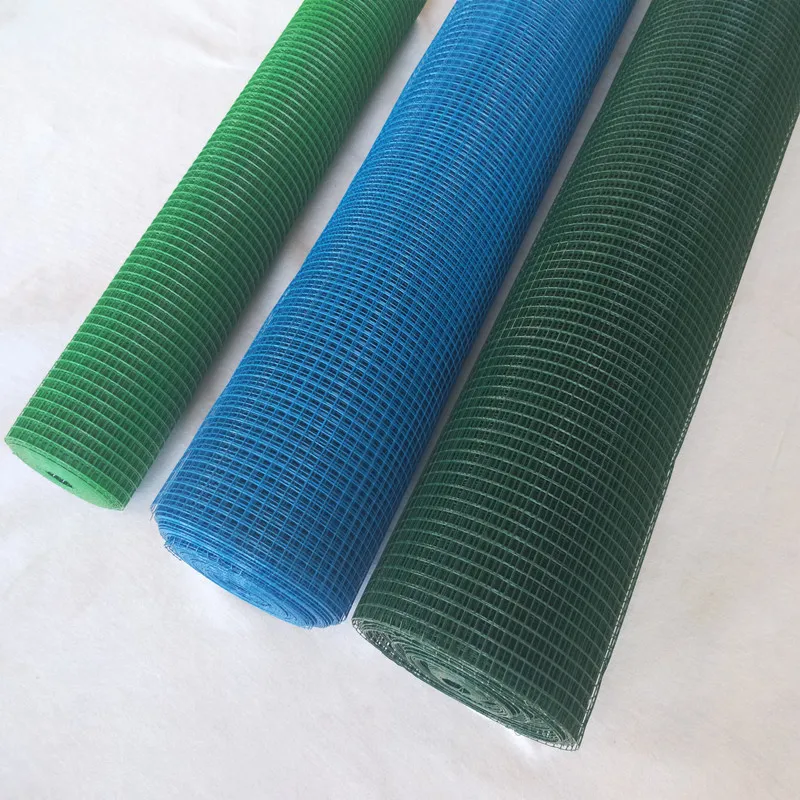
These fences often feature galvanized steel wires or are coated with PVC to resist rust and corrosion — crucial in coastal or humid environments. Many engineers I’ve spoken with emphasize that this resilience often outperforms traditional wood or iron fencing in the long run.
Compared to wrought iron or brick walls, a chain link fence can be up to 40% less expensive to install and maintain, making it a favorite choice for budget-conscious clients.
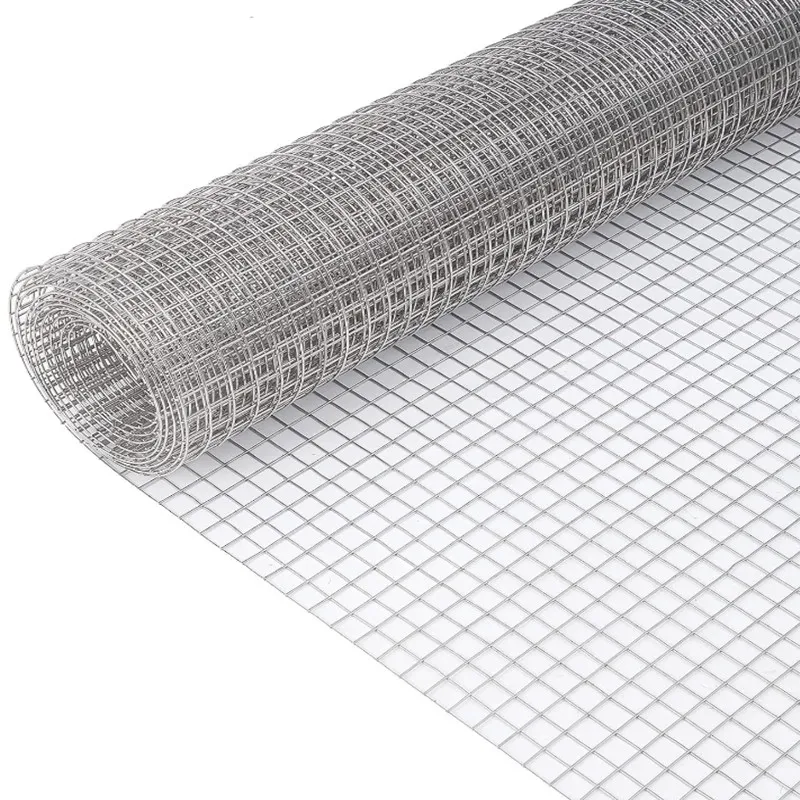
Chain link fences come in rolls, which means you can customize lengths easily. Businesses appreciate this modularity when securing changing boundaries or temporary sites.
Adding slats or privacy screens can block visual access, while maintaining airflow. Plus, heights can be adapted, and barbed wire can be attached for higher security levels.
Many contractors report that chain link fencing generally requires less heavy machinery and fewer skilled laborers, which is a decisive advantage in remote or resource-limited areas.
Mini takeaway: The durability, scalability, and cost-effectiveness of private chain link fences make them a go-to for varied security needs worldwide.
Private chain link fences are surprisingly ubiquitous. In North America and Europe, they’re staples in residential backyards, schools, and sports fields. In emerging markets like Southeast Asia, they’re preferred for defining property boundaries in rapidly urbanizing areas.
Disaster relief organizations use these fences to organize camps and control access, providing secure but flexible perimeters. In industrial sectors, particularly mining and construction, these fences prevent unauthorized entry without weighing down the environment with excessive materials.
Oddly enough, some wildlife reserves employ chain link fencing to protect delicate habitats, using specialized coatings to prevent corrosion in humid ecosystems.
Example: After floods in Southeast Asia in 2021, relief agencies installed chain link fences around temporary shelters to improve safety and reduce theft — a practical move with a human touch.
Mini takeaway: Long-term benefits combine practical durability with social and emotional value.
Technology hasn’t left fences behind. We see increasing use of smarter materials—self-healing coatings and UV-resistant finishes that last longer in harsh sun. Some fences come embedded with sensors, integrating with smart home or facility management systems for real-time intrusion alerts.
From a sustainability angle, manufacturers pursue greener production — using recycled steel and reducing water usage during manufacturing.
Digital design tools enable faster customization, meaning clients can now order precisely engineered fence sections tailored to their terrain or aesthetics.
Chain link fences do face criticism—mainly over perceived “industrial” looks or insufficient privacy without added slats. Also, ultraviolet rays and salty air can degrade coatings sooner than expected, especially if cheaper materials are used.
To address this, newer coating technologies extend life spans, and hybrid fences combining chain link with panels or plant barriers offer better aesthetics without losing benefits. Installation training programs from vendors focus on appropriate site prep and maintenance, minimizing long-term issues.
| Specification | Typical Value | Notes |
|---|---|---|
| Material | Galvanized steel, PVC-coated steel | PVC adds corrosion resistance |
| Mesh Size | 1.5 inches to 2.5 inches | Customizable per security needs |
| Wire Gauge | 9 to 11 gauge | Lower gauge = thicker wire |
| Fence Height | 3 ft to 12 ft | Adjustable for privacy & security |
| Finish | Galvanized, vinyl-coated, polyester-coated | Enhances lifespan and aesthetics |
| Vendor | Material Quality | Customization | Pricing | Lead Time |
|---|---|---|---|---|
| Tike Metal | High-grade galvanized & PVC-coated steel | Fully customizable meshes & sizes | Competitive | 2-3 weeks |
| Generic Vendor A | Standard galvanized steel | Limited sizes | Lower cost | 4-6 weeks |
| Vendor B | PVC coating option only | Moderate customization | Moderate pricing | 3-4 weeks |
A quality private chain link fence, especially those galvanized and coated with PVC, can last anywhere from 15 to 30 years with proper maintenance. Environmental factors like humidity and salt exposure can shorten or extend this lifespan.
Absolutely. Privacy slats—thin strips of vinyl or metal—can be inserted into the mesh to reduce visibility. Additionally, vegetation or privacy screens can be used along the fence line for added screening.
They can be. Heights can be increased, and security features like barbed or razor wire added on top. Coupled with surveillance and good lighting, they serve well for many industrial or institutional facilities.
Installation speed depends on size and terrain but generally ranges from a few hours to several days. Their modularity and lighter materials often allow for faster deployment compared to masonry or wrought iron fencing.
You can explore established manufacturers like Tike Metal, known for quality materials and customization, ensuring your project matches specific requirements and budgets.
So, what’s the real story behind private chain link fences? They offer a remarkably versatile, durable, and cost-conscious solution for securing property borders, all while supporting privacy and adapting to a wide range of environments.
Whether you’re a homeowner wanting peace of mind or an organization managing complex perimeters in challenging environments, their long-term value is evident—and growing with new materials and tech innovations.
Curious to explore options or get a custom quote? Visit Tike Metal to get started on your next fencing project today.
RELATED PRODUCTS





Top