Link fence privacy — a term that might sound technical or niche — actually touches the core of how privacy and security have evolved for outdoor spaces worldwide. Whether in urban neighborhoods, industrial zones, or humanitarian camps, people and organizations seek solutions that combine visibility with discreet protection. At its heart, link fence privacy offers a way to balance openness and seclusion without breaking the bank.
Globally, the demand for effective privacy solutions on fences has surged. With increasing urban density and rising concerns around safety, simple chain link fences often fail to provide the discretion that homeowners, businesses, and relief agencies require. More than aesthetics, privacy fencing can determine how secure a property feels — a surprisingly profound influencer on community well-being and individual dignity.
Learning about link fence privacy means understanding how this modest infrastructure piece transforms across sectors and climates — from bustling city parks to remote research stations.
Mini takeaway: Even a basic chain link fence can become a powerful privacy tool with the right design and materials — and that’s what makes link fence privacy relevant everywhere.According to data from the United Nations, an estimated 55% of the world's population now lives in urban areas, a figure expected to grow to 68% by 2050. This rise intensifies the need for functional, space-saving privacy solutions that respect limited urban space. Moreover, ISO standards on fencing (ISO 1461) underline durability and corrosion resistance as essential for long-term safety, especially in harsh environments.
At the same time, industries like manufacturing and logistics prioritize perimeter security without sacrificing visibility for safety inspections. For humanitarian agencies operating in disaster zones, link fence privacy solutions form a crucial part of securing temporary shelters quickly and affordably — a challenge to standard fencing methodologies.
Yet, a pervasive problem remains: traditional hedges or solid walls can be costly or slow to install, and sometimes they’re just not viable — physically or economically. This is where link fence privacy solutions come in.
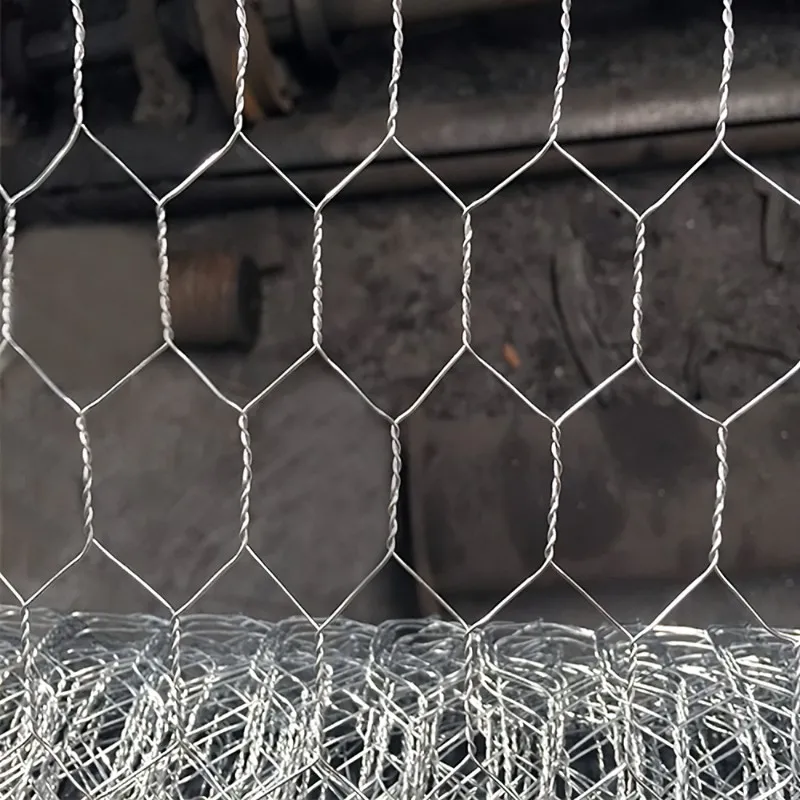
Mini takeaway: The real challenge globally is balancing effective privacy with cost, scalability, and rapid deployment — link fence privacy answers many of these demands.Simply put, link fence privacy refers to implementing materials or design elements that enhance privacy on chain link fences. Classic chain link fences are made of interwoven steel wires, forming a diamond pattern — great for boundary marking but not for privacy.
To boost privacy, accessories like slats, mesh screens, vinyl inserts, or fabric coverings are added to these fences. These additions reduce visibility through the fence while keeping airflow and some degree of light penetration. The term “link fence privacy” collectively describes these solutions and their installation methods.
Link fence privacy bridges the gap between open security fences and solid walls. It’s widely used not just in standard residential or commercial settings but also in humanitarian and industrial contexts where temporary yet effective privacy barriers are necessary.
Mini takeaway: Think of link fence privacy as a practical upgrade — making a see-through fence become a private, secure shield tailored to specific needs.One of the top reasons link fence privacy is popular is its resistance. The materials used — often UV-resistant vinyl or specialized fabric meshes — stand up well to weather extremes and sunlight. This durability is key for everything from coastal installations to high-altitude sites.
Because link fence privacy solutions are modular and attachable, they can be scaled up or down effortlessly. Whether enclosing a small garden or a multi-acre industrial compound, the system’s flexibility allows quick adjustment and easy repairs.
Compared to brick walls or wooden fences, link fence privacy add-ons are significantly less expensive to install and maintain. This matters a lot in large projects or NGOs trying to maximize budget while delivering quality privacy.
Beyond utility, manufacturers offer colors, textures, and patterns. This means link fence privacy can complement surroundings or corporate branding — not just be a boring metal screen.
Many products require no special tools or expertise, which makes them ideal for rapid deployment and DIY upgrades alike. Instant privacy without waiting months is a big selling point.
Reusable materials and recyclable elements present greener alternatives to disposable barriers, fulfilling growing sustainability concerns in urban and industrial planning.
Mini takeaway: When picking fence privacy options, look for durability, adaptability, cost, and ease — these factors practically guarantee satisfaction.From Tokyo’s compact yards to sprawling industrial parks in Germany, link fence privacy has found its niche. In disaster relief zones, NGOs use vinyl fence covers to protect vulnerable populations — creating a sense of dignity amid chaos. For instance, after the 2019 Cyclone Idai in Mozambique, organizations installed rapid fences with privacy slats to shelter displaced families.
Industries like mining and energy employ these fences to secure sites without cutting off visual monitoring for safety. Urban planners utilize them in shared community parks to define boundaries subtly.
In residential neighborhoods worldwide, homeowners choose link fence privacy to deter unwanted views and enhance security without sacrificing airflow, vital in hot climates.
Regions with specific regulations about fence visibility—such as certain U.S. states—often encourage chain link fences with privacy slats rather than solid barriers to comply with both safety and privacy laws.
Mini takeaway: The versatility of link fence privacy makes it a go-to solution from emergency camps to affluent suburban backyards.Emotionally speaking, adding link fence privacy is like putting a soft barrier between your personal or work life and the outside world. It creates a safe nook without closing off the whole community.
Mini takeaway: The benefits add up — financial, emotional, and ecological — making link fence privacy a smart investment across contexts.Manufacturers are diving into smart materials — imagine privacy screens that adjust opacity with sunlight or temperature to improve energy efficiency on adjacent buildings. Biodegradable privacy fabrics are in testing to reduce landfill waste.
Automation and IoT integration are also creeping in: fences that adjust tension and material permeability remotely or incorporate sensors for security systems.
Digital printing means highly customizable designs — logos, art, or community messages — turning these fences into communicative, not just functional, structures.
There’s also an increasing push toward sustainable sourcing of raw materials and energy-efficient manufacturing, tying into global green building initiatives.
Mini takeaway: The fence isn’t just a fence anymore — it’s a tech-savvy, aesthetic, and eco-conscious boundary.Of course, link fence privacy isn’t perfect. Some common hurdles are:
Experts recommend precise installation training, choosing products with weather warranties, and quality checks post-installation. Using composite or reinforced material helps resist wind damage — a must in coastal or open lands.
Mini takeaway: Like all outdoor products, link fence privacy needs thoughtful planning and quality choices to shine long term.| Feature | Typical Specification | Benefit |
|---|---|---|
| Material | UV-stabilized Vinyl, HDPE Mesh | Weather & UV resistant for lasting privacy |
| Color Options | Green, Black, Brown, Custom Prints | Blend with environment or brand identity |
| Installation | Slip-in Slats, Tie Wrap Mesh | Fast, tool-free, adaptable to different fences |
| Wind Resistance | Up to 90 km/h with reinforcements | Reliable in most climates with proper setup |
| Average Lifespan | 7-10 years under typical conditions | Cost-effective over long term use |
| Vendor | Material Quality | Customization | Installation Ease | Price Range | Sustainability |
|---|---|---|---|---|---|
| FenceMasters Co. | High-grade HDPE | Colors & Logos | Very easy, tool-free | $$$ | Recycled content |
| SecureFence Solutions | UV-resistant vinyl | Limited | Moderate, instructions included | $$ | Standard plastic |
| EcoFence Tech | Biodegradable Mesh | Custom prints supported | Easy, prep required | $$$$ | Excellent, eco-focus |
A: Privacy slats typically block 70-90% of visibility, depending on material and spacing. Vinyl slats offer almost complete opacity, while mesh screens allow some airflow and light but less complete coverage.
A: Yes, most privacy inserts like vinyl slats or mesh ties are designed for DIY installation without special tools. However, ensuring tight fitting and checking manufacturer guidelines is important for durability.
A: With proper UV stabilization and reinforced posts, these fences resist wind, rain, and sun damage well. In hurricane-prone areas, extra fasteners and stronger posts may be necessary.
A: Absolutely. Some vendors now offer biodegradable or recycled-material privacy mesh. These options help reduce plastic waste and align with green building standards.
A: Many manufacturers provide custom colors and digital print options allowing logos or patterns, turning functional fences into branding opportunities.
All told, link fence privacy stands out as a versatile, cost-effective, and increasingly innovative solution for privacy and security around the world. Whether you’re a homeowner wanting a bit more seclusion, a business securing assets, or an NGO managing temporary shelter privacy, these fencing upgrades offer real value. They are durable, customizable, scalable, and eco-conscious enough to match modern demands.
Curious? Explore your options and get inspired by visiting link fence privacy resources for detailed product choices and expert support.
After all, privacy is more than just a fence — it’s peace of mind.
RELATED PRODUCTS






Top