Decorative chain link fence might initially sound like an oxymoron: chain link fencing is traditionally seen as functional and utilitarian — meant to corral, secure, and separate. But today, this fencing type is much more than a simple boundary. Globally, the demand for fencing that blends security with aesthetic appeal is rising. Whether for urban parks, commercial properties, or residential boundaries, decorative chain link fences are answering a unique challenge: how to offer durability without sacrificing style.
Considering that around 53% of the world’s population lives in urban areas (according to UN DESA data), there’s a real need for fencing solutions that are as visually pleasing as they are practical. Decorative fencing helps improve property values, deters trespassing, yet keeps spaces welcoming — a balancing act that few materials manage so well.
The fencing industry might not be the first thing that pops into your head when thinking about worldwide infrastructure or urban development, but it's a quiet cornerstone. ISO standards show ongoing efforts for fencing's safety and environmental impact, reflecting its global significance. Around the world, decorative chain link fences represent an affordable way to meet security mandates while elevating local aesthetics.
Urban expansion, environmental concerns, and social safety issues — especially in growing cities across Asia, the Americas, and Europe — have pushed designers and engineers to rethink traditional fences. Regular chain link can feel cold or industrial, which creates a problem where communities and businesses want to foster a safer, friendlier vibe around their spaces. The answer? A decorative weave or finishing that keeps the reliability of chain link materials while adding character and even green features.
Clearly, decorative chain link fences serve a growing niche by bridging function and form.
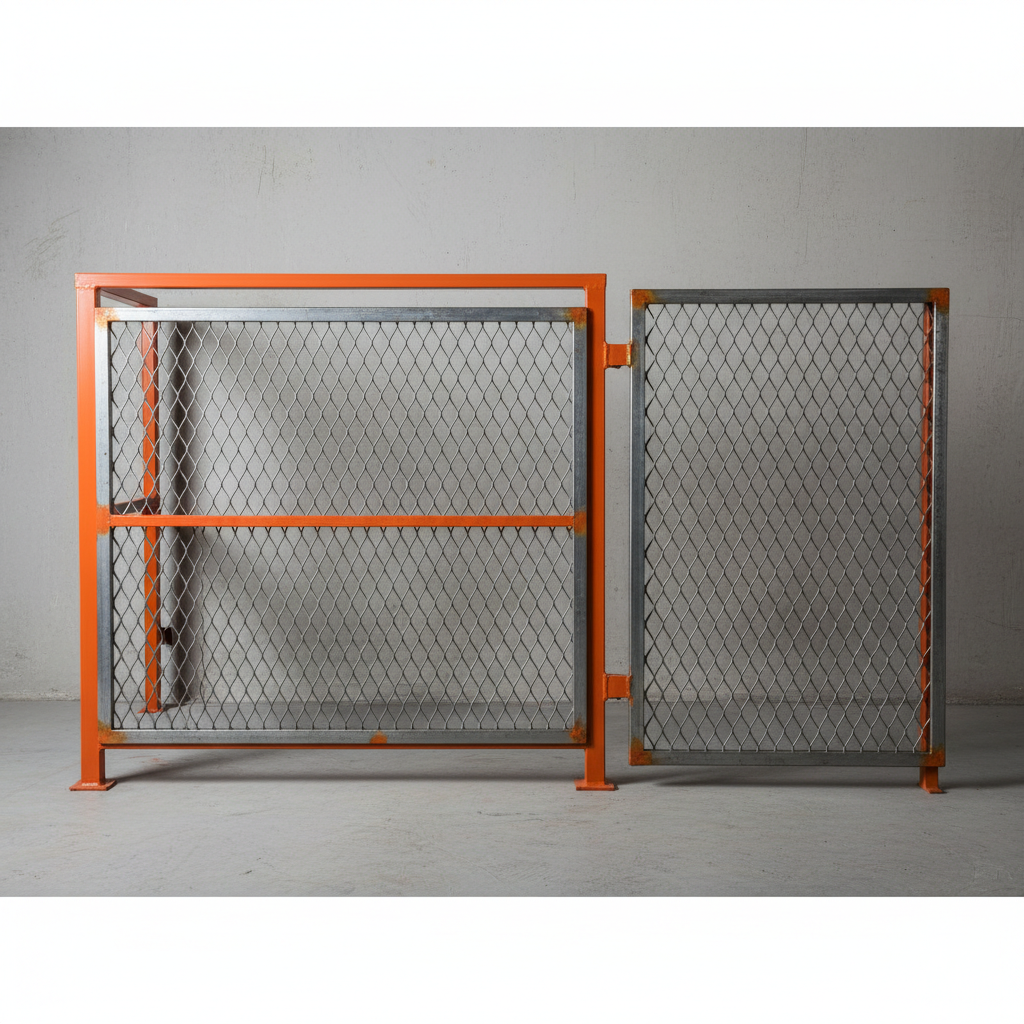
At heart, a decorative chain link fence is a traditional chain link fence that incorporates design elements to enhance its appearance and blend with environment or architectural themes. Instead of plain galvanized steel diamond mesh, these fences incorporate colored coatings, ornamental top rails, and even patterns within the mesh to add flair.
Modern construction and landscaping industries have embraced these fences for their flexibility, especially since they can be installed quickly and customized for aesthetics and security. NGOs and industrial sectors also see value here — for example, in housing compounds or relief centers that require safety but also maintain a certain dignity for dwellers.
First things first, a fence has to last. Decorative chain link fences use high-quality steel wire coated in vinyl or powder coatings, meaning they resist rust, abrasion, and UV degradation. Many manufacturers comply with ISO 1461 for hot-dip galvanizing, ensuring longevity, even in salty or humid environments.
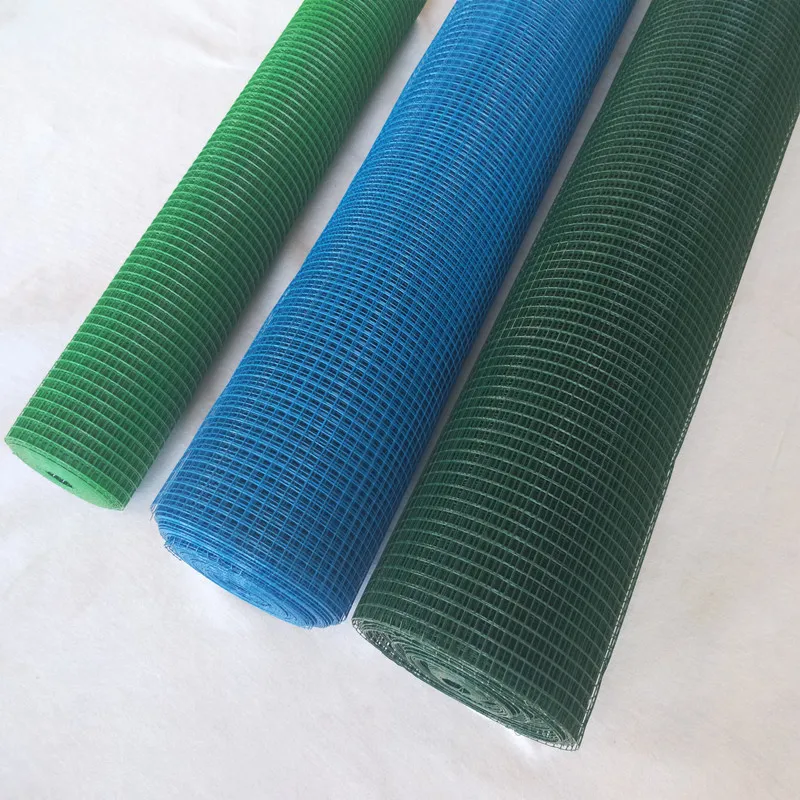
The magic lies in options: from colored PVC coatings (black, green, brown) to patterned mesh shapes and even custom post caps, these fences can complement almost any property style. Add climbing plants or privacy slats, and it’s practically a mini garden barrier.
Oddly enough, decorative chain link fences offer an economical alternative to classic ornamental fences. The materials are lighter, installation is faster, and maintenance tends to be simple — a real win for budget-conscious clients.
The intertwined mesh is inherently difficult to breach, providing solid deterrents against trespassers without feeling oppressive. Adding angles or barbs is easy for higher security sites.
Many suppliers now use recyclable materials and eco-friendly coatings. Plus, the mesh design allows natural light and air flow — a small, but meaningful advantage, especially for eco-sensitive sites.
Whether you need fencing for a small playground or a sprawling industrial park, chain link fences can be scaled and adapted. This makes them a favorite for NGOs in rapid deployment scenarios.
Mini takeaway: Decorative chain link fences are where smart engineering meets thoughtful design — a resilient, versatile solution for myriad fencing challenges.
From the leafy suburbs of Canada to bustling markets in Southeast Asia, decorative chain link fences are everywhere.
One example: after a typhoon struck the Philippines in recent years, relief organizations installed patterned green-coated chain link fences around temporary community centers, significantly improving not just safety but morale.
In practical terms, you’re not just buying wire and posts; you’re investing in peace of mind and enhanced public image.
| Specification | Detail |
|---|---|
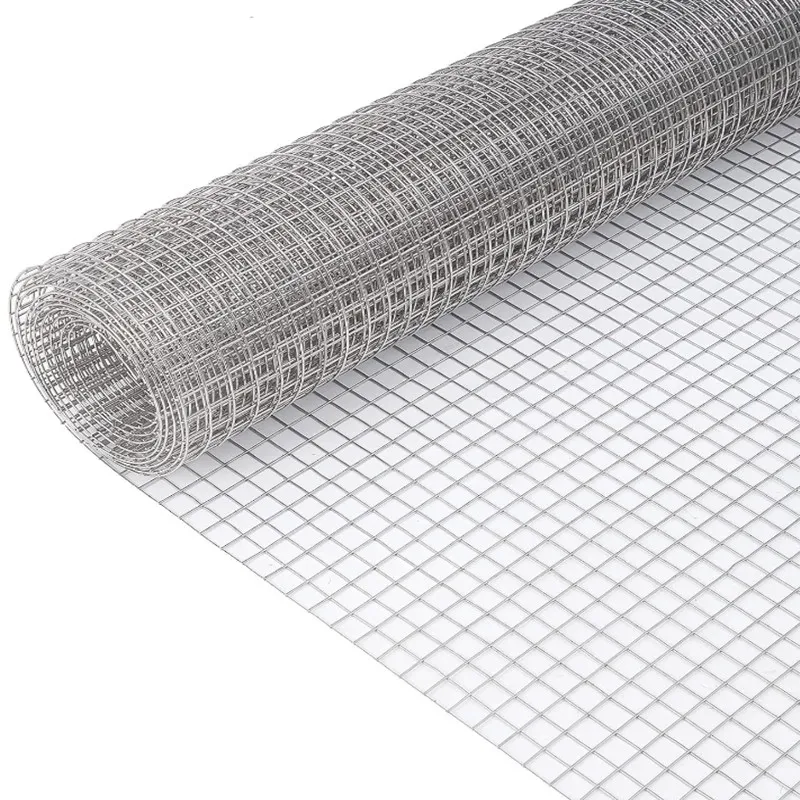
| Material | High tensile galvanized steel wire, PVC coated |
| Wire Gauge | 9 to 11 gauge |
| Coating Color Options | Green, Black, Brown, Custom |
| Mesh Size | 1 3/8” to 2” diamond pattern |
| Post Height | 4 ft to 12 ft |
| Finish | PVC dip, powder coat available |
| Vendor | Customization Options | Lead Time | Price Range | Eco-friendliness |
|---|---|---|---|---|
| Tike Metal | Full custom color & mesh pattern | 2-4 weeks | Mid | High - recyclable materials |
| SecureFences Inc. | Limited color palette | 1-3 weeks | Low-Mid | Standard |
| GreenMesh Co. | Mostly green & earth tones | 3-5 weeks | Mid-High | Very High - biodegradable coatings |
The fencing landscape is evolving. Manufacturers are experimenting with more sustainable materials like recycled plastics infused into the mesh, and solar-powered sensor integrations for security monitoring are becoming more common. Plus, 3D printing techniques for custom fence caps and ornamental details could reshape the production process, shortening lead times and costs.
Another growing trend is the integration of green walls or vertical gardens with fences. This blend of aesthetics and environmental benefits plays well, especially in urban areas looking to reduce heat islands and increase greenery.
Many engineers I’ve talked to emphasize that working with reputable manufacturers and using quality materials is half the battle.
With proper materials (galvanized steel and PVC coatings) and routine maintenance, these fences can last 15-30 years, depending on environmental conditions.
Absolutely. Many vendors offer a wide palette of coating colors. You can usually request custom colors with minimum order quantities.
Not really. Installation procedures are quite similar, but decorative fences may require more care to avoid damaging coatings during setup.
They cost slightly more upfront due to coatings and designs, but savings come from longevity and reduced maintenance.
Periodic cleaning with mild detergent, timely touch-ups for chips or scratches, and regular inspections keep the fence looking great.
Decorative chain link fence isn’t just a compromise between function and form — it’s a genuinely smart choice for those wanting the best of both worlds. It delivers strength, looks, and longevity, plus environmental and social benefits that traditional fences often miss. If you’re considering elevating your fencing while staying practical, it’s worth checking out options from trusted suppliers like decorative chain link fence specialists.
Take a moment, reflect on what your property or project needs, and then... well, hop on over to Tike Metal’s website and explore your options. Because a fence is more than a line on a map; it’s the frame for the space you care about.
References:
1. UN DESA World Urbanization Prospects (https://population.un.org/wup/)
2. ISO 1461 - Hot-dip galvanized coatings (https://www.iso.org/standard/18812.html)
3. Wikipedia - Chain link fencing (https://en.wikipedia.org/wiki/Chain-link_fence)
RELATED PRODUCTS





Top