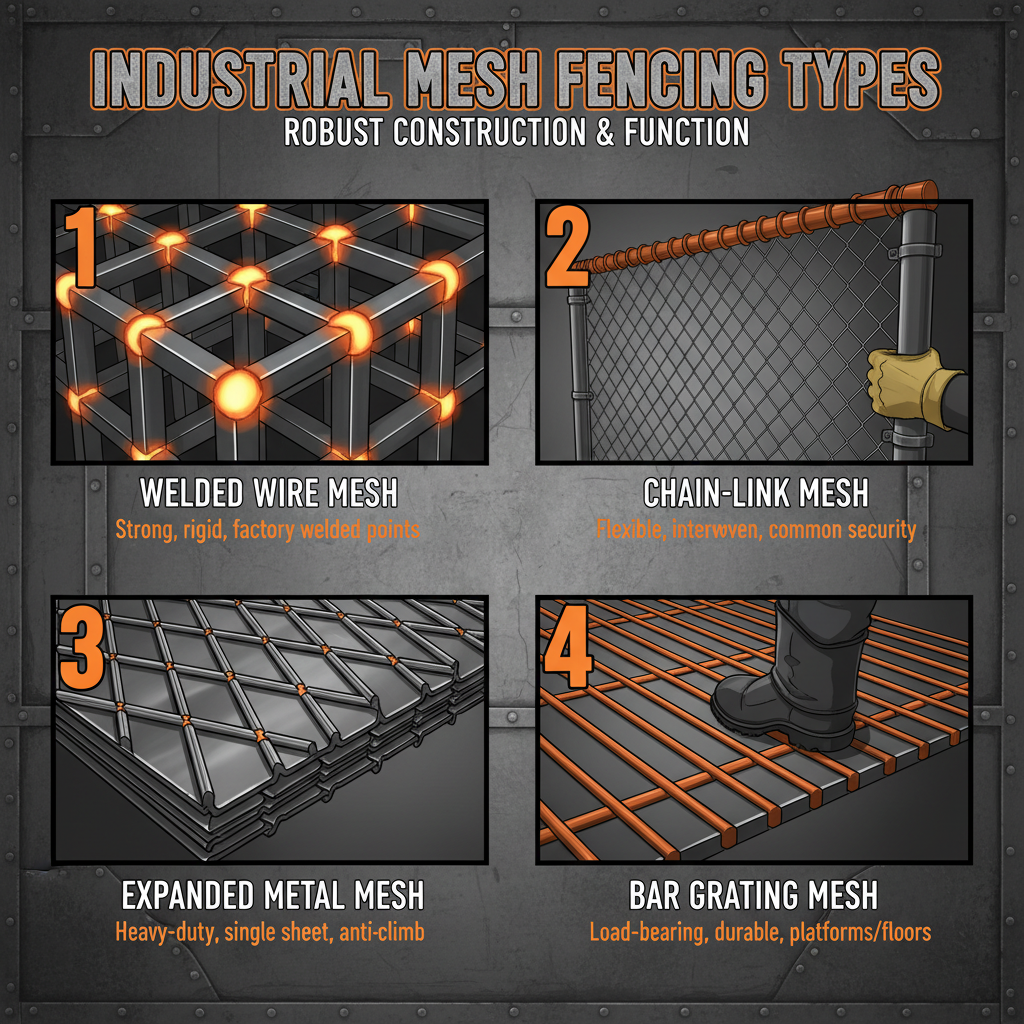
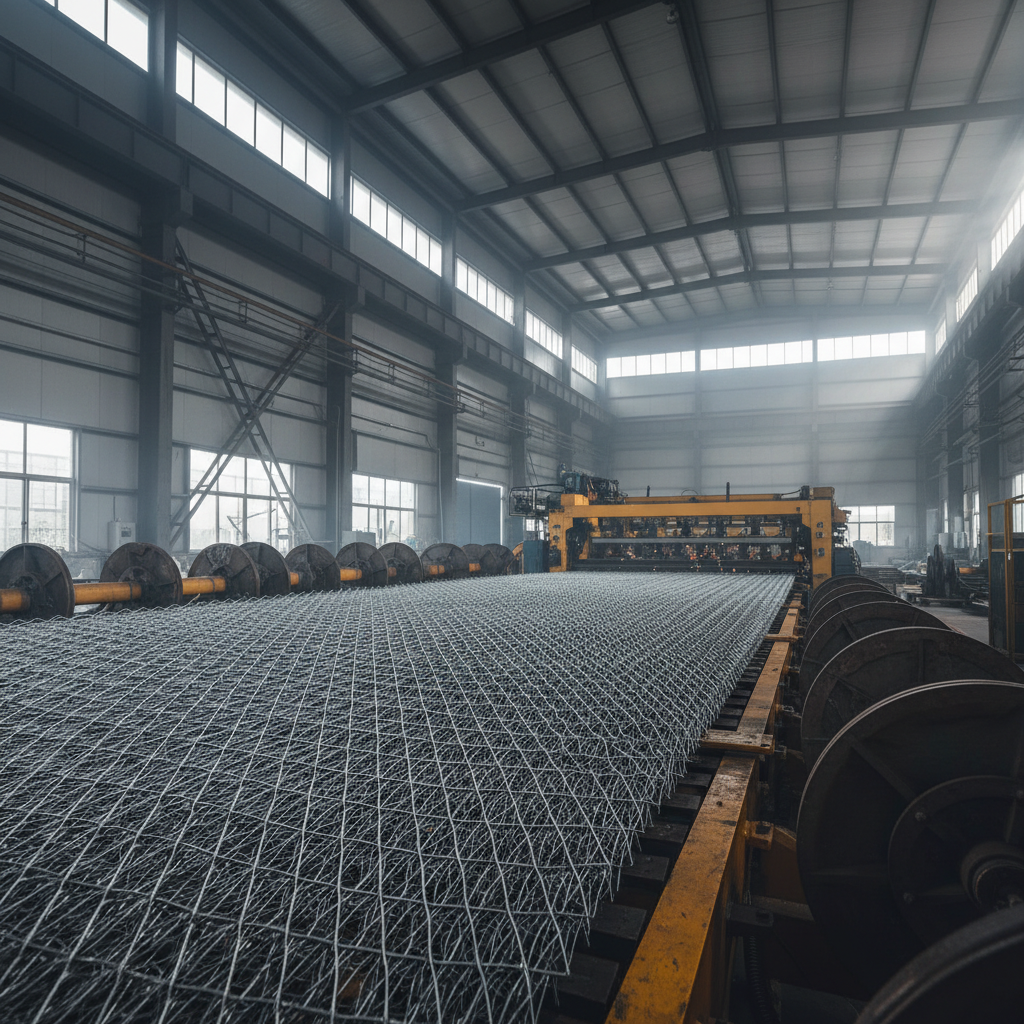
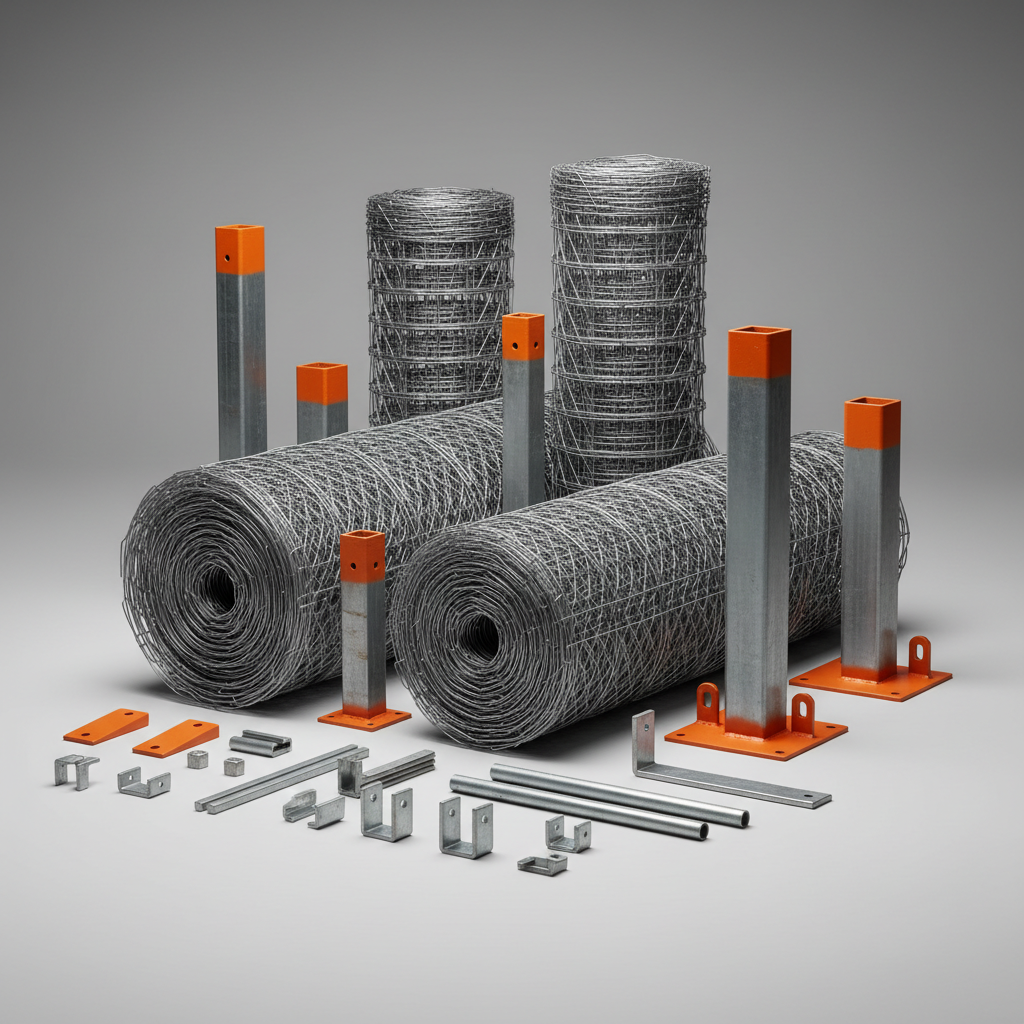
You know, it's been a busy year. Seeing more and more pre-fab stuff coming onto sites, honestly. Everyone's chasing speed, right? Prefabricated components, modular builds… it’s all about getting things up faster. But quick doesn’t always mean good, and that’s where the headaches start. Wire mesh fence is right in the thick of it. Used to be, it was just perimeter security. Now? It’s structural, it’s aesthetic, it’s even part of the building envelope. And people are trying to cut corners everywhere.
Have you noticed how everyone wants 'high strength' everything? But they forget about workability. I encountered this at a factory in Zhejiang last time. They’d spec’d this super-hardened steel wire, thinking it was a win. But it was a nightmare to bend, to join, to even handle without gloves. The welders were cursing, production slowed to a crawl… ended up costing them more in labor than the material saved. It's a balance, you know? Strength is important, but you need to be able to actually build with the stuff.
And speaking of materials… it’s not just steel anymore. There's galvanized wire, stainless steel (304, 316, the whole shebang). PVC coated, powder coated… even stuff with a bit of plastic mixed in for corrosion resistance. The stainless, that 316… smells different, doesn’t it? A bit metallic, cleaner. You can tell the quality just by feeling the weight of a roll. The galvanized, well, you get that zinc smell. It’s rougher to the touch. You gotta wear gloves with that stuff, or your hands’ll be itchy for days. And the coatings? Important. Keeps the rust off, makes it look nicer, but they can flake, crack… it's a whole other level of checking.
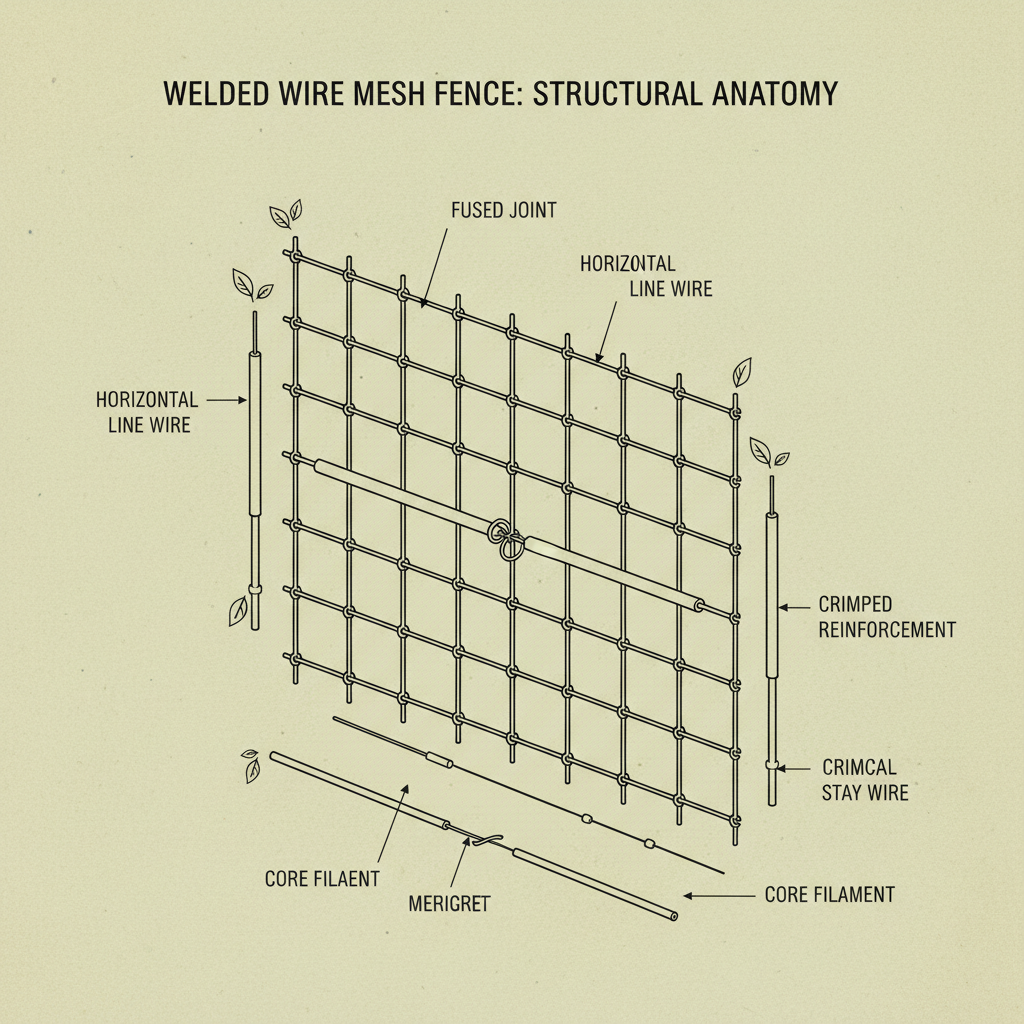
Strangely, I’m seeing a push for thinner gauge wire. People think they can save money that way. But it compromises everything. The rigidity, the lifespan... it just doesn’t hold up. Then you get complaints about sagging, bending, needing replacement after a year. It’s false economy, plain and simple. We spend more time fixing it than if they’d just used the right material in the first place. Another thing, the demand for 'invisible' fencing is growing. People want security, but they don’t want to see a fence. Black coated wire, or even clear nylon… it works, to a point. But it's often less durable, and you really have to pay attention to the mounting.
And the design side… I see so many architects designing these amazing curves and angles, then passing the drawings to the fabricator and expecting a miracle. It’s like they've never actually worked with wire mesh. The bends are critical. Too tight, and the wire will fracture. Too wide, and you get a weak spot. It’s a constant negotiation between aesthetics and engineering.
Honestly? Underestimating the environment. They see a pretty picture online and forget that it’s going to be exposed to sun, rain, snow, salt spray… Everything degrades over time. You need to choose a material and coating that can handle the specific conditions. And don't skimp on the gauge. Thinner wire might be cheaper upfront, but it'll cost you more in the long run.
It depends. If you’re trying to keep out small animals, you need a tighter mesh. If you just want a visual barrier, a larger mesh will do. But think about safety, too. A very small mesh can be a tripping hazard. And it can also trap debris, which can add weight and stress to the fence. You have to find the right balance.
That’s a loaded question! It really depends on the material, the coating, and the environment. Galvanized steel, properly installed, might last 15-20 years. Stainless steel, 25 years or more. But if it's in a harsh environment, or if it's poorly maintained, it could be much shorter. Salt air is brutal on steel, you know?
Yes, absolutely. Steel is highly recyclable. Most scrap metal yards will take it. But the coatings can sometimes complicate things. PVC, for example, isn't as easily recycled. So it's good to consider that when you're making your initial selection, if sustainability is a concern.
There are security ratings, but they can be misleading. A higher rating doesn't always mean a more secure fence. It depends on how it’s installed, how well it’s maintained, and what kind of access control you have in place. A well-maintained chain link fence can be more secure than a flimsy welded wire fence with a fancy security rating.
That depends on the application. Galvanizing offers a more robust, self-healing corrosion protection. Powder coating is more aesthetically pleasing and comes in a wider range of colors. But it's more susceptible to scratches and damage. Usually, a combination of both – galvanizing then powder coating – gives you the best of both worlds.
So, yeah, wire mesh fence. It seems simple, right? Just some wire woven together. But it's a lot more complex than that. It's a balance of materials, design, installation, and maintenance. It’s about understanding the environment, the application, and the long-term costs. It’s about knowing what works and what doesn't, and not falling for the hype.
Ultimately, whether this thing works or not, the worker will know the moment he tightens the screw. If it feels solid, if it looks right, then you're probably on the right track. If it feels flimsy, if it’s a pain to install, then you know you’ve made a mistake. And fixing that mistake will cost you time, money, and a whole lot of headaches. Visit our website at www.tikemetal.com to find out more.






Top