Mesh fencing supplies are critical components in a vast array of applications, ranging from securing industrial sites and agricultural lands to providing temporary or permanent enclosures for events and residential properties. The global demand for effective and durable fencing solutions is consistently high, driven by factors like increasing security concerns, urbanization, and the need for efficient animal management. Understanding the intricacies of mesh fencing supplies – their materials, construction, and suitable applications – is paramount for professionals across diverse sectors.
The importance of mesh fencing supplies extends beyond simple containment. They play a vital role in public safety, protecting infrastructure, and delineating boundaries. Globally, the fencing market is experiencing substantial growth, fueled by a rise in construction activities, especially in developing nations. Furthermore, advancements in materials and manufacturing processes are leading to more cost-effective and environmentally friendly options, enhancing the overall value proposition of mesh fencing.
Investing in high-quality mesh fencing supplies offers long-term benefits including reduced maintenance costs, increased security, and enhanced aesthetic appeal. With a growing emphasis on sustainable and robust solutions, choosing the right type of mesh fencing is essential for meeting specific project requirements and ensuring lasting performance. This article delves into the key aspects of mesh fencing supplies, their applications, future trends, and challenges.
Introduction to Mesh Fencing Supplies
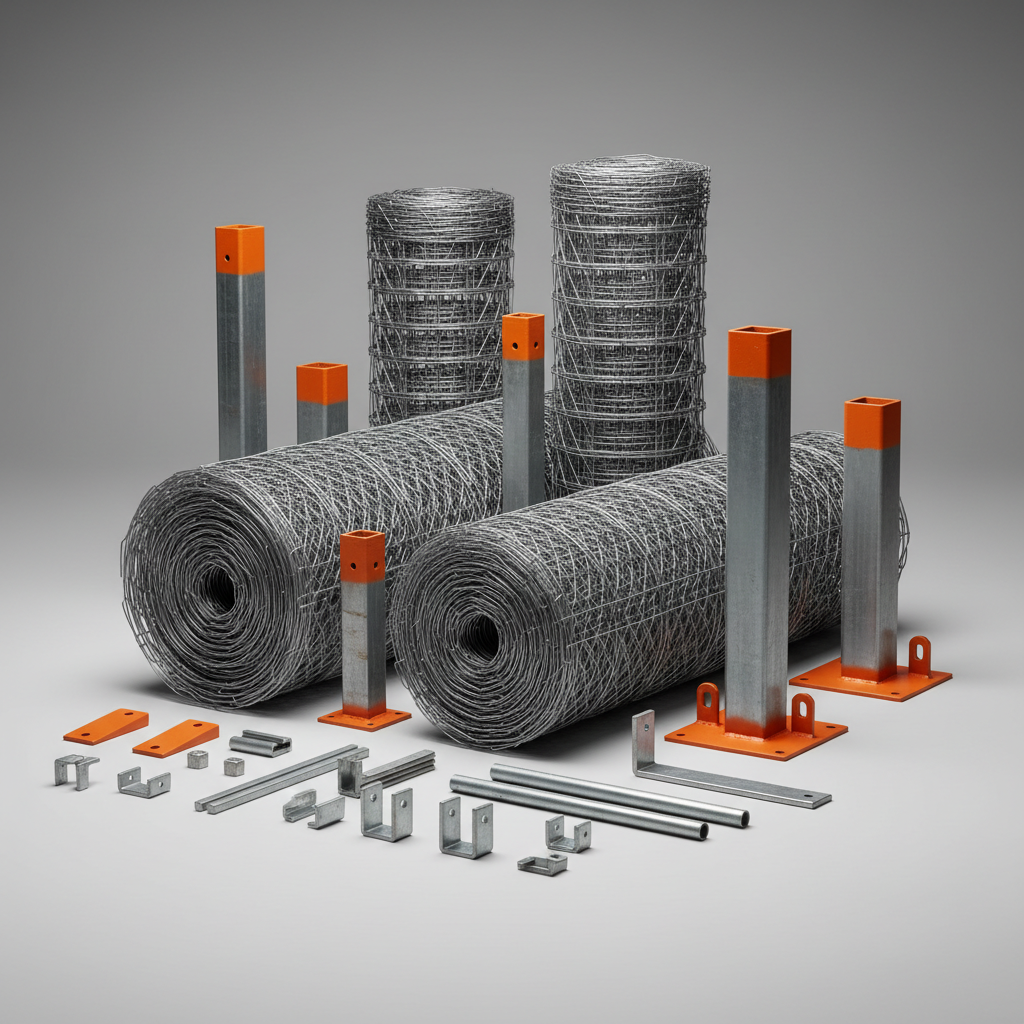
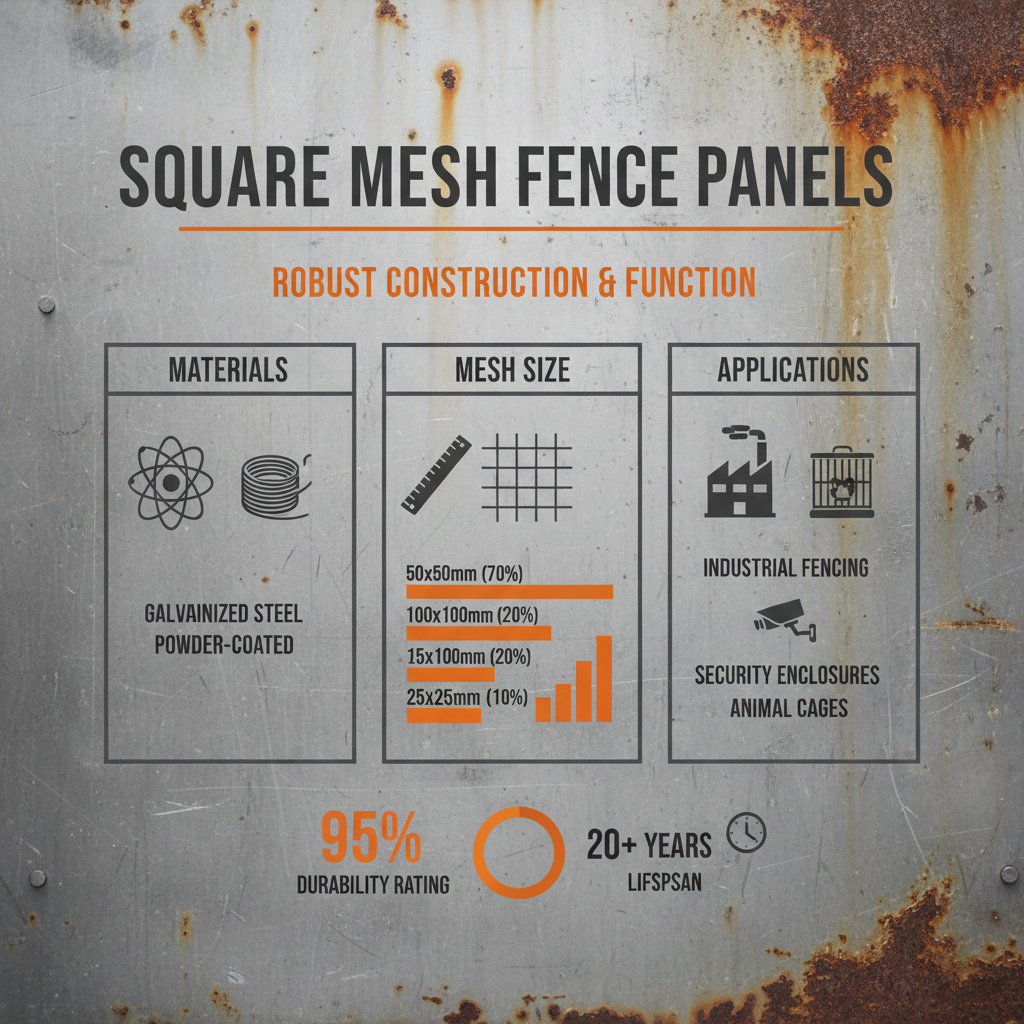
Mesh fencing supplies encompass a broad spectrum of materials and configurations used to create barriers for security, containment, and aesthetic purposes. The core components include the mesh itself – typically woven or welded from steel, stainless steel, aluminum, or coated wire – along with supporting posts, rails, gates, and hardware. Selecting the appropriate mesh fencing supplies depends critically on the intended application, environmental conditions, and budget.
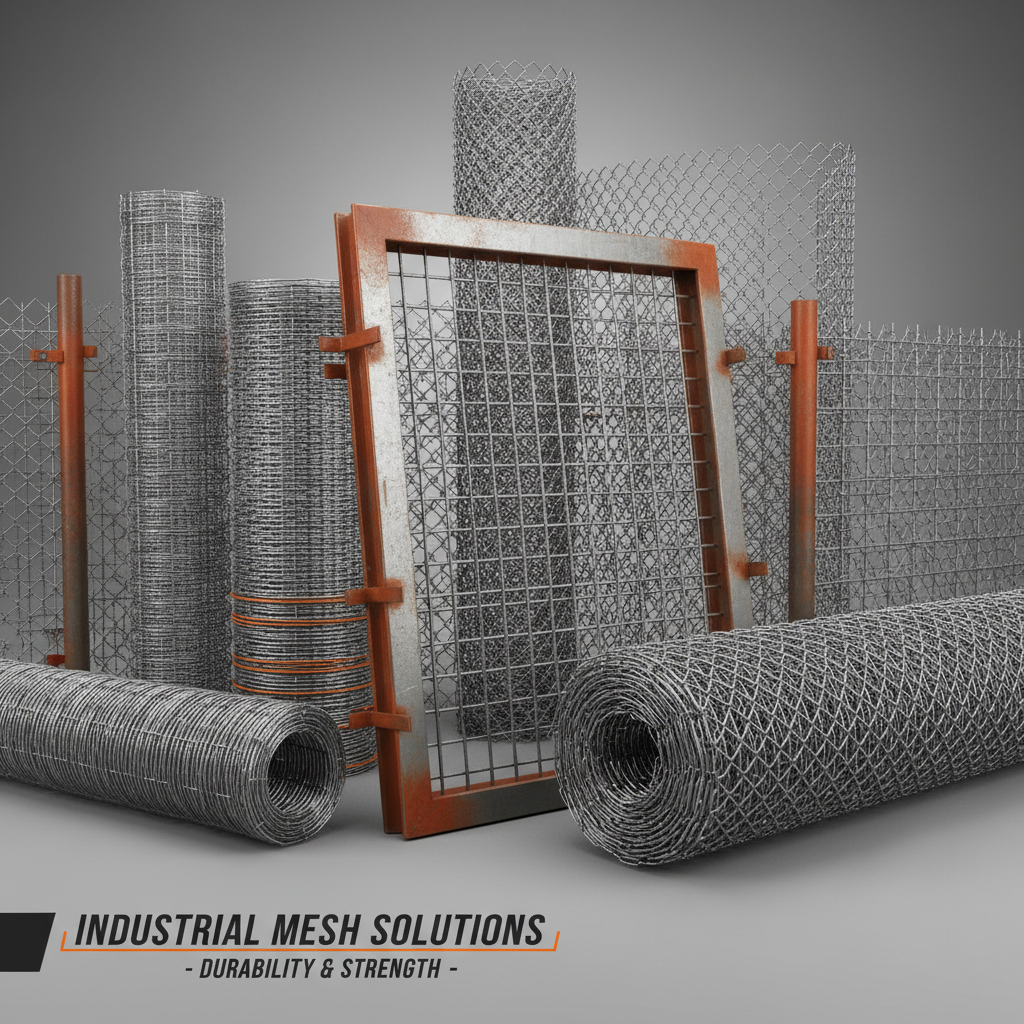
Understanding the different types of mesh fencing – such as chain-link, welded wire, hexagonal wire netting, and specialized security meshes – is crucial for making informed decisions. Factors like mesh gauge (wire thickness), aperture size (opening dimensions), and coating type (galvanization, PVC, powder coating) all contribute to the overall performance and longevity of the fencing system. mesh fencing supplies are a core offering for numerous suppliers.
Global Relevance and Industry Context
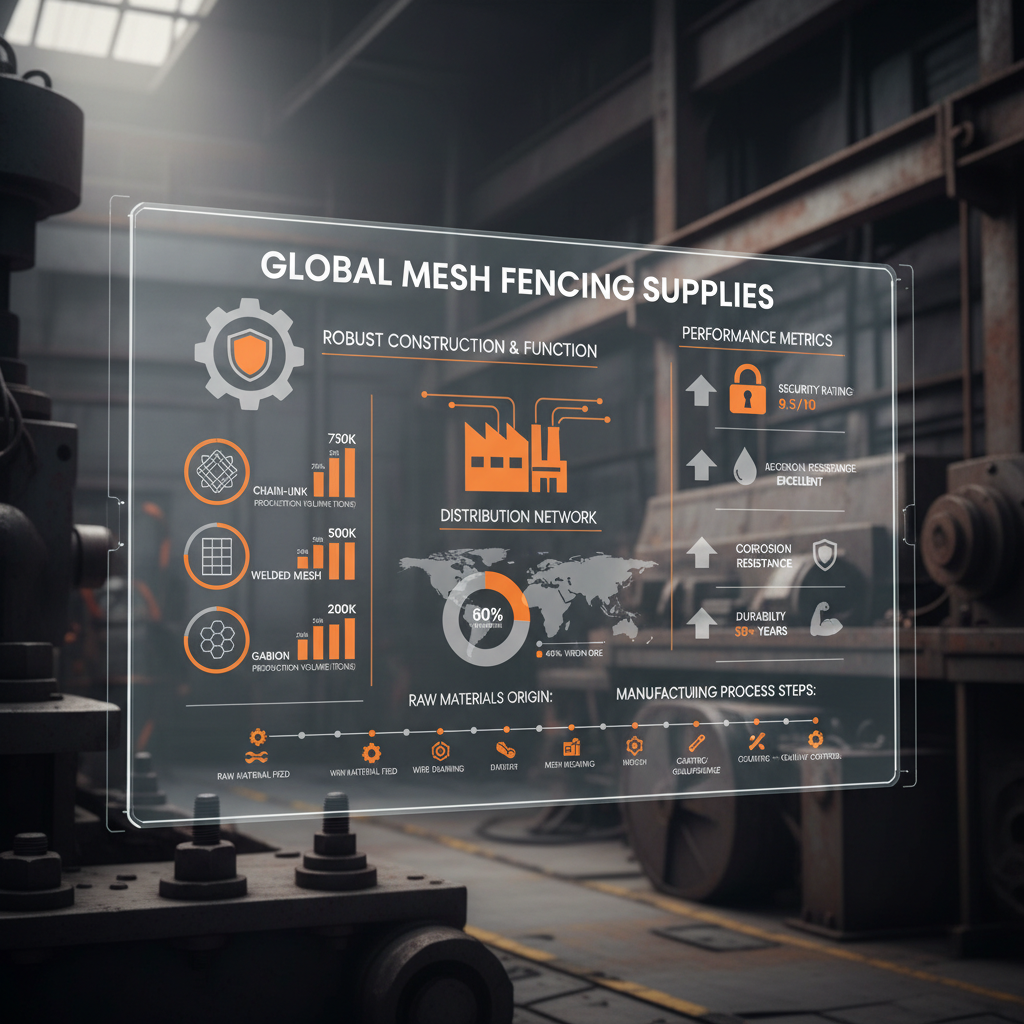
The global market for mesh fencing supplies is substantial and growing, estimated at over $30 billion USD in 2023 (Source: Market Research Future). This demand is driven by increasing security concerns related to property crime, border control, and critical infrastructure protection. According to the United Nations Office on Drugs and Crime (UNODC), property crime accounts for a significant percentage of all reported crimes globally, highlighting the ongoing need for effective security measures.
Furthermore, the expanding agricultural sector worldwide necessitates robust fencing solutions for livestock management and crop protection. The World Bank estimates that agriculture contributes approximately 16.5% of global GDP, underscoring the industry’s significant economic impact and the corresponding demand for agricultural fencing. The ISO 9001 standard for quality management systems is increasingly adopted by mesh fencing manufacturers to ensure consistent product quality and customer satisfaction.
A key challenge within the industry is ensuring supply chain resilience, particularly in light of recent global disruptions. Fluctuations in raw material prices, transportation costs, and geopolitical events can significantly impact the availability and cost of mesh fencing supplies. Companies are proactively diversifying their sourcing strategies and investing in local manufacturing capabilities to mitigate these risks.
Defining Mesh Fencing Supplies
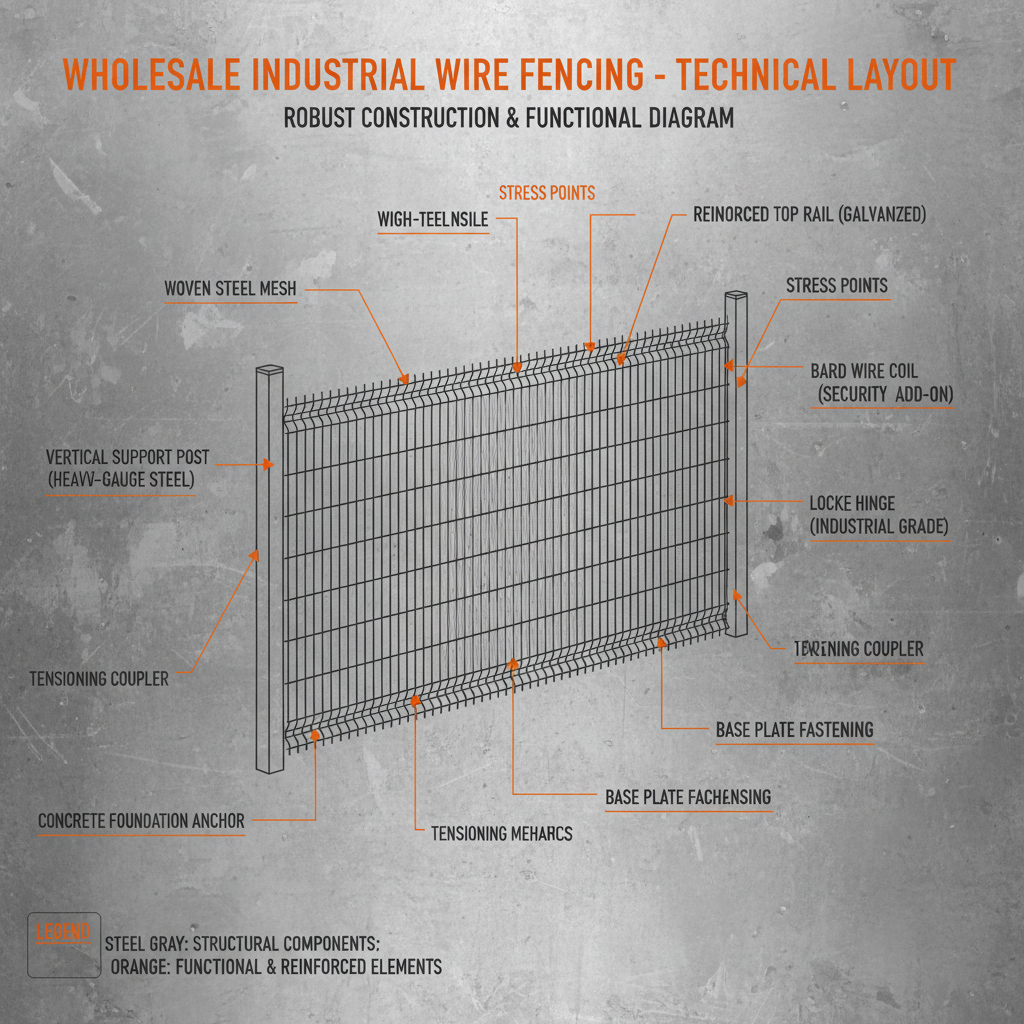
Mesh fencing supplies, at their core, are systems designed to create a physical barrier using interwoven or welded wires forming a mesh structure. These supplies aren’t simply the mesh itself; they include all the components required for a complete installation – posts (steel, wood, or composite), rails for added support, gates, hinges, latches, tension wires, and fasteners. The fundamental purpose is to contain, separate, or protect an area.
The connection to modern industry and humanitarian needs is multifaceted. In industrial settings, mesh fencing secures perimeters, protects assets, and provides worker safety. In agriculture, it manages livestock and protects crops. Crucially, in disaster relief and refugee camps, mesh fencing supplies are used to quickly establish secure perimeters for sanitation, security, and basic organization – providing a sense of order and dignity in chaotic situations.
The versatility of mesh fencing stems from the diverse range of materials and construction methods available. From simple galvanized steel chain-link to high-security welded wire mesh with anti-climb features, these supplies are adaptable to a wide array of requirements, making them an indispensable element of modern infrastructure and security protocols.
Key Factors of Mesh Fencing Supplies
Durability: The longevity of mesh fencing supplies is paramount. Factors such as the material type (steel, aluminum, stainless steel), coating (galvanization, PVC, powder coating), and wire gauge directly influence resistance to corrosion, weathering, and physical damage. Higher quality materials and robust coatings translate to lower maintenance costs and a longer lifespan.
Security Level: Different applications demand varying levels of security. Chain-link fencing offers basic perimeter control, while welded wire mesh with smaller apertures and heavier gauge wire provides enhanced security against intrusion. Anti-climb features, such as barbed wire or razor wire additions, further deter unauthorized access.
Security Level Comparison of Mesh Fencing Supplies
Global Applications and Use Cases
Mesh fencing supplies find application across diverse sectors globally. In agriculture, they secure livestock enclosures, protect crops from wildlife, and delineate property boundaries. In post-disaster relief operations, quick-deployable mesh fencing provides temporary security and sanitation zones for displaced populations. In remote industrial zones, they protect valuable assets and restrict unauthorized access.
Across Europe, mesh fencing is commonly used for security perimeters around critical infrastructure – power plants, water treatment facilities, and transportation hubs. In North America, it’s prevalent in residential applications, commercial properties, and sporting facilities. Within Australia, specialized mesh fencing protects against kangaroos and other wildlife impacting agricultural lands.
Advantages and Long-Term Value
The tangible benefits of investing in quality mesh fencing supplies are significant. Cost-effectiveness is a major advantage, particularly compared to more expensive fencing options like solid walls or concrete barriers. The relative ease of installation reduces labor costs, while the low maintenance requirements minimize ongoing expenses. Furthermore, many mesh fencing materials are recyclable, contributing to sustainability.
Beyond the purely economic advantages, mesh fencing offers significant social and emotional benefits. Enhanced security provides peace of mind for property owners and residents. A well-maintained fence improves the aesthetic appeal of a property, boosting its value. In humanitarian contexts, providing secure enclosures with mesh fencing supplies restores a sense of dignity and safety for vulnerable populations.
Future Trends and Innovations
Several exciting trends are shaping the future of mesh fencing supplies. The development of smart fencing systems, integrating sensors and connectivity for real-time monitoring and intrusion detection, is gaining traction. Research into new materials – such as high-strength alloys and bio-based polymers – promises enhanced durability and sustainability.
The integration of digital technologies, like Building Information Modeling (BIM), is streamlining the design and installation process. Automation in manufacturing is increasing efficiency and reducing production costs. Moreover, a growing emphasis on eco-friendly solutions is driving demand for recyclable and biodegradable mesh fencing materials.
Policy initiatives promoting sustainable infrastructure and security standards are further accelerating innovation within the industry. The trend towards modular and pre-fabricated fencing systems facilitates quicker deployment and reduces on-site construction time, making mesh fencing even more versatile and adaptable.
Summary of Challenges and Potential Solutions in Mesh Fencing Supplies
| Challenge |
Impact |
Potential Solution |
Implementation Cost (1-10) |
| Corrosion Resistance |
Reduced Lifespan, Increased Maintenance |
Advanced Coating Technologies (e.g., powder coating) |
6 |
| Supply Chain Disruptions |
Material Shortages, Price Volatility |
Diversified Sourcing, Local Manufacturing |
7 |
| Security Vulnerabilities |
Unauthorized Access, Theft |
Smart Fencing with Sensor Integration |
8 |
| Environmental Impact |
Non-Recyclable Materials, Carbon Footprint |
Bio-Based Polymers, Recycled Materials |
5 |
| Installation Complexity |
High Labor Costs, Project Delays |
Modular and Pre-Fabricated Systems |
4 |
| Lack of Standardization |
Inconsistent Quality, Compatibility Issues |
Industry-Wide Standards and Certifications |
6 |
FAQS
For coastal environments, stainless steel or heavily galvanized wire mesh with a durable PVC coating is highly recommended. The salt air and constant moisture significantly accelerate corrosion, making standard steel fencing unsuitable. Stainless steel offers superior corrosion resistance, while the PVC coating adds an extra layer of protection, extending the fence’s lifespan in harsh marine conditions. Consider a thicker gauge wire for increased durability and resistance to physical damage from storms.
The appropriate mesh aperture size depends on the type and size of livestock you are containing. For smaller animals like sheep or goats, a smaller aperture (e.g., 1-2 inches) is necessary to prevent escape. Larger animals like cattle require a larger aperture (e.g., 4-6 inches). It’s also important to consider the animal’s temperament and tendency to challenge fences. A graduated mesh, with smaller openings at the bottom, can provide added security. mesh fencing supplies cater to a range of animal control needs.
Woven wire mesh is created by interlocking wires in a traditional weaving pattern, offering flexibility and good tensile strength. Welded wire mesh, on the other hand, is formed by welding wires together at their intersections, resulting in a more rigid and structurally sound fence. Welded wire is generally more durable and offers better resistance to stretching, while woven wire is more forgiving and easier to repair in some cases. The choice depends on the application's specific requirements.
Regular inspection and maintenance are crucial for maximizing the lifespan of your mesh fencing. Inspect the fence at least twice a year – once in the spring and once in the fall – for signs of damage, corrosion, or stretching. Address any issues promptly, such as repairing broken wires, tightening tension wires, and replacing damaged posts. Regular cleaning can also help to remove dirt and debris that can contribute to corrosion.
Yes, many municipalities have regulations regarding the maximum height of fences in residential areas. These regulations are typically outlined in local zoning ordinances and building codes. Common height restrictions range from 4 to 6 feet. It's important to check with your local authorities before installing any fencing to ensure compliance with all applicable regulations. Ignoring these regulations can result in fines or the requirement to remove the fence.
Mesh fencing generally offers several environmental benefits compared to solid fences. It allows for airflow and sunlight penetration, which can benefit vegetation and wildlife. Many mesh fencing materials are recyclable, reducing landfill waste. Furthermore, the manufacturing process for mesh fencing often requires less energy and resources than the production of solid fence materials like wood or concrete. Choosing durable, long-lasting mesh fencing also reduces the need for frequent replacements, further minimizing environmental impact.
Conclusion
Mesh fencing supplies are a versatile and essential component of modern infrastructure, security, and agricultural practices. Their adaptability, cost-effectiveness, and increasing focus on sustainability make them a compelling solution for a wide range of applications, from perimeter security and livestock management to disaster relief and environmental protection. Understanding the key factors influencing their performance – durability, security level, and material selection – is crucial for making informed decisions and achieving optimal results.
Looking ahead, innovation in materials, smart fencing technologies, and sustainable manufacturing processes will continue to drive the evolution of mesh fencing supplies. By embracing these advancements and prioritizing quality and longevity, we can unlock even greater benefits from these essential systems, creating safer, more secure, and more sustainable environments for communities worldwide. For all your mesh fencing supplies needs, visit our website today.