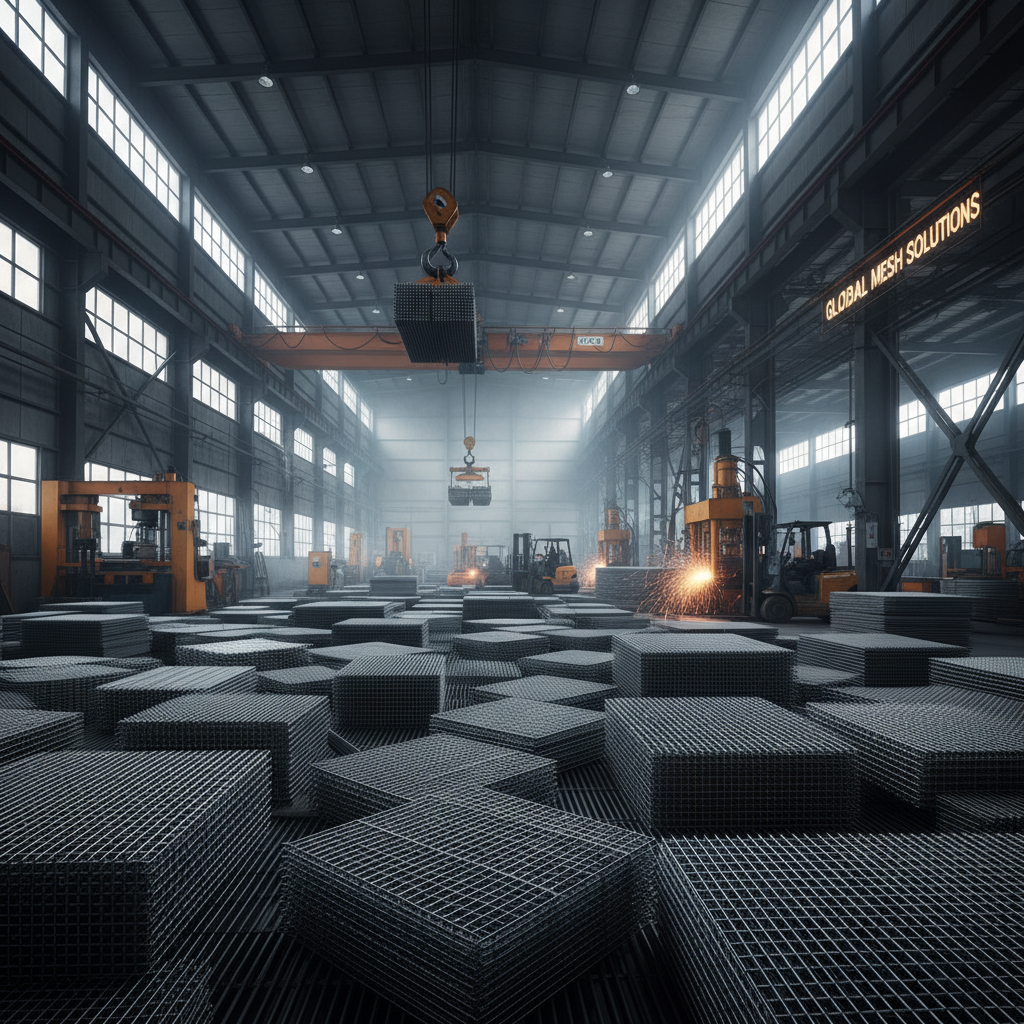
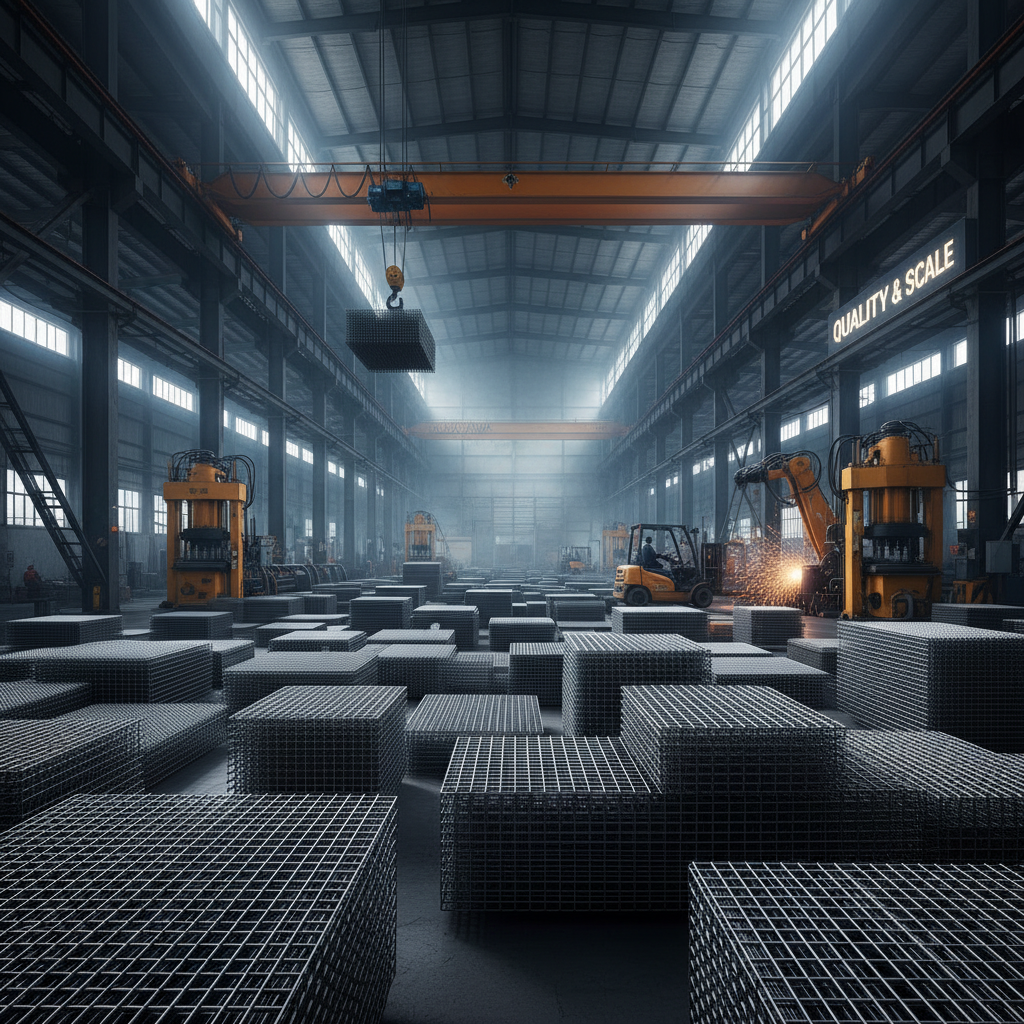
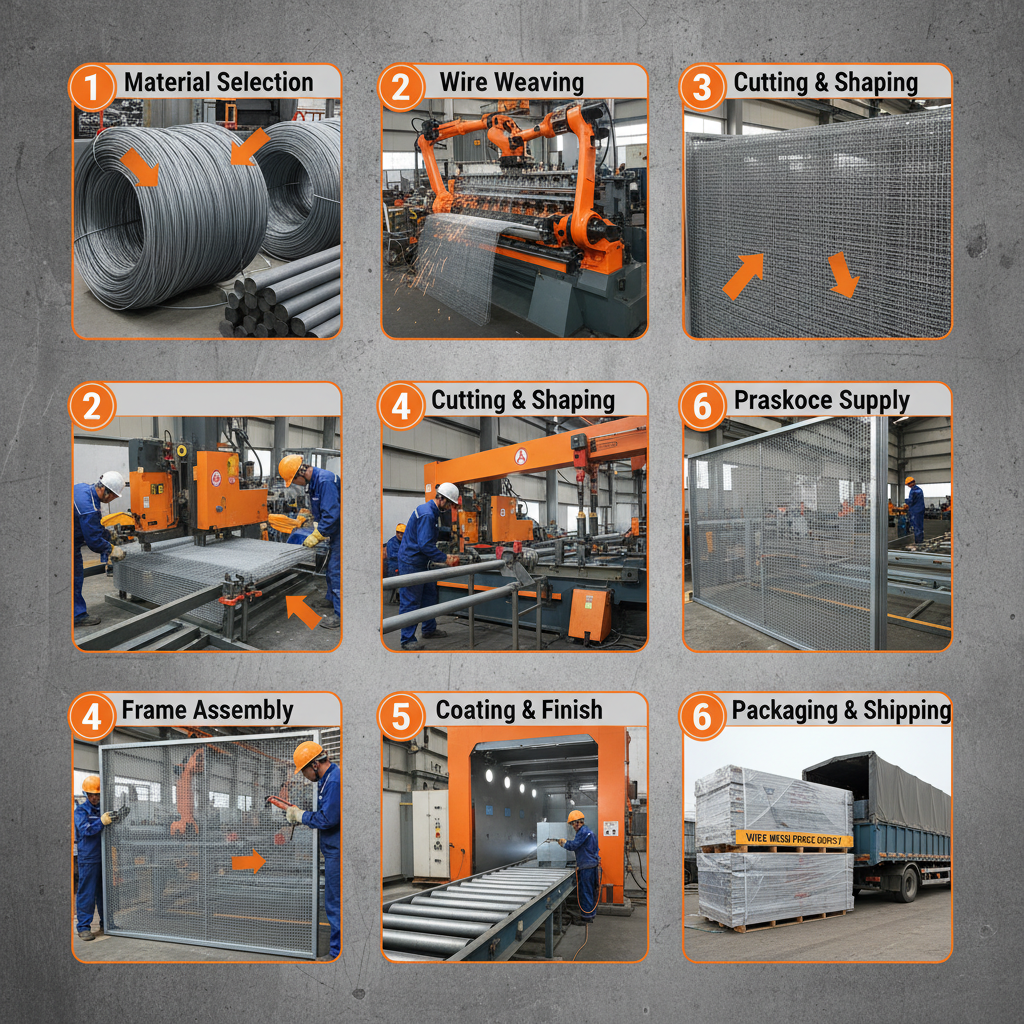
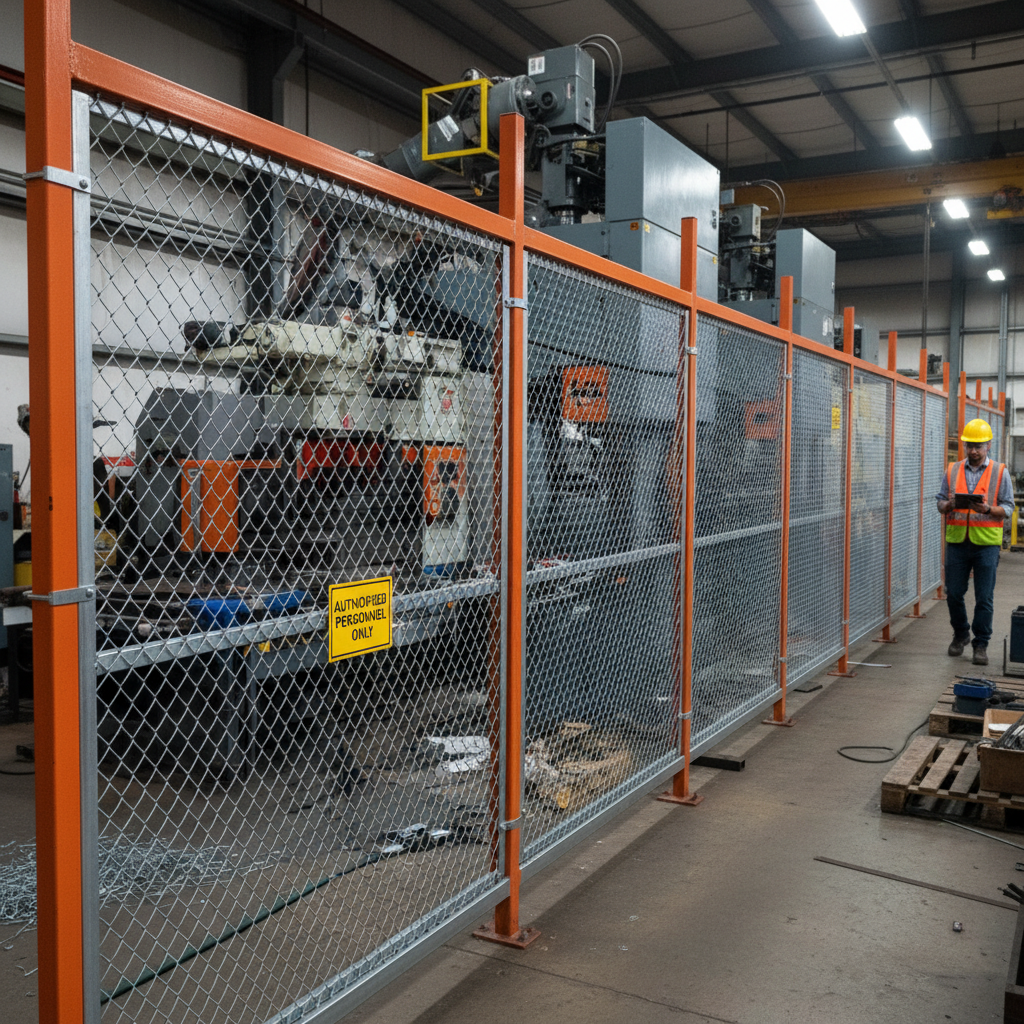
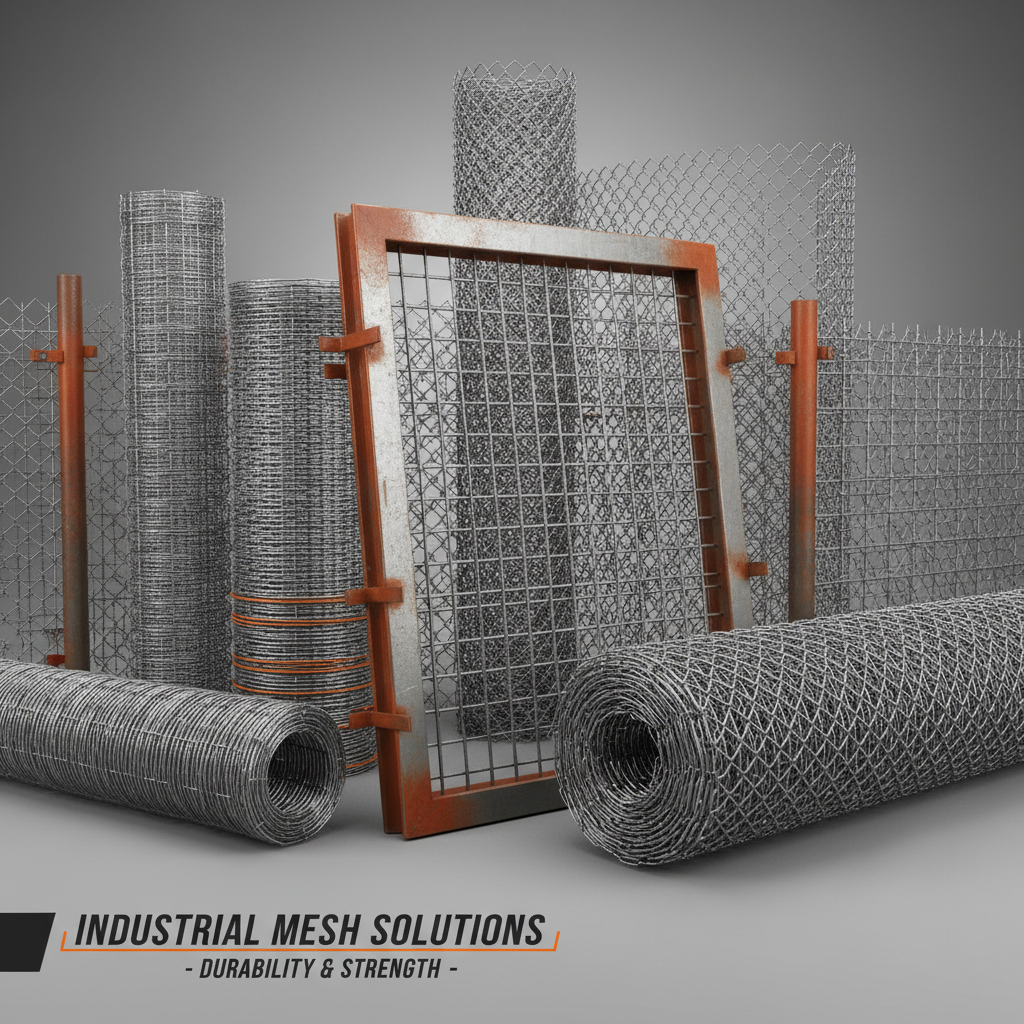
Wire mesh panel solutions are increasingly vital across diverse sectors, from industrial filtration and security fencing to innovative architectural applications and rapid deployment shelters. Their inherent versatility, coupled with advancements in material science and manufacturing processes, has established wire mesh panel as a cornerstone material in modern infrastructure and emergency response. Understanding the nuances of wire mesh panel – its properties, applications, and future trends – is crucial for engineers, architects, humanitarian organizations, and anyone involved in building resilient and sustainable solutions.
The global demand for wire mesh panel is driven by factors like increasing infrastructure development, growing security concerns, and the need for cost-effective and adaptable building materials. According to the United Nations, the global population is projected to reach 9.7 billion by 2050, necessitating innovative housing and infrastructure solutions. Simultaneously, the World Bank reports a growing need for resilient infrastructure in developing nations to mitigate the impact of climate change and natural disasters. Wire mesh panel provides a scalable and efficient solution to address these challenges.
Addressing these global needs requires a focused understanding of wire mesh panel's capabilities. Its lightweight yet robust nature, combined with its ease of fabrication and installation, makes it an ideal component for a wide range of applications. From providing secure perimeters to facilitating efficient ventilation and filtration, wire mesh panel offers a compelling blend of functionality and affordability. This article will explore the key aspects of wire mesh panel, its diverse applications, and its potential to shape a more sustainable future.
Introduction: Global or Industry Context
Wire mesh panel is no longer a niche material; it's a globally integrated component in countless industries. The demand stems from the need for solutions offering a unique blend of strength, flexibility, and cost-effectiveness. Its applications extend beyond traditional fencing and filtration, now playing a critical role in areas like architectural design, security infrastructure, and even emergency shelter provision. This broad adoption signifies a paradigm shift towards utilizing materials that are adaptable and respond effectively to diverse challenges.
The increasing adoption of wire mesh panel can be traced to factors like rising urbanization, heightened security concerns, and a growing emphasis on sustainable building practices. As cities expand and populations concentrate, the demand for robust and adaptable infrastructure solutions intensifies. Furthermore, the inherent recyclability of many wire mesh panel materials aligns with global sustainability goals, making it a preferred choice for environmentally conscious projects. This interplay of factors positions wire mesh panel as a crucial material in shaping a more resilient and sustainable future.
Definition & Meaning
At its core, a wire mesh panel is a woven, welded, or otherwise fabricated structure composed of interconnected wires, creating a permeable surface. These panels are typically made from materials like stainless steel, galvanized steel, aluminum, or specialized alloys, each offering varying degrees of corrosion resistance, strength, and flexibility. The specific configuration – wire diameter, mesh size, and weave pattern – dictates the panel’s performance characteristics and suitability for different applications.
The significance of wire mesh panel extends far beyond its basic construction. It represents a convergence of engineering precision and practical problem-solving. In a world increasingly focused on security, filtration, and efficient material usage, wire mesh panel provides a versatile solution. Its connection to modern industry and humanitarian needs is rooted in its ability to deliver reliable performance in challenging environments, making it indispensable for critical infrastructure and emergency response efforts.
The adaptability of wire mesh panel truly sets it apart. Whether it’s acting as a protective barrier, a support structure for green walls, or a crucial component in industrial filtration systems, its fundamental properties remain consistent: permeability, strength, and malleability. This inherent versatility ensures its continued relevance across a rapidly evolving technological landscape.
Key Factors or Core Components
Several core components define the performance and suitability of wire mesh panel. Durability is paramount, influencing the lifespan and resilience of the panel against environmental factors and physical stress. Material selection – stainless steel, galvanized steel, or aluminum – significantly impacts durability and corrosion resistance.
Mesh Size and Aperture dictate the permeability and filtration capabilities of the panel. Smaller mesh sizes provide finer filtration, while larger apertures allow for greater airflow or visibility. Wire Gauge (Thickness) directly correlates to the panel’s strength and structural integrity. Thicker wires offer higher tensile strength and resistance to deformation.
Weave Pattern influences both the aesthetic appeal and functional properties. Common patterns include plain weave, twill weave, and dutch weave, each offering unique characteristics. Finally, Scalability is a key advantage. Wire mesh panel can be easily manufactured in various sizes and shapes to meet specific project requirements, making it highly adaptable to different applications.
These core factors are all interconnected, and optimizing them requires a thorough understanding of the intended application. For example, a high-security application will prioritize durability and a small mesh size, while an architectural application might focus on aesthetic appeal and a specific weave pattern.
Global Applications & Use Cases
The applications of wire mesh panel are remarkably diverse. In security, it’s used extensively for perimeter fencing, prison security, and crowd control barriers, providing robust protection with varying degrees of visibility. In industrial filtration, wire mesh panel serves as a critical component in air and liquid filtration systems, removing particulate matter and ensuring process efficiency.
Within the construction industry, wire mesh panel is utilized in reinforcing concrete, creating lightweight facade systems, and providing support for green walls and climbing plants. Agricultural applications include animal enclosures, crop protection netting, and greenhouse coverings. In post-disaster relief operations, wire mesh panel is increasingly employed in the construction of rapid deployment shelters and temporary medical facilities.
These applications span across geographical regions. In remote industrial zones of Australia, wire mesh panel provides durable fencing for mining operations. Throughout Europe, it's integrated into sustainable building designs. In developing nations, organizations like the Red Cross utilize wire mesh panel for constructing emergency shelters. These diverse examples highlight the global relevance and adaptability of wire mesh panel.
Wire Mesh Panel Application Distribution
Advantages & Long-Term Value
The tangible benefits of utilizing wire mesh panel are multifaceted. Cost efficiency is a primary advantage, as it often presents a more economical alternative to solid materials without compromising structural integrity. Sustainability is another key benefit – many wire mesh panel materials are recyclable, reducing environmental impact and promoting circular economy principles.
Beyond these practical advantages, wire mesh panel offers significant long-term value. Its durability translates to reduced maintenance costs and an extended service life. The inherent safety features – visibility and permeability – enhance security and reduce the risk of accidents. Furthermore, the innovative design possibilities fostered by wire mesh panel contribute to aesthetically pleasing and functional structures, enhancing brand image and user experience.
Future Trends & Innovations
Several exciting trends are shaping the future of wire mesh panel. Smart wire mesh incorporating sensors and data transmission capabilities is emerging, enabling real-time monitoring of structural integrity and environmental conditions. Bio-based materials are being explored as sustainable alternatives to traditional metals, reducing carbon footprint and promoting eco-friendly solutions.
The integration of digital fabrication techniques like 3D weaving and robotic assembly is revolutionizing the manufacturing process, allowing for complex geometries and customized designs. Furthermore, advancements in coating technologies are enhancing corrosion resistance and extending the lifespan of wire mesh panel in harsh environments. These innovations promise to unlock even greater potential for this versatile material.
Challenges & Solutions
Despite its numerous advantages, wire mesh panel does present certain challenges. Corrosion remains a concern, particularly in harsh environments. This can be mitigated through the use of corrosion-resistant materials like stainless steel or applying protective coatings like galvanization or powder coating.
Maintaining consistent mesh quality during manufacturing can be challenging. Implementing stringent quality control measures and utilizing advanced automation technologies can address this issue. Finally, design complexity can sometimes limit the application of wire mesh panel. Utilizing advanced design software and collaborating with experienced engineers can overcome these limitations and unlock innovative solutions.
By proactively addressing these challenges, the full potential of wire mesh panel can be realized, leading to more durable, sustainable, and aesthetically pleasing solutions across various industries.
Summarizing Challenges and Solutions for Wire Mesh Panel Application
| Challenge |
Severity (1-10) |
Proposed Solution |
Implementation Cost (USD) |
| Corrosion in Marine Environments |
8 |
Use of 316 Stainless Steel |
$500 - $1,500 (per project) |
| Mesh Distortion During Installation |
6 |
Utilize a Rigid Support Frame |
$200 - $800 (per project) |
| Variations in Wire Gauge |
7 |
Implement Automated Quality Control Systems |
$1,000 - $3,000 (initial investment) |
| Limited Design Flexibility |
5 |
Employ Parametric Design Software |
$500 - $1,500 (software licensing) |
| High Initial Investment for Specialized Weaving |
4 |
Outsource to Established Manufacturers |
Variable (dependent on outsourcing costs) |
| Lack of Standardized Installation Procedures |
6 |
Develop Detailed Installation Manuals and Training |
$200 - $500 (manual creation and training) |
FAQS
The lifespan of a wire mesh panel installation varies significantly depending on the material used, the environmental conditions, and the application. Galvanized steel typically lasts 10-20 years, while stainless steel can exceed 50 years with proper maintenance. Regular inspections and the application of protective coatings can further extend the lifespan. The quality of the initial installation also plays a critical role, ensuring proper tensioning and support.
Wire mesh panel is generally more cost-effective than traditional solid fencing, especially over larger areas. The material costs are often lower, and installation is typically faster and requires less labor. While the initial cost might be comparable for smaller projects, the long-term savings from reduced maintenance and extended lifespan make wire mesh panel a more economical choice. The specific cost comparison will depend on the chosen materials and complexity of the installation.
Yes, wire mesh panel is commonly used in high-security applications. Utilizing heavier gauge wires, smaller mesh sizes, and robust anchoring systems can create a highly effective barrier. Welded wire mesh, in particular, offers excellent resistance to cutting and climbing. Furthermore, anti-climb features like barbed wire extensions or razor wire can be added for increased security. The level of security achieved depends on the specific design and materials used.
Wire mesh panel offers several environmental benefits. Many materials, such as steel and aluminum, are highly recyclable, promoting a circular economy. The lightweight nature of the material reduces transportation costs and associated carbon emissions. Furthermore, wire mesh panel requires less material compared to solid alternatives, conserving resources. Choosing sustainable manufacturing processes and coatings further minimizes environmental impact.
Maintenance requirements vary depending on the environment and materials. Galvanized steel may require periodic re-coating to prevent rust. Stainless steel generally requires minimal maintenance, but should be inspected for damage. Regular cleaning to remove debris and vegetation is recommended. Inspections should also focus on checking the integrity of the support structures and connections to ensure long-term stability.
Absolutely! Wire mesh panel is highly customizable. It can be manufactured in a wide range of shapes, sizes, and weaves to meet specific architectural requirements. Digital fabrication techniques allow for the creation of complex geometries and patterns. Different finishes and colors can also be applied to achieve the desired aesthetic effect. This adaptability makes it a popular choice for architects seeking unique and visually appealing designs.
Conclusion
Wire mesh panel stands as a versatile and increasingly vital material in a wide spectrum of industries. From enhancing security and facilitating industrial processes to enabling sustainable building practices and providing rapid response solutions, its adaptability and cost-effectiveness are undeniable. The core benefits – durability, scalability, and sustainability – position wire mesh panel as a key component in building a more resilient and future-proof world.
Looking ahead, continued innovation in materials, manufacturing techniques, and smart technologies will further unlock the potential of wire mesh panel. Exploring bio-based materials, integrating sensor capabilities, and embracing digital fabrication will drive new applications and enhance performance. To learn more about how wire mesh panel can benefit your project, visit our website: www.tikemetal.com.