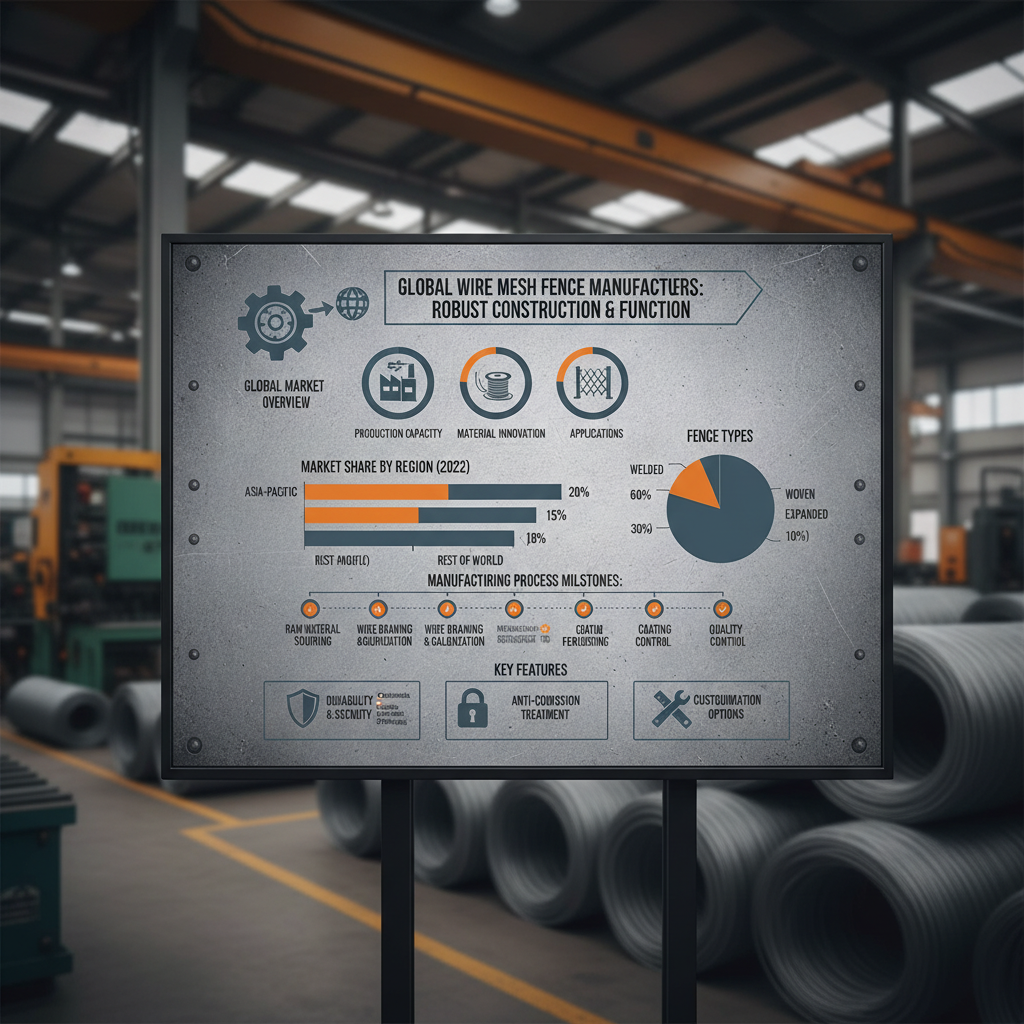
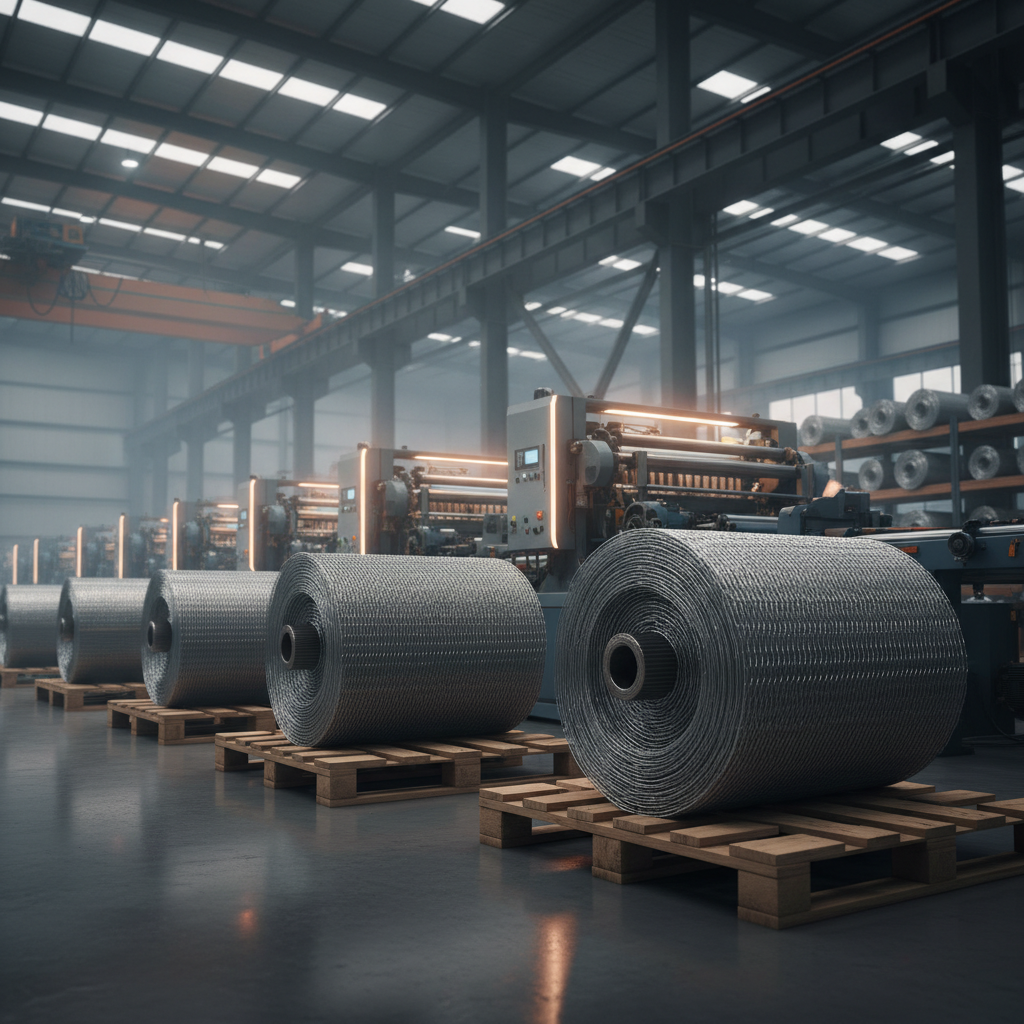
types of mesh fencing are increasingly vital in a world facing growing security concerns, infrastructure demands, and a need for efficient containment solutions. From protecting critical national assets to securing construction sites and providing animal control, the diverse applications of mesh fencing are reshaping how we approach safety and perimeter management globally. Understanding the nuances of these fencing systems – their materials, construction, and specific uses – is crucial for professionals in construction, security, agriculture, and various governmental roles. The global market for fencing solutions is substantial, driven by urbanization, industrial expansion, and heightened awareness of security threats.
The relevance of types of mesh fencing extends beyond mere physical barriers. They play a critical role in maintaining public order, safeguarding sensitive areas, and contributing to sustainable development by controlling livestock and preventing soil erosion. According to the UN Habitat reports, rapid urbanization necessitates robust infrastructure, including effective fencing solutions, to manage space and ensure community safety. Moreover, ISO standards continually evolve to ensure the quality and durability of these products, highlighting their importance in international trade and standardization. This has led to a surge in demand for specialized mesh fencing solutions tailored to specific environmental and security challenges.
Ultimately, a comprehensive understanding of types of mesh fencing is no longer limited to the construction or security industries; it’s becoming a fundamental component of modern infrastructure planning and risk management across various sectors.
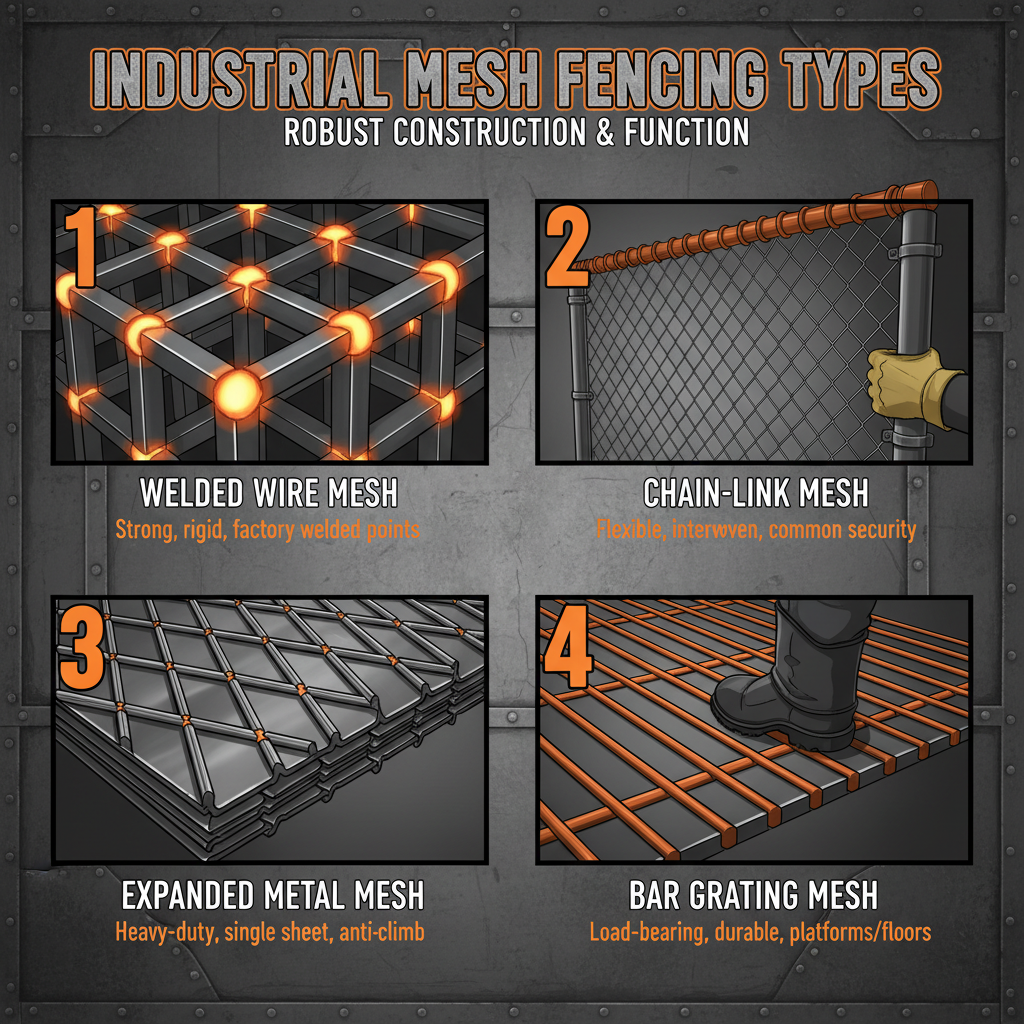

types of mesh fencing encompasses a broad category of woven or welded wire barriers designed to provide security, containment, or separation. These fences are constructed from various materials, most commonly steel wire, but also including stainless steel, aluminum, and even PVC-coated options for increased durability and aesthetic appeal. The “mesh” refers to the pattern of openings created by the interwoven or welded wires, which can vary in size and shape depending on the intended application.
The core function of types of mesh fencing extends far beyond simply creating a physical boundary. Modern applications are driven by the need for reliable perimeter security in critical infrastructure, efficient livestock management in agricultural settings, and safe containment solutions in industrial environments. Understanding the specific types of mesh fencing available—such as chain-link, welded wire, hexagonal wire netting, and razor wire—is essential for selecting the optimal solution for any given requirement.
Chain-link fencing is created by interlocking twisted wires in a diamond pattern, offering flexibility and cost-effectiveness. Welded wire mesh, however, features wires that are welded together at each intersection, resulting in a more rigid and stable structure. Welded wire generally provides better containment and security, particularly for smaller animals, while chain-link is often preferred for larger areas where flexibility is crucial. The choice depends heavily on the specific application and the level of security required. Consider factors like animal size, potential intrusion risks, and budget constraints when making your decision.
Galvanization is a crucial process that coats steel wire with a layer of zinc, protecting it from rust and corrosion. This significantly extends the lifespan of mesh fencing, particularly in harsh environments like coastal areas or industrial sites. The thickness of the zinc coating determines the level of protection; thicker coatings offer longer-lasting corrosion resistance. While galvanized fencing is more expensive upfront, the increased longevity translates to lower long-term maintenance costs and replacement frequency. Regular inspection and touch-up painting can further enhance the lifespan.
PVC coating offers an alternative layer of protection against corrosion, providing a colorful and aesthetically pleasing finish. While PVC coating doesn’t offer the same level of sacrificial protection as galvanization (where the zinc corrodes instead of the steel), it creates a barrier against moisture and UV radiation. PVC is particularly effective in environments where aesthetic appeal is a priority. However, PVC can become brittle over time with prolonged sun exposure, so a combination of galvanization and PVC coating offers the best of both worlds – corrosion protection and a durable, attractive finish.
The mesh aperture size – the size of the openings in the mesh – is a critical factor in determining the fencing’s effectiveness. Smaller apertures are ideal for containing small animals, preventing theft of small items, and providing a higher level of security. Larger apertures are suitable for general perimeter fencing where containment isn't a primary concern. Consider the size of potential intruders (human or animal), the type of security risk, and the aesthetic requirements when selecting the aperture size. A balance between security, visibility, and cost is essential.
Installing mesh fencing on uneven terrain requires careful planning and execution. The key is to follow the natural contours of the land, rather than attempting to create a perfectly straight line. Use longer posts and adjust their depth to accommodate variations in ground level. Utilize tension bars and tension wire to ensure proper tension throughout the fence line. Consider adding bracing at regular intervals to provide additional support and stability. Proper post spacing and secure anchoring are critical for a durable and effective installation.
The gauge of the wire – its thickness – directly impacts the strength and durability of the mesh fencing. A lower gauge number indicates a thicker wire, providing greater tensile strength and resistance to bending or breaking. Higher gauge numbers signify thinner wire, which is less expensive but also less durable. For high-security applications or areas prone to vandalism, a lower gauge wire is recommended. Consider the potential stress on the fencing and the level of security required when selecting the appropriate wire gauge.
types of mesh fencing represents a versatile and essential solution for a wide array of applications, from security and containment to agricultural management and infrastructure protection. Its inherent advantages – cost-effectiveness, durability, and adaptability – make it a preferred choice for countless projects worldwide. Understanding the diverse types of mesh fencing available, along with their specific characteristics and applications, is crucial for making informed decisions and achieving optimal results.
Looking ahead, ongoing innovation in materials science and technology promises even more advanced and sustainable mesh fencing solutions. By embracing these advancements and prioritizing responsible manufacturing practices, we can unlock the full potential of types of mesh fencing to create safer, more secure, and more sustainable communities for generations to come. For more information and to explore our range of products, visit our website: www.tikemetal.com.






Top