Welded wire mesh fence is a versatile and robust fencing solution utilized globally across diverse sectors, from agriculture and security to industrial and residential applications. Its strength, durability, and cost-effectiveness make it a preferred choice for containing livestock, securing perimeters, and providing safety barriers. Understanding the intricacies of welded wire mesh fence – its construction, materials, and applications – is crucial for informed decision-making and optimal utilization of this essential infrastructure component.
The increasing demand for secure and efficient fencing solutions has positioned welded wire mesh fence as a critical element in modern infrastructure projects. Globally, the market for fencing materials is experiencing substantial growth, driven by factors like rising security concerns, urbanization, and infrastructure development in emerging economies. Data from organizations like the UN and World Bank indicate a consistent need for protective barriers in humanitarian aid, disaster relief, and economic development initiatives.
At its core, welded wire mesh fence offers a practical solution to the fundamental need for containment and security. Its adaptability and relative ease of installation, compared to more complex fencing systems, contribute to its widespread adoption. The ability to customize mesh size, wire gauge, and coating types allows for tailored solutions to meet specific application requirements, making it a highly valued component in a variety of settings.
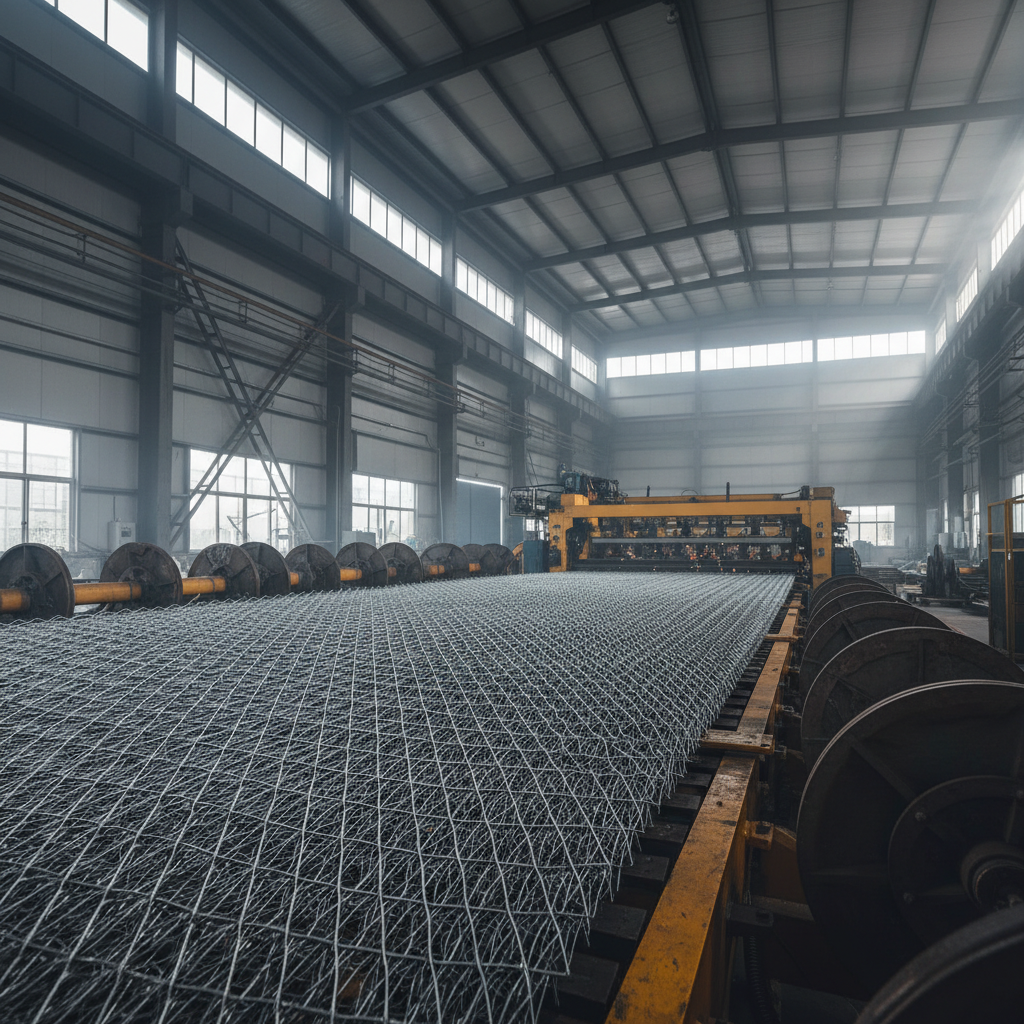
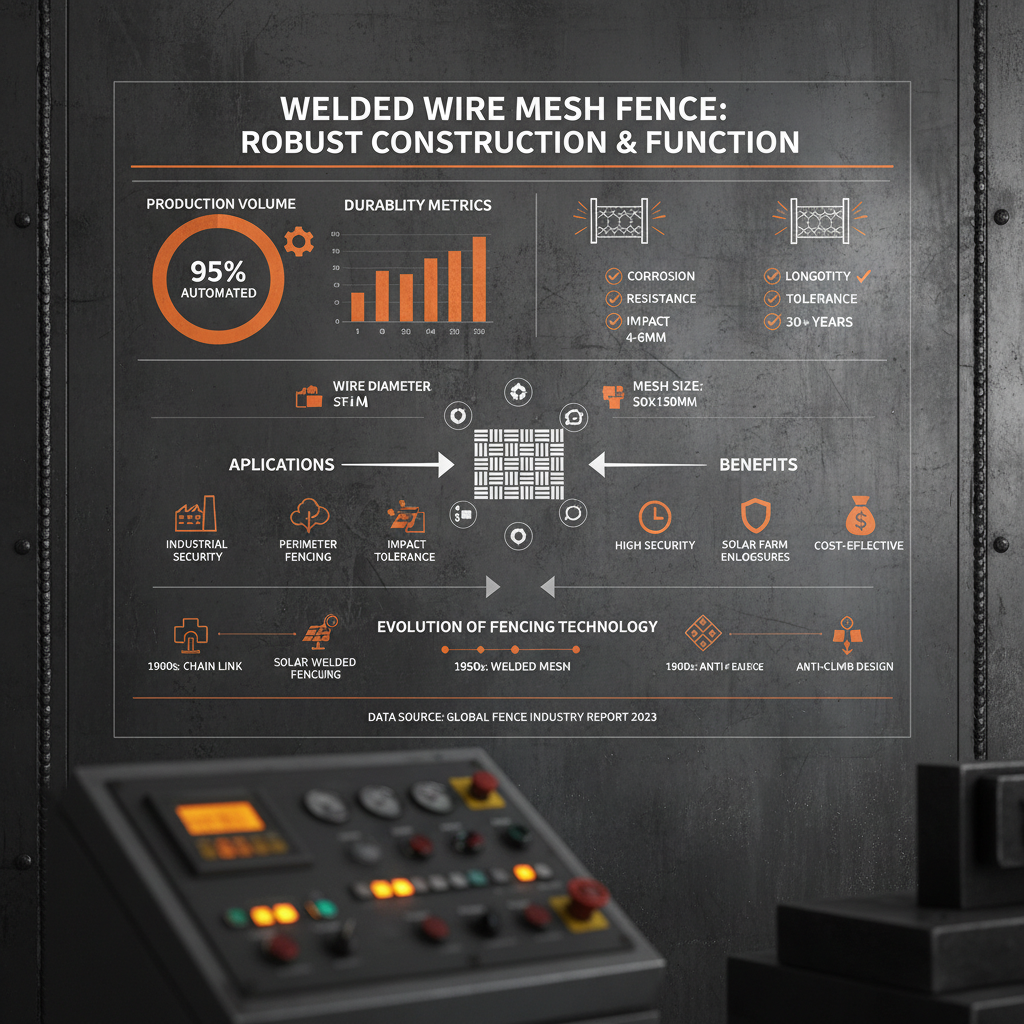
Welded wire mesh fence plays a crucial role in a multitude of applications, ranging from agricultural containment to high-security perimeter protection. Its inherent strength and rigidity make it a reliable barrier against livestock, intruders, and even natural hazards. Furthermore, the affordability of welded wire mesh fence makes it accessible to a wide range of users, from small farmers to large industrial complexes.
The significance of a well-maintained welded wire mesh fence extends beyond simple containment. It contributes to property value, enhances safety, and provides peace of mind. Properly installed and regularly inspected fencing systems demonstrate a commitment to security and responsible land management, offering long-term benefits to both individuals and organizations.
Welded wire mesh fence finds applications across a broad spectrum of industries and regions. In agriculture, it is extensively used for livestock containment, protecting crops from wildlife, and creating secure pastures. In security applications, it serves as perimeter fencing for residential properties, commercial buildings, industrial facilities, and critical infrastructure.
The demand for welded wire mesh fence is particularly strong in developing countries undergoing rapid urbanization and infrastructure development. In post-disaster relief operations, it is used to establish temporary shelters, secure aid distribution centers, and create safe zones for affected populations. Furthermore, remote industrial zones and mining operations often rely on welded wire mesh fence for security and access control.
From vineyards in Europe to ranches in North America and construction sites in Asia, the versatility of welded wire mesh fence ensures its continued relevance in diverse global contexts.
The advantages of using welded wire mesh fence are numerous and contribute to significant long-term value. Cost-effectiveness is a primary benefit, as it offers a durable and reliable fencing solution at a competitive price point. Its ease of installation reduces labor costs and project timelines, making it an attractive option for both large and small-scale projects.
Beyond cost savings, welded wire mesh fence provides enhanced security, improved aesthetics, and increased property value. The inherent strength and rigidity of the welded construction deter intruders and protect valuable assets. The clean, uniform appearance adds to the overall aesthetic appeal of the property. Furthermore, its durability and low maintenance requirements contribute to long-term sustainability.
The future of welded wire mesh fence is poised for innovation, driven by advancements in materials science and manufacturing technologies. Researchers are exploring the use of new alloys and coatings to enhance corrosion resistance and extend the lifespan of the fence. Smart fencing systems, incorporating sensors and data analytics, are also emerging, providing real-time monitoring and enhanced security features.
Sustainability is becoming increasingly important, and manufacturers are adopting environmentally friendly production processes and utilizing recycled materials. The integration of digital technologies, such as remote monitoring and automated gate systems, will further enhance the functionality and convenience of welded wire mesh fence.
These advancements will not only improve the performance and reliability of the fence but also contribute to a more sustainable and secure future.
The lifespan of a galvanized welded wire mesh fence typically ranges from 15 to 25 years, depending on the quality of the galvanization, the climate, and the level of maintenance. Regular inspections and prompt repairs of any damaged areas can significantly extend its lifespan. Thicker galvanized coatings offer superior protection against corrosion, contributing to a longer service life.
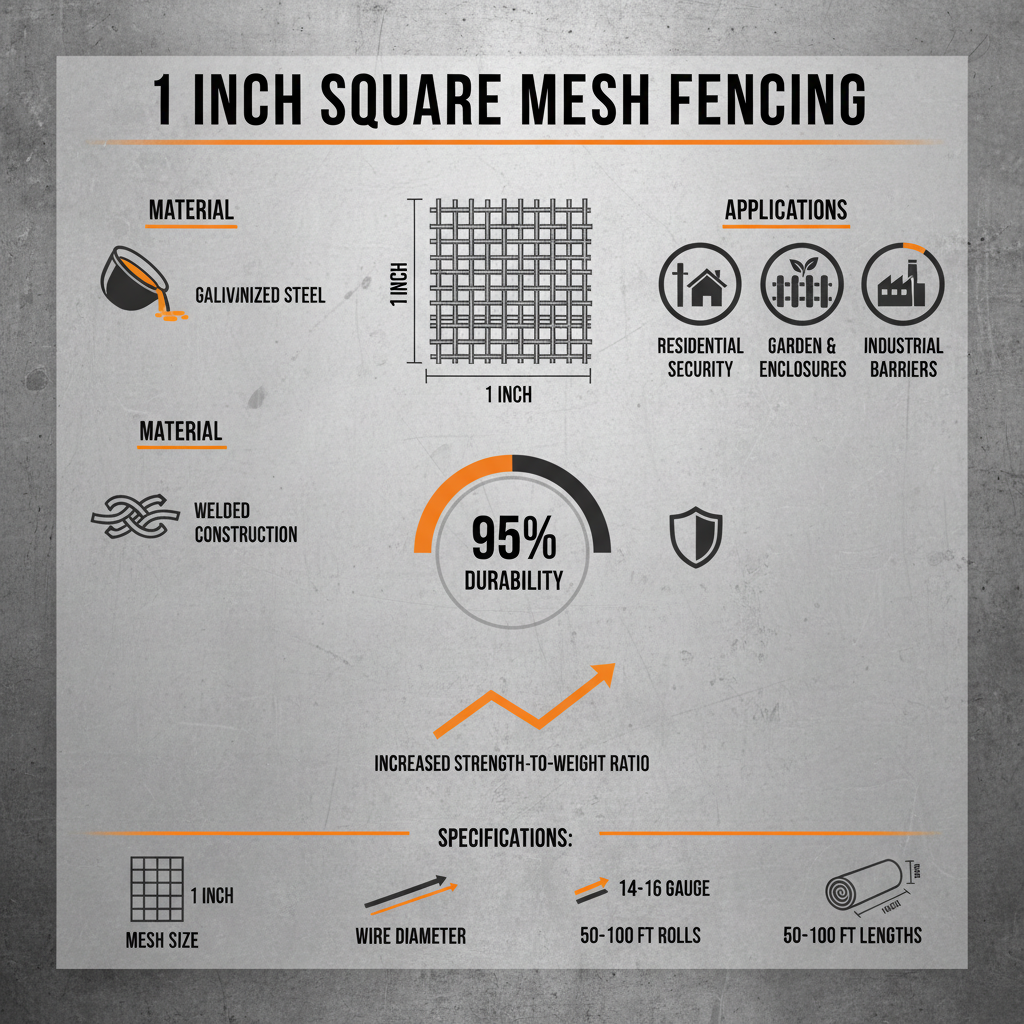
For effectively keeping out small animals like rabbits, a mesh size of 1 inch x 1 inch (25mm x 25mm) or smaller is recommended. This small aperture prevents rabbits from squeezing through the fence. The wire gauge should also be sufficient to resist digging or chewing. Consider burying the bottom of the fence to further deter burrowing.
Powder coating provides excellent corrosion protection and a more aesthetically pleasing finish compared to galvanization. While galvanization offers sacrificial protection, powder coating creates a durable barrier against moisture and chemicals. However, powder coating is more susceptible to damage from impact or abrasion, so a galvanized undercoat is often recommended for enhanced protection in harsh environments.
The recommended post spacing for a welded wire mesh fence typically ranges from 8 to 10 feet (2.4 to 3 meters), depending on the height of the fence, the terrain, and the wire gauge. Closer spacing is recommended for taller fences or areas prone to strong winds. Properly braced corner and end posts are crucial for maintaining the structural integrity of the fence.
Yes, welded wire mesh fence can be used for security applications, particularly when combined with appropriate security features. Higher wire gauges, smaller mesh sizes, and anti-climb additions like razor wire or barbed wire can significantly enhance its security level. Properly installed and maintained welded wire mesh fence provides a reliable barrier against unauthorized access.
Climate significantly impacts the longevity of welded wire mesh fence. Humid climates and coastal areas with saltwater exposure accelerate corrosion. Areas with extreme temperatures and frequent freeze-thaw cycles can also cause damage. Choosing a fence with a heavier galvanized coating or a powder-coated finish, and performing regular maintenance, is essential for maximizing its lifespan in challenging climates.
In conclusion, welded wire mesh fence remains a vital and versatile fencing solution with broad applications across various sectors. Its combination of durability, cost-effectiveness, and adaptability makes it a preferred choice for containment, security, and infrastructure projects worldwide. Understanding the key factors influencing its performance – wire gauge, mesh size, coating type, and installation – is crucial for maximizing its long-term value.
Looking ahead, continued innovation in materials and manufacturing technologies will further enhance the capabilities of welded wire mesh fence. Embracing sustainable practices and integrating smart technologies will ensure its continued relevance in addressing evolving needs and challenges. For reliable, high-quality welded wire mesh fence solutions, visit our website today.






Top