You know, these days everyone’s talking about prefabrication. It's all the rage, right? But honestly, half the time it just shifts the problems to the factory instead of solving them. I’ve been walking construction sites for fifteen years, seen a lot of ‘innovations’ come and go. And the thing that consistently gets overlooked is… well, we’ll get to that.
The biggest issue I see, honestly, is designers forgetting that things need to actually be built. They get caught up in CAD models and perfect simulations, then send the drawings to the shop, and the fabricators are like, “Hold on… how are we supposed to weld that?” It's frustrating. I encountered something like this at a bridge component factory last time – beautiful design, but impossible to assemble on-site without seriously modifying things.
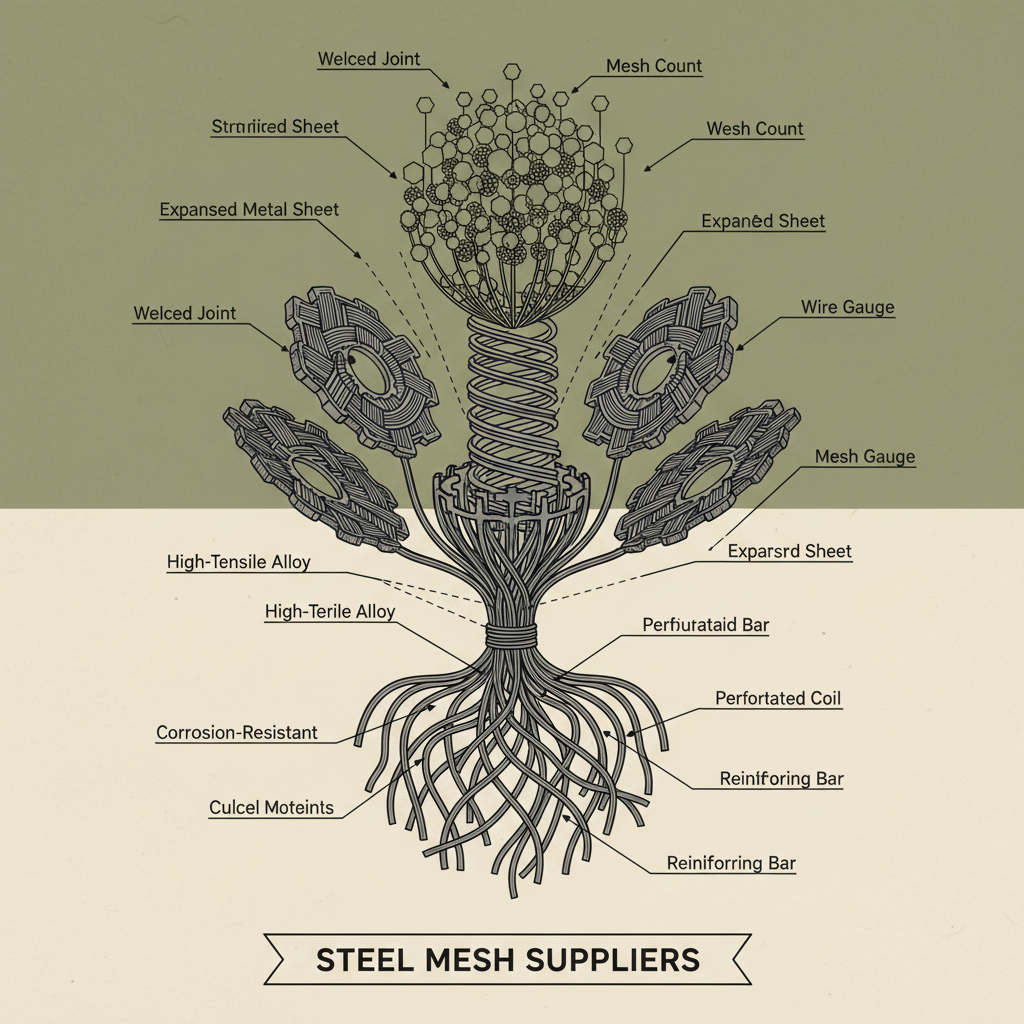
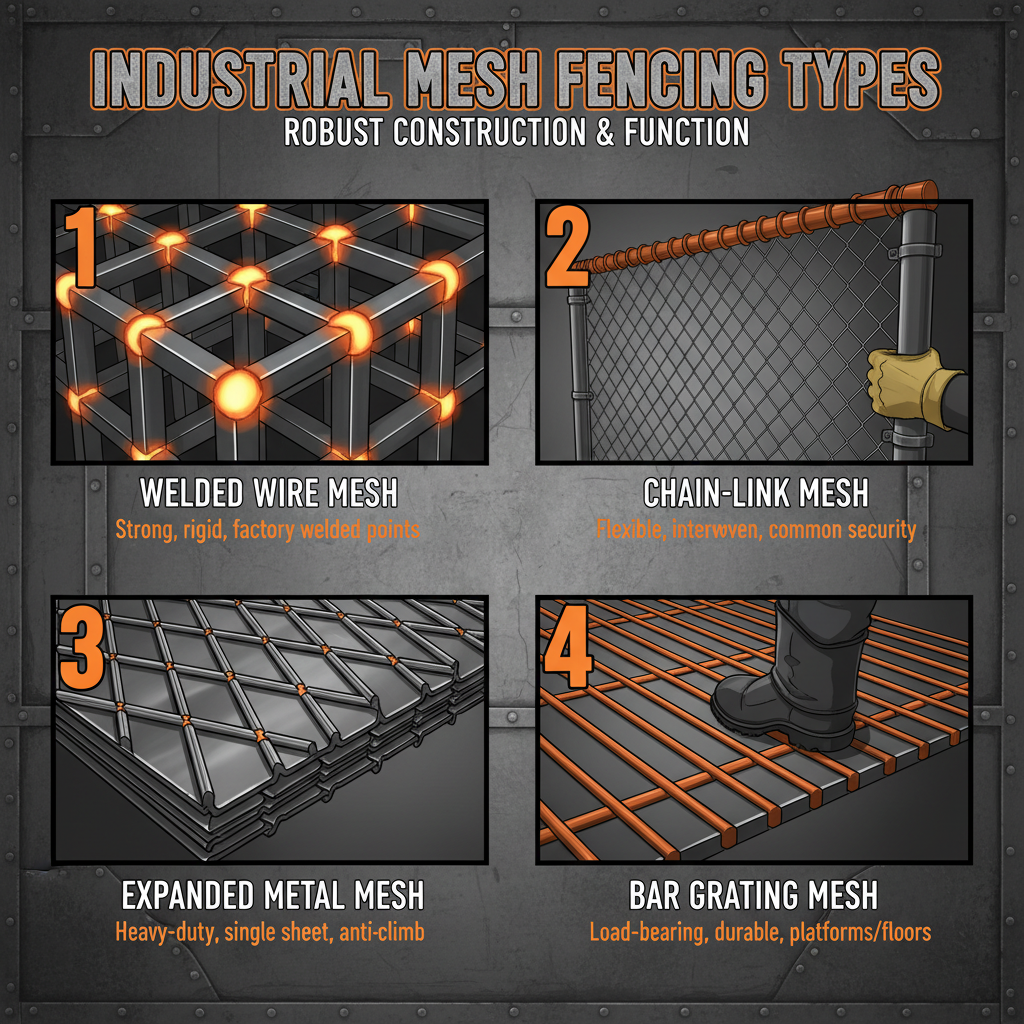
We primarily deal with steel mesh – all kinds. Welded wire mesh, hexagonal wire mesh, crimped wire mesh… It’s a surprisingly tactile thing, you know? The gauge of the wire, the size of the openings, the way the steel feels in your hand… a good batch will have a slight oily sheen from the coating process, a bit of a metallic smell. Cheap stuff? It's usually dry and feels… brittle. We work with Q235, SS304, and sometimes even specialized alloys for high-corrosion environments. Strangely, everyone seems to think stainless is the answer to everything, but it’s not always the most practical.
Current Industry Trends in steel mesh suppliers
To be honest, the big push right now is towards higher tensile strengths and lighter-weight meshes. Everyone wants to reduce material costs without sacrificing structural integrity. There's a lot of research going into new alloys and different weaving/welding techniques. Also, sustainability is a massive talking point. Recycled content, reduced manufacturing emissions… clients are demanding it. And, naturally, everyone wants faster turnaround times – which puts a lot of pressure on the suppliers.
You've also got the rise of BIM (Building Information Modeling), which should help with better coordination, but it requires everyone to be on the same page, and that rarely happens. Too many cooks, you know?
Common Design Pitfalls with steel mesh suppliers
I’ve noticed a recurring problem with designs that don't account for proper handling. Like, specifying a mesh that’s so fine it gets clogged with debris during installation. Or, designing a support structure that doesn’t allow for easy access for welding. It seems simple, but it causes headaches down the line. Also, people often underestimate the importance of the coating. Galvanization is good, but the thickness matters, and different environments require different coatings. Forget that, and you’re looking at corrosion issues in a few years.
Another thing? Trying to get too clever with the mesh shape. Complex curves are fine in theory, but bending steel mesh without creating weak points is tricky. It often leads to cracking or deformation. Simple is usually better.
And don't even get me started on specifying dimensions that aren’t standard sheet sizes. It leads to a lot of wasted material and extra cutting, which adds to the cost.
Materials Used in steel mesh suppliers
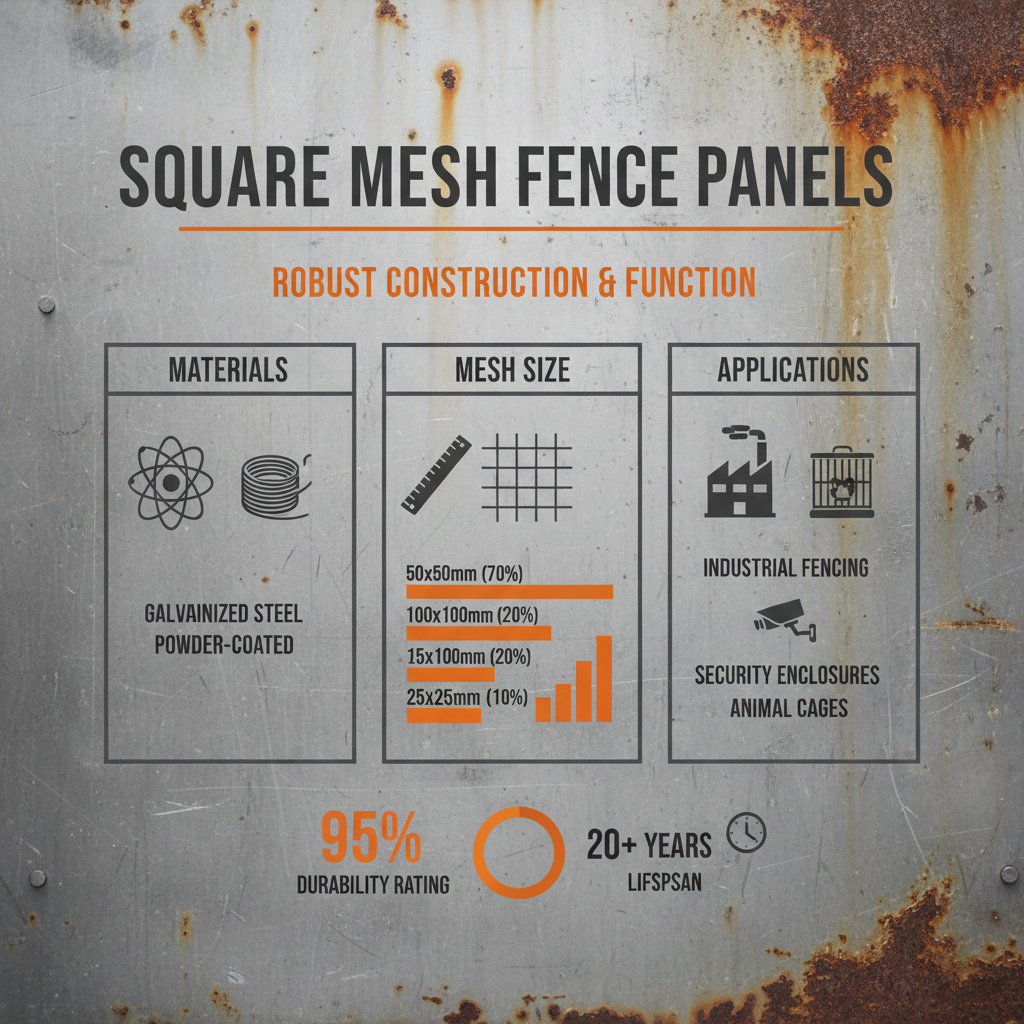
As I said before, Q235 is your bread-and-butter carbon steel. It’s strong, relatively inexpensive, and easy to work with. SS304 stainless is great for corrosion resistance, but it's pricier and harder to weld. We use a lot of it in coastal areas or for applications involving chemicals. There are also specialized alloys like Inconel or Hastelloy for extreme environments, but those are reserved for really demanding projects.
The coating is almost as important as the steel itself. Galvanization is the most common, offering a good balance of cost and protection. Epoxy coatings are tougher but more expensive. And PVC coating? It’s okay for light-duty applications, but it can become brittle in extreme temperatures. Honestly, I’ve seen more failures due to bad coatings than bad steel.
We also use different wire gauges – from super-fine mesh for filtration to heavy-gauge wire for reinforcement. The heavier stuff is a real bear to handle, but it’s necessary for some applications. You can tell a good batch of steel just by the way it feels.
Real-World Testing of steel mesh suppliers
Look, lab tests are important, sure. Tensile strength, yield point, corrosion resistance… all that stuff. But the real test is what happens on the job site. I’ve seen mesh that passed all the lab tests buckle under the weight of concrete during a pour. That’s why we do our own in-house testing – basically, we try to break it. We bend it, twist it, weld it, and subject it to simulated environmental conditions.
We also ask for feedback from our customers. What worked? What didn’t? What problems did they encounter during installation? That feedback is invaluable. It’s much more useful than any lab report.
Steel mesh suppliers Performance Evaluation
Actual Applications of steel mesh suppliers
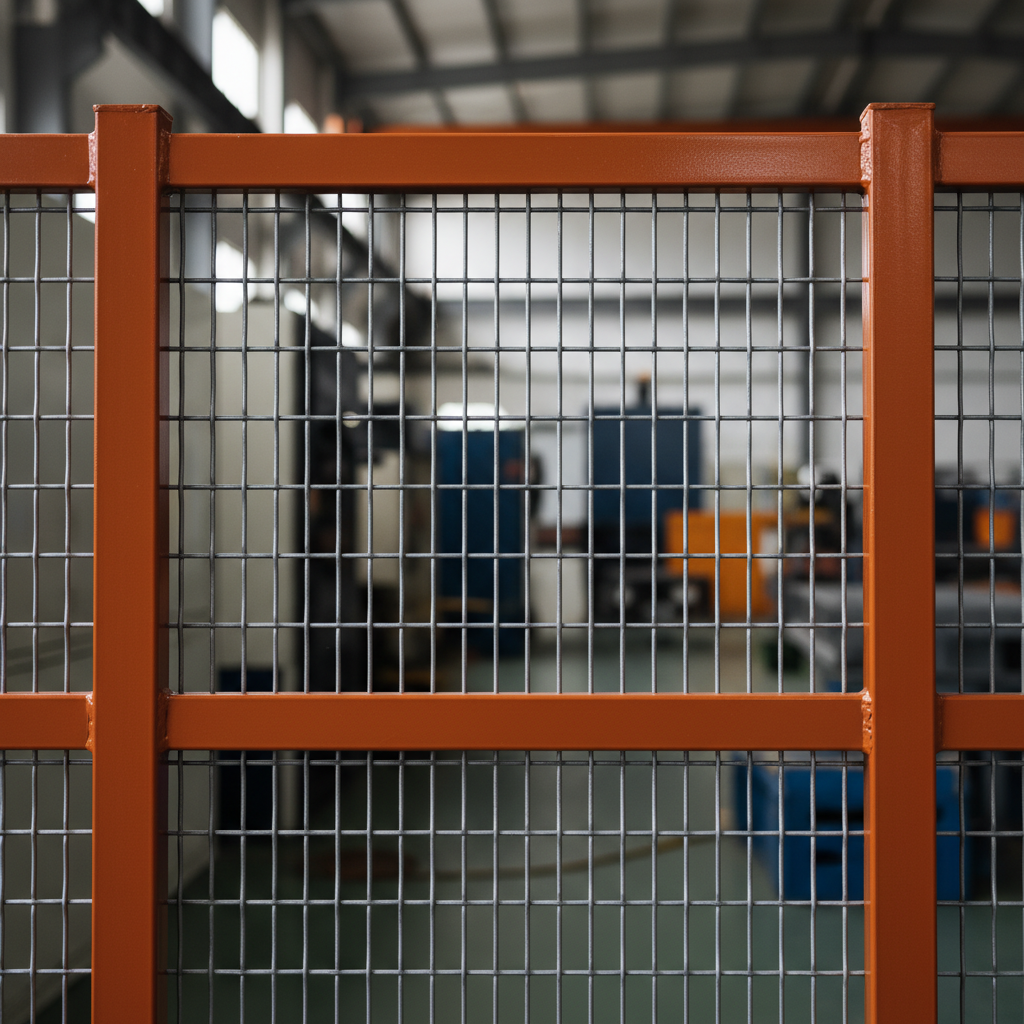
You see it everywhere, honestly. Reinforcing concrete in buildings and bridges, security fencing, animal enclosures, even decorative elements. I recently worked on a project using mesh for a green wall – surprisingly effective. And of course, there’s the more industrial stuff like filter screens and conveyor belts.
What's interesting is how people misuse it. I once saw someone trying to use lightweight mesh as a retaining wall – it didn't end well. You've got to use the right material for the right application. It's common sense, but you'd be surprised how often it's ignored.
Advantages and Disadvantages of steel mesh suppliers
The biggest advantage, obviously, is strength-to-weight ratio. Steel mesh provides a lot of structural support without adding a lot of bulk. It’s also relatively inexpensive, and it’s easy to fabricate. But it’s susceptible to corrosion, which is a major drawback. You need to protect it properly. And it can be difficult to work with – especially the heavier gauges.
Also, it’s not always the most aesthetically pleasing material. It can look industrial and utilitarian. But that's not always a bad thing. Anyway, I think it's a pretty versatile material, and when used correctly, it can provide a lot of value.
Customization Options for steel mesh suppliers
We do a lot of customization. Different mesh sizes, different wire gauges, different coatings, different shapes. Last month, a small boss in Shenzhen who makes smart home devices insisted on changing the interface to , and the result was a complete nightmare to integrate with their existing assembly line. He wanted it for aesthetic reasons! Honestly. Anyway, we can also pre-fabricate components to specific dimensions, weld on brackets, or apply custom finishes.
One of the more unusual requests we got was for a mesh cage to protect a historical statue from bird droppings. It had to be a specific color to blend in with the statue, and it had to be designed so it wouldn't damage the surface. That was a challenge.
Summary of Key Customization Aspects for steel mesh suppliers
| Mesh Size (Aperture) |
Wire Gauge (Thickness) |
Coating Type |
Fabrication Options |
| 1/4", 1/2", 1" |
16 gauge, 14 gauge, 12 gauge |
Galvanized, Epoxy, PVC |
Welding, Bending, Cutting |
| Custom sizes available on request |
Heavier gauges for high-strength applications |
Powder coating for color options |
Pre-fabricated panels and components |
| Hexagonal mesh variations |
Stainless steel options for corrosion resistance |
Specialty coatings for harsh environments |
Attachment of hardware (brackets, hinges) |
| Crimped mesh designs |
Wire diameter customization |
UV-resistant coatings |
Framing and edging options |
| Welded wire mesh patterns |
High-tensile steel alloys |
Anti-glare coatings |
Custom shapes and sizes |
| Variable mesh opening dimensions |
Different steel grades (Q235, SS304) |
Fire-retardant coatings |
Packaging options for easy transport |
FAQS
Lead times vary depending on the complexity and quantity, but generally, it takes 2-4 weeks for standard customizations. More intricate designs or large orders can take 6-8 weeks. We try to be transparent about timelines upfront, and we prioritize clear communication throughout the process. It's all about managing expectations, to be honest. We aim to be realistic and avoid overpromising.
For outdoor use, stainless steel (SS304 or SS316) is the best choice for corrosion resistance. Galvanized steel is a more affordable option, but it requires regular maintenance to prevent rust. The thickness of the galvanization is crucial – a heavier coating will provide longer-lasting protection. I've seen too many fences fall apart because people cheaped out on the coating.
Absolutely! Steel is one of the most recyclable materials on the planet. We encourage our customers to recycle any scrap or leftover mesh. It reduces waste and conserves resources. We’ve even started partnering with local scrap metal yards to facilitate recycling. Sustainability is important, and we’re trying to do our part.
While steel mesh provides a good visual deterrent, it's not impenetrable. Determined intruders can cut through it with the right tools. The gauge of the wire and the mesh pattern are important factors. A heavier gauge and a smaller mesh opening will provide greater security. It's also important to consider the height of the fence and the surrounding environment. It's a layer of protection, not a foolproof solution.
Store steel mesh in a dry, well-ventilated area. If it’s going to be stored outdoors, cover it with a waterproof tarp. Avoid stacking mesh directly on the ground, as this can trap moisture. A pallet is ideal. Proper storage will significantly extend the lifespan of the mesh. Trust me, I've seen what happens when it’s left out in the elements.
Wear gloves and eye protection when handling steel mesh, as the edges can be sharp. Use proper lifting techniques to avoid back injuries. And be careful when cutting or welding mesh, as sparks can cause burns. Common sense, really. But people often forget the basics when they're focused on getting the job done. You need to be mindful, and safe.
Conclusion
So, there you have it. Steel mesh – a simple material, but surprisingly versatile. It’s not a magic bullet, and it’s got its limitations. But when you understand its strengths and weaknesses, and when you use it properly, it can be a valuable asset in a wide range of applications. From reinforcing concrete to protecting property, it’s a workhorse of the construction industry.
Ultimately, whether this thing works or not, the worker will know the moment he tightens the screw. And that's really all that matters. If it feels solid, if it fits properly, if it does the job… then it’s a good piece of mesh. Visit our website at www.tikemetal.com to learn more and request a quote.