To be honest, this year’s been a whirlwind. Everyone’s talking about pre-fab, modular builds. Seems like every other engineer is sketching out designs for quick-assembly structures. It’s good, don't get me wrong, gets things done faster. But… have you noticed? A lot of these designs look good on paper, but fall apart when you actually try to build them on a real site. It’s always the details, right? The little things you don’t think about.
I encountered this at a factory in Ningbo last time. They were using these new “high-strength” bolts, claiming they could replace the old ones. Looked good in the catalog, shiny and all. But the workers couldn’t get a good grip on them, kept slipping. Turns out the coating was too smooth. Cost them a whole day just switching back.
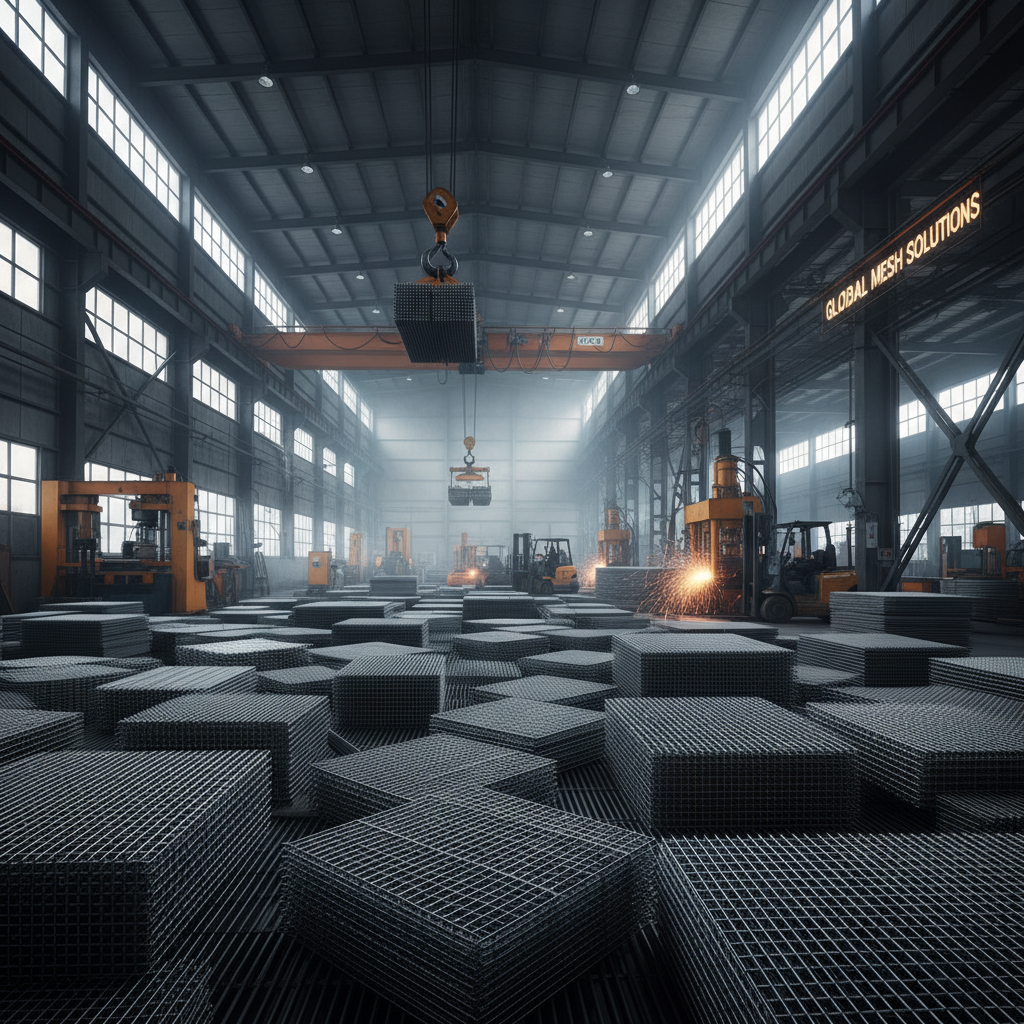
Anyway, I think when it comes to metal cages for sale - yeah, we call them cages, but really they're structural enclosures - it’s all about the steel. We mostly use Q235, standard stuff, easy to weld, relatively cheap. You can smell it, actually, that metallic tang. It’s got a weight to it, you know? Not like some of the thin stuff they try to push. Then there’s the galvanizing… that’s key. Hot-dip galvanizing, none of that electroplated nonsense. You need a thick coating, especially if it's going near the coast.
Industry Trends & Design Pitfalls
Strangely enough, everyone's chasing lightweight designs. Makes sense for transport, reduces costs. But I’ve seen too many flimsy structures that can’t handle a good gust of wind. They need to remember these aren't decorations; they’re supposed to protect things. That's where a good engineer steps in.
The biggest design pitfall? Ignoring site conditions. You can't just slap a cage down on uneven ground and expect it to hold. Proper foundation work is essential, and honestly, that’s where a lot of corners get cut. Later… forget it, I won't mention it.
Material Science: It's More Than Just Steel
We talked about Q235, but it's not just about the grade. The weldability matters. The surface finish matters. We also use a lot of stainless steel, 304 mostly, for applications where corrosion is a real concern. It's expensive, yeah, but worth it in the long run. You can tell the difference, though. Stainless feels… colder, smoother. And the smell when you're welding it is totally different, kinda metallic and sweet.
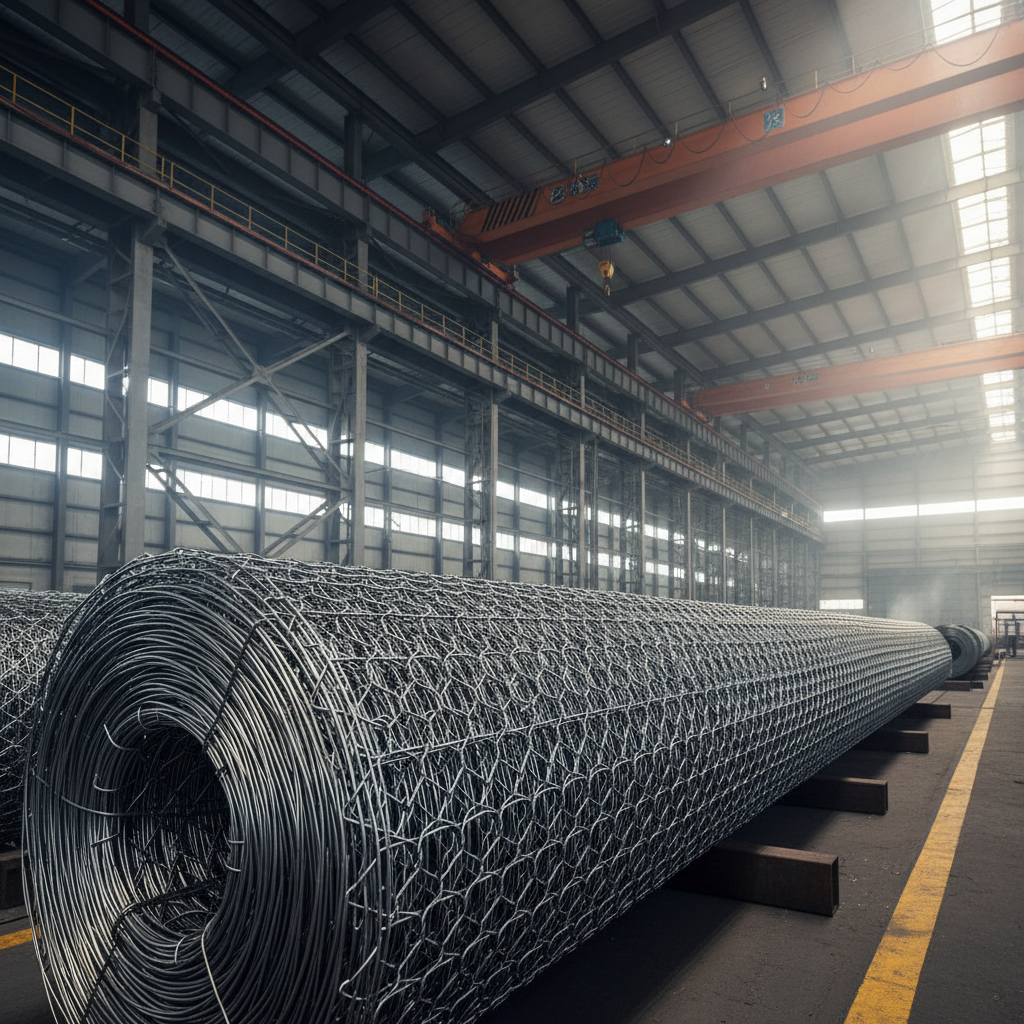
Then there's the mesh. We use different gauges of wire depending on the application. For security cages, you need a heavier gauge, something that can resist cutting. For ventilation, a lighter gauge is fine. It’s all about finding the right balance between strength and cost.
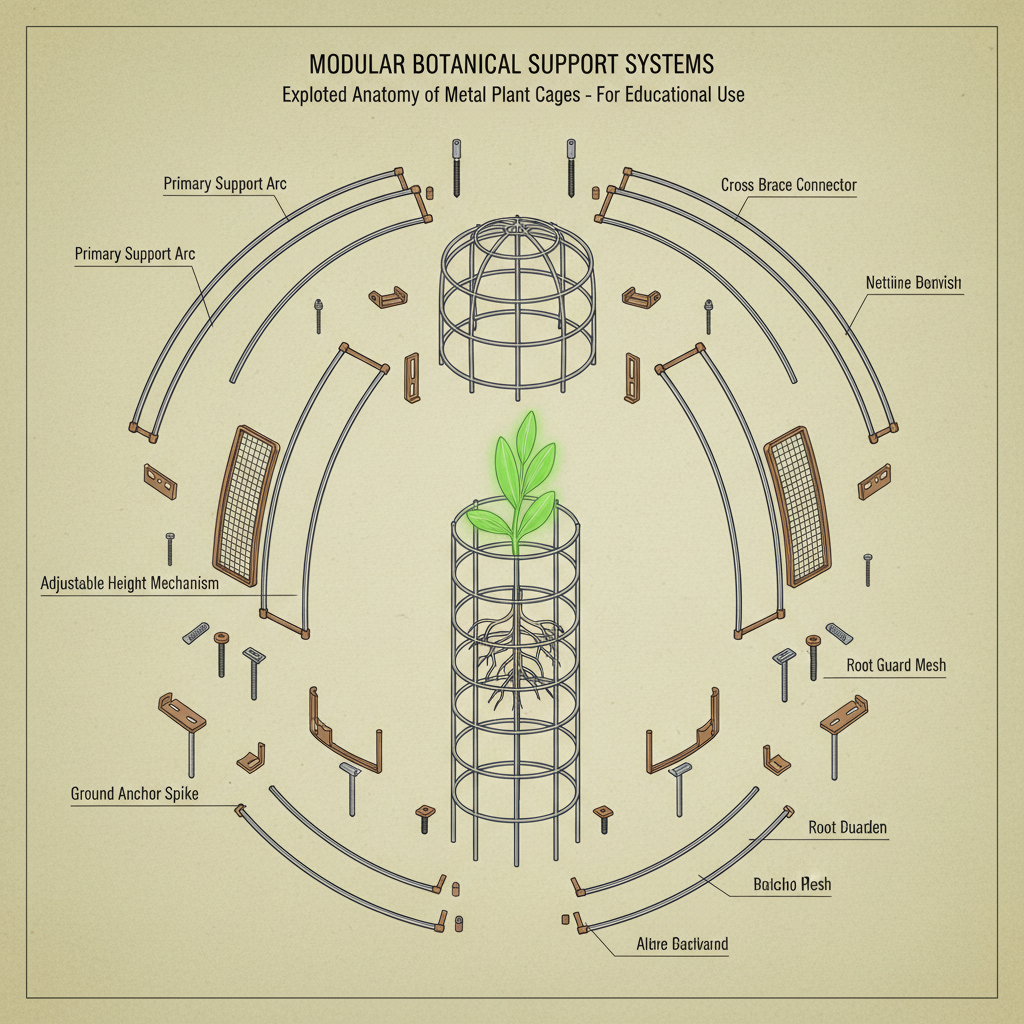
And the connectors… oh, the connectors. That’s where so many problems start. Cheap connectors fail. Period. We've had a few instances where the whole thing collapses because someone skimped on the hardware.
Real-World Testing & What We've Learned
Forget the lab tests. They’re useful, sure, for getting a baseline. But the real test is what happens when you put these cages out in the field. We’ve started doing more on-site stress tests. Load them up with weight, shake them, even try to pry them apart. It's crude, but it works.
We had one test where we simulated a heavy snow load. Piled sandbags on top of a cage to see how it held up. Turns out the roof wasn't strong enough. Had to reinforce it. That’s how you learn, right? By breaking things.
We've also learned to pay attention to the little things. Like the way the cage sits on the ground. Is it level? Is it stable? Those small details can make a huge difference.
User Behavior: The Unexpected
You always think you know how people are going to use something. Then they go and surprise you. We designed one cage to be used for storing tools, but the workers started using it as a lunch break shelter. A lunch break shelter! They’d put a tarp over the top and everything.
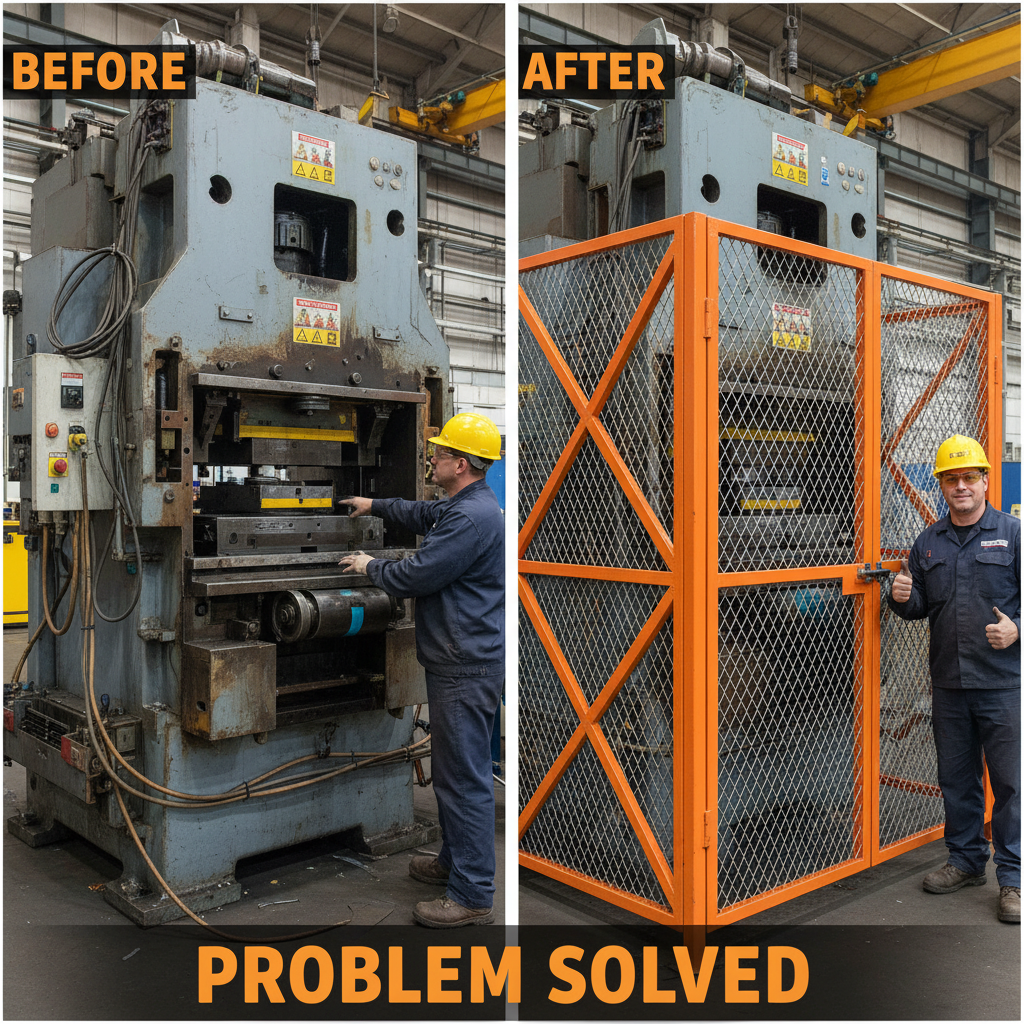
And they’re rough on these things, let me tell you. They lean on them, bang into them with forklifts, even weld directly onto them sometimes. It's not ideal, but you have to design for real-world conditions, not for a pristine showroom.
metal cages for sale Performance Ratings
The Good, The Bad, & Customization Options
The biggest advantage of metal cages for sale? Durability. They can take a beating and keep on ticking. They’re also relatively easy to maintain. A little bit of paint every now and then, and they’ll last for years.
The downside? Weight. They're heavy and cumbersome to move around. And they can be expensive, especially if you need a custom size or design. But you can customize them. Last week, a customer wanted a cage with a built-in forklift pocket. Wasn't a big deal, just added a couple of extra steel beams. We can do all sorts of things: different door configurations, different mesh sizes, even add a roof or a floor.
Customer Story: The Shenzhen Smart Home Saga
Last month, that small boss in Shenzhen who makes smart home devices insisted on changing the interface to . The standard was USB-A, perfectly fine, everyone uses it. But no, he wanted for "future-proofing". I tried to explain it would add cost and complexity, but he wouldn't listen. Turns out his whole production line wasn't equipped to handle connectors. Delayed his shipment by two weeks.
It's the same with these cages. People always think they know best. They want something fancy, something different. But sometimes, the simplest solution is the best.
We had another customer who wanted a cage made entirely of aluminum. Looked great in the drawings, all sleek and modern. But it was way too expensive and didn’t have the strength he needed. Ended up going with steel in the end.
Performance Metrics and Key Considerations
To be honest, a lot of this comes down to gut feeling. You spend enough time on sites, you just know what's going to work and what's not. But we do keep track of certain metrics, like the load capacity, the corrosion resistance, the assembly time.
And the biggest thing is the price per square meter. Customers always want the cheapest option, but you have to balance that with quality and durability. It's a constant trade-off.
We also look at the lead time. How long does it take to get the materials, fabricate the cage, and deliver it to the site? Time is money, as they say.
Key Performance Indicators for Metal Cage Enclosures
| Category |
Metric |
Target Value |
Testing Procedure |
| Structural Integrity |
Load Capacity |
500 kg/m² |
Simulated weight test on-site |
| Corrosion Resistance |
Salt Spray Test Hours |
500 hours |
ASTM B117 standard |
| Assembly Efficiency |
Assembly Time (per m²) |
15 minutes |
Time trials with experienced workers |
| Material Cost |
Cost per kg |
$1.20 |
Supplier quotes and material tracking |
| Weld Quality |
Tensile Strength |
400 MPa |
Destructive testing of weld samples |
| Dimensional Accuracy |
Tolerance (mm) |
+/- 5mm |
Precise measurement and quality control |
FAQS
Honestly, it depends on the environment, but with proper galvanizing and occasional maintenance, you can easily get 15-20 years out of a well-built cage. Coastal areas are tougher, obviously. Salt air eats everything. We recommend annual inspections and touch-ups as needed. But even without much care, they'll usually hold up for a decade, at least.
Yeah, pretty much. That's one of the advantages of steel. You can cut it, weld it, drill holes in it. Workers often need to add attachments for lights, cameras, or other equipment. We always advise using proper welding techniques and ensuring the modifications don't compromise the structural integrity, but it's generally pretty straightforward. I’ve seen some crazy modifications, let me tell you!
That's a big one. You want a stable, level foundation. Concrete pads are ideal, but can be expensive. Crushed stone is a good alternative, especially for temporary setups. The key is to compact the ground properly and ensure the cage is level. Uneven ground will put stress on the structure and shorten its lifespan. Don’t skimp on the foundation, trust me.
Not thinking about access. They order a cage, then realize they can't get a forklift through the door to load it with materials. Or they forget to factor in space for maintenance. It seems obvious, but it happens all the time. Always consider how you're going to get things in and out, and how you're going to maintain the cage once it's installed. It’s always overlooked!
Absolutely. We do custom sizes all the time. Just provide us with your dimensions, and we'll build it to your specifications. There's usually a lead time for custom orders, and it will be more expensive than a standard size, but it's worth it if you need something that fits your exact needs. We just need accurate drawings or sketches.
Definitely. We offer a range of security features, including reinforced locks, heavy-duty mesh, and even alarm systems. It depends on your security requirements. For high-security applications, we recommend using a thicker gauge of steel and a more robust locking mechanism. I always advise checking with local security regulations as well.
Conclusion
So, yeah, metal cages for sale aren’t glamorous, but they’re essential. They provide security, protection, and organization. They're a workhorse, plain and simple. The industry is moving towards pre-fab and modular, but the core principles remain the same: good materials, solid construction, and a focus on real-world performance.
Ultimately, whether this thing works or not, the worker will know the moment he tightens the screw. If it feels solid, if it looks right, chances are it'll hold up. And if it doesn't… well, we'll learn from our mistakes and build something better next time. Check out our website at metal cages for sale.