The modern steel fence isn't just some backyard barrier—it’s a critical infrastructure element shaping security, sustainability, and innovation worldwide. From urban developments to rural industrial sites, steel fences are safeguarding assets with enhanced durability and style. Globally, as urban populations grow (UN estimates suggest over 68% urbanization by 2050), the demand for secure, cost-effective fencing solutions becomes pressing. Modern steel fences matter because they fulfill multiple roles: perimeter protection, aesthetic enhancement, and environmental resilience. Understanding them is key for architects, engineers, and planners aiming to marry safety with sustainability.
Mini takeaway: Modern steel fences blend robust protection with sustainable design to meet urban and industrial challenges worldwide.
It might surprise you to learn the fencing industry plays a subtle but essential role in economic and social development globally. According to ISO standards for metal construction (ISO 15686), structures must withstand environmental stressors for decades. Steel fencing, particularly the modern variants, align with these principles. With the World Bank reporting rising investments in industrial parks and urban infrastructure, securing these assets is paramount. However, many regions struggle with fencing systems that fail prematurely or lack adaptability. This is where the modern steel fence enters the picture, solving age-old problems like poor durability and maintenance costs, while enhancing modularity and style.
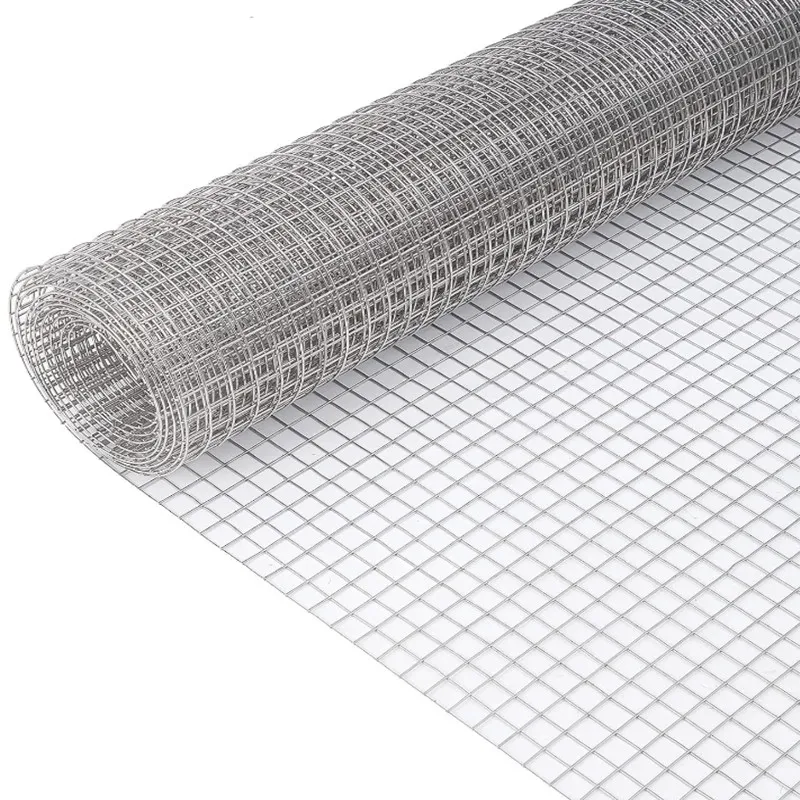
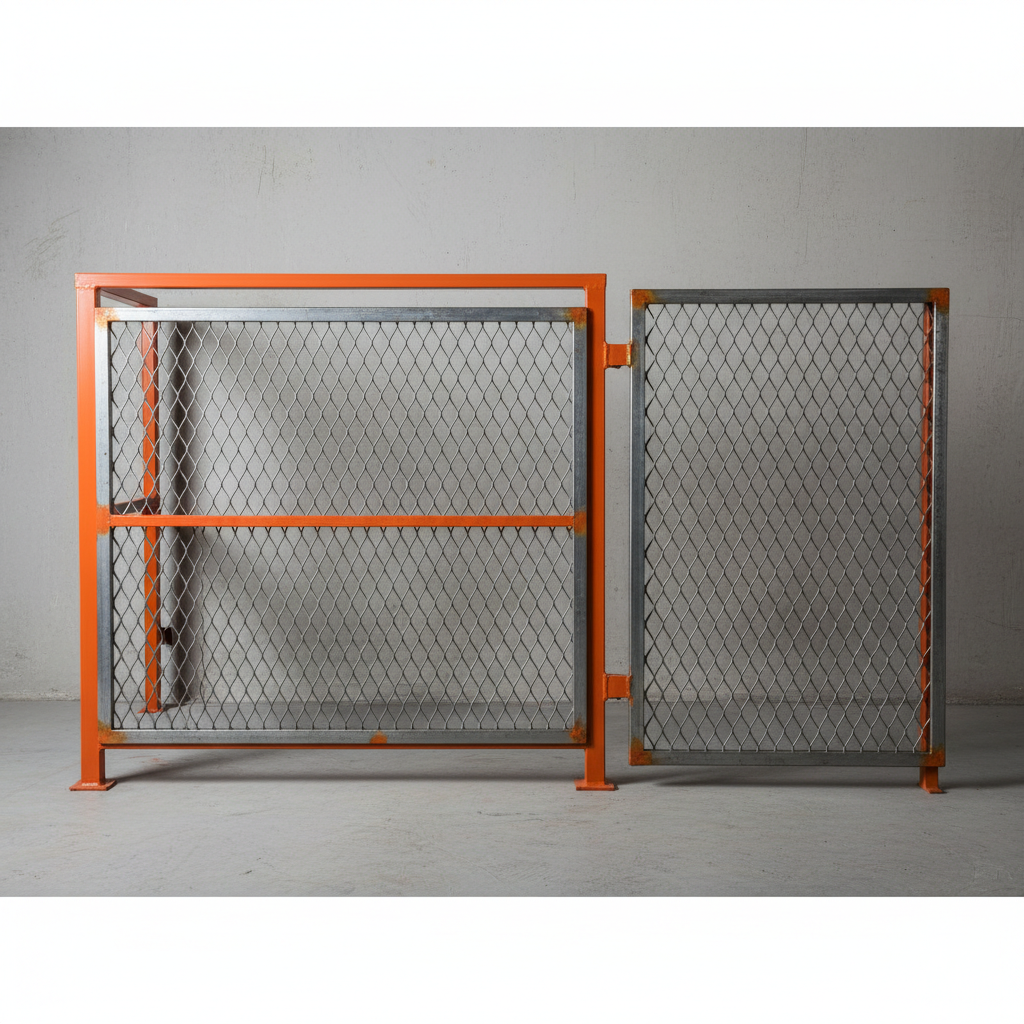
Simply put, a modern steel fence is a perimeter barrier made primarily from high-quality steel, designed with contemporary manufacturing and finishing techniques that enhance strength, corrosion resistance, and aesthetics. Unlike traditional wooden or chain link fences, these are engineered to last longer and often incorporate innovative features like powder coatings, galvanization, and modular panel systems. Beyond just fencing off areas, they serve crucial roles in industrial safety, humanitarian logistics, and urban planning—making them relevant across diverse sectors.
Mini takeaway: Think of modern steel fencing as a smarter, tougher guardian that leverages modern materials and design for broader application.
Durability really is the #1 selling point of modern steel fences. High-grade steel, often galvanized or powder-coated, stands firm against weather, rust, and impact — crucial when you’re fencing remote industrial zones or coastal properties. Steel’s tensile strength combined with protective finishes means fences can last decades with minimal upkeep. This beats traditional materials hands down, reducing lifecycle costs dramatically.
Many manufacturers now offer modular panels that snap together, making it easy to scale fences up or down — or reconfigure them if site needs change. For instance, disaster relief agencies often need fast-deploy fencing to secure temporary facilities. Modern steel fences, with bolt-together sections, meet that “speed and flexibility” demand beautifully.
Sure, the upfront price may seem higher than wood or chain link, but when you consider lower maintenance, longer lifespan, and fewer replacements, the total cost of ownership favors steel fences. Plus, the ability to customize shapes and sizes avoids wasted materials.
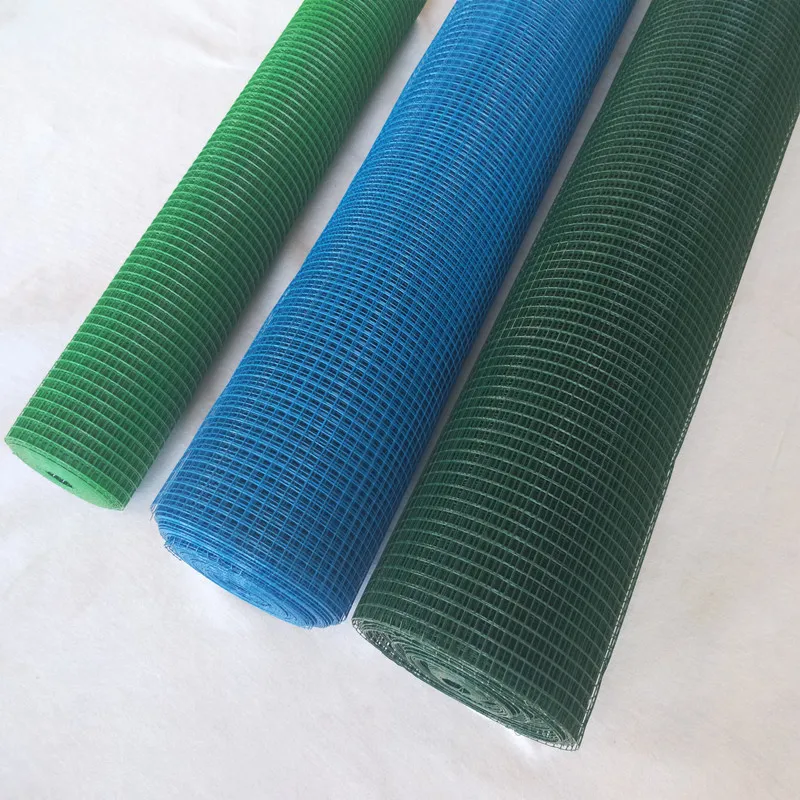
Gone are the days when steel fences looked cold and utilitarian. Modern techniques allow sleek, attractive finishes in various colors and styles — an important factor for residential developments or commercial spaces wanting both security and curb appeal.
Steel is recyclable — over 90% of steel is recycled worldwide, according to the World Steel Association — making modern steel fencing a more sustainable choice. Plus, many producers now implement eco-friendly coatings that avoid harmful VOCs.
| Feature | Specification |
|---|---|
| Material | Galvanized steel, powder-coated finish |
| Height Options | 1.2 m to 3 m (customizable) |
| Panel Width | 2.5 m standard sections |
| Finish Options | Powder-coated (various RAL colors), hot-dip galvanized, anti-graffiti coatings |
| Expected Lifespan | 20+ years (with minimal maintenance) |
| Installation | Modular bolt-together system for fast deployment |
Modern steel fences serve a vast range of industries and regions — somewhat like unsung heroes. In urban centers across Europe and North America, these fences secure residential complexes without sacrificing beauty. Their corrosion resistance makes them popular in coastal Asia-Pacific infrastructure projects, where salt-laden air can wreak havoc on weaker materials.
In humanitarian contexts, NGOs use modular steel fencing to quickly establish secure perimeters around refugee camps or medical facilities after crises. Industrial zones in the Middle East and Africa benefit from fences that resist sand abrasion and high temperatures.
Oddly enough, some remote mining sites in South America rely on steel fences combined with digital sensors to guard against theft — a blend of rugged hardware and cutting-edge monitoring.
Modern steel fence manufacturers keenly serve these varied needs by offering bespoke fabrication and consultation.
Mini takeaway: The versatility of modern steel fences shines globally, finding new roles wherever security meets harsh conditions or sensitive environments.
Beyond toughness and style, modern steel fencing bolsters social and economic values. It creates safer communities where children can play, businesses can thrive, and homes retain value. There’s an emotional security that comes with a well-crafted fence — an invisible yet vital sense of trust.
Practically, lower maintenance means less disruption and expense. Sustainability credentials align with today’s demands for greener building materials, further elevating the steel fence’s profile.
The future for modern steel fences involves exciting directions. Smart fences embedded with IoT sensors could detect breaches or environmental changes in real-time. Lightweight but stronger alloys are improving portability for quick-install projects. Solar-powered lighting and green walls integrated with fencing offer aesthetic and environmental perks. Advances in powder coatings now allow self-healing properties, extending lifespan even more.
Additionally, growing sustainability regulations push manufacturers toward carbon-neutral production — not just a pipe dream but achievable with new steel-making tech favored by ISO 14001 certified vendors.
No tech is perfect, and modern steel fences face challenges like initial cost, installation complexity, and sometimes vandalism. Yet, these issues have practical solutions: modular designs simplify setup; community involvement reduces intentional damage; and flexible financing schemes help offset the upfront investment.
Importantly, choosing reputable suppliers with ISO certifications and proven durability records helps mitigate risks — which is why industry knowledge and experience matter so much here.
| Vendor | Material Grade | Customization | Sustainability Certification | Global Shipping |
|---|---|---|---|---|
| TikeMetal | High-grade galvanized & powder-coated steel | Full bespoke service | ISO 14001 certified | Worldwide |
| SteelSecure | Standard galvanized | Limited panel options | None | Regional (Europe) |
| FenceForge | Premium alloy steel | Modular with some customization | ISO 9001 certified | International |
To sum it up, investing in a modern steel fence means choosing a versatile, durable, and sustainable perimeter solution that performs in demanding global contexts — urban, industrial, humanitarian, or environmental. It’s more than metal and bolts; it’s a blend of engineering, innovation, and trust that protects investments and communities alike.
Curious to explore options tailored to your needs? Visit TikeMetal’s website to learn more.
Final thought: In an increasingly interconnected world, the fences we build today reflect our values, ambitions, and resilience.
References:
1. United Nations, World Urbanization Prospects, 2022 Edition: https://population.un.org/wup/
2. ISO 15686 – Buildings and constructed assets: Service life planning, https://www.iso.org/standard/40252.html
3. World Steel Association, Sustainability of steel, 2023, https://worldsteel.org/steel-markets/sustainability
RELATED PRODUCTS





Top