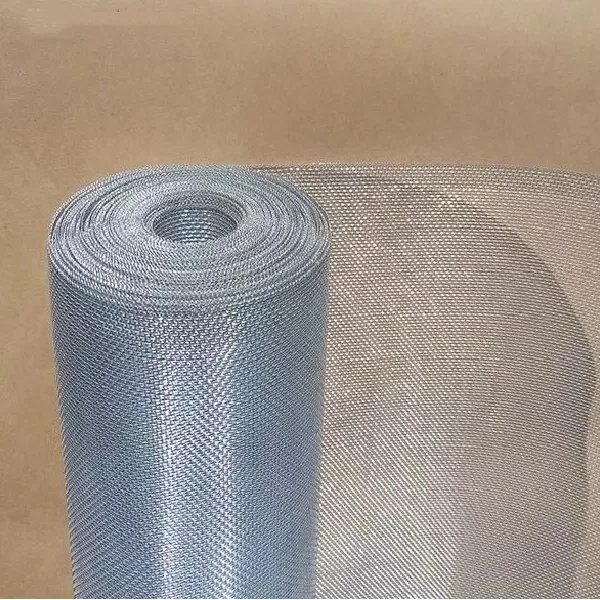
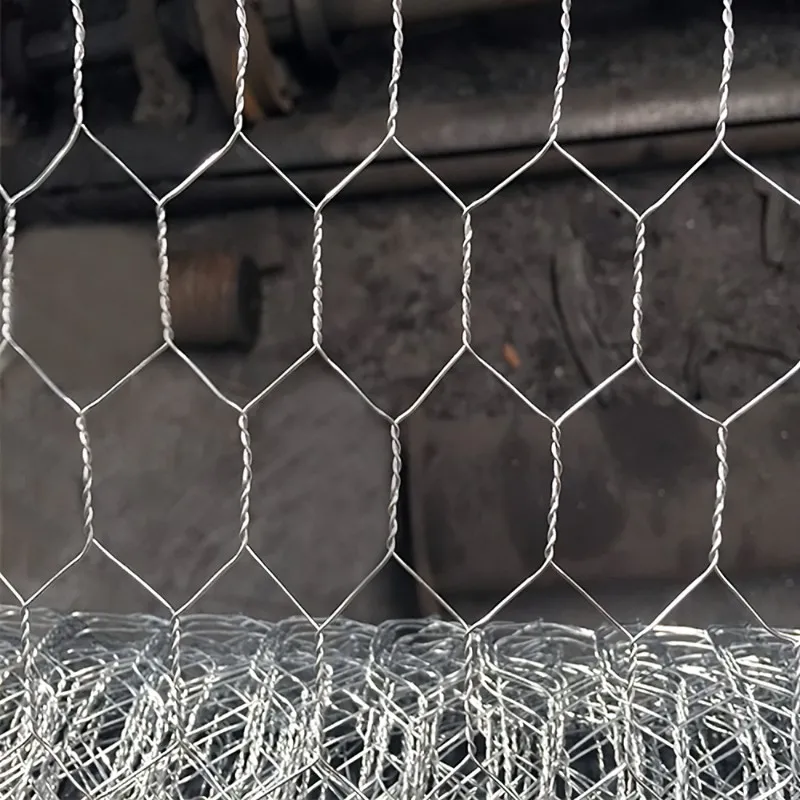
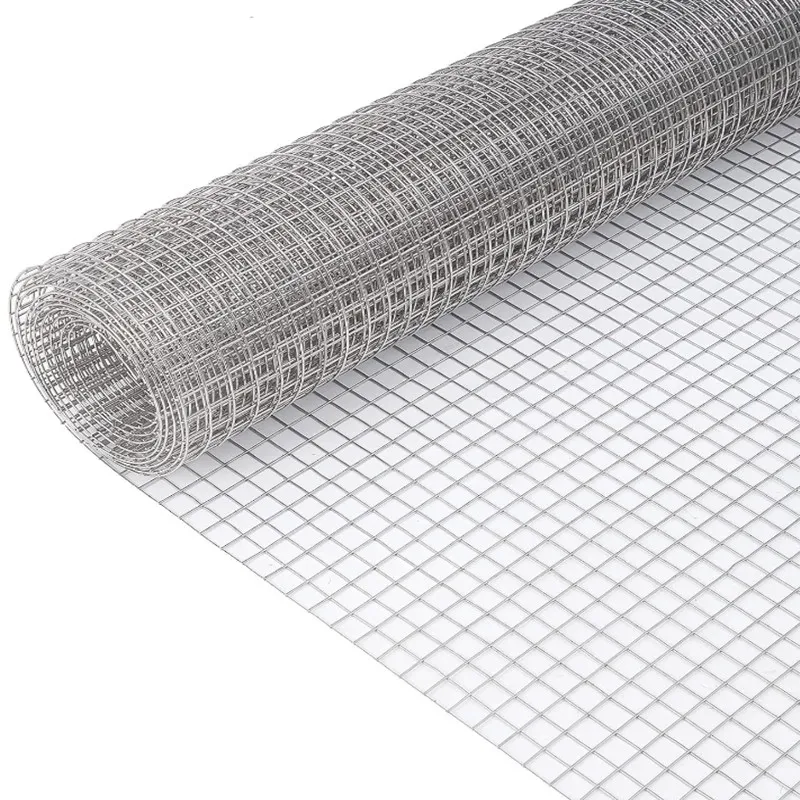
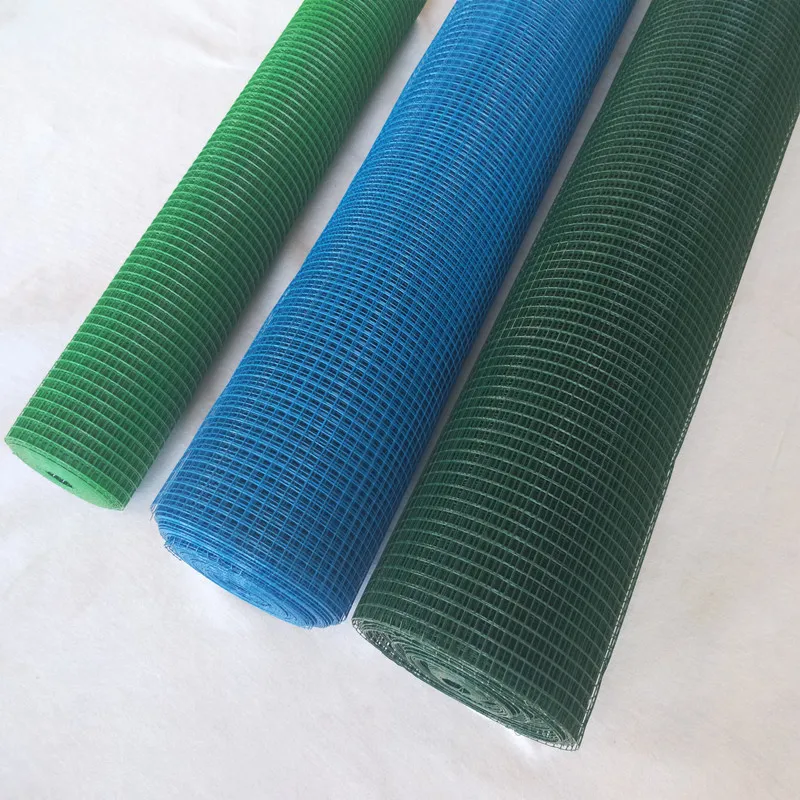
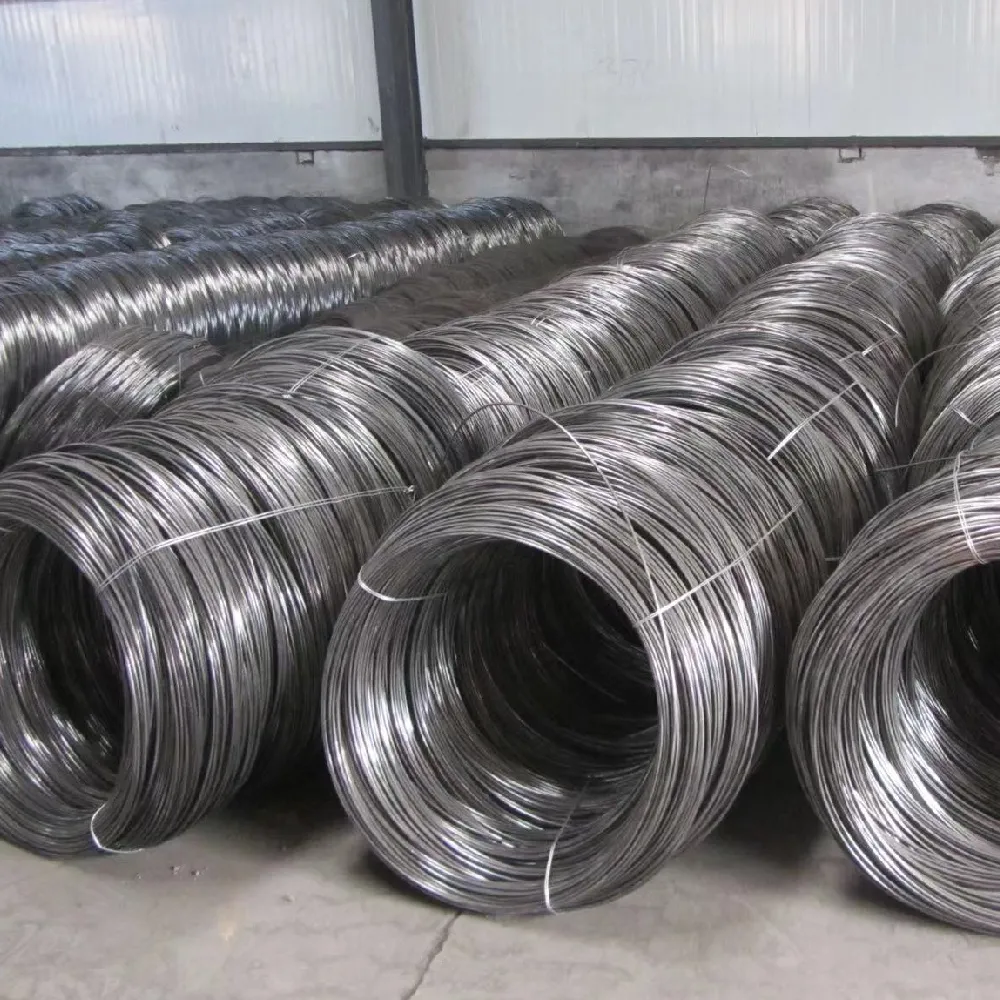
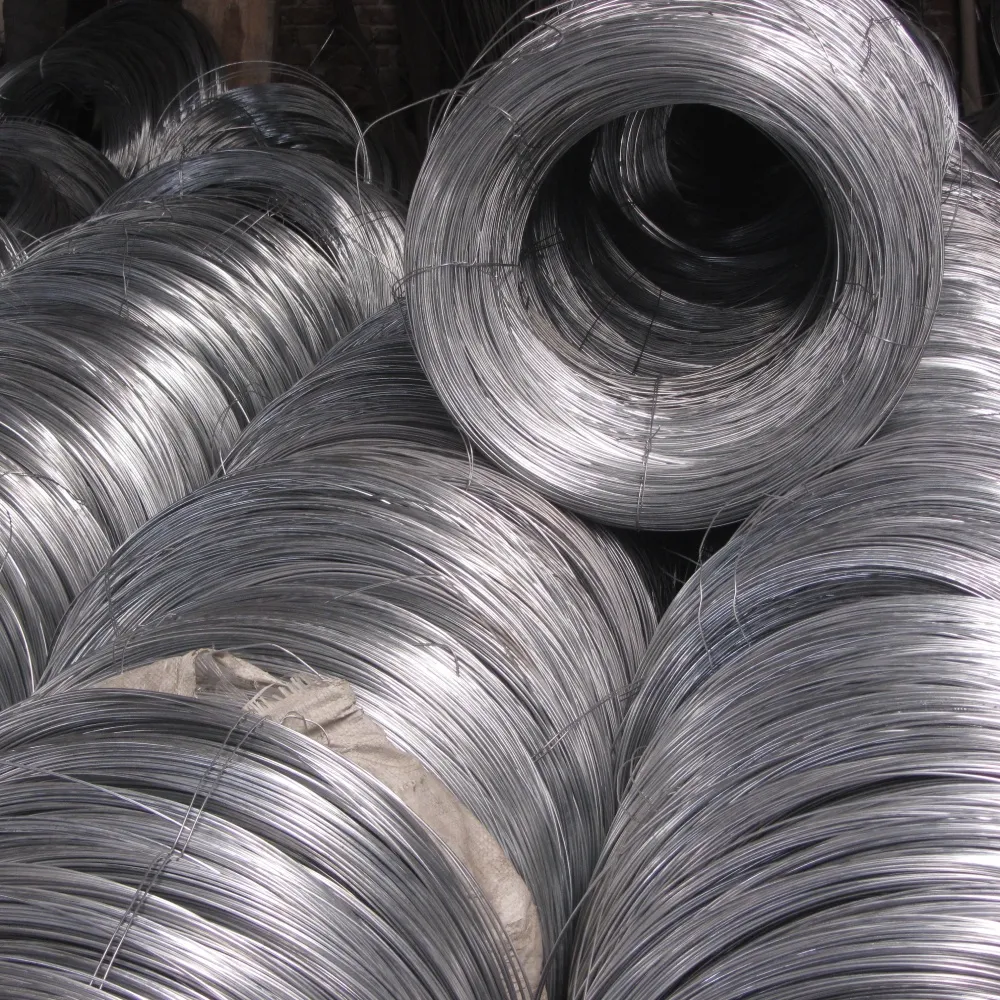
Galvanized steel fence wire—on the surface, it might just seem like a simple fencing material. But if you dig a bit deeper, it’s pivotal in countless settings worldwide, from securing farmland in expansive rural areas to creating safe zones in industrial and humanitarian projects. Understanding why galvanized steel fence wire is the preferred choice isn't just about fences; it’s about durability, cost efficiency, and safety at a global scale.
Globally, the fencing industry is expected to grow steadily, driven by agricultural expansion, security needs, and urban development. According to ISO standards on steel wire, galvanized steel fencing offers a corrosion-resistant solution essential for longevity across multiple climates. Reportedly, over 70% of fencing installations in agriculture and industrial sectors use galvanized steel because it withstands harsh weather, reducing maintenance costs.
But there’s a challenge: conventional fencing degrades, threatening containment and safety. Galvanized steel fence wire combats this decay with a protective zinc coating, effectively addressing these durability issues.
Simply put, galvanized steel fence wire is steel that’s been coated with zinc to prevent rusting. This process, known as galvanization, ensures the wire maintains strength and integrity even under corrosive environments—think salty coastal areas or humid tropics.
In addition to industry uses, this fencing material supports humanitarian efforts, like refugee camp demarcations or emergency relief, where creating secure, reliable, and fast-to-erect barriers promotes safety and order.
This wire’s zinc coating protects steel from oxidation, effectively extending lifespan to 15-30 years, even outdoors. Engineers often highlight its resilience against environmental stress.
Oddly enough, while galvanized steel wire costs slightly more upfront than untreated wire, its reduced maintenance and replacement rates make it economical over time. It’s a smart investment.
Thanks to its tensile strength, galvanized steel fence wire adapts to various fencing needs—from lightweight garden enclosures to high-security industrial perimeters—without losing form or safety integrity.
Its corrosion resistance makes it ideal for tropical, coastal, and industrial zones where exposure to humidity, salt, and pollution is high.
Because it is flexible yet strong, installers appreciate how quickly and safely they can put it to use on-site, reducing labor time.
Takeaway: Galvanized steel fence wire balances strength, longevity, and affordability, explaining its widespread adoption.
For example, in post-disaster relief operations in Southeast Asia, galvanized steel fence wire not only secures temporary shelters but also helps maintain perimeters in challenging weather conditions where other materials failed.
Takeaway: The material’s versatility across environments and functions makes it an indispensable tool worldwide.
Beyond technical specs, galvanized steel fencing brings peace of mind. It’s not just about cost savings but also fostering security for people and property, which can be crucial in volatile regions. Its sustainability credentials add to its appeal—less frequent replacements mean fewer resources consumed.
In real terms, businesses find that reliable fencing enhances operations by reducing theft and accidents, supporting worker safety, and enabling compliance with regulatory standards.
| Specification | Details |
|---|---|
| Material | High-quality low carbon steel |
| Coating | Hot-dip galvanized zinc coating (minimum 275 g/m²) |
| Wire Diameter | 1.6 mm to 4.0 mm (customizable) |
| Tensile Strength | 40,000 - 60,000 psi (approx.) |
| Length per Coil | 50 m, 100 m, or custom lengths |
| Vendor | Coating Thickness | MOQ | Lead Time | Certifications |
|---|---|---|---|---|
| Tike Metal | 275 g/m² | 100 coils | 2 weeks | ISO 9001, ISO 14001 |
| SteelPro | 220 g/m² | 50 coils | 3 weeks | ISO 9001 |
| Global Wire | 300 g/m² | 200 coils | 4 weeks | ISO 9001, CE |
As sustainability gains traction, manufacturers are exploring eco-friendlier zinc coatings and recycling practices for galvanized steel fence wire. Digital transformation encourages smarter supply chains and even IoT-enabled fence monitoring to improve security. Oddly enough, despite being such a “classic” material, galvanized steel wire is getting a modern makeover with new alloys that extend life spans and improve recycling potential.
One ongoing challenge is ensuring uniform zinc coating for consistent protection—variability can lead to weak spots and early corrosion. Many experts emphasize advanced galvanizing techniques, like twin-dip hot-dip galvanizing, to address this. Additionally, welding galvanized wire can release hazardous fumes, so safety protocols are essential for installers.
From agricultural lands sprawling across continents to high-security industrial sites, galvanized steel fence wire offers unmatched durability and cost-efficiency. It addresses real-world challenges like corrosion, installation complexity, and long-term maintenance. For businesses and humanitarian agencies alike, it means more secure boundaries, safer operations, and less worry over infrastructure degradation. Want to see what galvanized steel fence wire can do for your project? Visit https://www.tikemetal.com to explore quality options and expert advice.
In short: quality fencing wires are often unsung heroes, quietly safeguarding our spaces with resilience and reliability.
References:
1. ISO Standards on Steel Wire
2. Wikipedia: Galvanization
3. World Bank Agribusiness Data
RELATED PRODUCTS





Top