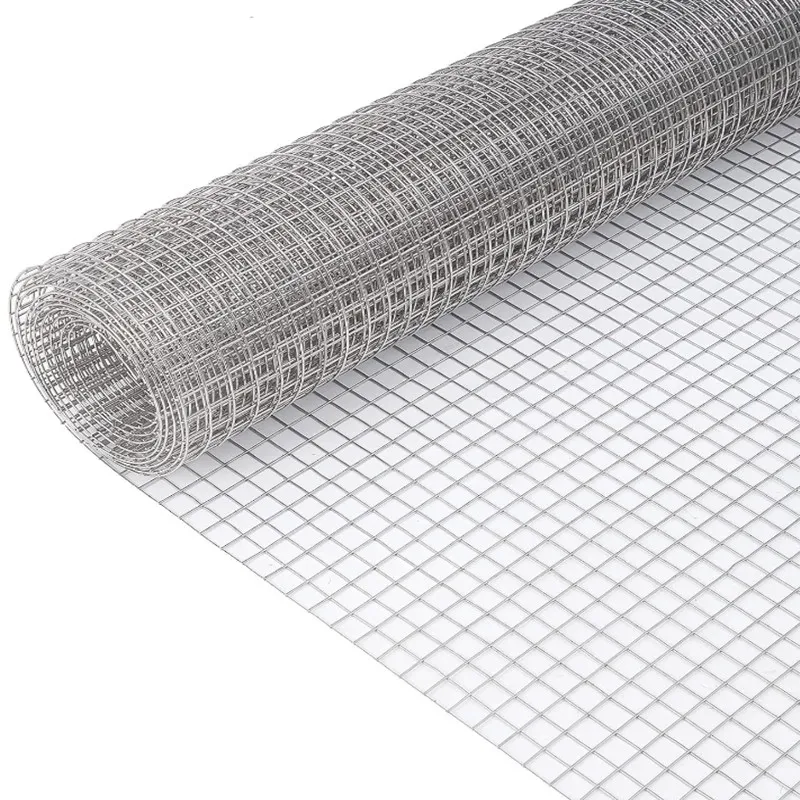
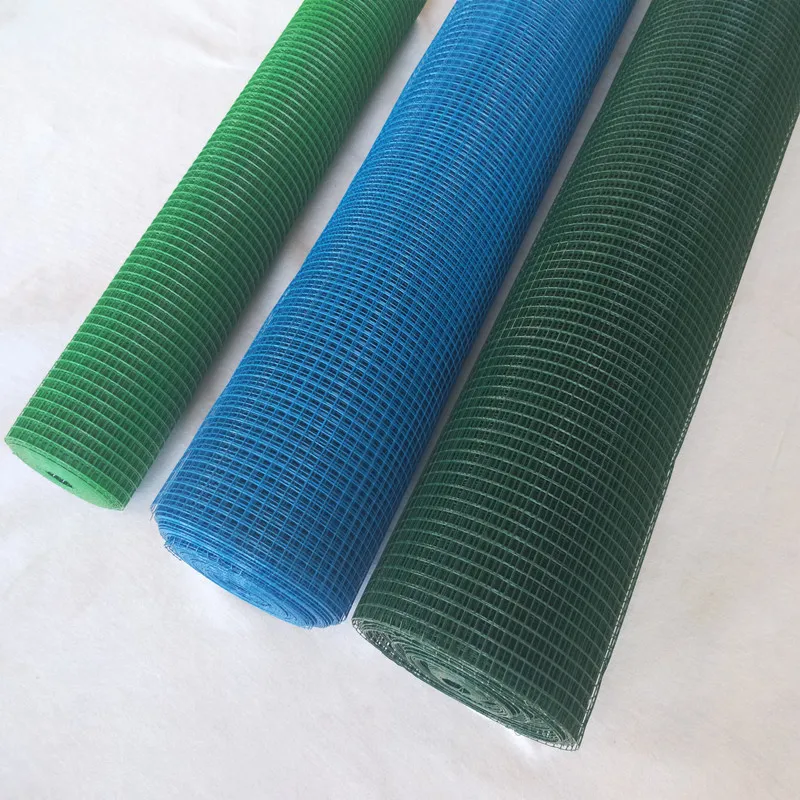
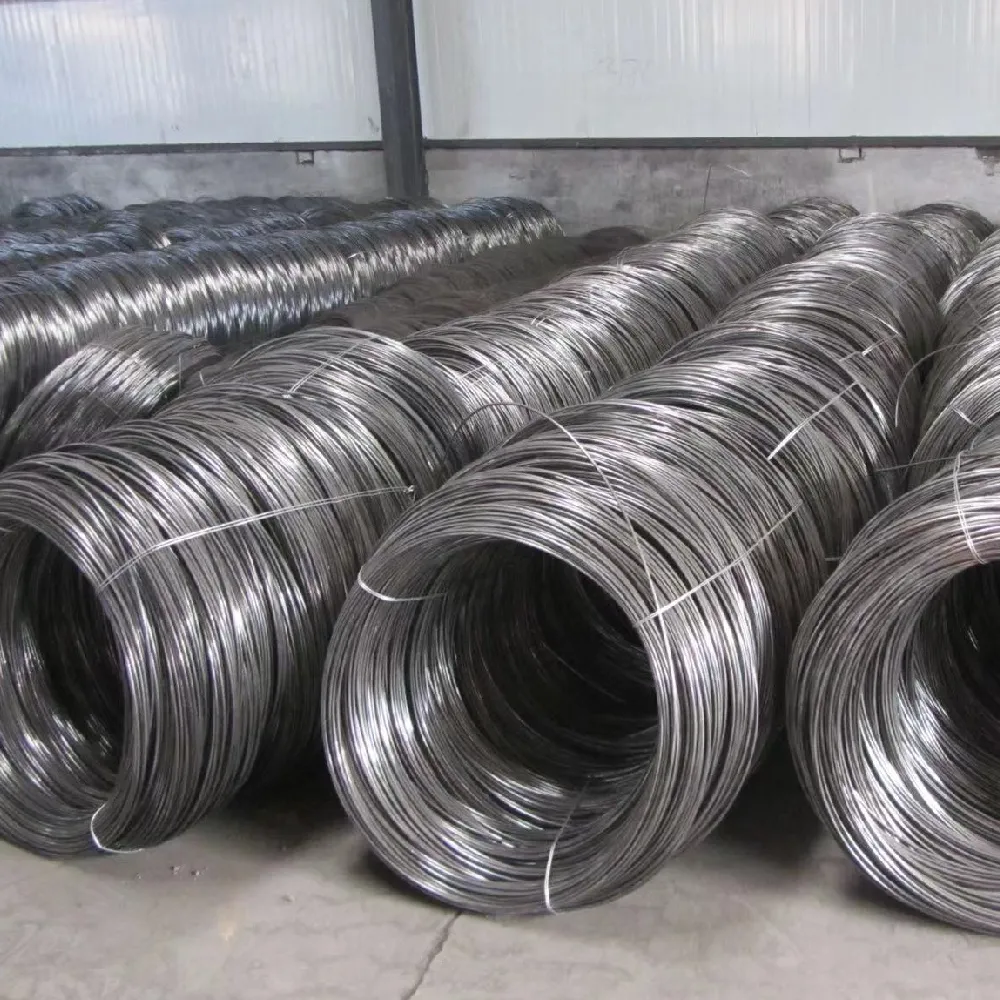
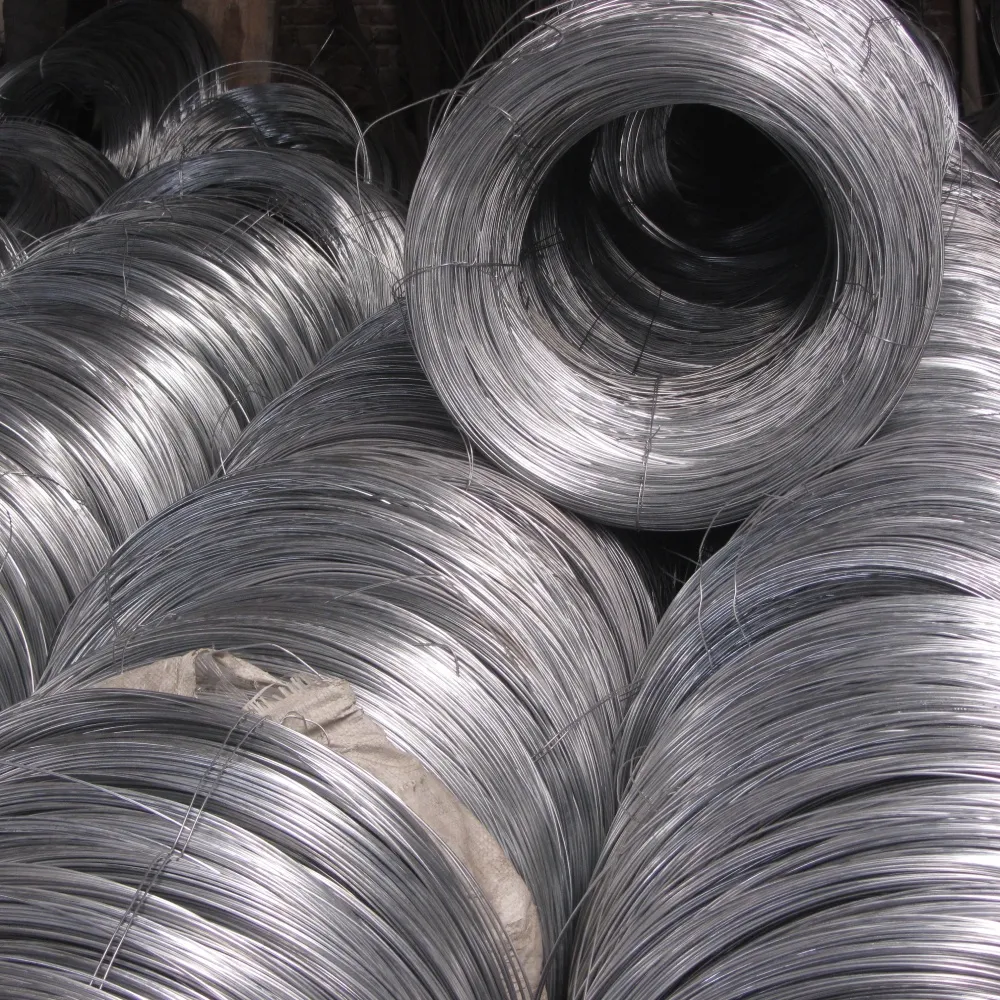
Metal steel fences might sound like an everyday product, but they’re far more significant than just borders around properties. In an increasingly security-sensitive, industrially booming world, metal steel fence solutions play a critical role—from safeguarding agricultural lands to protecting industrial zones and even aiding humanitarian relief efforts. Globally, they symbolize a blend of durability, cost-efficiency, and scalability, making them a cornerstone in infrastructure and safety planning.
What makes the metal steel fence relevant on a broad scale? For one, steel is the backbone of modern construction and security. According to the International Organization for Standardization (ISO), steel fencing standards ensure consistent quality and safety, which is vital in urban expansion and disaster management situations.
The need for reliable fencing solutions is on the rise, especially in fast developing regions and sensitive zones like ports, borders, and industrial parks. The World Steel Association reports that over 1.9 billion metric tons of steel were produced globally in 2022—much of it destined for infrastructure, including fencing. But here’s the catch: traditional fencing methods often fall short in durability, ease of deployment, or environmental impact.
It’s no secret that vulnerable areas — think natural disaster zones or rapidly urbanizing regions — require fencing that’s both quick to install and extremely sturdy. This is where metal steel fences shine, balancing robustness and adaptability.
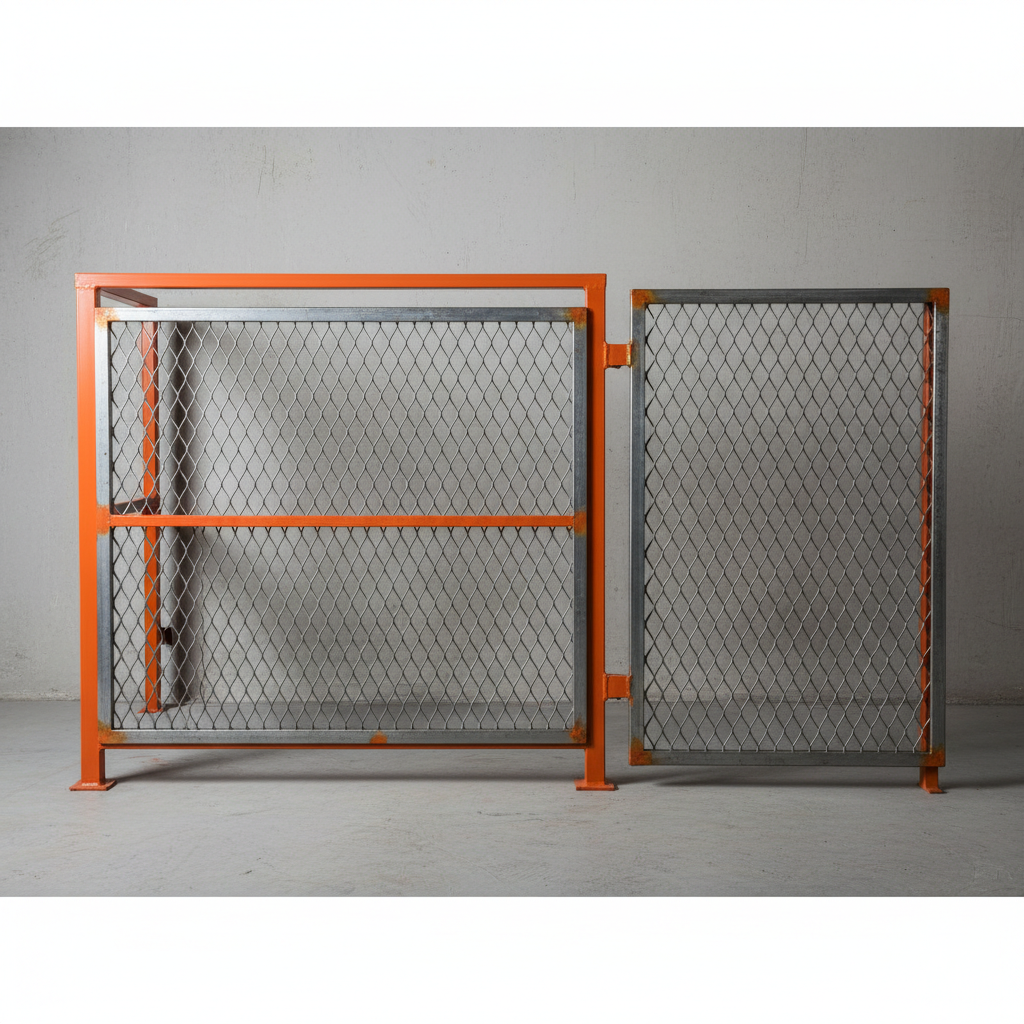
Simply put, a metal steel fence is a boundary barrier made primarily from steel, designed for security, protection, and delineation of property or restricted zones. Unlike wooden or chain-link options, steel fences offer superior strength and longevity, resisting harsh weather and tampering.
In modern industry, steel fencing bridges safety with pragmatic concerns—like reducing theft or securing equipment. On the humanitarian front, strong metal steel fences can delineate safe zones quickly after disasters, protecting displaced populations or aid supplies.
Steel’s inherent resilience to elements, rust (when galvanized or powder-coated), and impact makes it preferred. A durable fence means fewer replacements and less maintenance — a real budget saver over time.
Whether enclosing a small private garden or an expansive industrial complex, steel fences can be manufactured to various heights, lengths, and configurations. Modular designs that snap together simplify installation and reconfiguration.
While initial costs may seem higher than wood or plastic alternatives, the long-term savings due to minimal upkeep and extended lifespan justify the investment. Plus, economies of scale kick in with mass production.
Modern steel fences aren’t just utilitarian. Finishes vary from matte to glossy, with decorative elements possible, making them suitable for both commercial and residential use.
Meeting ISO and ASTM standards ensures safety and reliability, crucial for government and industrial contracts.
Metal steel fences find diverse applications worldwide. In Asia’s booming industrial parks, they safeguard heavy machinery and critical infrastructure. In Europe, decorative steel fencing provides both security and classic style in urban housing. In Africa, NGOs use modular metal steel fencing to secure refugee camps swiftly and efficiently after humanitarian crises.
In the United States, metal steel fences help meet stringent federal security regulations at ports and airports.
| Feature | Specification |
|---|---|
| Material | Galvanized Steel / Powder-coated Steel |
| Height Range | 1.2 m - 3 m (4 ft - 10 ft) |
| Panel Width | 2 m - 3 m |
| Coating Type | Hot-dip galvanized / Powder coating |
| Installation | Modular panel system with post anchoring |
There’s a kind of peace of mind that comes with knowing your perimeter is protected by high-quality steel fencing. The safety it affords communities and businesses is tangible—fewer break-ins, less vandalism, and better compliance with insurance demands.
Environmentally, steel fences are recyclable, contributing less to landfill waste. Plus, minimal upkeep means fewer chemicals used over time (compared to wooden fences needing preservatives), aligning well with sustainability goals.
Emotionally? For property owners and residents, the steel fence conveys a message of security and pride in maintenance—which, oddly enough, builds community trust.
| Vendor | Material Quality | Customization | Lead Time | Price Range |
|---|---|---|---|---|
| TikeMetal | Galvanized Steel, ISO-certified | High (custom colors, sizes) | 2-3 weeks | $$$ |
| SteelSecure Ltd. | Standard galvanized | Medium | 3-5 weeks | $$ |
| Global Fence Co. | Powder-coated steel | Low | 1-2 weeks | $$ |
The future is bright for metal steel fences. Green manufacturing methods are reducing carbon footprints in steel production. Additionally, automation in fabrication offers faster lead times and lower costs. Integration with smart security—think sensors embedded into fence panels—is also gaining traction. This hybrid of security and technology offers remote monitoring and instant breach alerts.
Ultra-durable coatings that self-heal scratches and corrosion promise longer lifespans, alongside increasingly recyclable materials to push sustainability further.
A common challenge is installation in rough terrain or fast-changing environments that require temporary yet strong fencing. The solution? Modular panel systems with flexible anchoring provide the adaptability needed for such conditions. Another issue is cost upfront—which some smaller organizations find prohibitive—but financing plans and leasing options can help bridge this gap logically.
Q1: Are metal steel fences resistant to rust?
A1: Yes, when properly galvanized or powder-coated, steel fences resist rust effectively, even in humid or coastal environments. Regular maintenance extends this protection.
Q2: How long does a metal steel fence typically last?
A2: With quality materials and proper care, metal steel fences can last 20-30 years or more, outperforming wood and vinyl in longevity.
Q3: Can metal steel fences be customized?
A3: Absolutely. Vendors like TikeMetal offer size, color, and panel design customizations to suit aesthetic and security needs.
Q4: Is installation complicated?
A4: Installation has become straightforward with modular systems, often requiring minimal tools and labor. Most providers offer detailed guides or professional installation services.
Q5: Are metal steel fences eco-friendly?
A5: Steel is highly recyclable, and modern production emphasizes reducing environmental impact. Moreover, longevity means less frequent replacements, reducing waste.
Long-term, metal steel fences offer unmatched strength, security, and sustainability, adapting well to global challenges in industry, urban development, and humanitarian aid. For organizations looking to invest in reliable perimeter solutions with a forward-thinking edge, exploring metal steel fence options is a wise step.
Ready to secure your property or project with trusted steel fencing? Visit us at https://www.tikemetal.com and discover quality you can count on.
Oddly enough, sometimes the simplest components—like a fence—say the most about safety and care. It feels good to know that something so fundamental is thoughtfully engineered.
1. ISO 9001 Standard for Quality Management Systems
2. World Steel Association Statistics 2022
3. Wikipedia: Steel
RELATED PRODUCTS





Top