If you’ve ever noticed a fence standing firm across a dusty industrial site or lining a secure perimeter of a construction area, chances are it’s made of steel fence sections. These components are more than just barriers — they’re fundamental parts of modern infrastructure, security, and land management worldwide. Understanding what steel fence sections are, how they’re designed and used can reveal why so many industries and communities rely on them for safety, sustainability, and flexibility.
Globally, the demand for secure and durable fencing is surging due to urbanization, industrial growth, and humanitarian needs such as disaster relief. Frankly, steel fence sections tick many boxes because of their strength, ease of installation, and long lifespan. You might be surprised how this simple product ties into so many sectors—from border security to agricultural land management.
Steel fencing isn’t a niche market—it’s a global staple. According to ISO standards related to steel products, and reports from organizations like the UN Environment Programme, security measures and infrastructure development are rapidly expanding, particularly in urbanizing regions of Asia and Africa. The World Bank also highlights how industrial zones worldwide are increasingly investing in safety and logistics management, with steel fences often forming the backbone of these efforts.
However, challenges remain. Many regions struggle with theft, land encroachment, or wildlife intrusion, which calls for solutions that are both robust and modular. Steel fence sections address these challenges by offering a balance between cost, durability, and ease of repair or expansion.
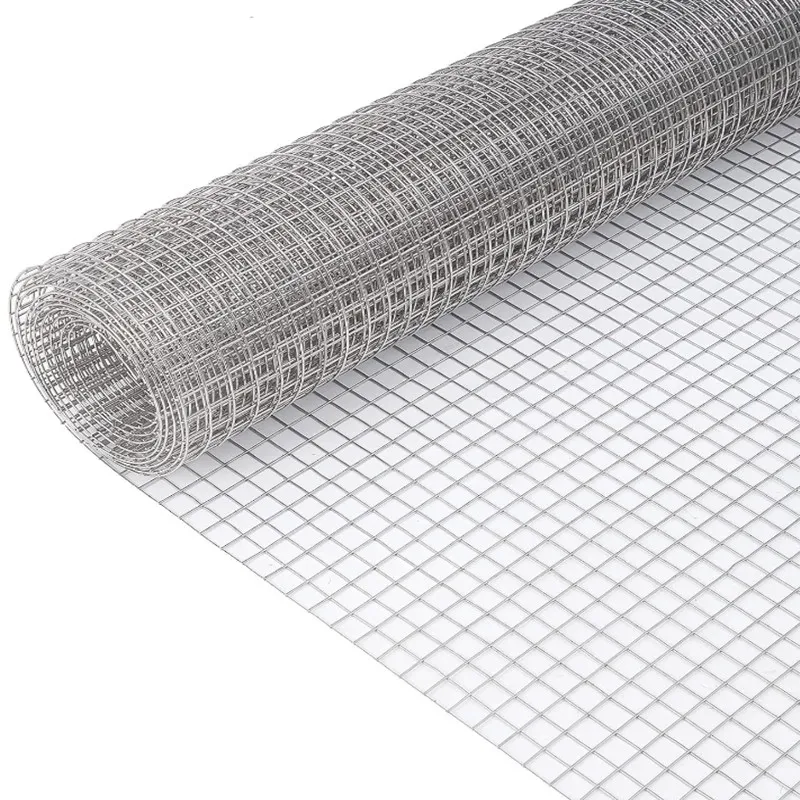
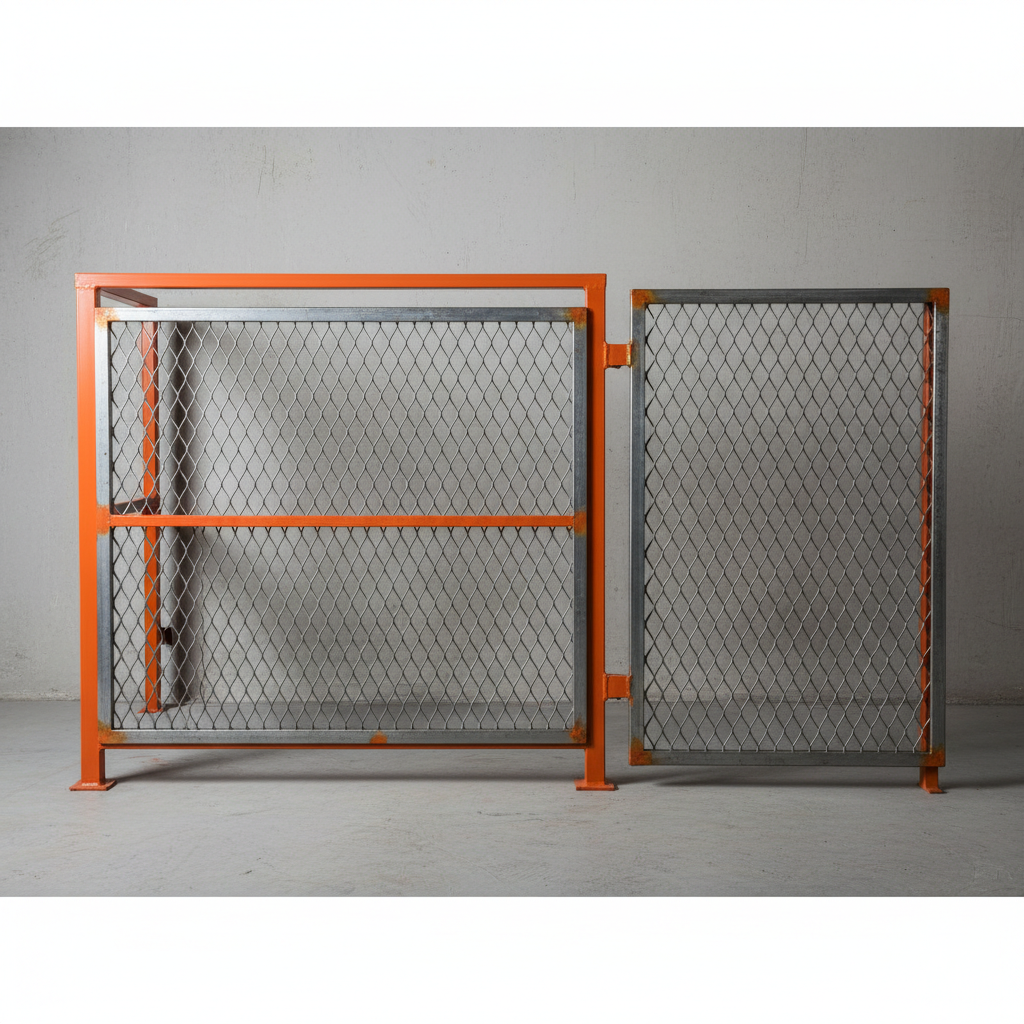
Put simply, steel fence sections are standardized panels or segments made from galvanized or treated steel, designed to be installed side-by-side to create secure fences. These sections typically come pre-fabricated, allowing for rapid assembly on site. They can be standalone or combined with gates, posts, and other hardware.
Beyond the industrial uses, steel fence sections often help humanitarian efforts, providing temporary secure boundaries in refugee camps or disaster zones. Their modular nature suits fluctuating needs and helps maintain humane and safe environments.
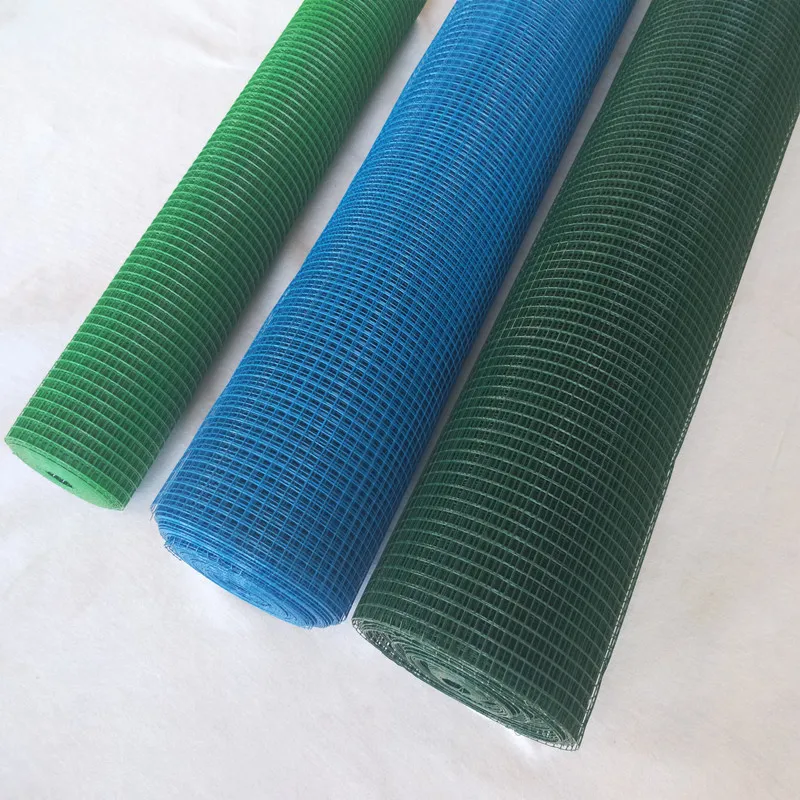
Steel inherently offers high strength, resisting impacts and environmental stresses that would degrade wood or plastic fencing. When galvanized or powder-coated, these sections resist rust and corrosion even in coastal or rainy climates.
You can start with a small secured area and easily add more sections as needs grow. This scalability is critical for expanding industrial sites or temporary projects with evolving boundaries.
While upfront costs can be higher than simpler fencing materials, steel fence sections typically last decades, reducing replacement or maintenance expenses. Plus, the modular design speeds installation, saving on labor costs.
The rigid structure and height options deter trespassing effectively. Some designs even incorporate anti-climb elements or integrate sensors for digital security systems.
Steel is recyclable, and many manufacturers use recycled content, aligning with green building standards—a plus in industries with sustainability mandates.
Varying heights, mesh sizes, and finishes mean fences can be tailored—from wildlife protection to high-security zones.
It’s worth mentioning: in post-disaster zones, rapid fencing deployment can delineate safe zones or protect temporary shelters, preventing looting and preserving dignity.
Mini takeaway: Steel fence sections are versatile building blocks touching a wide array of industries and humanitarian needs.
| Specification | Details |
|---|---|
| Material | Galvanized Steel, Powder Coated Options |
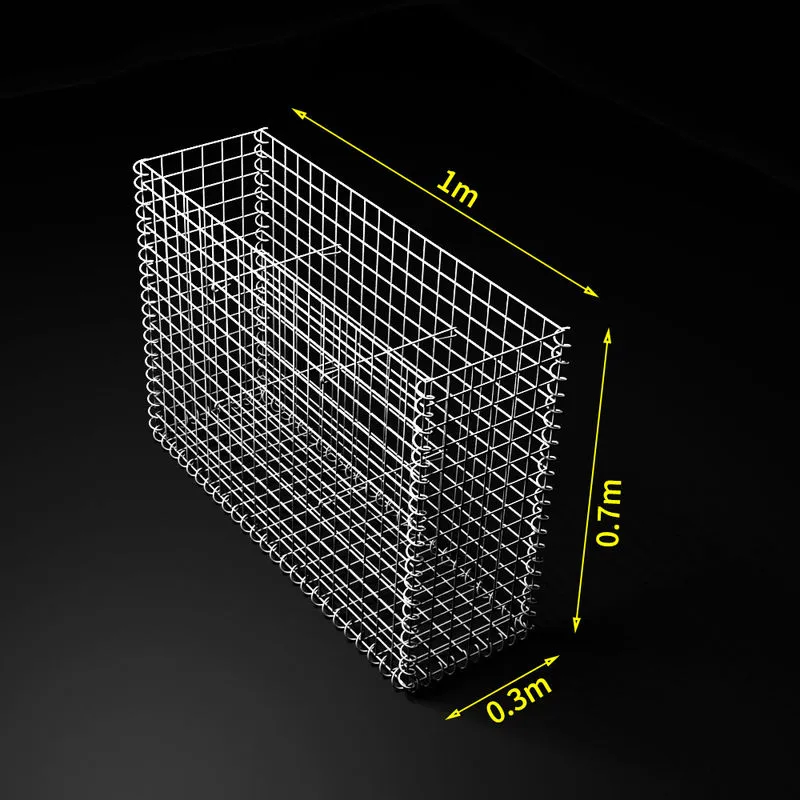
| Panel Size | 2.5 - 3.0 m width, 1.8 - 2.4 m height |
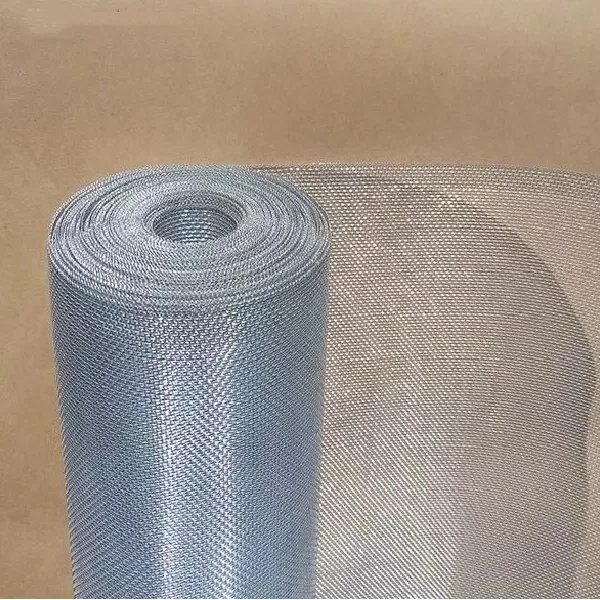
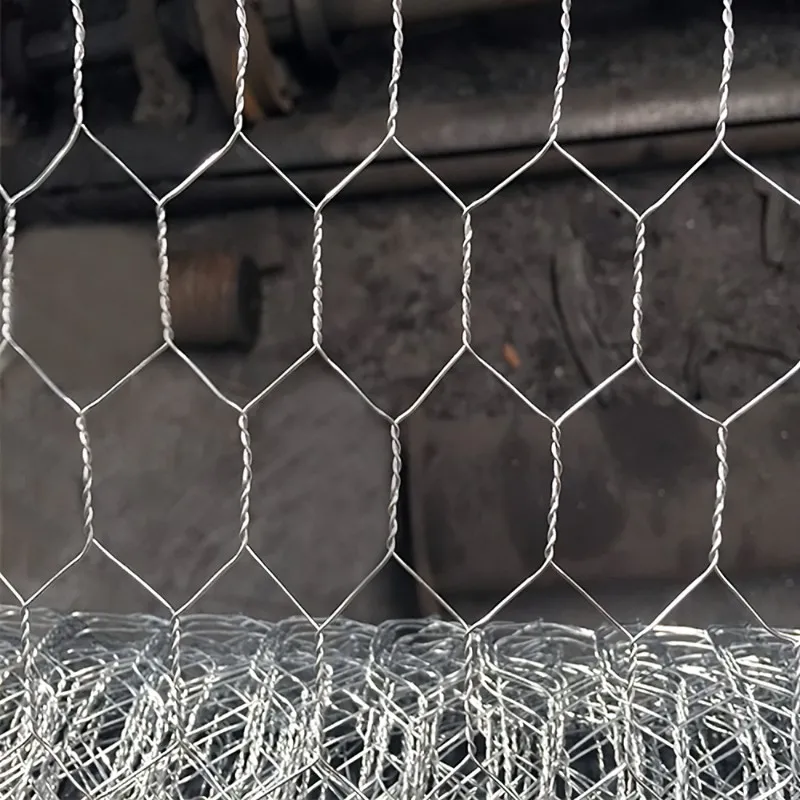
| Mesh Types | Welded wire, expanded steel mesh |
| Weight per Panel | 20-35 kg, depending on mesh density |
| Installation | Bolt-together with steel posts, quick assembly |
| Life Expectancy | Up to 30 years with regular maintenance |
| Vendor | Material Quality | Customization Options | Lead Time | Typical Use Case |
|---|---|---|---|---|
| Tike Metal | Premium galvanized steel, powder coatings | Panels up to 3m, color options, security features | 2–4 weeks | Industrial, humanitarian, agricultural |
| Global Fence Co. | Standard galvanized steel | Limited panel sizes | 3–6 weeks | Commercial and residential |
| SecureFence Ltd. | High tensile steel, anti-vandal finishes | Custom heights, anti-climb options | 4–5 weeks | High security zones |
It’s not just about putting up a barrier; it’s about building trust and reliability into your space. Steel fence sections offer:
Mini takeaway: Investing in quality steel fence sections pays back in peace of mind and measurable cost control.
Looking ahead, the future of steel fence sections feels... quite exciting. Green building certifications are pushing manufacturers toward lower-carbon steel production, and powder coatings are becoming more eco-friendly. Digital transformation means fences could soon be equipped with IoT sensors that alert owners to breaches or damage in real time.
Automation is another trend: prefabricated modular fences can be installed by robots in some advanced construction settings, reducing human labor and speeding deployment—very useful in disaster relief or remote areas.
Of course, no product is perfect. Steel fences can be heavy to transport, and costs upfront may be a barrier in some low-income contexts. Corrosion can still be an issue if coatings fail or maintenance lapses.
But innovative composite coatings, improved galvanization methods, and logistics partnerships help mitigate these risks. NGOs planning camp security often partner directly with vendors like Tike Metal to customize solutions that fit budget and environment specifics, which really helps.
Steel fence sections may seem like plain components, but they offer remarkable versatility, sustainability, and security benefits that span industries and continents. They solve practical problems efficiently while supporting long-term safety, cost effectiveness, and environmental responsibility.
If you’re considering fencing solutions for an industrial site, agricultural property, or humanitarian project, looking at quality steel fence sections is a solid first step. Visit https://www.tikemetal.com to explore options, get expert advice, and secure your perimeter with confidence.
Final thought: In a world needing dependable, scalable security solutions, steel fence sections quietly stand guard — and that’s a reassuring thing.
References:
RELATED PRODUCTS





Top