When you think about fencing solutions worldwide, the tubular steel fence stands out as more than just a border—it’s a symbol of strength, adaptability, and practical innovation. If you’ve ever wondered why these fences have become so popular in industrial zones, urban developments, or even humanitarian relief areas, you’re not alone. Globally, their relevance is growing steadily, touching on issues that range from security to sustainability.
Why does this matter on a global scale? According to international manufacturing data, steel production consumption is expected to rise steadily, with construction and infrastructure sectors demanding safer, longer-lasting fencing options. Tubular steel fences fit right into this trend, marrying the need for robust protection with design versatility. Let’s dive deep and see what makes these fences tick—and why understanding them might just reshape your view on boundary solutions.
Globally, the construction and manufacturing industries are engines driving economic growth, but they also face challenges—material longevity, environmental concerns, and cost pressures. The United Nations Environment Programme (UNEP) has highlighted sustainable construction as a key to reducing global emissions, and using durable materials like steel can be a part of the solution to limit waste and ensure longer infrastructure life cycles.
In many regions, particularly in Asia-Pacific and North America, tubular steel fencing is increasingly applied to safeguard critical infrastructure—from factories to airports, utility stations, and even temporary disaster relief camps. The World Bank has pointed out that infrastructure resilience is vital for developing nations. Oddly enough, a fence might look like a simple feature, but it’s a frontline defense that bridges safety and community stability.
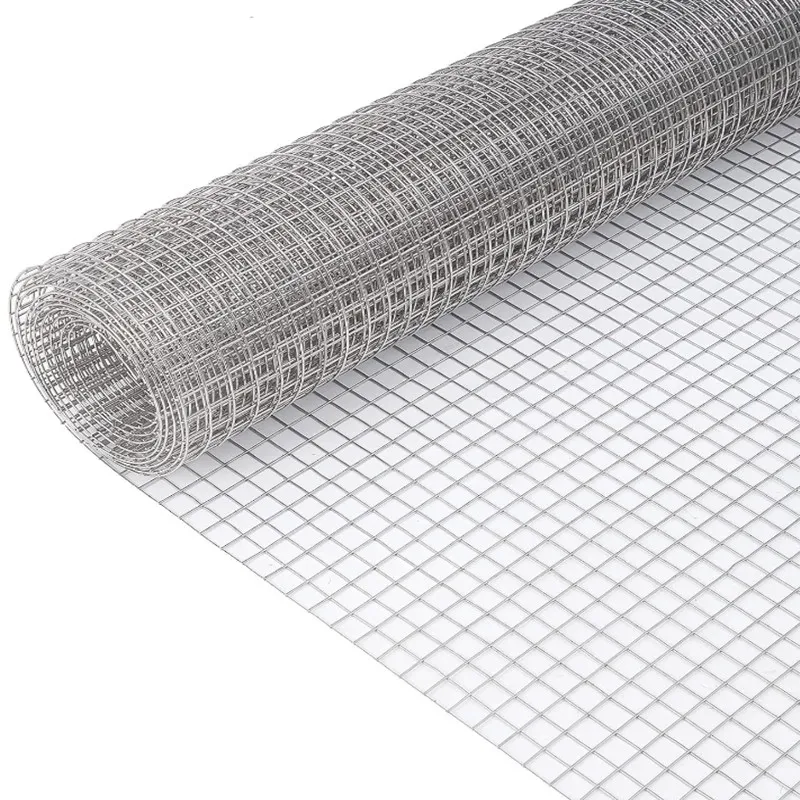
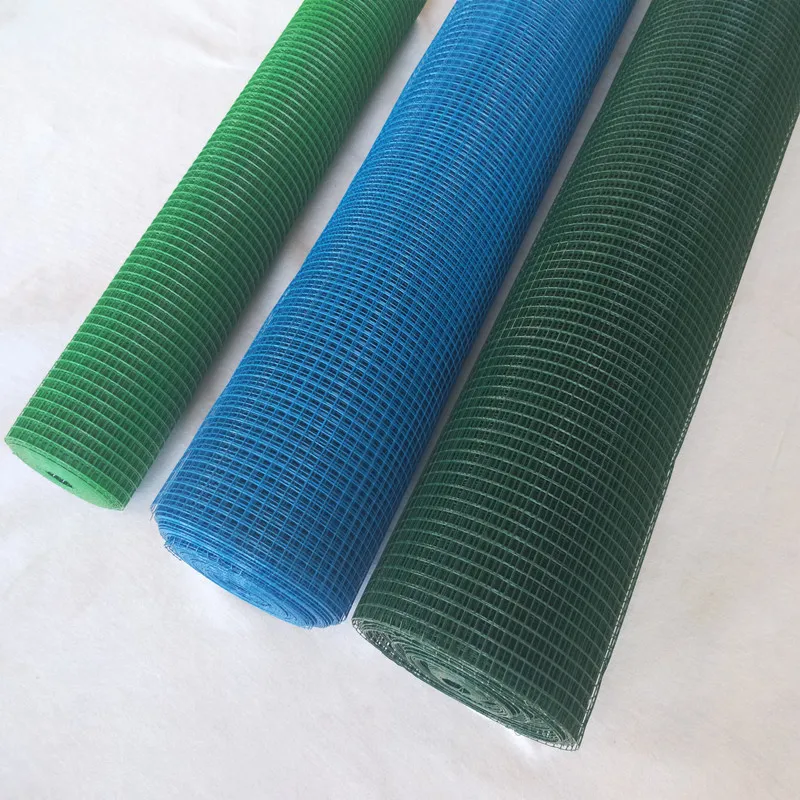
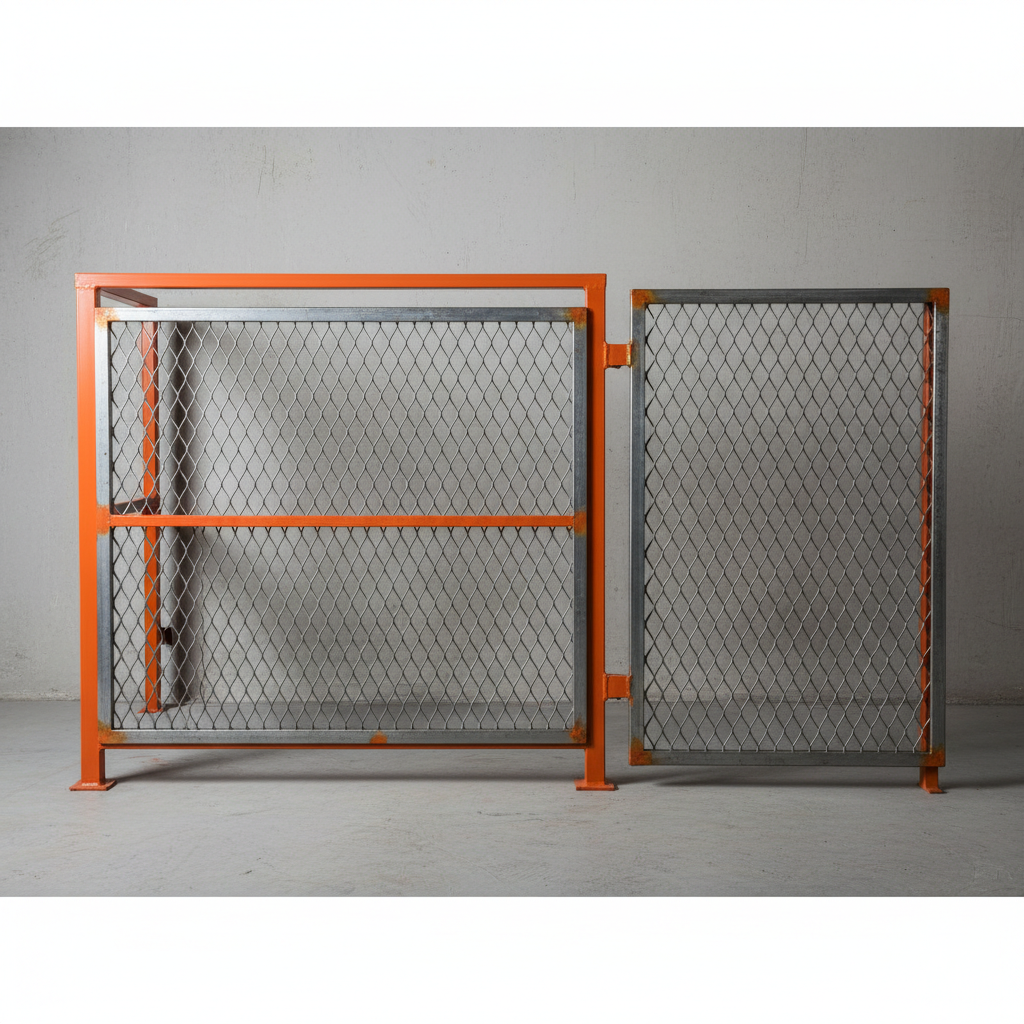
Simply put, a tubular steel fence is a type of barrier made primarily from hollow steel tubes. These tubes are welded or fastened together in a grid or mesh-like structure, offering both rigidity and a certain openness that allows visibility without sacrificing security.
Industrial operators and humanitarian organizations alike appreciate how tubular steel fences combine toughness with modularity. Whether fencing off a manufacturing plant or delineating refugee camps, the same design principles apply: durability, quick assembly, and adaptability to different environments.
Steel, when treated and galvanized correctly, resists rust, impact, and wear from weather elements like rain, sun, and snow. This longevity means less frequent replacements—which is good for budgets and the environment.
Many tubular steel fence systems are designed to be scalable. This means you can expand or reconfigure the fence as needed, handy for dynamic environments like construction sites or disaster relief areas.
Though the initial investment might be higher than wooden or vinyl fences, tubular steel fences’ lifespan often makes them more cost-effective in the long run.
The open grid pattern deters intrusion but allows surveillance—useful in industrial or sensitive settings.
Steel is recyclable (about 90% of steel is recycled globally), supporting circular economy goals.
Available in various heights, finishes, and even with integration options like barbed wire or electronic security systems.
| Specification | Details |
|---|---|
| Material | High-quality galvanized steel tubes |
| Tube Diameter | Typically 38mm - 50mm |
| Panel Dimensions | 2m height by up to 3m width |
| Coating | Hot-dip galvanization with powder coating optional |
| Installation | Modular bolt-together sections for fast deployment |
| Lifespan | Approx. 25-30 years depending on environment |
These fences are everywhere, whether you’re flying over North America’s vast national parks or traveling through industrial hubs in Southeast Asia. A big chunk of the demand arises from sectors prioritizing safety without sacrificing material efficiency.
It’s not just the tangible toughness. Tubular steel fences bring peace of mind. They signal “secure environment” but also respect visibility and community connection—a subtle emotional balance often overlooked in barrier design.
Long-term, these fences contribute to sustainability through recyclability and reduced maintenance. Logically, investing in them often means less hassle and cost in replacement or repairs, which counts for a lot when budgets are often stretched.
| Vendor | Material Quality | Customization Options | Lead Time | Pricing |
|---|---|---|---|---|
| Tikemetal | Galvanized + powder coating | High - sizes, colors, extra security features | 2-3 weeks | Mid-range |
| SteelFencing Co. | Hot-dip galvanized | Moderate | 4-6 weeks | Higher-end |
| Global Fence Solutions | Standard galvanized | Basic | 3-4 weeks | Budget-friendly |
Looking ahead, tubular steel fences are starting to embrace new technologies. Integrations with smart sensors and cameras are becoming norm in high-security areas. Green coatings that reduce environmental impact during production and end-of-life are also being experimented with.
Automation in assembly — yes, robotic installation crews for fences — sounds futuristic, but pilot projects are underway. Plus, with rising environmental regulations (as outlined by standards like ISO 14001), manufacturers are under pressure to innovate sustainably.
Of course, tubular steel fences aren’t without challenges. Corrosion in highly saline or industrial polluted environments still poses problems, and initial costs can be a hurdle for smaller-scale applications.
Some companies have addressed this by developing advanced galvanization techniques and hybrid fencing options—combining tubular steel with other materials to balance cost & protection. Also, modular designs reduce installation time and labor costs, which is a big deal for projects with tight deadlines.
To wrap it up, tubular steel fences offer a compelling blend of durability, sustainability, and versatility. Whether you’re securing a large industrial site, protecting a community space, or organizing a temporary camp, these fences stand out as smart, long-term investments—ones that serve both logical infrastructure needs and the emotional reassurance of safety.
Interested in robust, reliable fencing solutions? Visit our website: tubular steel fence for specialized products and expert advice tailored to your project’s unique demands.
Oddly enough, after working closely with different fences over the years, I often find myself appreciating the quiet strength and adaptability of tubular steel — a very practical hero that doesn't often get the spotlight it deserves.
References:
1. UN Environment Programme
2. World Bank Infrastructure Data
3. ISO 14001 Environmental Management
RELATED PRODUCTS





Top