When you first hear "metal mesh for climbing plants," it might not spark immediate excitement. But if you’re into horticulture, urban greening, or even architectural design, you know how vital the right support system is for climbing plants. This often-overlooked material plays a crucial role globally—whether in making balconies greener in dense cities, boosting agricultural yields, or even revitalizing green spaces in post-disaster zones.
Why does this matter? As urban populations swell (the UN estimates nearly 70% of people will live in cities by 2050), we face a growing need for systems that support vertical growth. Metal meshes provide sturdy, reusable frameworks that improve plant growth, increase air quality, and add aesthetic value—sometimes all at once. Understanding the ins and outs of metal mesh for climbing plants means not just greener gardens, but smarter, more sustainable urban environments.
Oddly enough, climbing plants are more than just garden decor—they're part of global initiatives to combat urban heat islands and enhance air purification. According to the World Bank, urban green infrastructure can reduce ambient temperatures by up to 2-4°C. Metal mesh is integral to this, offering a scalable solution for vertical planting, especially where horizontal space is a premium.
Yet, delivering the perfect climbing surface isn’t straightforward. Materials need to balance durability against environmental exposure, cost against longevity, and flexibility against strength. This is especially true in regions facing harsh climates or where maintenance resources are scarce. That’s where metal mesh designs tailored for climbing plants come into play—addressing an important intersection of horticulture, design, and durability.
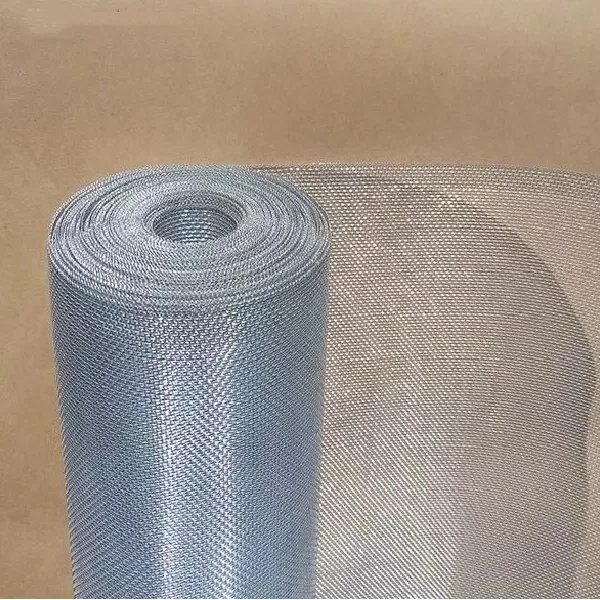
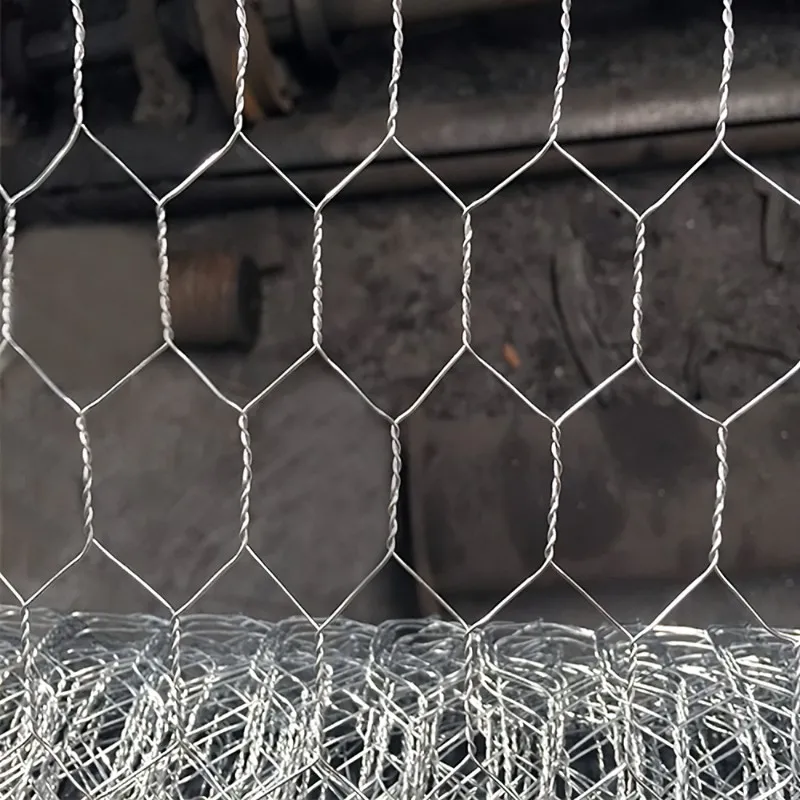
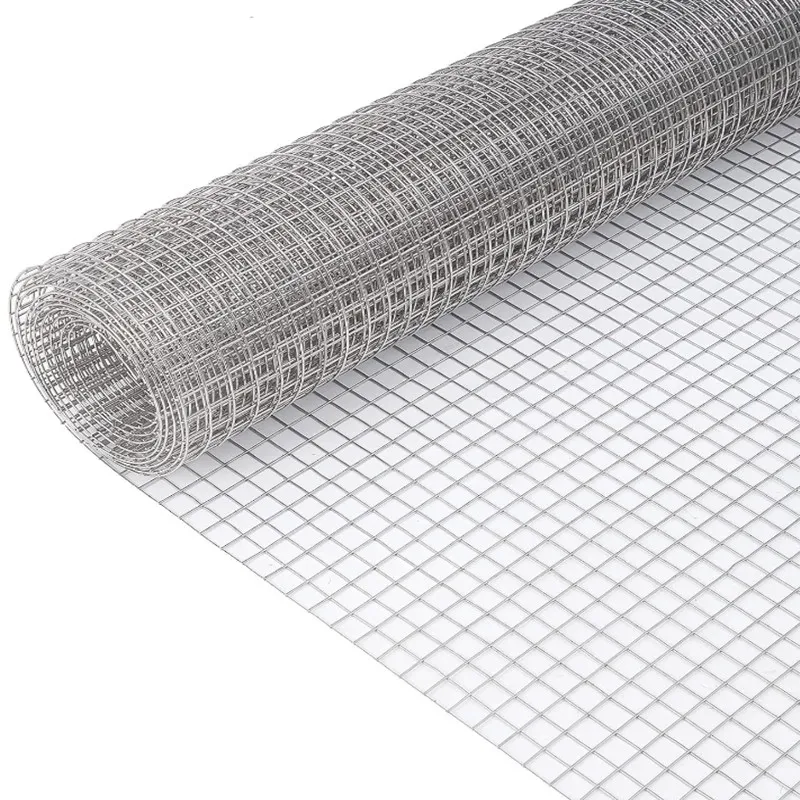
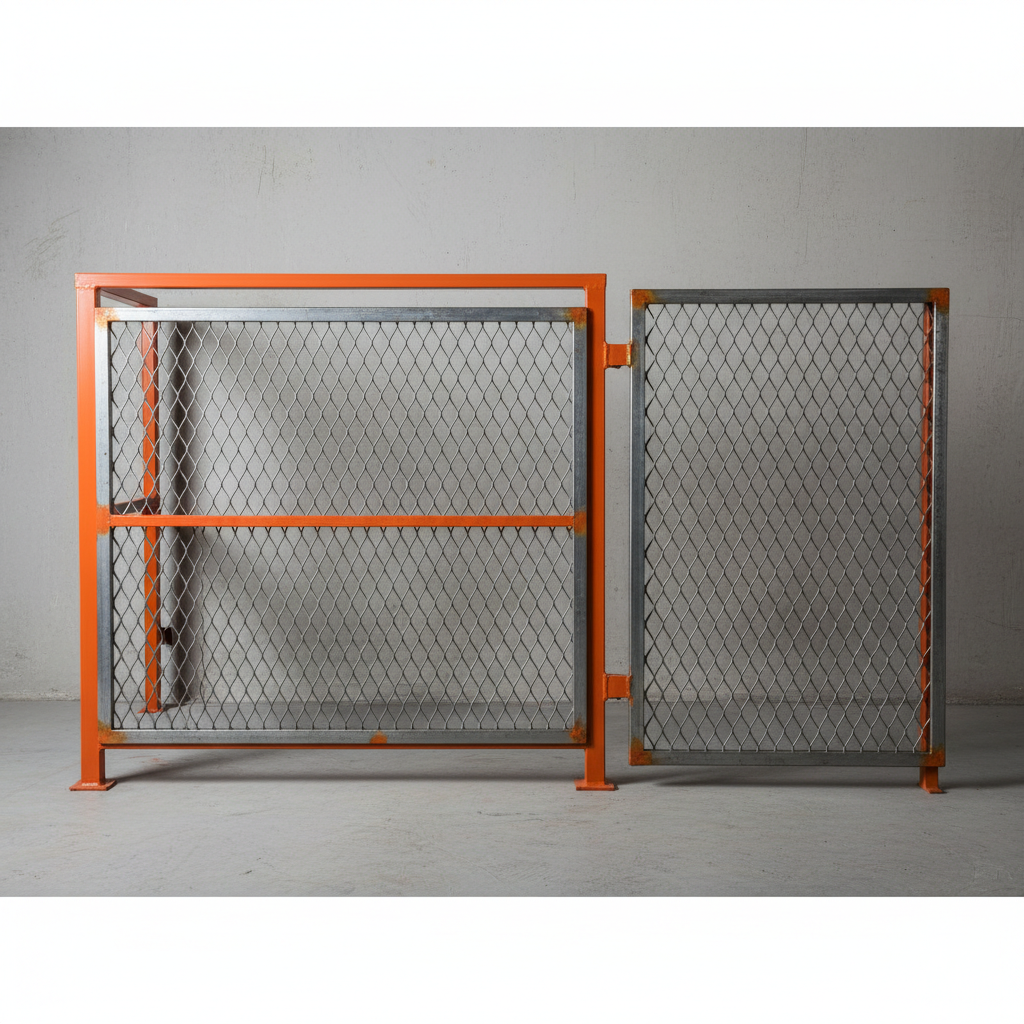
Simply put, metal mesh for climbing plants is a grid or lattice made from metal wires or strips. It serves as a support structure for vines and creepers to grip and ascend, mimicking natural supports like tree branches or trellises. Think of it as the backbone helping plants reach for sunlight in environments where natural vertical supports may be lacking.
Modern industry taps into this concept heavily—not just for aesthetics but for functional green walls or enhancing farm yields on trellises. Humanitarian projects also leverage metal mesh in green rehabilitation after disasters, where quick, durable installation is critical.
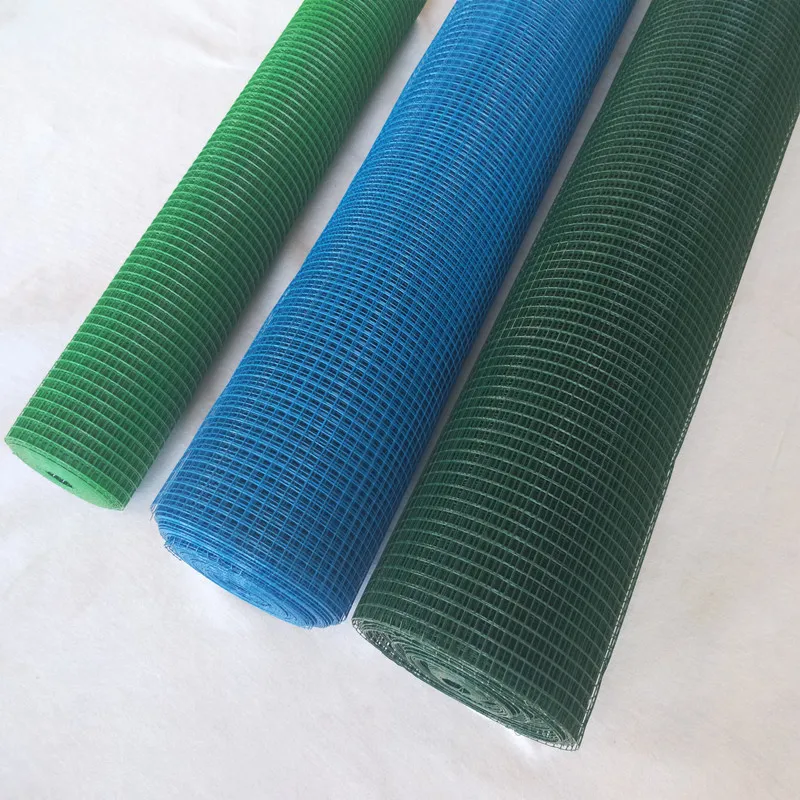
Metal mesh needs to withstand outdoor elements—rain, wind, possibly salt air if near coasts. Galvanized steel and powder-coated options are popular because they resist corrosion, lasting decades in most environments.
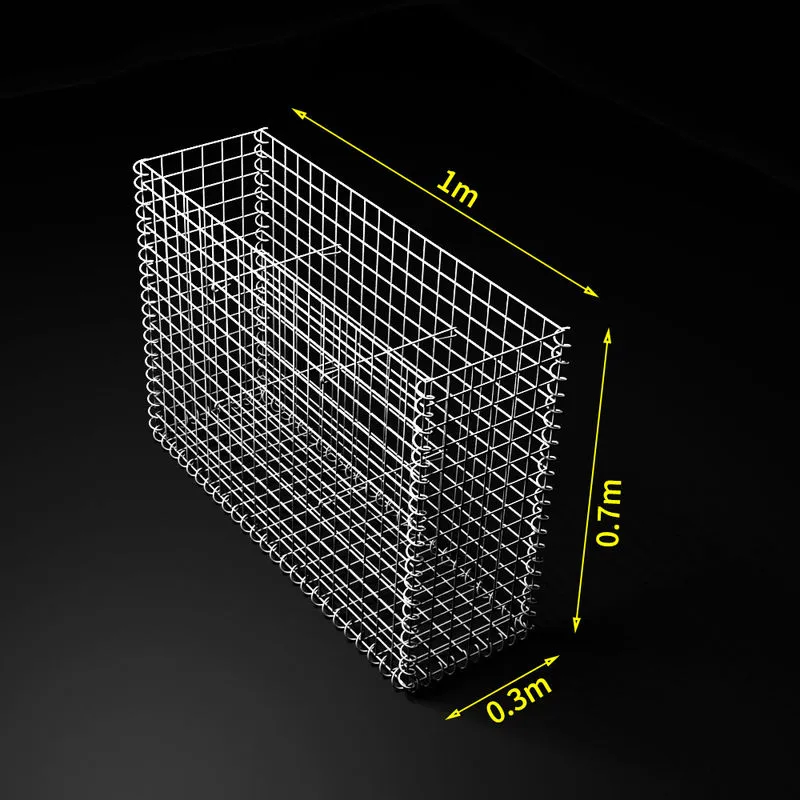
Whether supporting a few climbers on a balcony or a large-scale vertical garden on a commercial building, mesh systems must scale efficiently. Modular designs help installers expand or shrink coverage based on need.
Budget constraints in landscaping or restoration often demand affordable yet long-lasting structures. Metal meshes typically strike a good balance, beating plastic alternatives on longevity while often costing less than custom wood lattices.
The mesh pattern and wire thickness affect plant compatibility. Fine mesh suits delicate vines; heavier gauge mesh supports vigorous climbers like ivy or wisteria.
Recyclability and minimal need for replacement make metal mesh sustainable compared to plastic or chemically treated wood options.
In Southern Europe, vines grow along metal mesh on balconies, creating cooling green walls that save energy costs. In parts of Asia, farmers use metal mesh trellises for beans and cucumbers, increasing yields by 20-30% compared to ground planting.
Post-disaster recovery zones, surprisingly, use metal mesh to jumpstart urban greenery—strengthening community resilience and mental well-being. Remote industrial sites too benefit by installing durable mesh for site greenery, combating dust and pollution.
| Specification | Details |
|---|---|
| Material | Galvanized Steel / Stainless Steel / Powder-Coated Steel |
| Wire Diameter | 1.5mm – 4mm |
| Mesh Size | 25mm x 25mm to 100mm x 100mm |
| Finish | Hot-dip galvanized, powder coating, stainless untreated |
| Dimensions | Customizable rolls or panels up to 2m x 3m |
Let's be frank: metal mesh for climbing plants isn’t just a piece of hardware; it’s a long-term investment in sustainability and beauty. For gardeners and urban planners, it reliably supports plants through varied seasons without warping, rotting, or requiring replacement every couple of years. There’s an emotional reassurance to knowing the framework beneath the greenery won’t suddenly fail.
From a practical viewpoint, it lowers maintenance costs and reduces environmental waste. The wide adoption of metal mesh for vertical planting has led to innovative green walls that reduce building energy consumption, improve air quality, and offer peaceful, natural refuges in crowded cities. Oddly enough, something as utilitarian as metal mesh helps cultivate social trust and innovation in urban living.
What’s next? The push towards sustainability means even metal mesh is evolving. New coatings aim to improve corrosion resistance without harmful chemicals. Researchers are exploring lightweight alloys to ease installation while retaining strength.
Digital advancements bring “smart” green walls outfitted with sensors embedded near metal mesh, monitoring plant health and hydration remotely. Meanwhile, governments encourage integrating green infrastructure into building codes, boosting demand for advanced climbing plant solutions.
| Feature | GreenGrow Mesh | UrbanVine Solutions | SteelTrellis Pro |
|---|---|---|---|
| Material | Powder-Coated Steel | Galvanized Steel | Stainless Steel |
| Warranty | 10 Years | 8 Years | 15 Years |
| Customization Options | High | Medium | Low |
| Price Level | $$ | $ | $$$ |
| Ideal Use Case | Architectural Green Walls | Community Gardens | Harsh Environments / Industrial Sites |
Despite all the benefits, metal mesh installations sometimes face issues—especially in extreme weather causing rust or structural fatigue over decades. Improper design can create overly rigid structures that stress plants or are difficult to maintain. Experts emphasize custom matching mesh size and wire gauge to specific species and climate.
Innovative surface treatments and modular panel designs help ease installation and replacement. Plus, integrating metal mesh with rot-resistant timber or polycarbonate accessories can improve aesthetics and plant compatibility.
Metal mesh for climbing plants is more than just a gardening tool—it's a subtle yet vital player in sustainable urban development, agriculture, and ecological restoration worldwide. Its versatility, durability, and environmental credentials make it an investment that pays dividends in beauty, utility, and planet-friendly innovation. For anyone looking to enhance green spaces with lasting support, it’s worth deeper exploration.
Ready to start your green project? Visit metal mesh for climbing plants solutions at Tikemetal and discover a range of durable, customizable options tailored to your needs.
It feels like, finally, something as simple as metal mesh is quietly shaping the green future we've all been hoping for.
RELATED PRODUCTS





Top