Metal garden netting, though it might sound like something quaint from a backyard hobbyist’s shed, is actually a crucial component in global agriculture and environmental management. It’s more than just fencing; it functions as a multi-purpose barrier protecting plants, animals, and even infrastructure in many parts of the world.
Why does this matter globally? Well, with increasing food security challenges and the rise of sustainable urban gardening, knowing the benefits and applications of metal garden netting can help farmers, municipalities, and gardeners alike innovate smarter, more cost-effective solutions.
According to UN climate reports, sustainable agricultural methods are critical for resilient food production amid climate change pressures. Metal garden netting helps farmers protect crops from wildlife intrusion and reduces post-harvest losses, which can amount to up to 30% depending on the region (World Bank 2021). In urban settings, it supports rooftop gardens and community green spaces that improve air quality and urban biodiversity.
Oddly enough, this simple material helps tackle some of the biggest challenges in agriculture and urban planning — like pest control, structural support for plants, and even erosion prevention. Metal garden netting is a small but mighty player in this global arena.
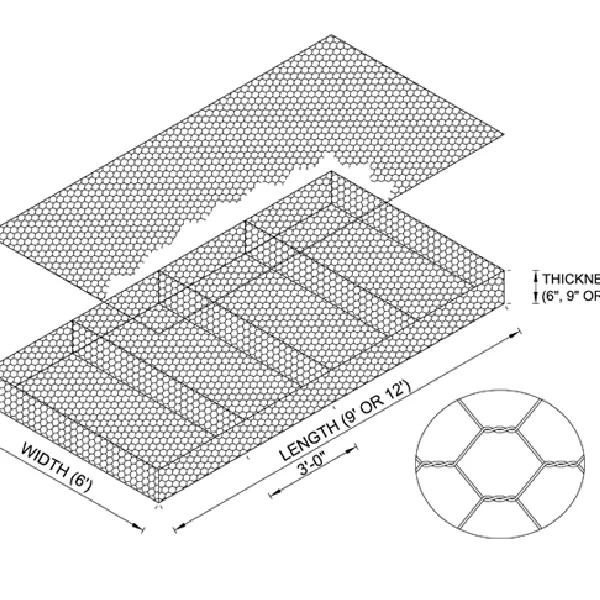
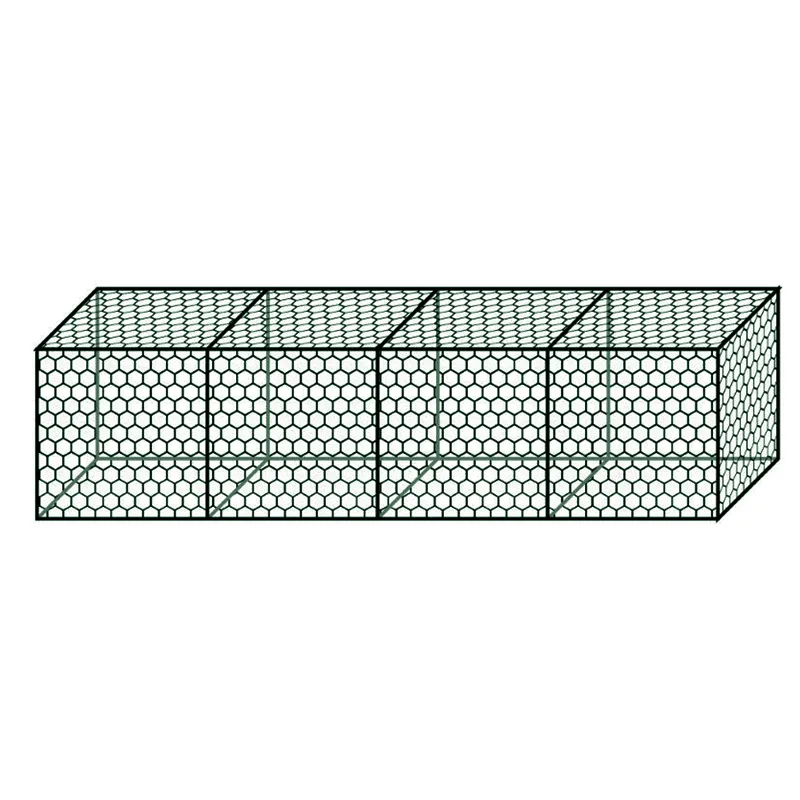
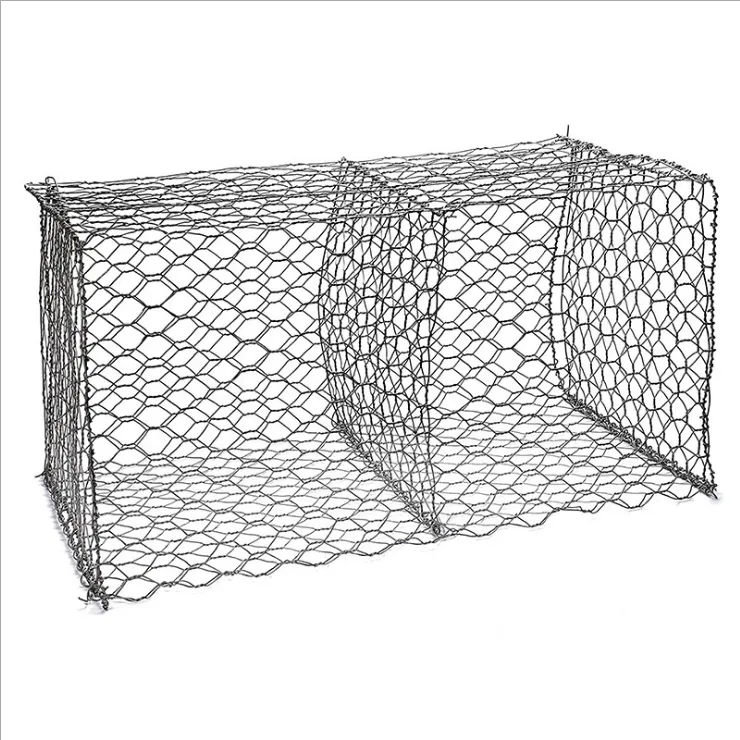
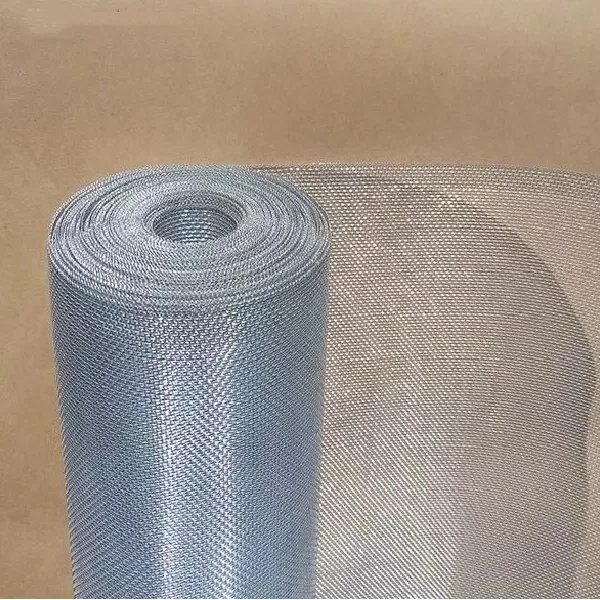
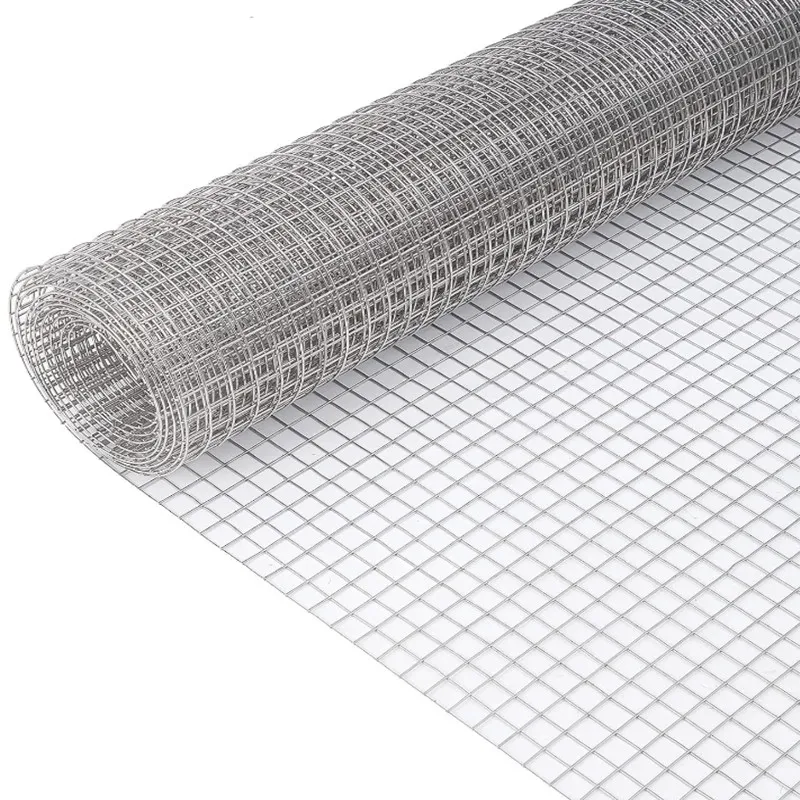
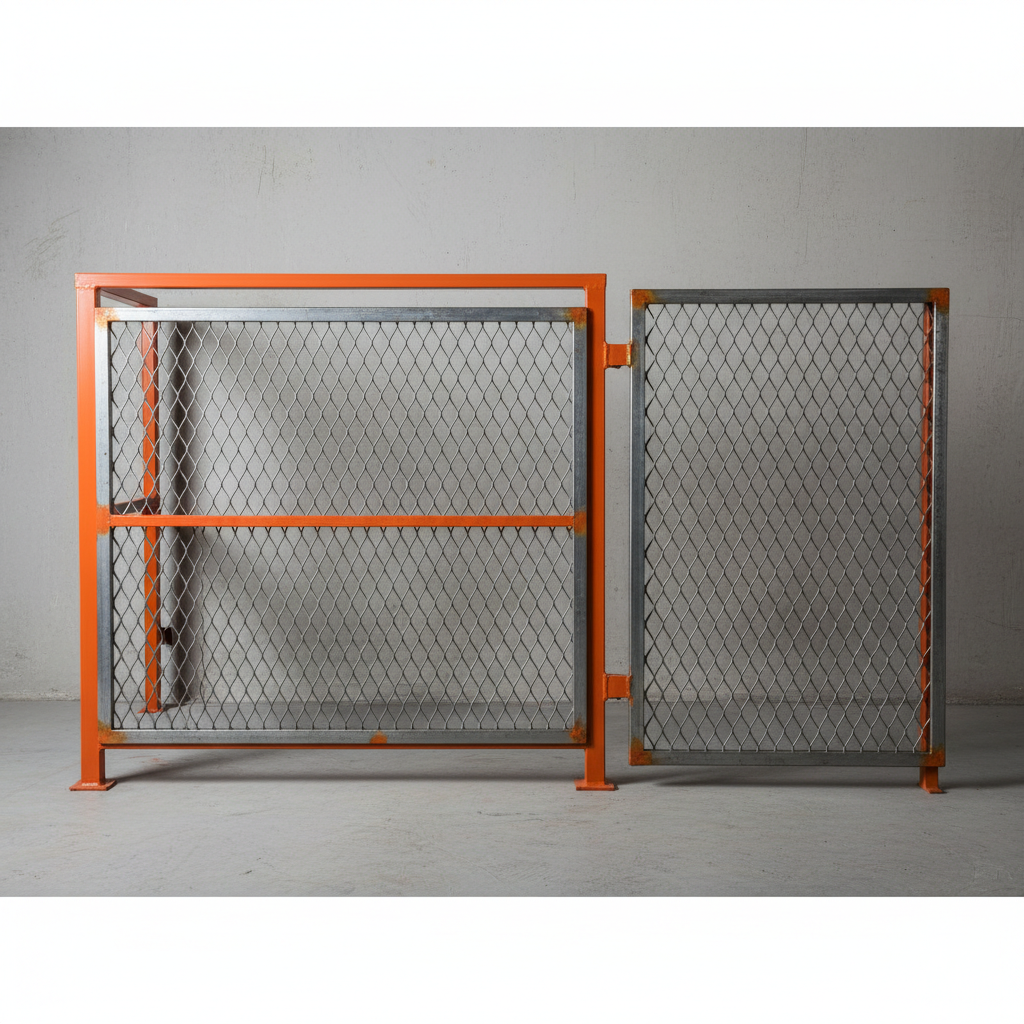
At its core, metal garden netting is a woven or welded mesh made from materials like galvanized steel or stainless steel. It typically features grids or diamond-shaped openings that balance strength with flexibility. You can think of it as a durable yet adaptable fabric, designed to fence in plants, support climbing vines, or keep critters out.
Its ties to modern industry are strong; beyond gardening, metal netting is used to reinforce concrete in construction, protect wildlife habitats, and safeguard industrial zones. Humanitarian efforts sometimes use it to secure community gardens in post-conflict recovery zones, where food security is a sensitive issue.
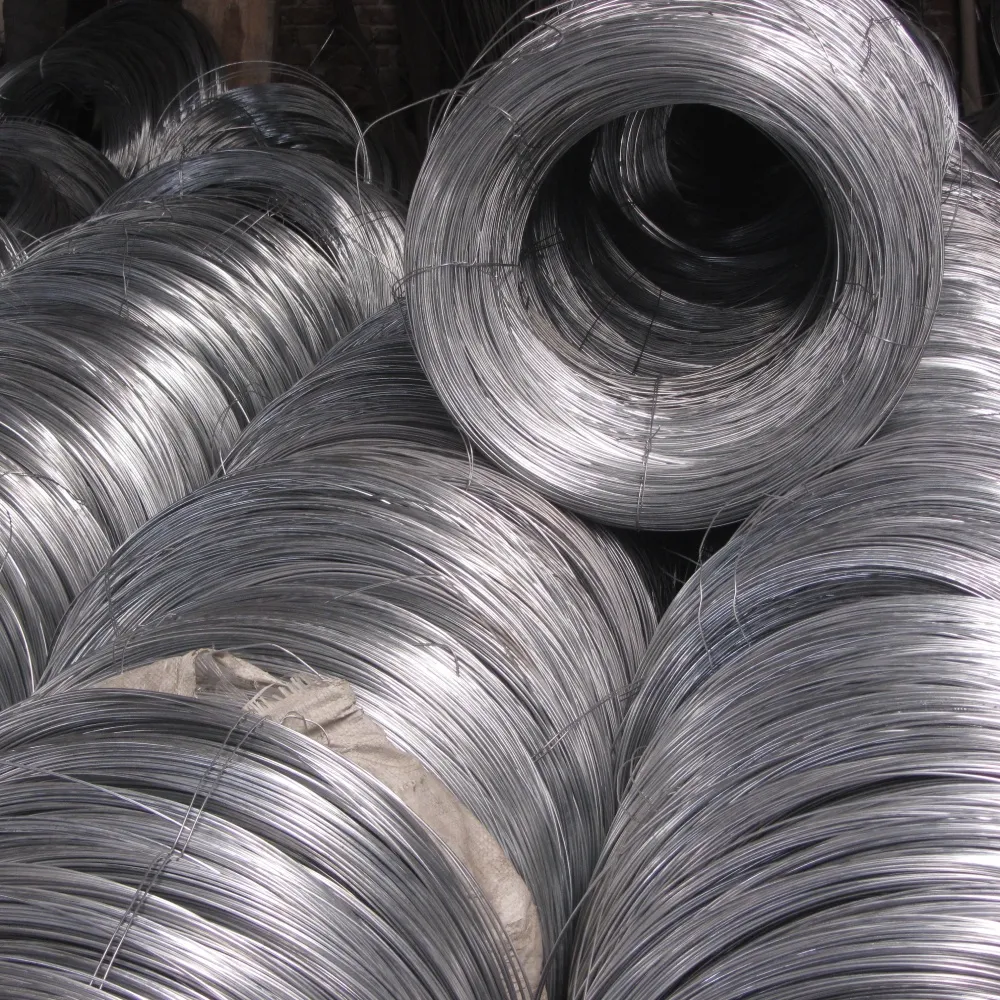
This is perhaps the most important feature. The metal must resist rust, corrosion, and physical damage. Galvanizing adds zinc coating that extends lifespan, especially for outdoor products exposed to rain or humidity.
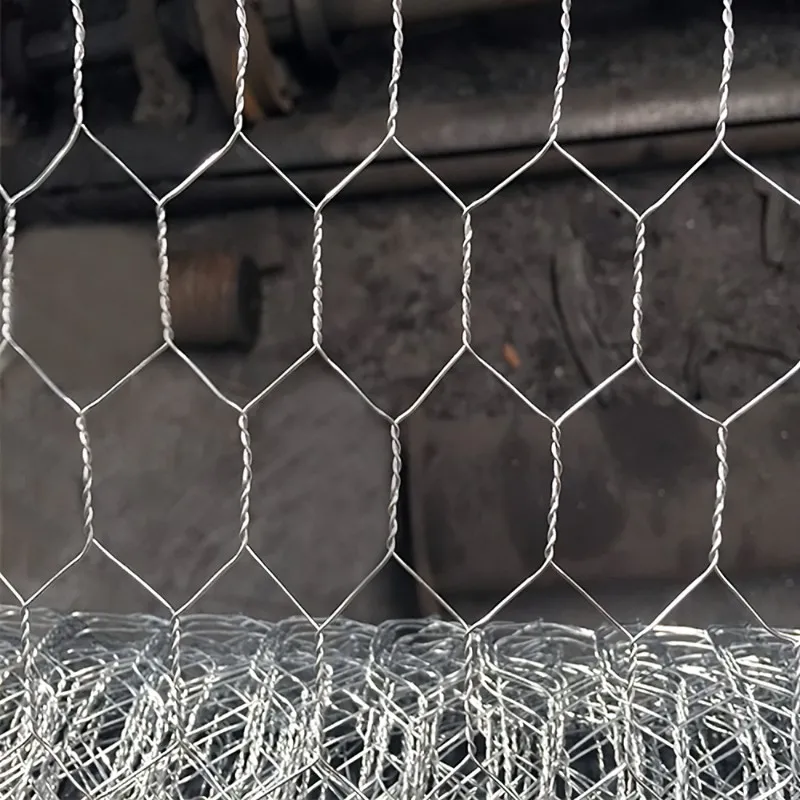
Depending on the application, you might want smaller holes to keep even tiny pests out, or larger openings for ventilation and sunlight. Common shapes range from hexagonal (often called chicken wire) to square or diamond patterns.
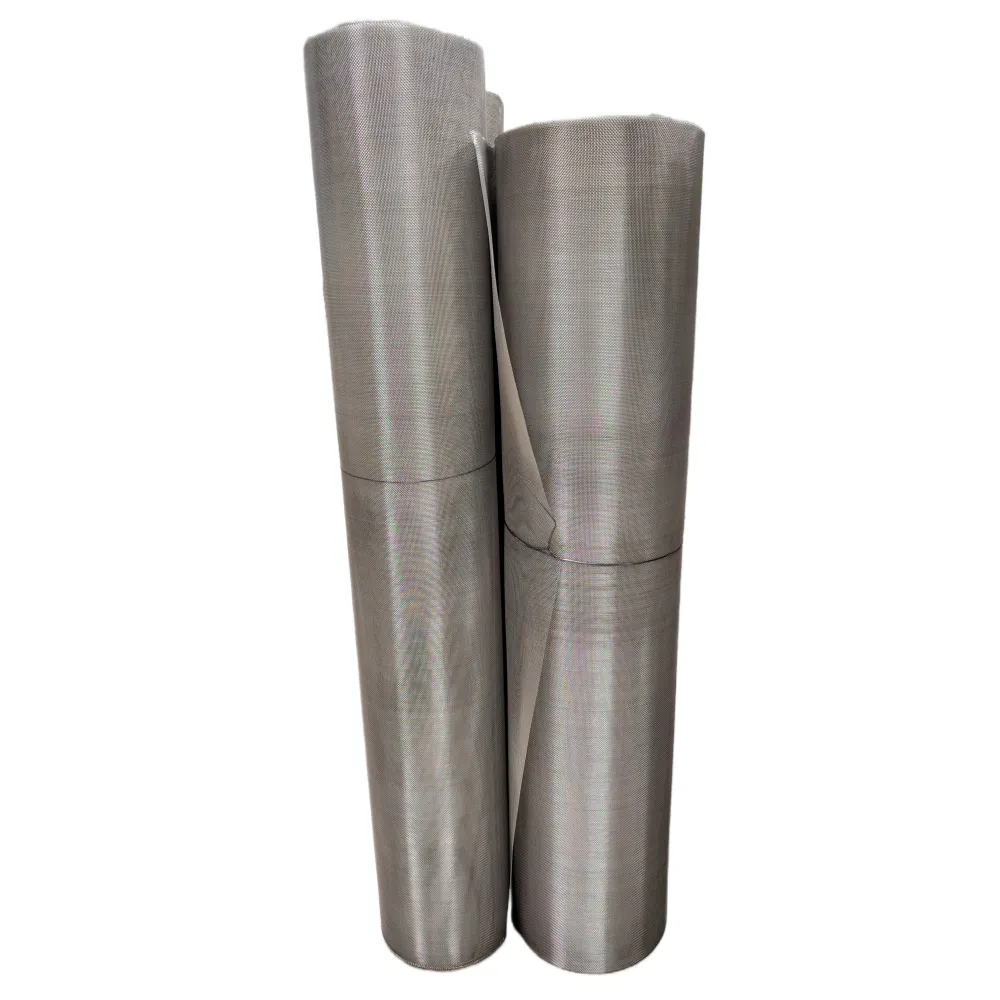
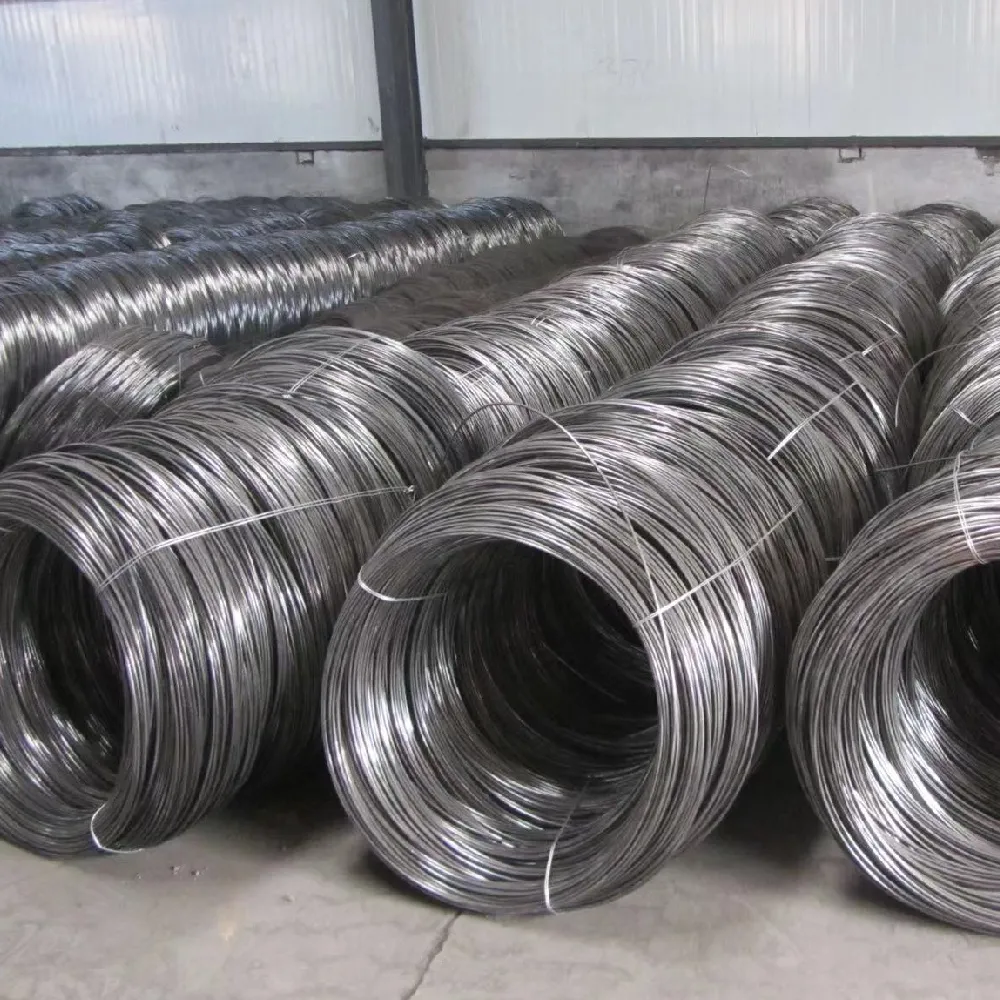
Thicker wire means sturdier fencing, but also higher cost and weight. For simple garden fences, 0.8-1.2 mm diameter wire is common, whereas industrial uses might require 2 mm or thicker.
Affordability is key for farmers and gardeners alike. Metal garden netting comes in rolls or panels, and choosing the right size and material can optimize costs.
Whether you’re doing a weekend backyard project or outfitting a commercial farm, the ease of rolling out, fastening, and repairing the netting matters. Lightweight rolls with flexible metal promote faster setup.
| Feature | Specification |
|---|---|
| Material | Galvanized Steel / Stainless Steel |
| Wire Diameter | 0.8 mm to 2.0 mm |
| Mesh Size | 10 mm to 50 mm openings |
| Roll Length | 10 m to 50 m |
| Coating | Zinc galvanization |
From rural farms in Kenya to urban rooftop gardens in Germany, metal garden netting finds a diverse range of uses. In agricultural zones, it keeps out animals like rabbits, deer, and even wild boar, protecting crops without relying on chemical deterrents.
Humanitarian organizations use metal garden netting to establish safe community agricultural plots after natural disasters, for example, in the Philippines after typhoon events. It enables quick setup of protected growing areas that boost food security and community resilience.
Urban environmental projects also lean on netting to protect bee populations from predators and help city gardens climb vertical spaces, improving green coverage in dense areas.
| Vendor | Material Types | Mesh Options | Price Range | Delivery Regions |
|---|---|---|---|---|
| Tike Metal | Galvanized & Stainless Steel | 10-50 mm mesh sizes | $$ | Worldwide |
| GreenGard Solutions | Stainless Steel Only | 20-40 mm mesh sizes | $$$ | North America & Europe |
| FarmFence Co. | Galvanized Steel | 10-30 mm mesh sizes | $ | Asia-Pacific |
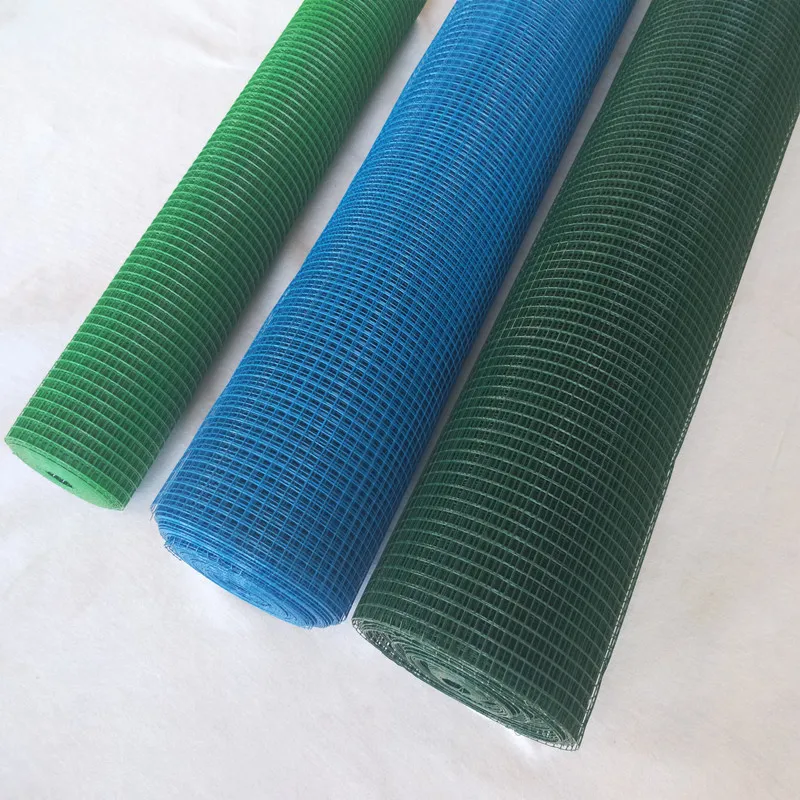
Innovations are steadily emerging—such as coating metal netting with eco-friendly paints that extend corrosion resistance without toxic chemicals, or integrating sensors into fencing for digital monitoring of crop conditions. Automation in deploying metal netting on large farms is also on the rise, driven by advances in robotics.
There’s growing interest in sustainable metal sourcing certified by ISO standards (ISO 14001), which aligns with corporate social responsibility initiatives in agriculture.
One major limitation is the upfront cost of high-grade stainless steel netting, which sometimes deters smallholders. Galvanized steel presents a balance but may eventually rust if the coating fails. Occasionally, animals can damage fencing if it’s not properly installed or topped with deterrents.
Solutions? Using innovative alloy blends and applying regular maintenance extends service life. Training programs for installation in local communities also reduce failure rates. It’s a simple material but getting the details right matters a lot.
Metal garden netting may seem like a small piece in the vast puzzle of global agriculture and environmental stewardship, but it packs a punch with its durability, versatility, and cost-effectiveness. For anyone looking to protect crops, improve urban green spaces, or embark on sustainable gardening projects, it’s a smart choice worth considering.
Interested in quality metal garden netting solutions? Visit our website: metal garden netting to explore products ideal for your project.
Mini takeaway: Metal garden netting blends tradition with modern innovation, anchoring sustainable agriculture worldwide.
RELATED PRODUCTS





Top