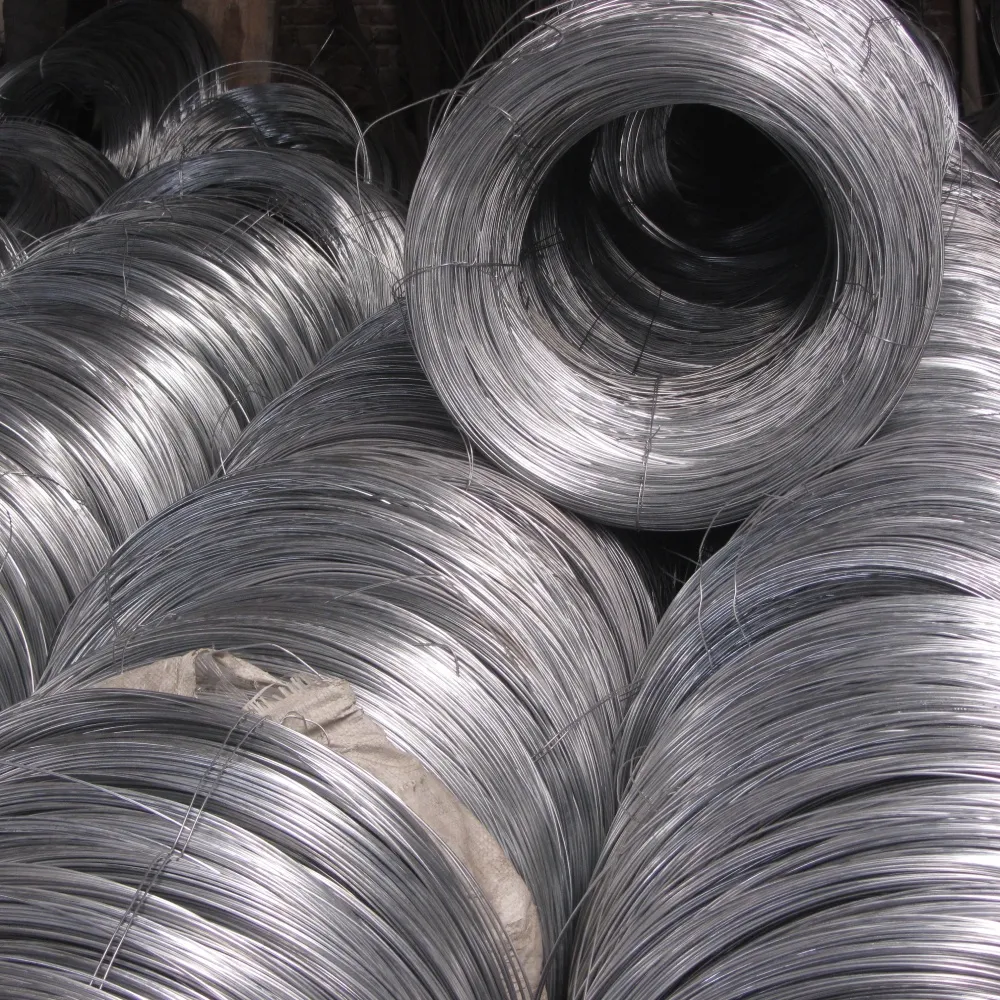
Having spent a fair share of years in the industrial equipment sector, I’ve seen first-hand how something as straightforward as reinforcing concrete can make or break a project. Metal mesh for concrete slab is one of those unsung heroes that quietly does its job, but when you stop to dig into the details, it’s a fascinating piece of engineering.
Let’s be honest, when you’re out there pouring slab after slab, you don’t always get to linger on materials — but a good metal mesh can save you from cracks, uneven setting, and costly rework. Oddly enough, the kind of steel used and how the mesh is woven or welded really influences slab performance.
In recent years, I noticed more demand for specialty meshes with corrosion resistance or specific gauge sizes, especially for projects near coastal regions or chemical plants where conditions get harsh. Many engineers I worked with emphasize that customizing mesh specs to the application is no longer a luxury but a necessity.
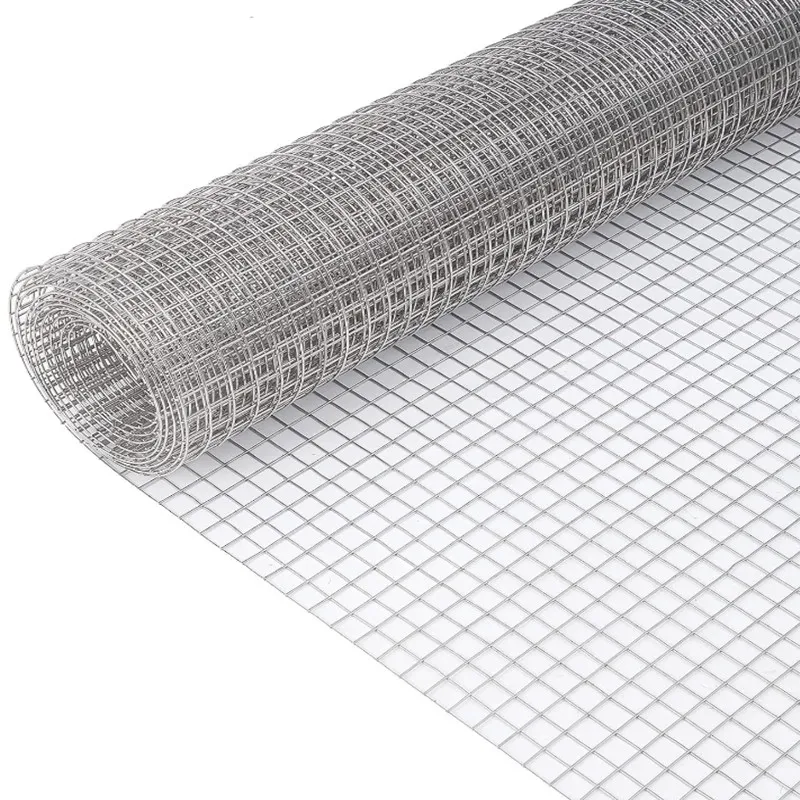
In real terms, when selecting metal mesh, a few specs stand out as crucial: wire gauge, mesh spacing, tensile strength, and coating type. For instance, a 6x6 welded wire mesh with 10-gauge steel is popular for residential slabs, but industrial floors might call for heavier gauges or galvanized coatings.
| Specification | Common Values | Remarks |
|---|---|---|
| Wire Gauge | 9 to 12 gauge (3.76 mm - 2.77 mm) | Heavier gauge for industrial slabs |
| Mesh Spacing | 4"x4", 6"x6" | Depends on slab thickness & load |
| Material | Carbon steel, galvanized steel | Galvanized for corrosion resistance |
| Tensile Strength | 60,000 psi (approx.) | Standard requirement for reinforcement |
Frankly, if you’ve ever had to fix cracked slabs on a jobsite, you understand the peace of mind a quality metal mesh brings. I remember once a customer shared how switching to a galvanized mesh drastically reduced complaints about surface blemishes caused by rust stains.
Choosing a supplier can be a bit tricky since metal mesh offerings vary widely. Below is a comparative snapshot among a few common vendor types to give you a rough idea — naturally, prices and lead times fluctuate depending on order size and location.
| Vendor Type | Product Range | Customization | Lead Time | Typical Pricing |
|---|---|---|---|---|
| Large Industrial Suppliers | Wide variety including specialty coatings | High | 1-3 weeks | Mid to high |
| Local Fabricators | Limited standard sizes | Medium | Few days to 1 week | Low to mid |
| Online Specialty Retailers | Varied but often standard meshes | Low | 3-7 days | Mid |
From my experience, working with a reliable supplier like Tike Metal strikes a good balance between product quality and prompt delivery, which frankly makes a huge difference when deadlines loom. They offer both standard and custom mesh options, which has saved me more than once on tricky projects.
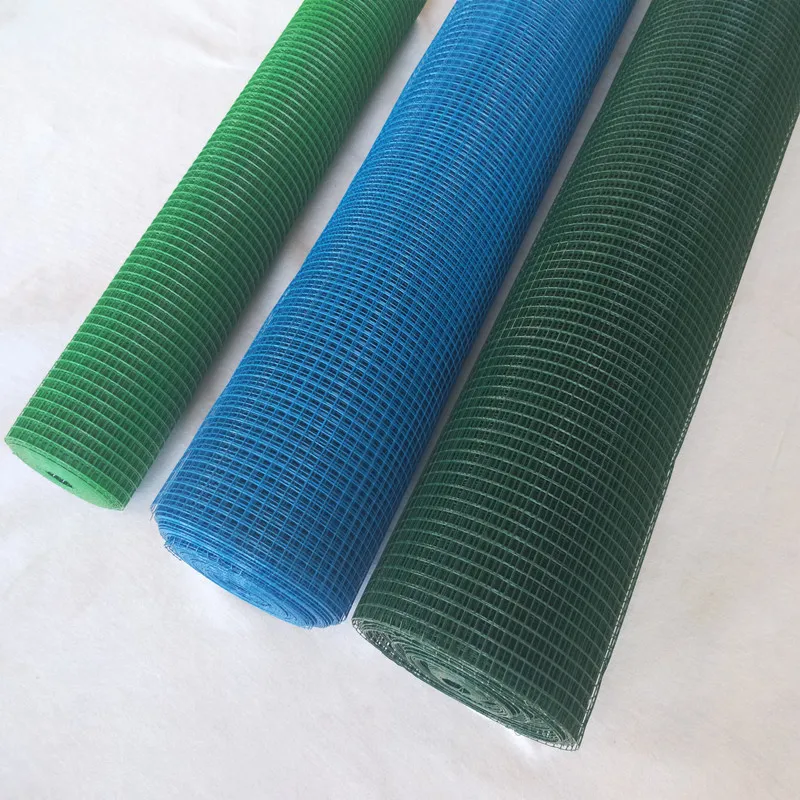
This might sound a bit technical, but how the mesh wires are joined—usually by electric resistance welding—affects overall strength. You don’t want mesh that’s loosely tied or irregular, or else it can deform under pressure. Then there’s coatings – galvanizing, epoxy, or PVC coatings add layers of defense against rusting and abrasion. It’s fascinating how these protective layers can prolong slab life and reduce maintenance costs.
One jobsite anecdote: a contractor originally used untreated mesh in a damp environment; within months, rust compromised slab integrity. Switching to galvanized mesh improved outcomes immensely — a small change with big impact.
All told, metal mesh for concrete slab reinforcement might seem like just another part of the concrete workflow, but it’s a foundation of durability, safety, and cost-efficiency. I guess it’s a reminder that sometimes the simplest components carry the most weight behind the scenes.
Takeaway: When it comes to concrete slabs, don’t overlook the mesh—it’s not just steel wires, it’s your slab’s silent strength.
References:
1. ACI 318 - Building Code Requirements for Structural Concrete
2. “Welded Wire Reinforcement for Concrete Slabs,” Concrete Construction Magazine
3. Personal industry experience and client feedback, 2010-2024
RELATED PRODUCTS






Top