Understanding the Extension for Chain Link Fence: Why It Matters Worldwide
Chain link fences are everywhere—defining property lines, securing schools and industrial complexes, keeping parks safe, or even protecting wildlife reserves. But what happens when a fence needs to grow, adapt, or get a little more flexible to meet new challenges? That’s where the
extension for chain link fence comes into play. Globally, from sprawling cities to remote rural areas, these handy extensions help tailor security and boundary solutions to meet evolving needs.
It might sound simple, but grasping how these fence extensions work can save costs, boost durability, and make maintenance easier. And as urban areas expand, climates shift, or security demands change, understanding these extensions is more critical than ever.
Mini takeaway: The extension for chain link fence is not just an accessory—it’s a practical tool with global relevance in infrastructure adaptability and security effectiveness.
The Big Picture: Why the Extension for Chain Link Fence Is Gaining Global Attention
In today’s fast-paced world, demand for resilient yet cost-effective fencing solutions is growing, especially in developing nations and rapidly urbanizing zones. According to the International Organization for Standardization (ISO), over 30% of fencing installations worldwide face challenges in scalability and maintenance due to inflexible designs. Chain link barriers, paired with their functional extensions, provide effective responses to these hurdles.
Even international agencies, like the United Nations High Commissioner for Refugees (UNHCR), rely on these solutions. In post-disaster relief operations, chain link fences extended quickly can reestablish perimeter controls around shelters or distribution centers, improving safety without long waits or excessive expenses.
Yet problems remain: lack of modularity or difficulty in customizing fences to uneven terrains are common issues that this extension helps tackle. It's the kind of practical innovation the world quietly depends on.
Mini takeaway: With over a billion meters of fencing installed annually worldwide, understanding extensible chain link options is essential for modern infrastructure planning and humanitarian efforts alike.
What exactly is an extension for chain link fence?
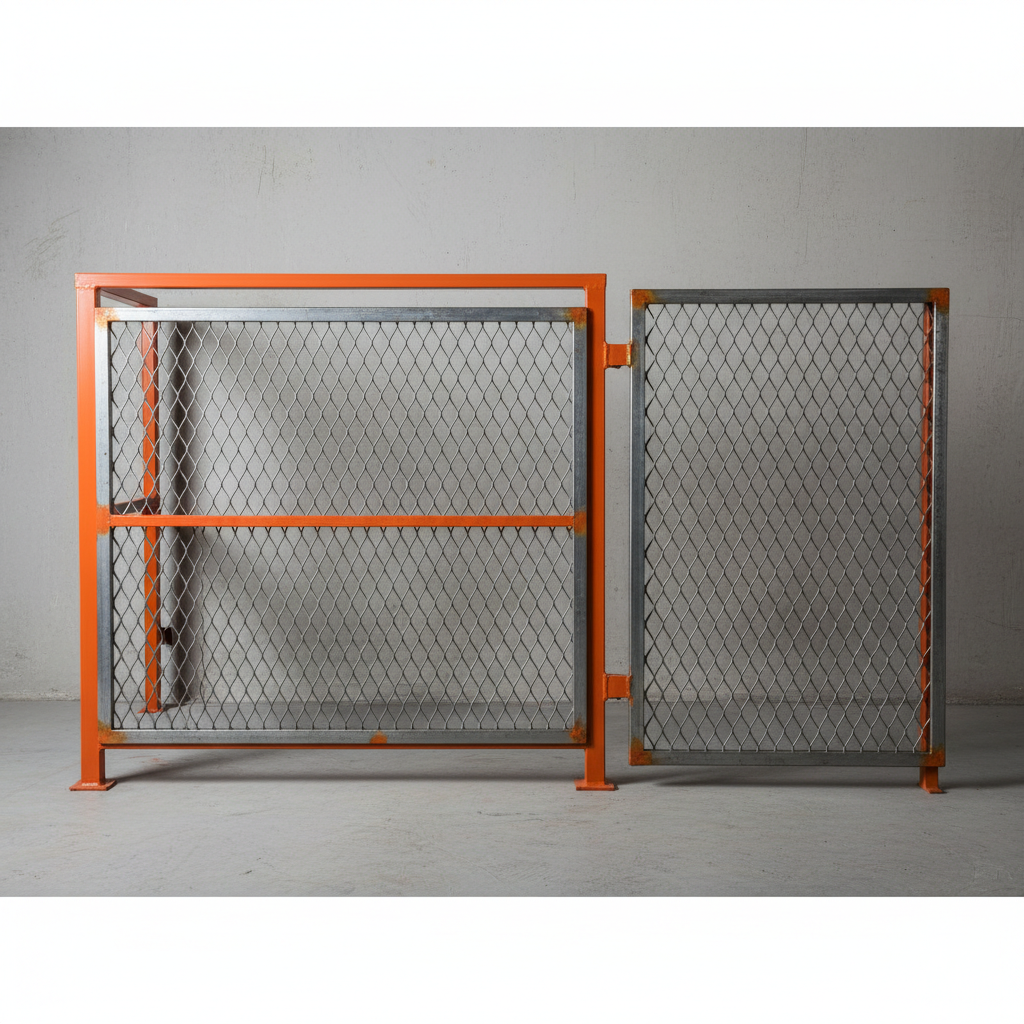
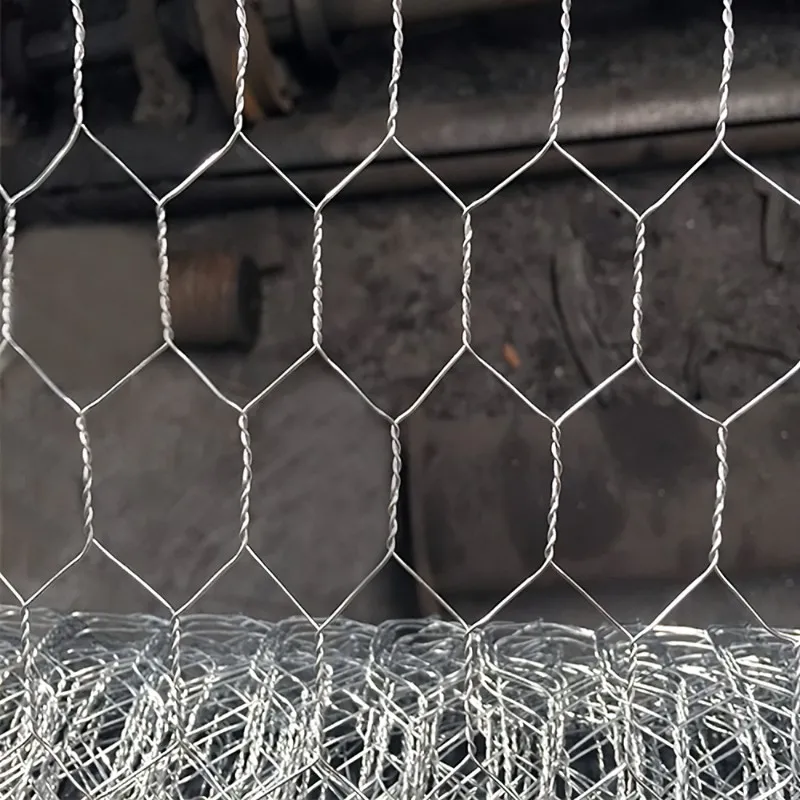
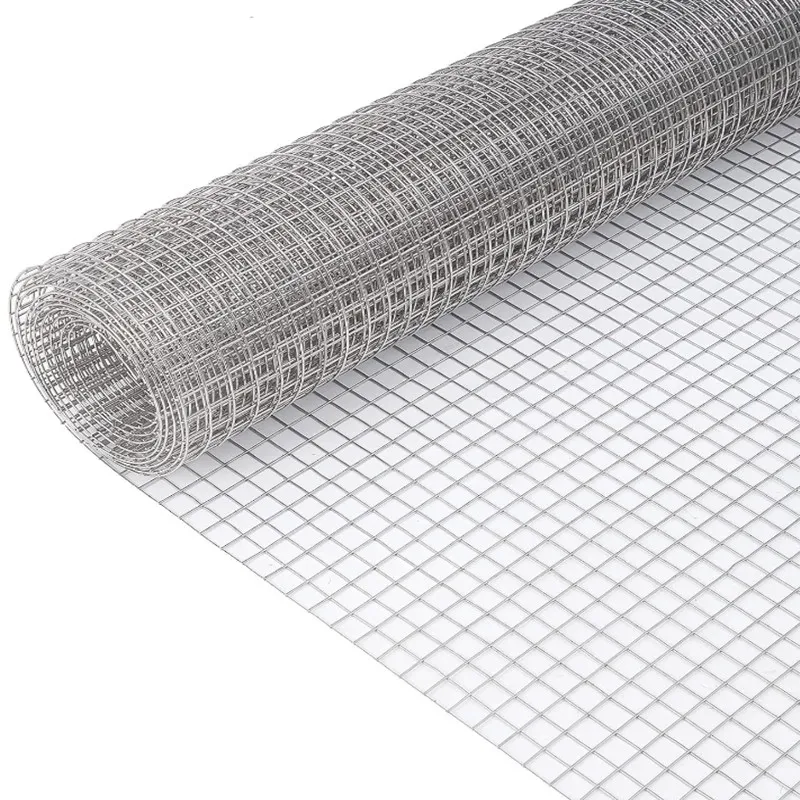
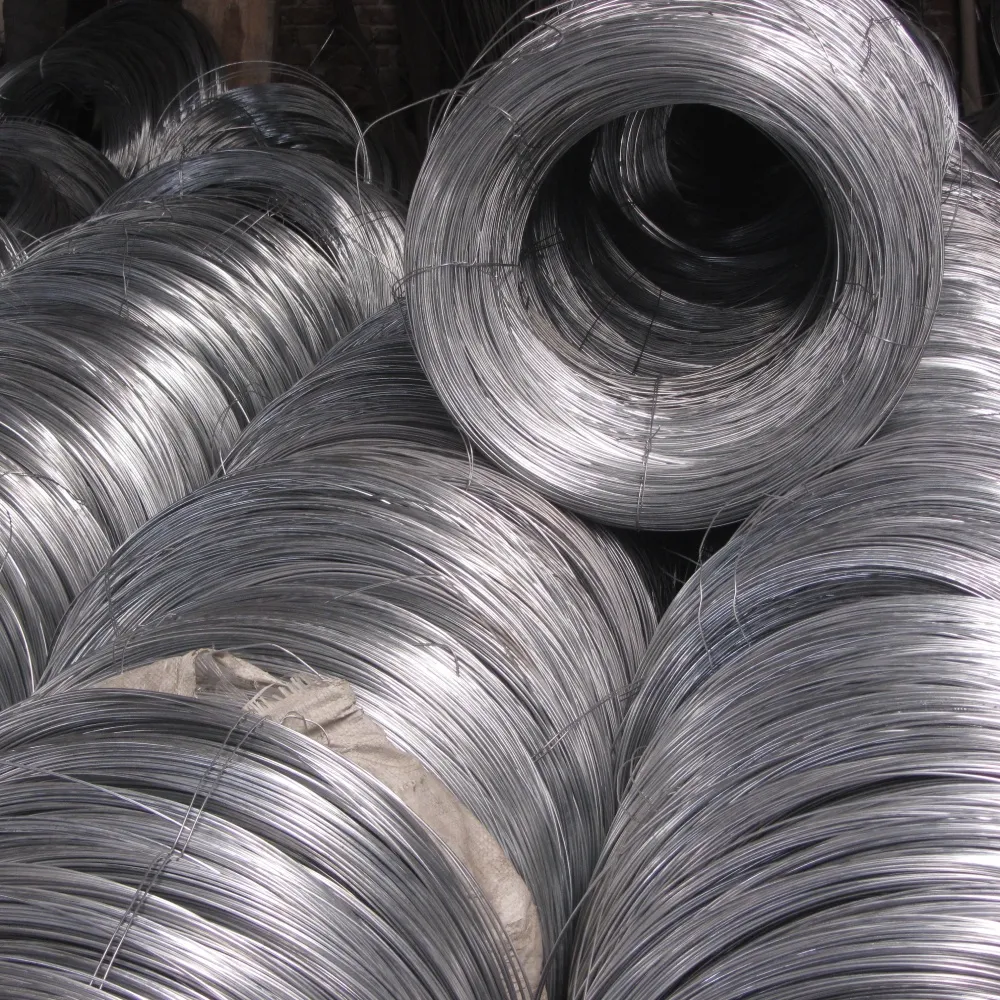
Simply put, a chain link fence extension is an accessory or add-on that lengthens or modifies existing chain link fencing. Think of it as adding extra panels, height, or tension components to an already-installed fence. This can involve extra rolls of galvanized steel wire mesh, additional posts, or specialized hardware for secure attachment.
In industry terms, it means you don’t have to replace the whole fence every time you want to expand or strengthen your barrier. Instead, you extend, adapt, and customize in place. It’s a brilliant combination of modularity and cost-efficiency that meets dynamic boundary needs across sectors.
Where does this fit in? From construction sites needing rapid site control to wildlife preserves adding higher barriers for large animals or even schools updating playground enclosures—extensions are key.
Mini takeaway: Extensions simplify fence upgrades by allowing adaptability, reducing waste, and enabling fast, tailored improvements to existing chain link infrastructure.
Key Factors of Effective Chain Link Fence Extensions
Durability & Material Quality
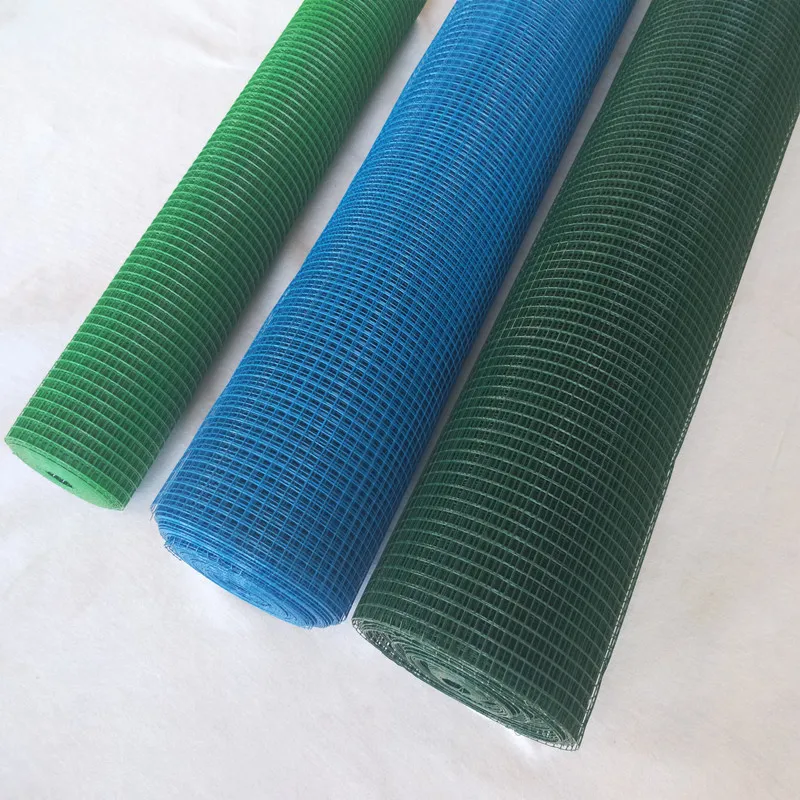
Since these fences encounter all kinds of weather, corrosion resistance is non-negotiable. Quality extensions use galvanized or vinyl-coated steel wire, ensuring they don’t rust or weaken quickly. Many engineers emphasize that durability prolongs the fence’s life—saving money in the long run (and honestly, who wants to keep fixing fences?).
Ease of Installation
Extensions should be installable without heavy machinery, especially in remote or disaster-hit zones. Many vendors produce modular kits with pre-fabricated panels and simple clamps that even a small team can put up within hours.
Scalability & Flexibility
You want to build more or tweak your fence height or length easily. Adaptable mesh panels with standard sizes mean you can stack or line them without custom manufacturing for every project. This fits all sorts of terrains and fencing shapes.
Cost Efficiency
Extensions help avoid tearing down and rebuilding fences, representing significant cost savings on materials and labor. It also reduces downtime for the protected area—not to mention waste sent to landfills.
Security & Safety
Extensions can add height or denser mesh to prevent intruders or contain animals safely. Some models include accessories like barbed wire arms or privacy screens.
Mini takeaway: The best extensions balance ruggedness, user-friendly design, and cost-effectiveness to meet real-world fence requirements across diverse environments.
Real-World Uses: Where and How Fence Extensions Make a Difference
In North America, construction sites frequently extend chain link perimeters to accommodate expanding project zones or secure expensive machinery. Fast deployment means fewer thefts and safer workers.
In parts of Africa and Southeast Asia, NGOs working in refugee camps use fence extensions to quickly enlarge safe zones around shelters. Sometimes terrain is tricky, and extensions on angled posts help fencing fit uneven ground.
Going northward, wildlife management agencies in Canada add height extensions to keep bears or moose from trespassing highway perimeters—a nifty mix of safety for animals and drivers alike.
Also, industrial zones worldwide adjusting to new regulations install extensions with tighter mesh to meet environmental compliance—stopping debris from escaping their premises.
Mini takeaway: Extensions demonstrate versatility, bridging high-security needs, humanitarian aid, and ecological conservation seamlessly.
Specifications Table: Typical Extension for Chain Link Fence Product
| Feature |
Specification |
Typical Use |
| Material |
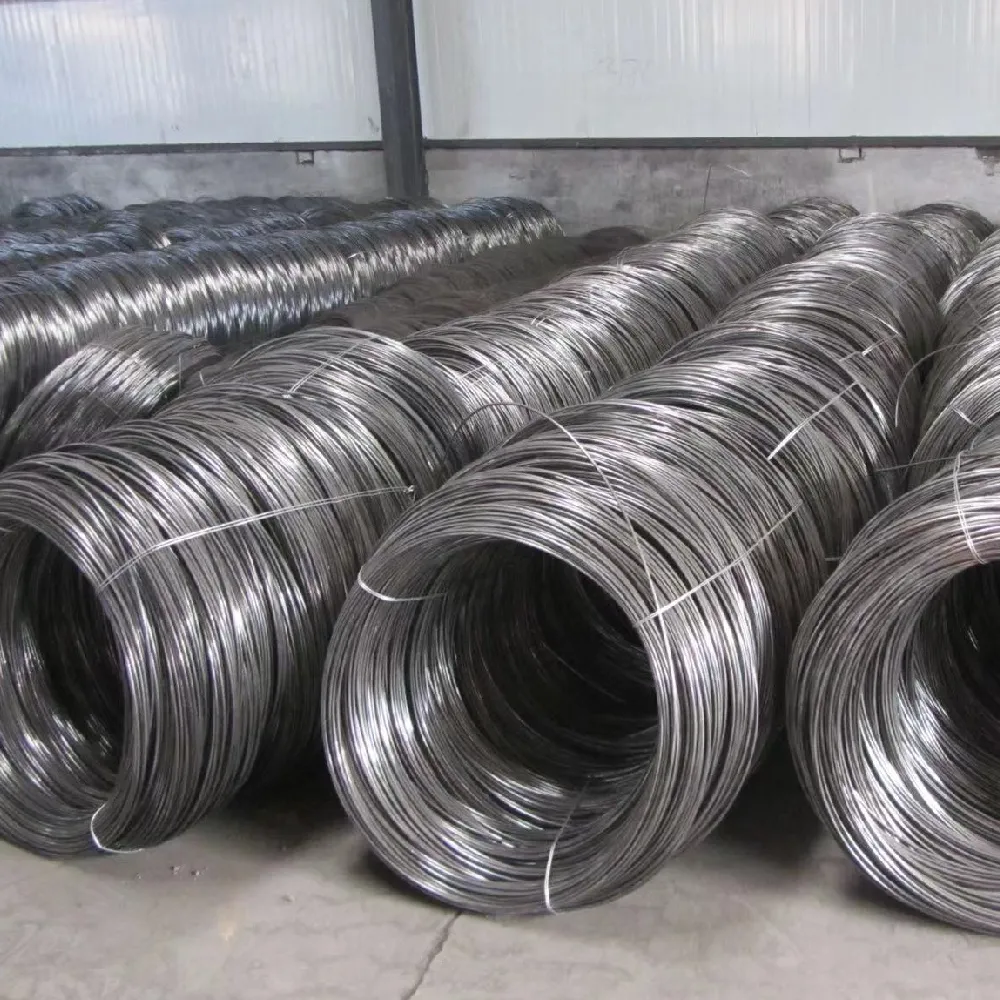
Galvanized steel wire, 9-11 gauge |
Outdoor fencing, corrosion resistance |
| Panel Size |
4 ft x 8 ft (standard mesh panel) |
Extensions in length |
| Height Extension |
Additional 2 to 6 feet |
Security upgrades |
| Installation |
Clamps and tension bands included |
Tool-less or minimal tool setup |
| Coating |
Vinyl coated (optional) |
Additional weatherproofing |
Comparing Popular Vendors of Chain Link Fence Extensions
| Vendor |
Material Quality |
Installation Ease |
Custom Sizes |
Price Range |
| Tike Metal |
High-grade galvanized steel |
Modular kit, tool-light |
Yes, up to 10 ft panels |
$$ (mid-range) |
| FencePro Solutions |
Standard galvanized wire |
Requires tools |
Limited |
$ (budget) |
| SecureLine Fencing |
Vinyl coated galvanized steel |
Modular, easy clicks |
Yes, custom heights |
$$$ (premium) |
Why Choose Fence Extensions? Long-Term Advantages at a Glance
Choosing a properly designed extension for chain link fence goes beyond short-term fixes or quick patches. You unlock benefits like:
-
Cost savings: Avoid full fence replacements; simply expand as needed.
-
Eco-friendliness: Less material waste compared to tearing down old fences.
-
Safety improvements: Easily add height or additional mesh to deter trespassers and protect people or animals.
-
Emotional security: A sense of trust and peace of mind that your property or community is well secured.
-
Innovation: Extensions embody practical innovation — adaptable solutions for dynamic environments.
Oddly enough, sometimes the best way to move forward is to build on what’s already there, bit by bit.
The Future of Fence Extensions: Innovations and Trends
Keep an eye on emerging materials like ultra-high molecular weight polyethylene (UHMWPE) coatings that resist wear better than traditional galvanization. Nano-coatings might soon provide near-permanent rust barriers, extending fences’ lifespans even further.
Digitally, IoT-enabled fencing projects are on the rise, with sensors embedded right into extension panels for real-time breach alerts or environmental monitoring.
Sustainability policies from bodies like the ISO 14000 series encourage manufacturers to prioritize recyclable materials and minimize production emissions — and extensions benefit from this push.
Oh, and solar-powered lighting integrated along fence tops? Yep, it's a thing.
Common Setbacks & How to Fix Them
Of course, no solution is perfect. Some fences fail due to poorly matched extension hardware causing stress points or instability. Others struggle in extreme winds when extensions increase wind load surface area.
But smart engineers use tension-adjustable bands or brace posts to handle these challenges. Regular inspections and coatings prevent corrosion-related weakness, especially near salty air or wet climates. And finally, training installation teams properly avoids common pitfalls.
Mini takeaway: Challenges exist but can be prevented with good design, quality products, and proper installation techniques.
FAQ: Your Most Pressing Questions About Chain Link Fence Extensions
-
Q: How quickly can I add an extension to my existing chain link fence?
A: If you have modular components, installation can take just a few hours per section. Minimal tools and a small crew are often all that’s needed, speeding up security upgrades effectively.
-
Q: Can I customize the height of my chain link fence extension?
A: Absolutely. Many vendors provide custom panel sizes or stackable segments allowing you to build fences from 4 feet up to 12 feet or more, depending on your security needs.
-
Q: Are fence extensions durable in salty or humid environments?
A: Extensions made from galvanized or vinyl-coated steel are designed for corrosion resistance and perform well near coasts if properly maintained. Periodic checks extend their effective lifespan.
-
Q: Is it possible to add privacy slats along with fence extensions?
A: Yes, privacy slats can be installed on extended mesh sections to enhance visual screening without compromising structural integrity, perfect for residential or sensitive areas.
-
Q: Do fence extensions require permits or inspections?
A: Local regulations vary. In many jurisdictions, extending fence height beyond certain limits may require permits, so always check with municipal authorities before undertaking extensions.
Wrapping Up: Keep Growing with Your Chain Link Fence
Extension for chain link fence might sound like a simple concept, but its impact stretches far beyond just adding mesh or height. It’s about agility, smart investment, and responding to shifting landscapes—both literally and figuratively.
By choosing quality extensions, you future-proof your fences against growth and new challenges, whether that’s in bustling urban centers, wildlife preserves, or relief camps hundreds of miles away. So if you’re thinking of upgrading your fencing strategy, take a closer look at
extension for chain link fence solutions—there’s a whole world of options waiting to fit your needs.
Ready to explore? Visit
Our Website for more details and tailored quotes.
References
- ISO 14000 Environmental Management Standards
- UNHCR Emergency Shelter Guidance
- Chain Link Fence - Wikipedia