Chain link fences have quietly become a global staple — not just as a barrier but as a versatile tool for security, privacy, and safety. Whether it's enclosing a sports field or securing delicate construction sites, a nice chain link fence delivers a reliable, cost-effective boundary. In an increasingly interconnected world, knowing why these fences matter and what makes one "nice" (a subtly higher standard, really) can unexpectedly shape infrastructure projects, urban planning, and humanitarian efforts worldwide.
Why is this so crucial? Because fences define spaces but also protect communities, enforce regulations, and sometimes, quite literally, save lives by marking safe zones. Grasping the design and functionality of a quality chain link fence helps industry pros and decision-makers optimize investments and fulfill safety standards. Plus, with rapid urbanization and rising security concerns globally, understanding these fences bridges gaps between utility and innovation.
Chain link fences are everywhere — from urban parks in New York to industrial perimeters in Beijing, and increasingly, in relief camps from Kenya to Bangladesh. According to the International Fence Industry Association, chain link fencing accounts for about 60% of perimeter barriers worldwide, valued at billions of USD annually. This is partly because they meet ISO standards for strength, adaptability, and durability at surprisingly competitive prices.
Yet, challenges persist. In harsh climates or politically unstable regions, traditional fence installations experience rapid wear or vandalism, undermining safety. Furthermore, in humanitarian zones, fences must be deployed quickly without compromising dignity or access. These ongoing issues have propelled innovations centered around modularity, corrosion resistance, and design aesthetics.
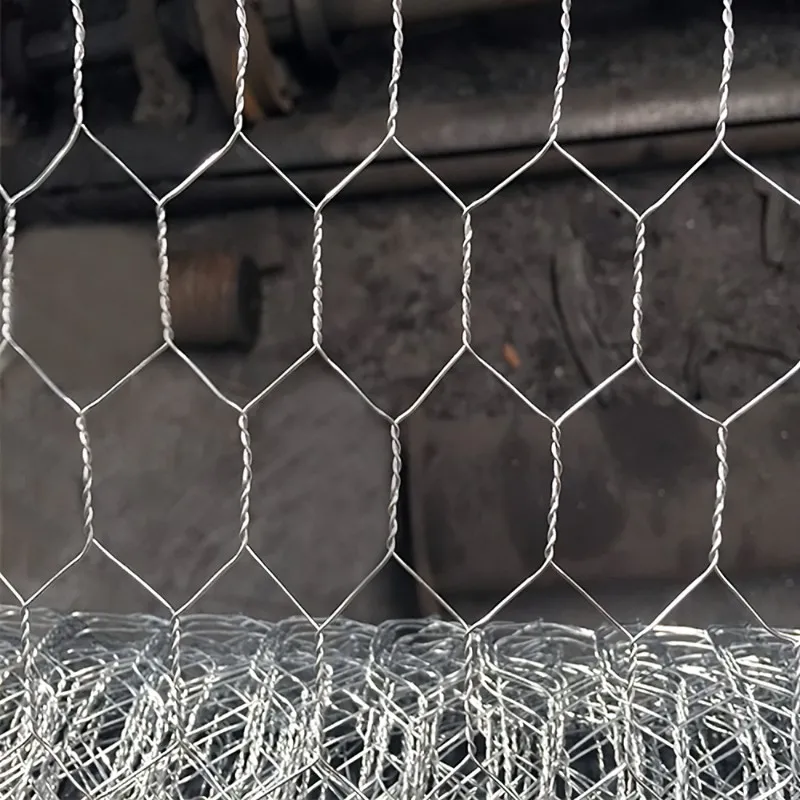
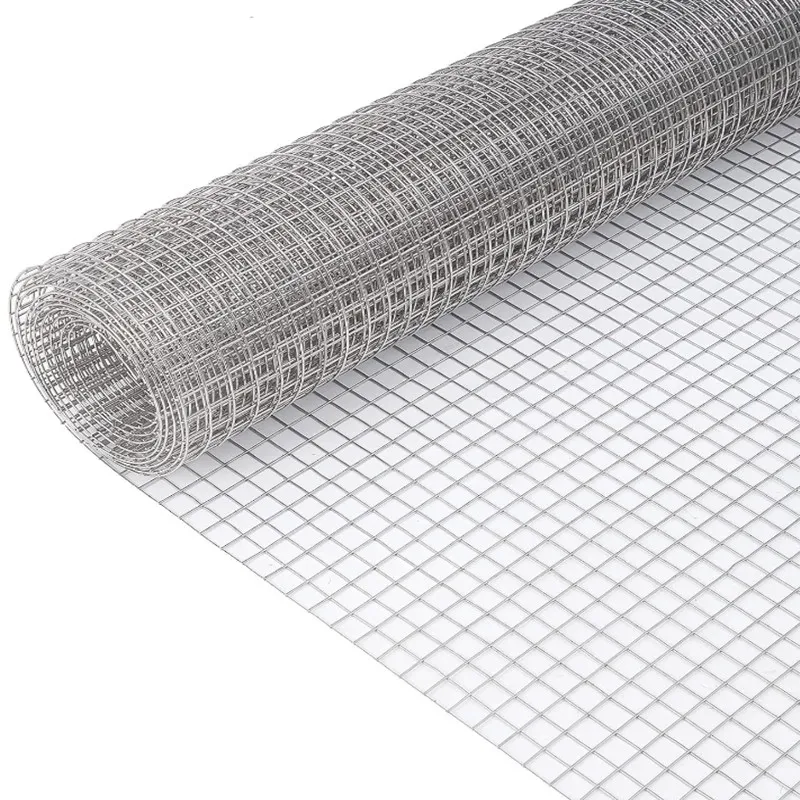
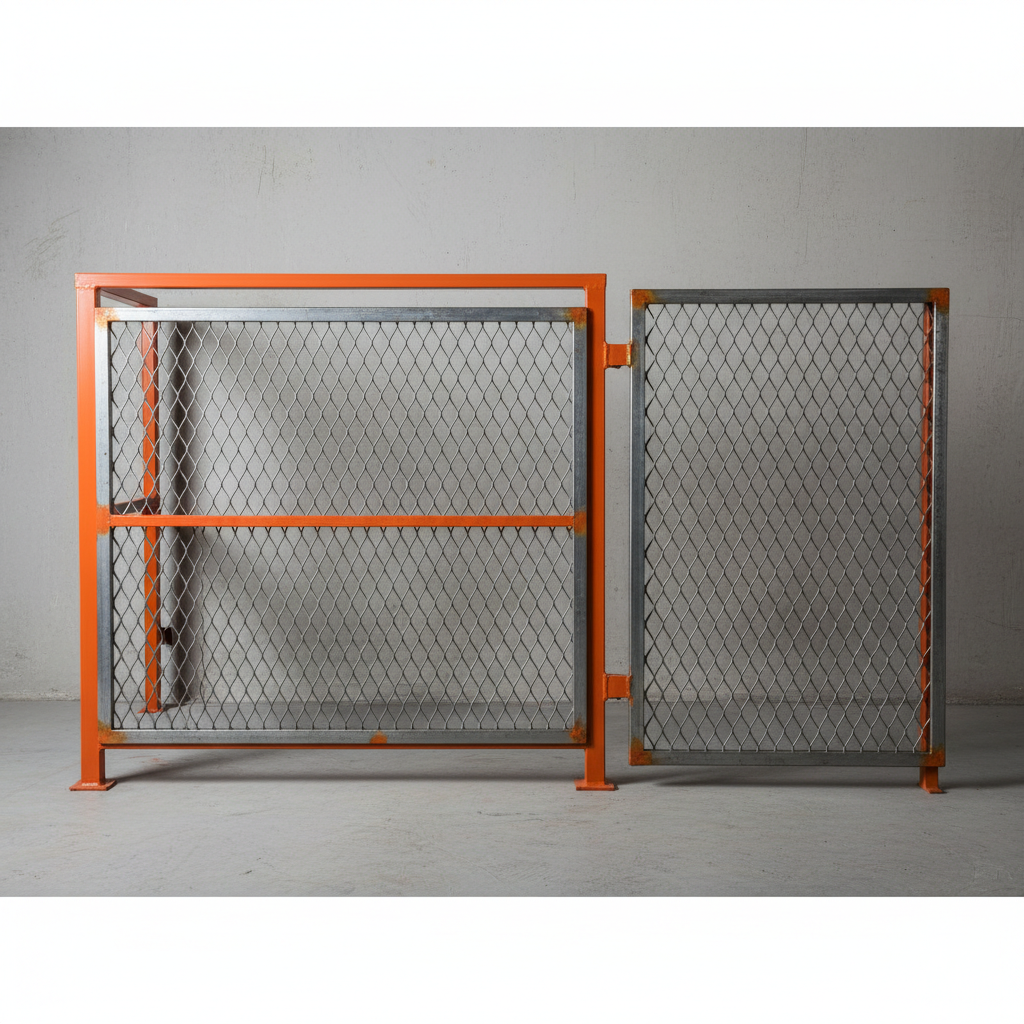
A nice chain link fence isn’t merely a grid of interwoven steel wires. It embodies modern refinements: uniform diamond patterns, galvanized or vinyl-coated wires for corrosion resistance, tension bars for rigidity, and neatly finished edges for safety and appearance. It bridges between industrial utility fencing and refined boundary demarcations suitable for residential or commercial use.
In humanitarian contexts, a nice chain link fence also respects social needs—it provides secure yet semi-transparent boundaries that avoid the prison-like feel of solid walls, giving a sense of community while maintaining order. The nice chain link fence is essentially an elegant utility fence, designed with both form and function in mind.
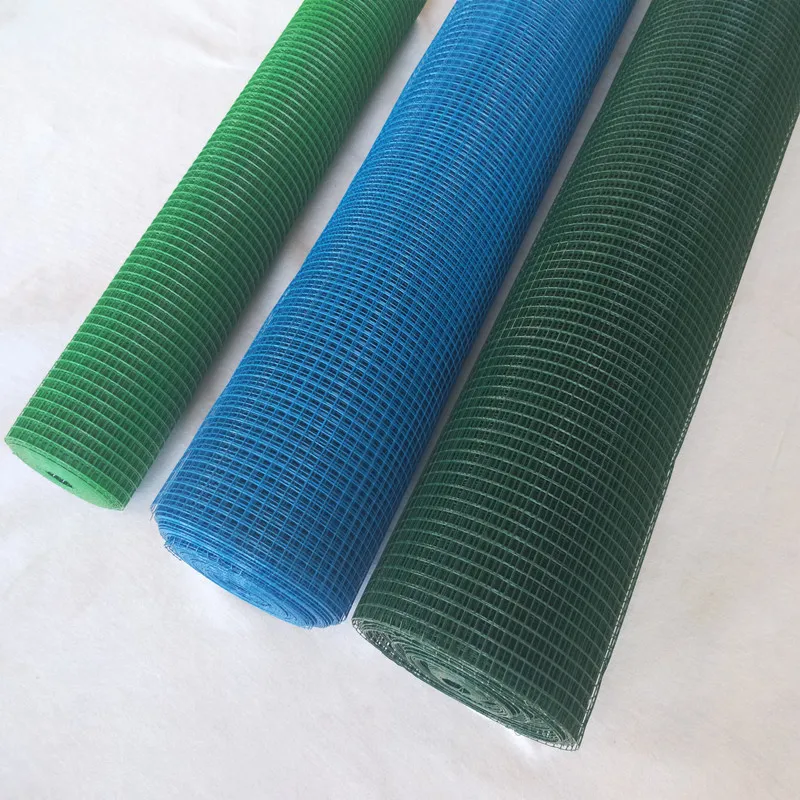
The backbone of a nice chain link fence is its longevity. Steel wires are galvanized to prevent rust, sometimes enhanced with PVC coatings in vibrant or subdued colors. This means a fence can withstand rain, UV rays, even salt air in coastal zones without flaking or weakening.
A key advantage is modular scalability. You can start with a few hundred feet and expand with minimal extra hassle. Manufacturers design panels and posts for rapid assembly with basic tools, sometimes even without heavy machinery — ideal for both urban projects and remote sites needing fast setup.
Compared to masonry walls or wrought iron fences, chain link options provide an economical barrier without sacrificing strength. The materials, transport costs, and labor are all on the lighter side. Yet, they remain vandal and intrusion-resistant, striking a neat balance.
Oddly enough, the design has evolved beyond the old industrial look. You can get fences coated in colors that blend with landscaping, or add privacy slats that partially obscure views while maintaining airflow. This versatility adds to social acceptability in upscale or community-conscious settings.
It’s fascinating how many sectors rely on a nice chain link fence. Some highlights include:
Worldwide, some humanitarian NGOs prefer chain link fences over other materials because they balance cost, portability, and respectful boundaries — a critical factor in sensitive environments.
| Specification | Details |
|---|---|
| Material | Galvanized steel wire, 9-gauge or 11-gauge |
| Coating | PVC vinyl in green, black, or gray (optional) |
| Mesh Size | 2” to 2.5” diamond pattern standard |
| Height Options | 3 ft to 12 ft (custom sizes available) |
| Post Types | Square or round steel posts, galvanized |
| Installation | Bolt-together or tension-wire fixings |
| Vendor | Core Strength | Price Range | Unique Feature |
|---|---|---|---|
| FenceCo Industries | Heavy-gauge durable steel | $$ | 24-hour turnaround on custom orders |
| SecureLine Solutions | Corrosion-resistant coatings | $$$ | Eco-friendly vinyl options |
| Metro Fence Supply | Affordable standard options | $ | Pre-cut panels for DIY installers |
When weighing options, stakeholders find that a nice chain link fence offers:
In real terms, these benefits compound: urban planners report savings on maintenance and improved community relations simply by opting for high-quality chain link fencing.
Technology doesn’t overlook fences, oddly enough. Here are some exciting innovations:
These trends reflect what the ISO committee defines as “sustainable fencing solutions” — a blend of innovation and practicality.
Like any product, chain link fences face hurdles. Corrosion in saline environments, theft of metal parts, or limited privacy can frustrate users. But experts often recommend:
Creative solutions keep popping up. For example, some NGOs use local materials to anchor standard panels, speeding deployment after natural disasters. It’s a reminder that sometimes innovation is less about radical design and more about thoughtful adaptation.
A1: With proper galvanized or vinyl-coated steel, these fences can last 15-25 years or more, even under harsh weather. Routine inspections and minor repairs help extend lifespan significantly.
A2: Generally yes, most standard fences with 2” diamond mesh support privacy slats, which can be added post-installation to improve privacy without sacrificing airflow.
A3: Absolutely. Heights frequently range from 3 to 12 feet or more, and coatings come in many colors like green, black, gray, or custom shades upon order from multiple suppliers.
A4: Many products come as pre-cut panels with straightforward assembly instructions. However, larger or high-security installations typically require professional handling for proper tensioning and longevity.
A5: They often perform well due to recyclable steel and comparatively low material use. Plus, modern eco-friendly coatings reduce environmental impact further, making them a smart choice for sustainable projects.
It’s not just about boundary lines but trustworthiness, adaptability, and forward-thinking design. The nice chain link fence offers an appealing blend of durability, style, and cost-effectiveness — qualities increasingly vital for architects, planners, and humanitarian organizations alike.
Whether scaling up industrial security or establishing temporary safe zones overseas, investing in quality chain link fencing pays dividends in safety, simplicity, and social respect. Ready to transform your fencing project? Visit us at https://www.tikemetal.com for expert guidance and premium products.
A nice chain link fence isn’t just wire and posts—it’s a global solution marrying durability, cost-efficiency, and humane design that continues evolving with innovation and practical wisdom.
RELATED PRODUCTS





Top