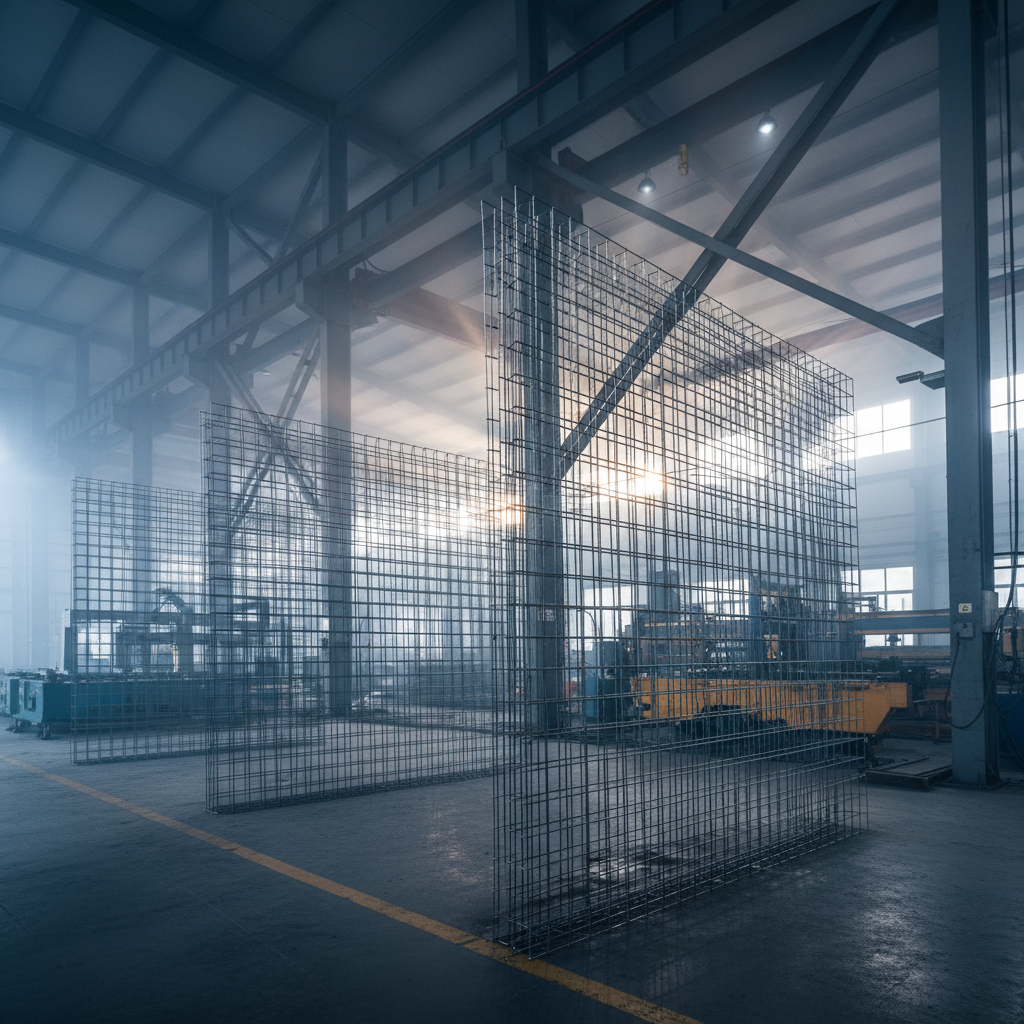
Bird wire mesh suppliers play a crucial role in a variety of industries, from agriculture and construction to security and wildlife management. The demand for high-quality, durable wire mesh is consistently strong, driven by the need for effective fencing solutions, safety barriers, and protective enclosures. Understanding the capabilities and specializations of different bird wire mesh suppliers is essential for businesses seeking reliable and cost-effective materials.
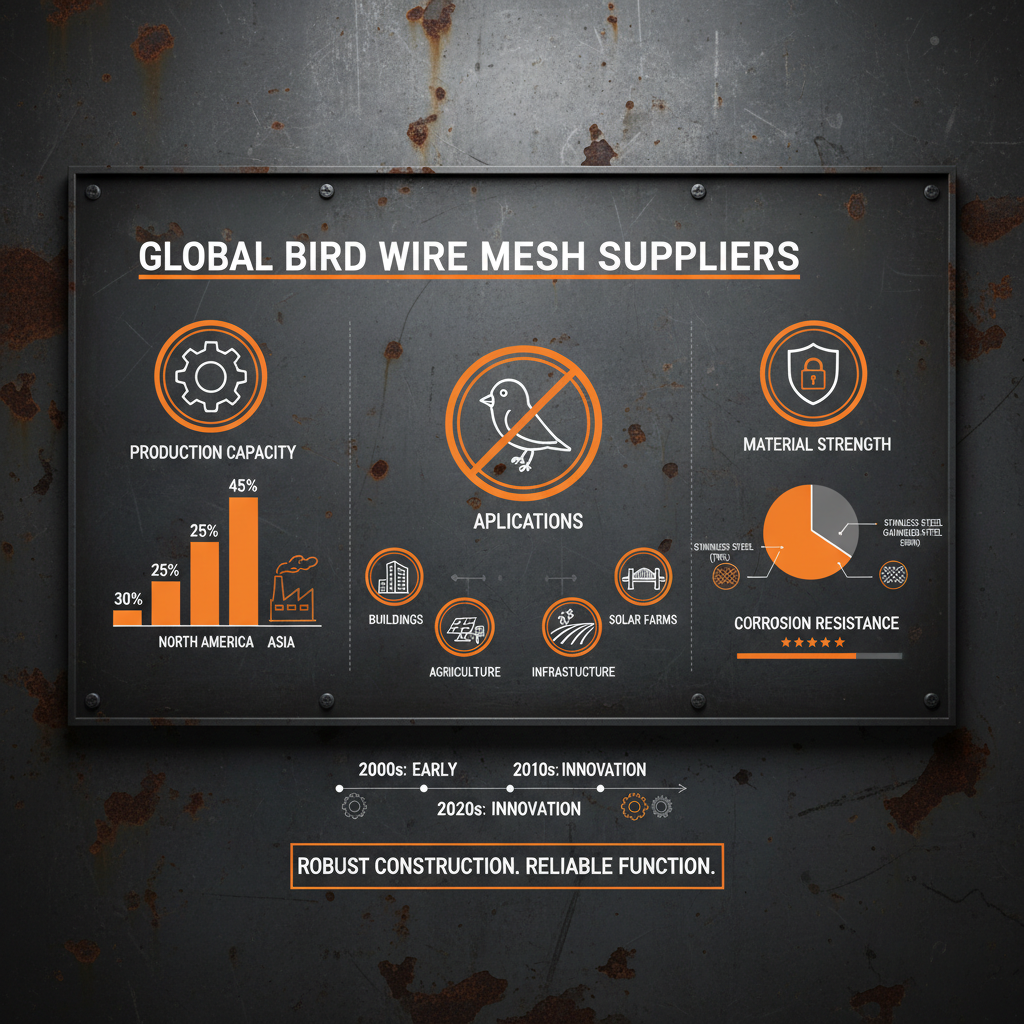
Globally, the metal products industry is experiencing growth, fueled by infrastructure development and increasing safety regulations. This growth directly impacts the demand for specialized wire mesh products like those used in bird control, animal containment, and security applications. Selecting the right supplier is no longer simply about price; it's about ensuring the product meets specific industry standards and performance requirements. This is especially true when considering the diverse applications where bird wire mesh suppliers contribute.
The increasing focus on humane wildlife management and public safety is driving innovation in wire mesh technology and supplier offerings. From specialized mesh sizes to prevent bird entanglement to high-strength materials for security fencing, suppliers are responding to evolving needs. This results in a robust market requiring careful consideration when sourcing materials from bird wire mesh suppliers.
The Global Importance of Bird Wire Mesh Suppliers
Bird wire mesh is a globally significant product, integral to industries spanning agricultural protection, public health, and infrastructure security. According to UN data, agricultural losses due to bird damage amount to billions of dollars annually, driving the demand for effective netting solutions. Bird wire mesh suppliers are responding by offering increasingly specialized products tailored to specific crop types and bird species.
The construction industry also relies heavily on wire mesh for safety netting, fall protection, and façade cladding. International safety standards, such as those set by ISO, dictate the minimum requirements for wire mesh used in these applications. Consequently, the quality and reliability of materials sourced from bird wire mesh suppliers are paramount to ensuring worker safety and structural integrity.
Defining Bird Wire Mesh and Its Applications
Bird wire mesh refers to a versatile material constructed from woven or welded wires, typically made of steel, stainless steel, or PVC-coated materials. The mesh size and wire gauge are engineered to provide a barrier against birds while maintaining airflow and visibility. It is often used to exclude birds from buildings, warehouses, agricultural areas, and other structures.
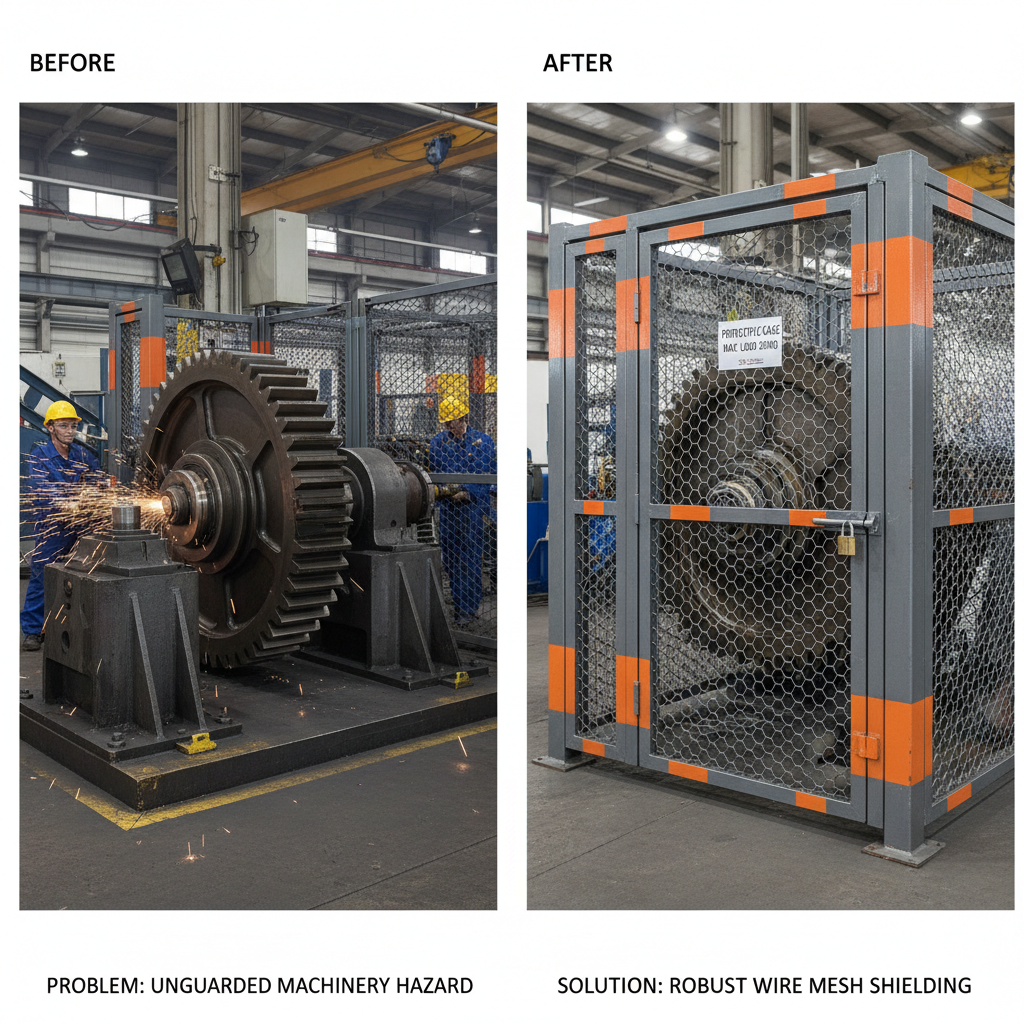
Beyond bird control, wire mesh finds applications in diverse fields. It’s used in animal containment for livestock fencing, poultry cages, and pet enclosures. The security industry utilizes wire mesh for perimeter fencing, security barriers, and reinforced structures. Industrial applications include screens for filtration, ventilation, and protective guards. Bird wire mesh suppliers, therefore, often serve a broad spectrum of customers.
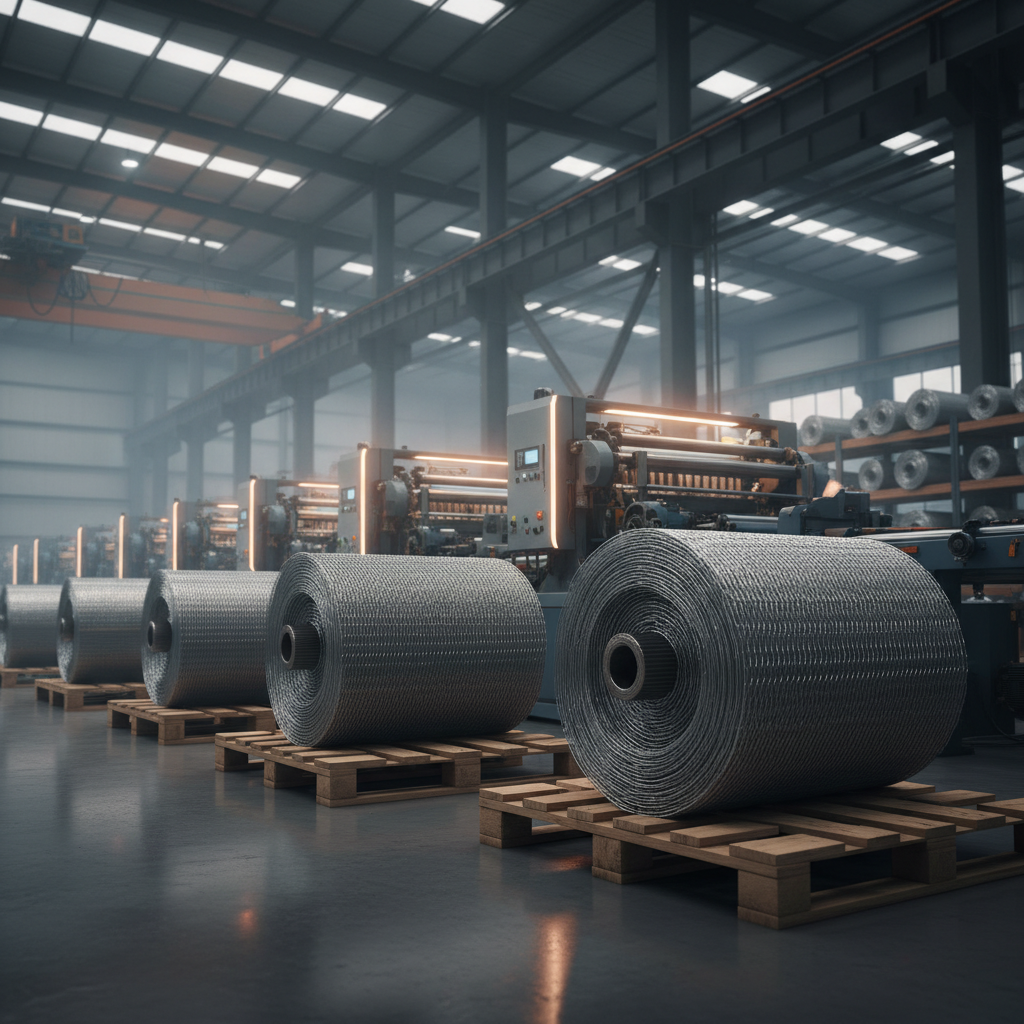
The connection to modern industry is evident in the increasingly sophisticated manufacturing techniques employed in wire mesh production. Automated welding, precise weaving, and advanced coating processes ensure consistent quality and durability. Furthermore, the demand for specialized mesh configurations—such as anti-climb fencing and blast-resistant barriers—highlights the adaptability and importance of wire mesh in addressing contemporary challenges.
Key Characteristics of Effective Bird Wire Mesh
Durability is a fundamental characteristic of effective bird wire mesh. Materials must withstand exposure to weather, UV radiation, and potential corrosion. Galvanized steel and stainless steel are commonly used for their resistance to rust and degradation, ensuring a long service life. This is a key factor that differentiates reliable bird wire mesh suppliers.
Mesh size is another critical consideration. The openings must be small enough to prevent birds from entering but large enough to allow for adequate airflow and visibility. Different bird species require different mesh sizes, so suppliers should offer a range of options to cater to specific needs.
Strength and flexibility are also essential. The wire mesh must be strong enough to withstand physical impact and resist tearing or deformation. Simultaneously, it needs to be flexible enough to conform to complex shapes and allow for easy installation. A good bird wire mesh supplier will understand these trade-offs and offer products optimized for specific applications.
Real-World Applications of Bird Wire Mesh
In agricultural settings, bird wire mesh is extensively used to protect crops from bird damage. Vineyards, orchards, and vegetable farms rely on netting to prevent birds from feeding on fruits and vegetables, minimizing yield losses and maximizing profitability. In post-harvest storage, wire mesh is used to create ventilated enclosures that protect crops from pests and maintain freshness.
Within urban environments, bird wire mesh is crucial for controlling pigeon populations and preventing nesting in buildings. It’s installed on ledges, under eaves, and in other areas where birds congregate, mitigating the risk of property damage and health hazards. This is especially important in historic buildings where aesthetic preservation is a priority.
Bird Wire Mesh Application Ratings
Advantages of Partnering with Specialized Suppliers
Choosing a specialized bird wire mesh supplier offers several key advantages. These suppliers possess in-depth knowledge of material properties, mesh configurations, and application-specific requirements. They can provide expert guidance on selecting the optimal wire mesh for a given project.
Specialized suppliers often offer custom fabrication services, enabling them to create wire mesh products tailored to unique specifications. This is particularly valuable for projects with complex geometries or unusual dimensions. Furthermore, they typically maintain larger inventories and shorter lead times, ensuring timely delivery of materials.
Future Trends in Bird Wire Mesh Technology
The future of bird wire mesh is likely to be shaped by advancements in materials science and manufacturing techniques. The development of lighter-weight, high-strength alloys will enable the creation of more durable and efficient mesh products. Nanotechnology could also play a role, with coatings that repel birds or provide enhanced corrosion resistance.
Increased focus on sustainability will drive demand for recycled and biodegradable wire mesh materials. Manufacturers are actively exploring alternatives to traditional metals and plastics, reducing the environmental impact of their products. Smart wire mesh, incorporating sensors to detect bird activity or structural damage, is another emerging trend.
Automation in production processes will lead to increased efficiency and lower costs. Robotic welding and automated weaving systems will enable manufacturers to produce wire mesh with greater precision and consistency, meeting the growing demand for customized solutions. Bird wire mesh suppliers are investing in these technologies to maintain their competitive edge.
Challenges and Considerations When Selecting Suppliers
One common challenge is ensuring consistent quality across large orders. Variations in wire gauge, mesh size, or coating thickness can compromise the performance and longevity of the wire mesh. Thorough quality control procedures and adherence to industry standards are essential.
Supply chain disruptions can also pose a significant challenge. Global events and geopolitical factors can impact the availability of raw materials and lead to delays in delivery. Establishing relationships with multiple suppliers and maintaining adequate inventory levels can mitigate these risks.
Finally, verifying the supplier’s environmental and ethical practices is becoming increasingly important. Customers are demanding transparency and accountability, seeking suppliers who prioritize sustainability and fair labor standards. Bird wire mesh suppliers need to demonstrate a commitment to responsible business practices to maintain customer trust.
Summary of Key Supplier Evaluation Criteria
| Product Quality |
Delivery Reliability |
Pricing Competitiveness |
Technical Support & Customization |
| Consistent wire gauge and mesh size |
On-time delivery record |
Competitive pricing structure |
Availability of technical expertise |
| Corrosion resistance and durability |
Efficient order processing |
Bulk discount options |
Custom fabrication capabilities |
| Compliance with industry standards (ISO) |
Effective communication and tracking |
Transparent pricing policies |
Material certifications and testing reports |
| Adherence to quality control processes |
Minimal lead times |
Payment flexibility |
Ability to accommodate unique design requests |
| Minimal defects and consistent finish |
Responsive customer support |
Long-term contract options |
Design assistance and engineering support |
| Long-term material warranty |
Packaging designed for safe transport |
Value-added services (e.g., cutting, bending) |
Prototyping services |
FAQS
Galvanized steel offers excellent corrosion resistance at a lower cost, making it suitable for many general applications. However, stainless steel provides superior resistance to rust, extreme temperatures, and harsh chemicals, ideal for coastal environments or applications requiring long-term durability. Choosing between the two depends on the specific environment and performance requirements, and consulting with bird wire mesh suppliers is recommended.
The ideal mesh size depends on the target bird species. Smaller birds require smaller mesh openings to prevent access. Generally, a 1/2 inch mesh is effective against pigeons, while smaller meshes (1/4 inch or less) are needed for smaller birds like sparrows. Bird wire mesh suppliers can offer guidance based on the local bird population and specific application.
The lifespan varies depending on the material, environment, and installation quality. Galvanized steel mesh typically lasts 10-15 years, while stainless steel can last 20+ years. Regular inspection and maintenance, such as cleaning and repairing any damage, can extend the lifespan. A reputable bird wire mesh supplier will offer warranties and guidance on maintenance.
When installed correctly, bird wire mesh is considered a humane method of bird control. It physically prevents birds from accessing areas without causing harm. Unlike lethal methods, it does not kill or injure birds. However, proper installation is critical to avoid trapping or entangling birds, which would be inhumane.
Provide detailed information about your project, including the area to be covered, the type of birds you need to exclude, any specific environmental conditions, and your desired mesh size and material. Clear communication will ensure you receive an accurate quote and the appropriate product from bird wire mesh suppliers.
Yes, both galvanized steel and stainless steel bird wire mesh are recyclable. Properly disposing of the mesh through a recycling facility helps conserve resources and reduce environmental impact. Increasingly, bird wire mesh suppliers are also offering recycled content options.
Conclusion
In conclusion, bird wire mesh represents a critical component in various industries, offering effective solutions for protection, containment, and security. The selection of appropriate materials, mesh sizes, and suppliers is vital for ensuring optimal performance and longevity. Understanding the key characteristics, emerging trends, and potential challenges associated with bird wire mesh is essential for making informed decisions and achieving successful project outcomes.
Looking ahead, the demand for innovative and sustainable wire mesh solutions will continue to grow. By partnering with reputable bird wire mesh suppliers, businesses can access cutting-edge products, expert guidance, and reliable support. Investing in quality wire mesh is not only a smart business decision but also a commitment to safety, sustainability, and responsible environmental stewardship.