Welded mesh fencing suppliers play a crucial role in a wide range of industries, from agriculture and construction to security and animal containment. The demand for high-quality, durable, and reliable fencing solutions continues to grow globally, driven by increasing infrastructure development and a heightened focus on safety and security. Understanding the landscape of welded mesh fencing suppliers is therefore vital for businesses and organizations seeking cost-effective and long-lasting fencing options.
The selection of a suitable supplier is influenced by factors such as the type of mesh required, the scale of the project, and specific industry standards. Different mesh apertures, wire gauges, and coating options cater to diverse applications. Reliable welded mesh fencing suppliers are those who can consistently deliver products meeting stringent quality control measures and offer customized solutions to address unique client needs.
In an increasingly competitive market, choosing the right welded mesh fencing supplier can significantly impact project budgets, timelines, and overall success. This detailed guide explores the core aspects of these suppliers, their applications, and the future trends shaping this important sector.
The Global Importance of Welded Mesh Fencing Suppliers
The global welded mesh fencing market is a multi-billion dollar industry, driven by demand across various sectors. According to reports, the construction industry alone accounts for a substantial portion of this demand, particularly in developing nations undergoing rapid urbanization. Reliable welded mesh fencing suppliers are critical to supporting this growth, ensuring projects are completed safely and efficiently. Furthermore, geopolitical factors and increased security concerns contribute to the need for robust fencing solutions.
The United Nations has consistently highlighted the importance of secure boundaries and perimeter control in humanitarian aid and refugee camp management, increasing the need for scalable and durable fencing solutions. These requirements put significant pressure on suppliers to meet both quality and quantity demands, while adhering to international standards and ethical sourcing practices.
Defining Welded Mesh Fencing Suppliers
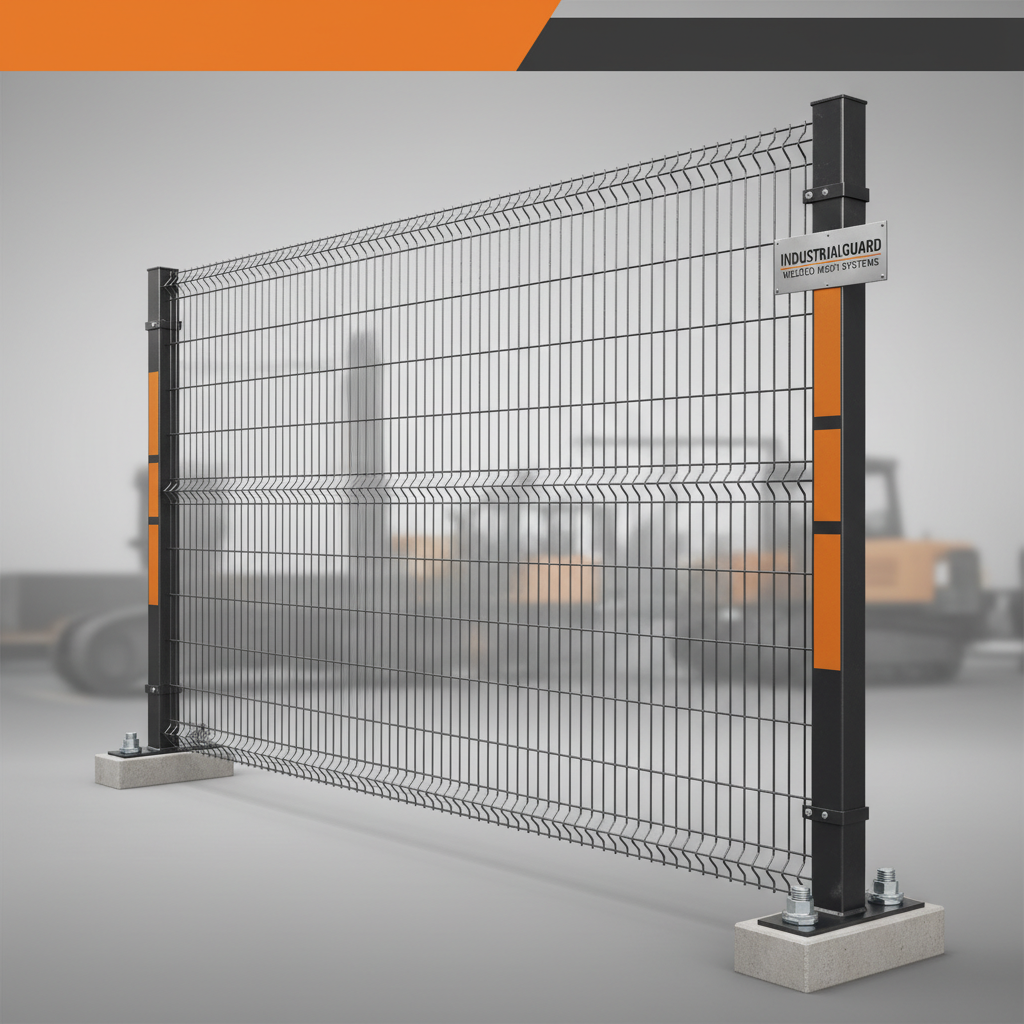
Welded mesh fencing suppliers are companies specializing in the manufacturing, distribution, and often installation of fencing constructed from welded wire mesh. This type of fencing is created by perpendicularly intersecting wires that are welded at each point of contact, forming a rigid and durable panel. These suppliers cater to diverse needs, offering a wide range of mesh sizes, wire gauges, and coatings to suit specific applications.
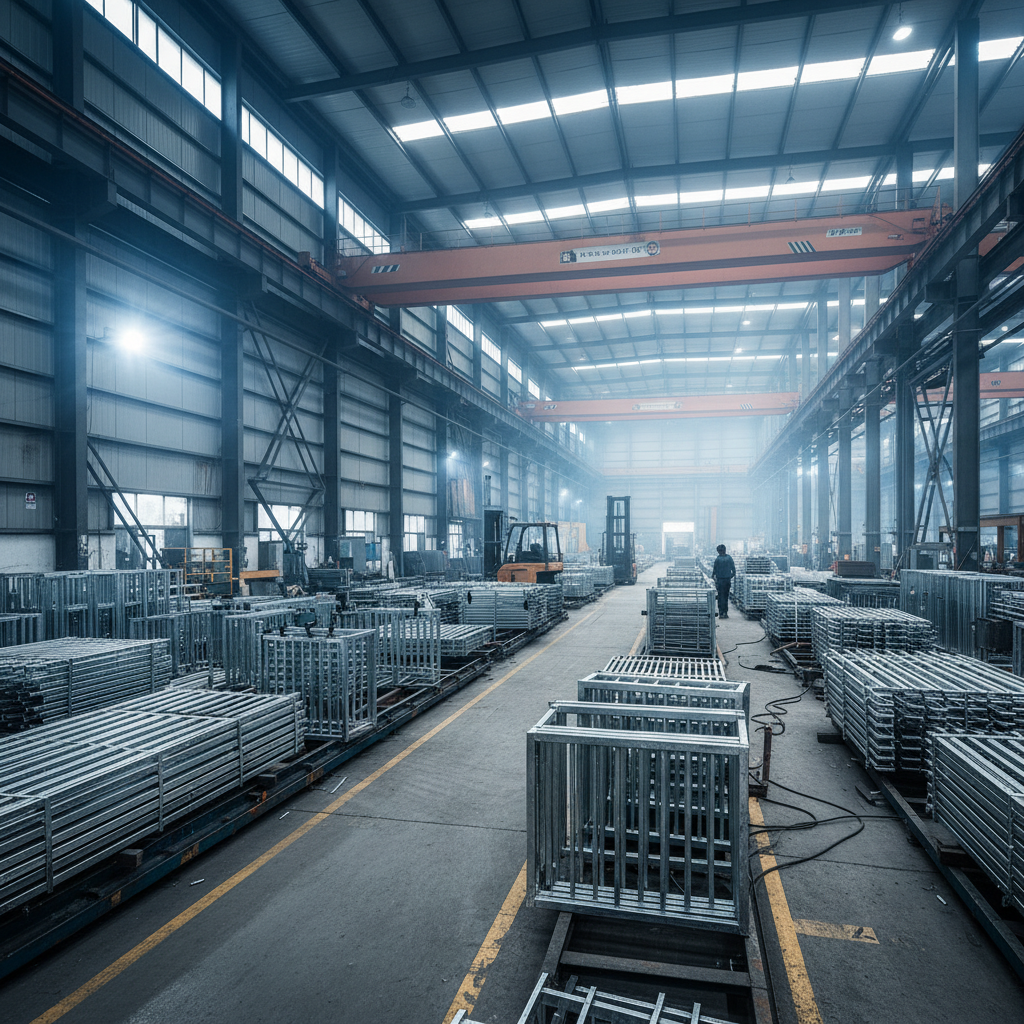
These suppliers differ from traditional fencing providers in their specialization of welded wire technology. They often possess in-depth knowledge of metal fabrication processes, corrosion resistance techniques, and safety standards. Their operations often include cutting, bending, forming, and welding processes, culminating in finished fencing products ready for installation.
The connection to modern industry and humanitarian needs is substantial. From securing industrial sites and agricultural land to providing temporary barriers in disaster relief scenarios, welded mesh fencing offers a practical and cost-effective solution where security, containment, and structural integrity are paramount.
Key Characteristics of Reputable Suppliers
Reputable welded mesh fencing suppliers exhibit several key characteristics. First and foremost is a commitment to quality control, with rigorous testing procedures to ensure products meet industry standards and client specifications. This includes verification of wire gauge, weld strength, coating adherence, and overall dimensional accuracy.
Secondly, a strong supplier will offer a wide range of products and customization options. This allows clients to select fencing tailored to their specific needs, whether it’s a particular mesh aperture, coating type (galvanized, PVC coated, etc.), or custom panel size. Thirdly, excellent customer service, including responsive communication, technical support, and efficient delivery logistics, are hallmarks of a reliable partner.
Finally, transparency in pricing, sourcing, and manufacturing processes builds trust and fosters long-term relationships. Suppliers who actively demonstrate ethical sourcing practices and environmentally responsible manufacturing are increasingly preferred by conscientious buyers.
Applications of Welded Mesh Fencing from Leading Suppliers
The versatility of welded mesh fencing leads to widespread applications. In the agricultural sector, suppliers provide fencing for livestock containment, protecting crops from pests, and securing farm perimeters. Construction companies rely on welded mesh for temporary site security and debris containment.
Security applications are extensive, including perimeter fencing for industrial facilities, commercial properties, and residential areas. Specialized versions, such as 358 high-security fencing, are supplied to critical infrastructure sites and government facilities requiring maximum protection. Furthermore, welded mesh is commonly used in gabion baskets for erosion control and landscape architecture.
Welded Mesh Fencing Applications by Sector
Global Market Trends and Regional Variations
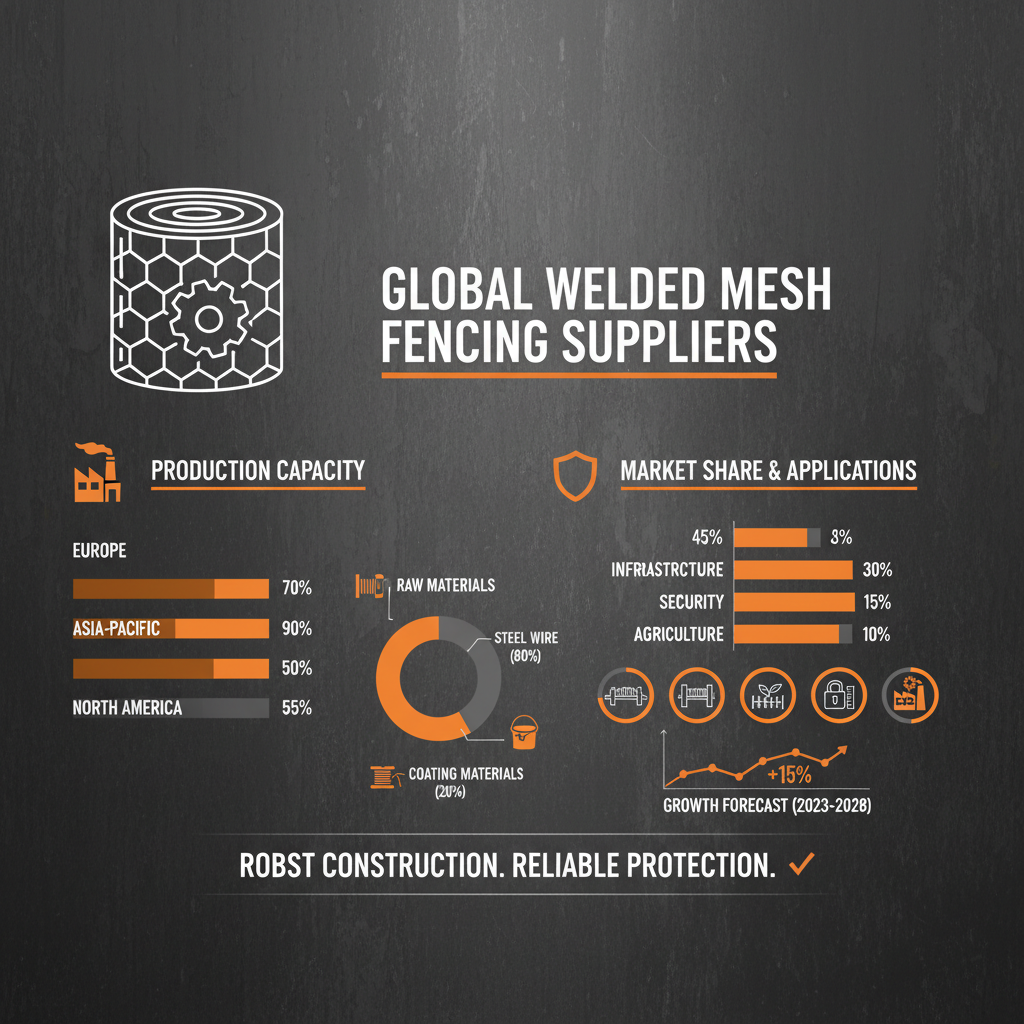
The global welded mesh fencing market is exhibiting strong growth, driven by urbanization, infrastructure development, and increasing security concerns. North America and Europe represent mature markets with a focus on high-security applications and sustainable materials. Asia-Pacific is the fastest-growing region, fueled by rapid industrialization and construction activities in countries like China and India.
Regional variations exist in product preferences and regulatory requirements. For example, certain regions may prioritize galvanized steel fencing due to its cost-effectiveness, while others may demand PVC-coated options for enhanced corrosion resistance. Suppliers must be adept at navigating these regional nuances and offering products compliant with local standards.
Advantages of Partnering with Specialized Suppliers
Partnering with specialized welded mesh fencing suppliers offers numerous advantages. These suppliers possess in-depth knowledge of the materials, manufacturing processes, and application requirements, allowing them to provide expert guidance and customized solutions. They can also offer competitive pricing, efficient logistics, and reliable after-sales support.
Specialized suppliers often invest in research and development, leading to innovative products with enhanced performance and durability. They are also more likely to adhere to stringent quality control measures and industry best practices, ensuring the long-term reliability of their fencing solutions.
Furthermore, they can provide valuable insights into emerging market trends and regulatory changes, helping clients stay ahead of the curve.
Assessing Supplier Quality and Sustainability
When evaluating welded mesh fencing suppliers, several factors should be considered. Certifications such as ISO 9001 demonstrate a commitment to quality management systems. Checking for compliance with relevant industry standards, such as ASTM or EN standards, is also crucial.
Sustainability is an increasingly important consideration. Suppliers who prioritize environmentally responsible manufacturing practices, utilize recycled materials, and offer products with long lifecycles are preferred. Furthermore, assessing their supply chain transparency and ethical sourcing practices is essential.
Key Supplier Assessment Criteria
| Quality Certifications |
Product Range & Customization |
Sustainability Practices |
Lead Times & Delivery Reliability |
| ISO 9001, CE Marking |
Extensive catalog, bespoke panel sizing |
Recycled content usage, responsible sourcing |
2-3 week lead times, 95% on-time delivery |
| ASTM Standards Compliance |
Variety of coatings (galvanized, PVC) |
Waste reduction programs, eco-friendly packaging |
Flexible shipping options, global network |
| EN 1090-2 Accreditation |
High-security fencing options (358) |
Low-carbon footprint manufacturing |
Real-time order tracking, proactive updates |
| Third-Party Quality Audits |
Custom wire gauge and mesh aperture selection |
Sustainable sourcing of raw materials |
Dedicated account management, responsive support |
| Material Testing Reports Available |
Welded gabion basket options |
Commitment to circular economy principles |
Efficient logistics network, optimized routes |
| Warranty Provisions |
Temporary fencing solutions (AU, CA types) |
Energy-efficient manufacturing processes |
Local warehousing options, reduced delivery times |
FAQS
The lifespan of welded mesh fencing heavily depends on the materials used and the environmental conditions. Galvanized steel fencing typically lasts 15-20 years, while PVC-coated options can extend that to 25+ years. High-quality suppliers provide warranties reflecting these expectations. Proper installation and maintenance also contribute to longevity, reducing the risk of corrosion and structural failure.
Galvanized fencing uses a zinc coating to protect against rust, providing good corrosion resistance at a relatively lower cost. PVC-coated fencing adds a layer of PVC plastic over the galvanization, offering superior protection, especially in harsh environments like coastal areas or industrial sites. However, PVC coating increases the price and might be susceptible to UV degradation over time.
Wire gauge refers to the thickness of the wire used in the mesh. Lower gauge numbers indicate thicker wire, resulting in greater strength and durability. Higher gauge numbers mean thinner wire, which is more economical but less resistant to bending, breaking, or cutting. The appropriate wire gauge depends on the intended application and the level of security required.
Lead times for custom orders vary depending on the supplier’s workload, the complexity of the design, and the quantity required. Generally, expect a lead time of 2-4 weeks for standard custom orders. More complex designs or large volumes may require longer lead times. Communicating your project timeline early is crucial to ensure timely delivery.
Proper installation is paramount. Ensuring the posts are adequately spaced and securely anchored is essential for stability. Using appropriate fasteners and tensioning the mesh correctly prevents sagging and deformation. Ground preparation and drainage are also important to prevent corrosion and ensure the fence remains structurally sound over time.
Many welded mesh fencing suppliers offer installation services, particularly for larger projects. If they don’t directly provide installation, they typically have a network of certified installers they can recommend. Utilizing a qualified installer ensures the fence is erected correctly, maximizing its lifespan and performance.
Conclusion
In conclusion, understanding the role of welded mesh fencing suppliers is crucial for anyone involved in construction, agriculture, security, or infrastructure development. Selecting a reputable supplier with a commitment to quality, customization, and sustainability ensures access to reliable and durable fencing solutions that meet specific project requirements. The factors discussed – quality certifications, product range, sustainability practices, and delivery reliability – are key indicators of a supplier’s competence and long-term value.
Looking ahead, innovation in materials and manufacturing techniques will further enhance the performance and sustainability of welded mesh fencing. Adopting a proactive approach to supplier selection and embracing emerging trends will be critical for success in this dynamic market. For dependable welded mesh fencing solutions, visit our website: www.tikemetal.com.