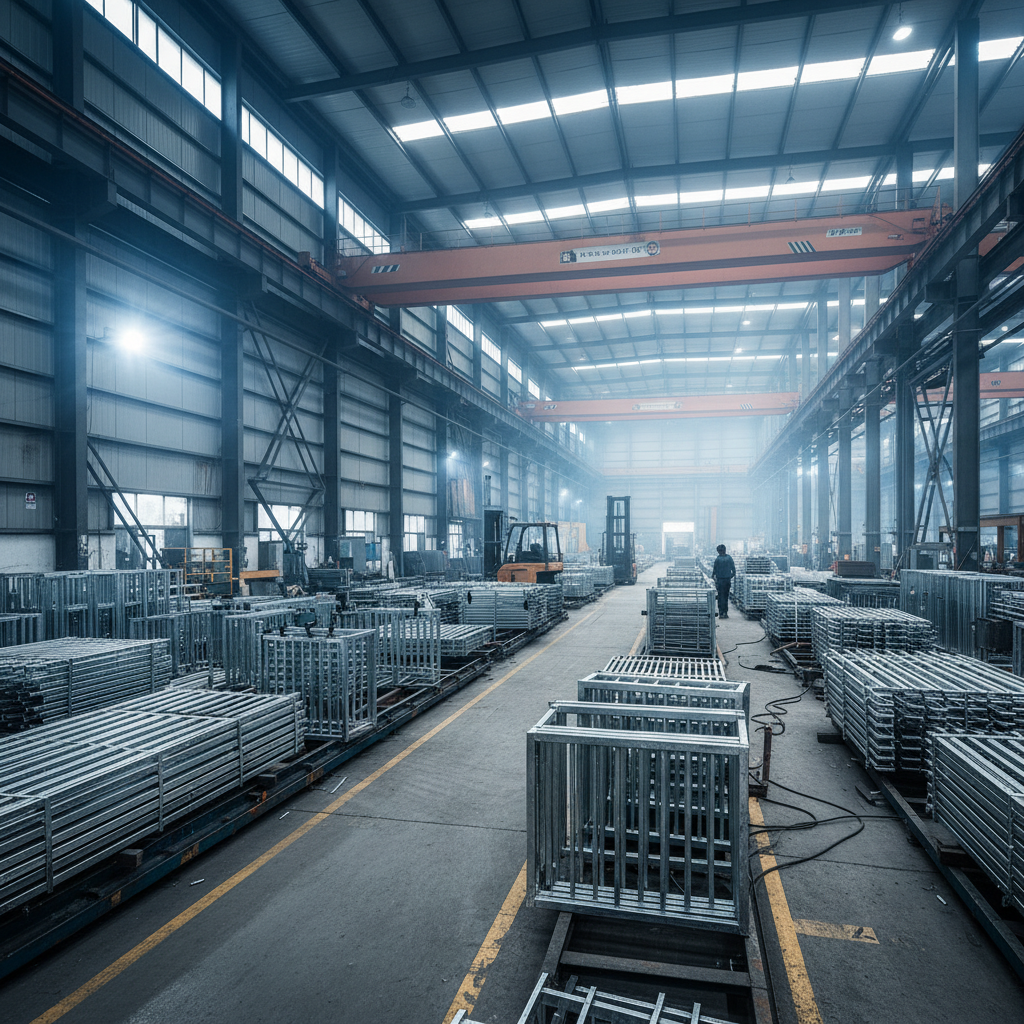
Types of wire mesh fencing are ubiquitous in modern infrastructure and security, playing a crucial role in defining boundaries, protecting assets, and ensuring safety. From simple agricultural fencing to high-security perimeter systems, the diverse range of materials, weaves, and coatings available cater to a vast spectrum of needs globally. Understanding the nuances of these different types is paramount for informed decision-making, optimizing performance, and achieving long-term cost-effectiveness in various applications.
The global demand for wire mesh fencing is substantial, driven by population growth, urbanization, and increasing security concerns. According to market research, the industry is projected to continue its expansion, with a particular focus on developing economies investing in infrastructure projects and border control measures. This growth is fueled by the fencing's relatively low cost compared to alternatives like concrete walls and its ease of installation, making it a preferred choice in numerous scenarios.
The widespread adoption of types of wire mesh fencing isn't merely about physical security; it's also about enabling efficient operations in agriculture, managing livestock, protecting critical infrastructure, and even offering temporary solutions in disaster relief. The material’s versatility and adaptability make it a fundamental component of modern societal functions, and its continued evolution will remain essential to meet growing global needs.
The Significance of Types of Wire Mesh Fencing
The ability to effectively define and secure spaces is a foundational element of societal organization. Types of wire mesh fencing offer a versatile and cost-effective solution to this need, playing a critical role in protecting property, managing access, and ensuring public safety. Different mesh types cater to varying levels of security requirements, from simple deterrents to robust, intrusion-resistant systems.
Beyond security, different types of wire mesh fencing enable efficient operation across numerous industries. Agricultural applications utilize fencing to contain livestock and protect crops. Industrial sites employ it to delineate boundaries and safeguard equipment. The adaptability of wire mesh makes it an indispensable tool in a broad range of contexts, contributing to operational efficiency and overall safety.
Defining Types of Wire Mesh Fencing
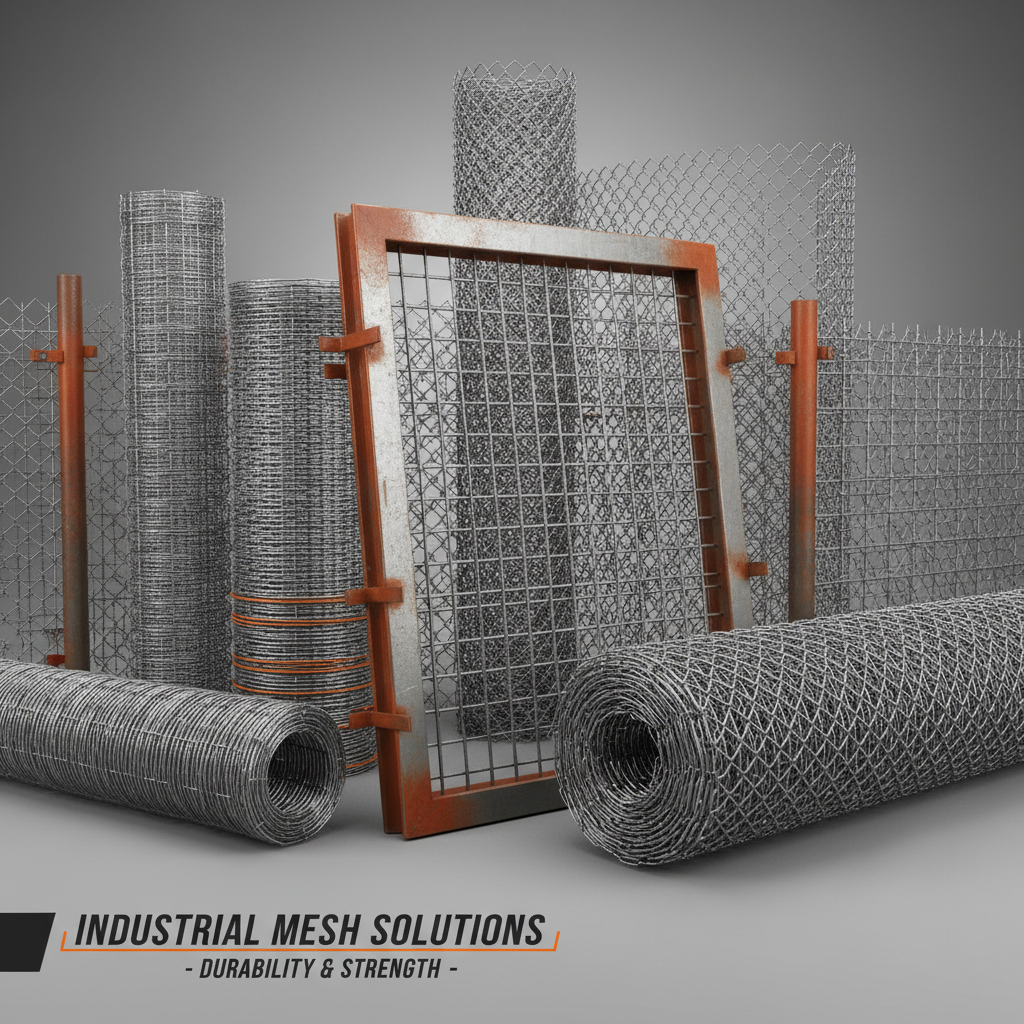
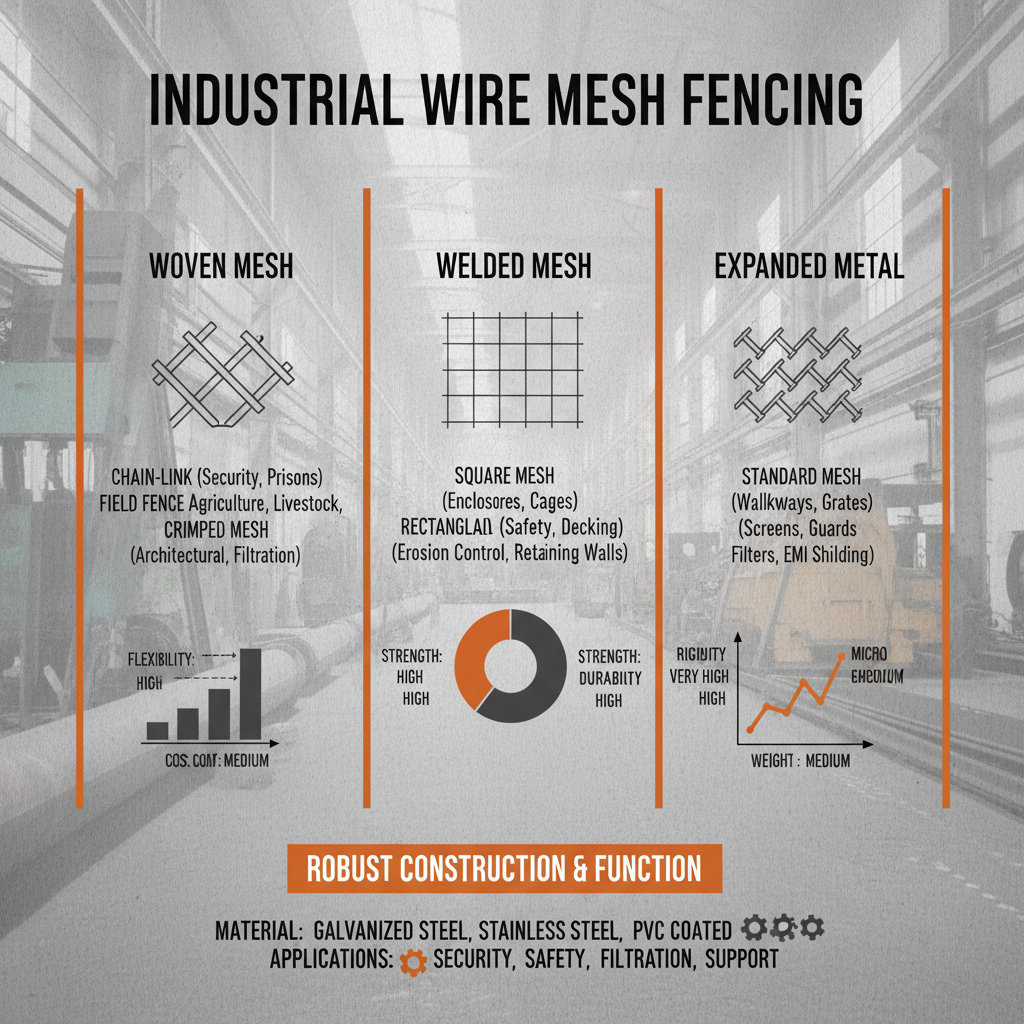
Types of wire mesh fencing encompass a wide array of products constructed from woven or welded metal wires, forming a barrier with various opening sizes and configurations. These barriers are defined by the material used (steel, stainless steel, aluminum, galvanized wire), the weave pattern (plain weave, twill weave, hexagonal weave), and the coating applied for corrosion resistance (galvanizing, PVC coating, powder coating). Understanding these variables is key to selecting the appropriate fencing for a specific application.
The connection to modern industry stems from the need for scalable and adaptable security solutions. Unlike rigid barriers like concrete, wire mesh fencing can be easily customized to fit complex terrains and specific project requirements. This flexibility, combined with its relatively low cost and quick installation, makes it a favored choice in large-scale infrastructure projects and temporary security setups.
Furthermore, its relevance extends to humanitarian efforts. In disaster relief scenarios, temporary wire mesh fencing provides secure perimeters for refugee camps, field hospitals, and supply distribution centers. The speed of deployment and the ability to create secure, defined spaces are vital in emergency situations, demonstrating the fencing's crucial role beyond traditional security applications.
Core Attributes of Wire Mesh Fencing
Durability is a cornerstone of effective wire mesh fencing. The material selection and coating process directly influence the fencing’s ability to withstand environmental factors such as corrosion, UV exposure, and physical impact. High-quality galvanized or stainless steel wire mesh, properly coated, can provide decades of reliable performance, minimizing maintenance costs and ensuring long-term security.
Scalability refers to the ease with which the fencing can be adapted to different site conditions and security needs. Wire mesh fencing can be readily customized in height, length, and mesh size. It can be installed on uneven terrain, around obstacles, and integrated with access control systems, offering a flexible solution for diverse applications.
Cost-efficiency is a significant advantage. Compared to other perimeter security options like concrete walls or brick fences, wire mesh fencing generally requires a lower initial investment and reduced installation costs. This makes it an accessible solution for businesses, municipalities, and individuals seeking effective security without incurring substantial financial burdens.
Practical Applications Across Sectors
In the agricultural sector, types of wire mesh fencing effectively contain livestock, prevent crop damage from wildlife, and define property boundaries. From woven wire fencing for general pasture management to specialized netting for poultry protection, the versatility of wire mesh caters to a wide range of farming needs.
Industrial facilities rely on wire mesh fencing to secure perimeters, protect valuable equipment, and control access to restricted areas. High-security welded wire mesh, often combined with anti-climb features, provides robust protection against unauthorized entry and theft. In post-disaster relief operations, temporary wire mesh fencing is crucial for establishing secure camps and distribution centers.
Comparative Security Levels of Different Types of Wire Mesh Fencing
Advantages and Long-Term Benefits
The cost-effectiveness of types of wire mesh fencing is undeniable, offering a significant return on investment compared to more expensive alternatives. The relatively low material and installation costs, coupled with minimal maintenance requirements, translate to long-term savings.
From a sustainability perspective, wire mesh fencing often incorporates recyclable materials, reducing its environmental impact. Furthermore, its durability ensures a longer lifespan, minimizing the need for frequent replacements. These features align with the growing emphasis on responsible and environmentally conscious construction practices.
Future Trends in Wire Mesh Fencing
Innovation in coating technologies is leading to the development of more durable and corrosion-resistant wire mesh fencing options. These advanced coatings enhance the lifespan of the fencing, reducing maintenance costs and improving overall performance in harsh environments.
The integration of smart technology, such as sensors and alarm systems, is transforming wire mesh fencing into a proactive security solution. These integrated systems provide real-time monitoring, intrusion detection, and remote access control, enhancing security and responsiveness.
There’s growing demand for environmentally friendly alternatives, like biodegradable coatings or the use of recycled materials, aligning with sustainable practices and reducing the environmental footprint of fencing solutions.
Common Challenges and Innovative Solutions
A common challenge with types of wire mesh fencing is susceptibility to climbing. Solutions include the integration of anti-climb features like barbed wire, razor wire, or specially designed mesh patterns that make scaling difficult.
Corrosion, particularly in coastal or industrial environments, remains a concern. Utilizing high-quality galvanized steel, stainless steel, or specialized coatings that resist corrosion are vital for ensuring longevity. Regular inspection and maintenance are also crucial for identifying and addressing potential corrosion issues early on.
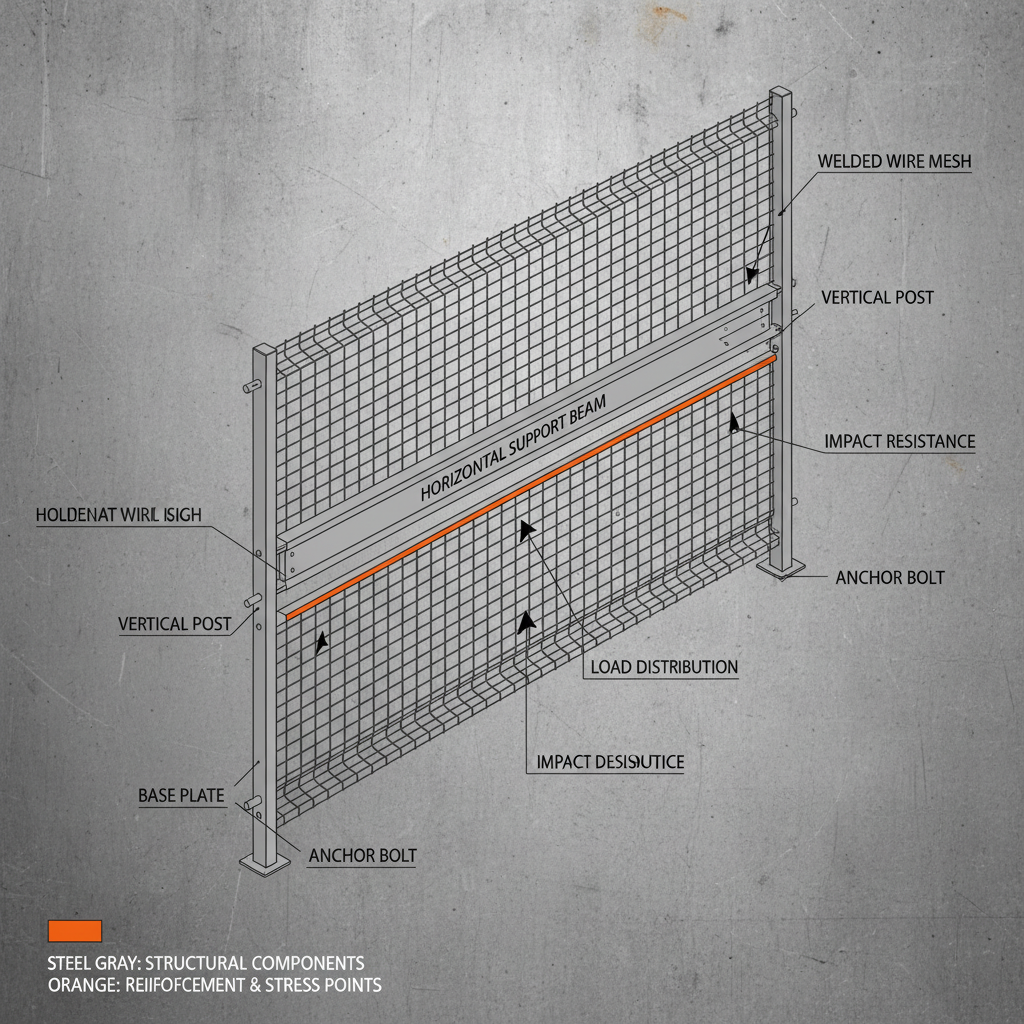
Damage from vandalism or accidental impact can compromise the integrity of the fencing. Strengthening the posts, using heavier gauge wire, and employing reinforced mesh structures can mitigate this risk. Implementing security cameras and alarm systems can further deter vandalism and provide timely alerts in case of incidents.
Summary of Challenges and Solutions in Wire Mesh Fencing
| Challenge |
Severity (1-5) |
Solution |
Implementation Cost (1-5) |
| Climbability |
3 |
Anti-climb additions (barb wire, razor wire) |
2 |
| Corrosion |
4 |
Galvanized/Stainless Steel, Protective Coatings |
3 |
| Vandalism |
2 |
Reinforced Mesh, Security Cameras |
4 |
| Impact Damage |
2 |
Heavy Gauge Wire, Reinforced Posts |
3 |
| Uneven Terrain Installation |
3 |
Flexible Mesh Designs, Adjustable Posts |
2 |
| Wildlife Penetration |
2 |
Smaller Mesh Sizes, Burrow Guards |
2 |
FAQS
Chain link fencing is typically more affordable and easier to install, making it suitable for general-purpose applications. Welded wire mesh, however, offers greater rigidity, more precise mesh openings, and often superior security due to its more robust construction. The choice depends on the specific security needs, budget, and aesthetic preferences.
In coastal areas, where salt spray accelerates corrosion, selecting high-quality materials is crucial. Opt for stainless steel wire mesh, or galvanized steel with a durable powder coating specifically designed for marine environments. Regular cleaning and inspection, along with the application of protective coatings, can further extend the fence's lifespan.
For livestock, woven wire fencing is generally preferred due to its ability to contain animals effectively and prevent escapes. The mesh size should be appropriate for the type of livestock being contained. Adding a top and bottom rail can further enhance security. Electric fencing can be integrated for added deterrence.
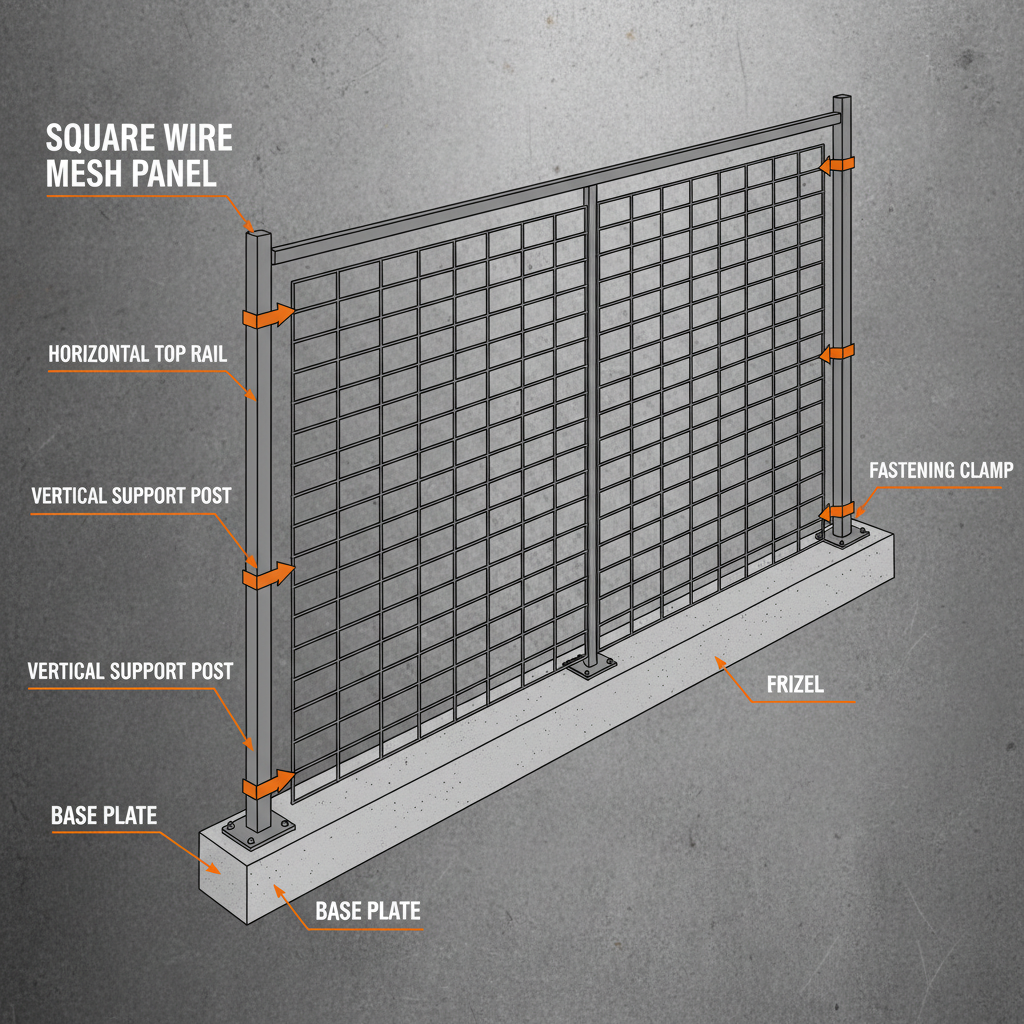
To calculate the amount of fencing needed, measure the perimeter of the area to be fenced. Add extra material (typically 10-15%) to account for posts, gates, and potential irregularities in the terrain. Factor in the height of the fencing and the spacing between posts to determine the total quantity required. Online fencing calculators can simplify this process.
Anti-climb features, like barbed wire, razor wire, or specialized mesh patterns, make it significantly more difficult for intruders to scale the fencing. These features deter unauthorized access and enhance the overall security of the perimeter. The choice of anti-climb feature should be based on the level of security required and any relevant regulations.
Galvanized wire mesh fencing is generally considered environmentally friendly due to the zinc coating's ability to protect the steel from corrosion, extending its lifespan and reducing the need for frequent replacements. Furthermore, steel is a recyclable material, allowing for responsible disposal at the end of the fencing’s service life. Powder coating options are also becoming increasingly environmentally friendly.
Conclusion
In conclusion, understanding the diverse types of wire mesh fencing is essential for making informed decisions regarding security, agriculture, industrial applications, and humanitarian aid. From the core attributes of durability and scalability to the future trends of smart technology and sustainable materials, the evolution of wire mesh fencing continues to address evolving needs. Effective selection and proper installation are paramount for maximizing the benefits and ensuring long-term performance.
As industries and communities continue to prioritize safety, efficiency, and sustainability, types of wire mesh fencing will remain a vital component of modern infrastructure. By embracing innovation, adopting responsible practices, and staying informed about the latest advancements, we can unlock the full potential of this versatile and cost-effective solution. Visit our website at www.tikemetal.com to learn more about our comprehensive range of wire mesh fencing products.