Wholesale wire fencing plays a critical role in a diverse range of applications globally, from agricultural security and livestock management to industrial perimeter protection and even temporary event enclosures. The demand for robust, cost-effective, and easily deployable fencing solutions is consistently high, making the wholesale wire fencing market a significant component of the broader building materials industry. Understanding its nuances – manufacturing processes, material properties, and application-specific requirements – is vital for businesses and organizations relying on secure and reliable containment.
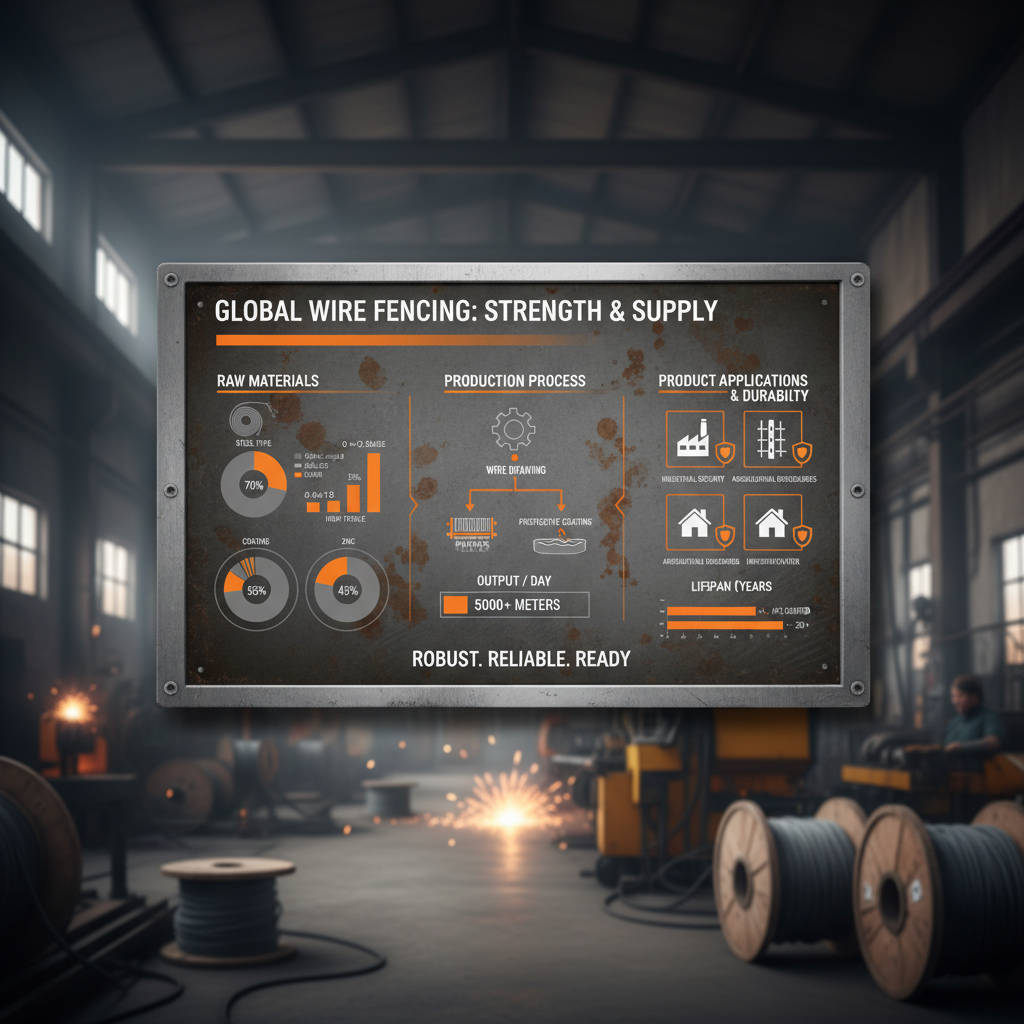
The global market for wire fencing is driven by factors like increasing infrastructure development, particularly in emerging economies, a growing emphasis on security concerns across various sectors, and the rising demand for efficient agricultural practices. According to industry reports, the market is expected to continue its growth trajectory in the coming years, fueled by innovations in materials and construction techniques. This presents both opportunities and challenges for suppliers and end-users alike.
Effective wholesale wire fencing isn’t just about physical barriers; it’s about providing peace of mind, protecting assets, and ensuring operational efficiency. It addresses critical needs in security, agriculture, and construction, and its availability through wholesale channels makes it accessible to a wide array of projects, from large-scale infrastructure developments to small-scale farming operations.
The Importance of Wholesale Wire Fencing
Wholesale wire fencing is foundational to many sectors, providing essential security, containment, and structural support. Its importance stems from its versatility, adapting to diverse requirements from agricultural boundaries to high-security industrial perimeters. The ability to procure these materials in bulk directly from wholesalers like wholesale wire fencing suppliers significantly impacts project costs and timelines.
Beyond practical applications, wholesale wire fencing contributes to broader economic benefits. It supports local manufacturing, provides employment opportunities, and enables the efficient operation of critical industries like agriculture and construction. Choosing a reliable supplier ensures quality, consistent supply, and competitive pricing, all crucial for long-term success.
Defining Wholesale Wire Fencing
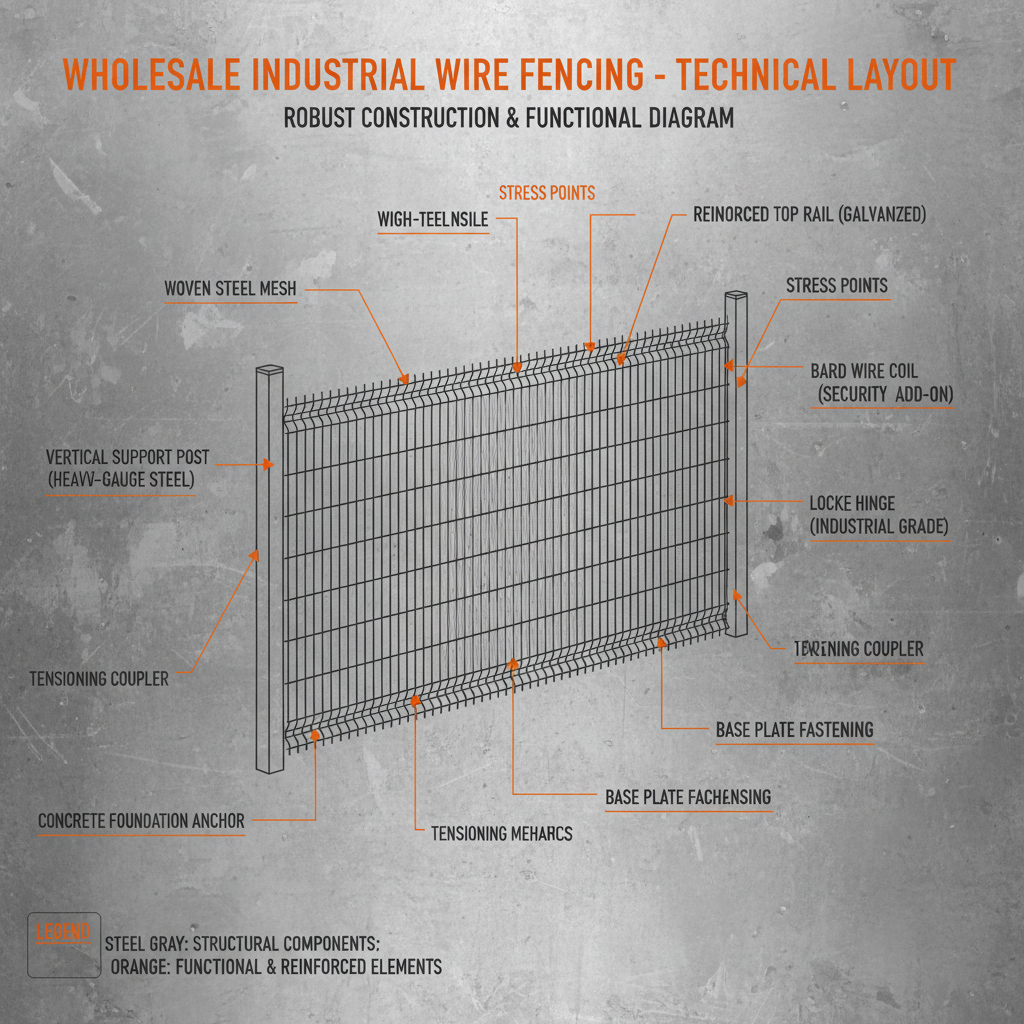
Wholesale wire fencing refers to the bulk supply of fencing materials, typically to businesses, contractors, and large organizations, rather than directly to individual consumers. This encompasses a wide variety of fencing types, including chain link, barbed wire, woven wire, welded wire, and specialized security fencing, often sold in rolls, spools, or pre-fabricated panels.
The core distinction lies in the volume and pricing structure. Wholesalers offer significant discounts compared to retail prices, making it the preferred option for large-scale projects. This model streamlines the procurement process and reduces overhead costs for businesses needing substantial quantities of fencing materials.
In today’s interconnected world, wholesale wire fencing directly impacts modern industry and humanitarian needs. It’s used for securing critical infrastructure, protecting agricultural investments, creating temporary shelters in disaster relief situations, and ensuring the safety of communities worldwide.
Key Factors of Wholesale Wire Fencing
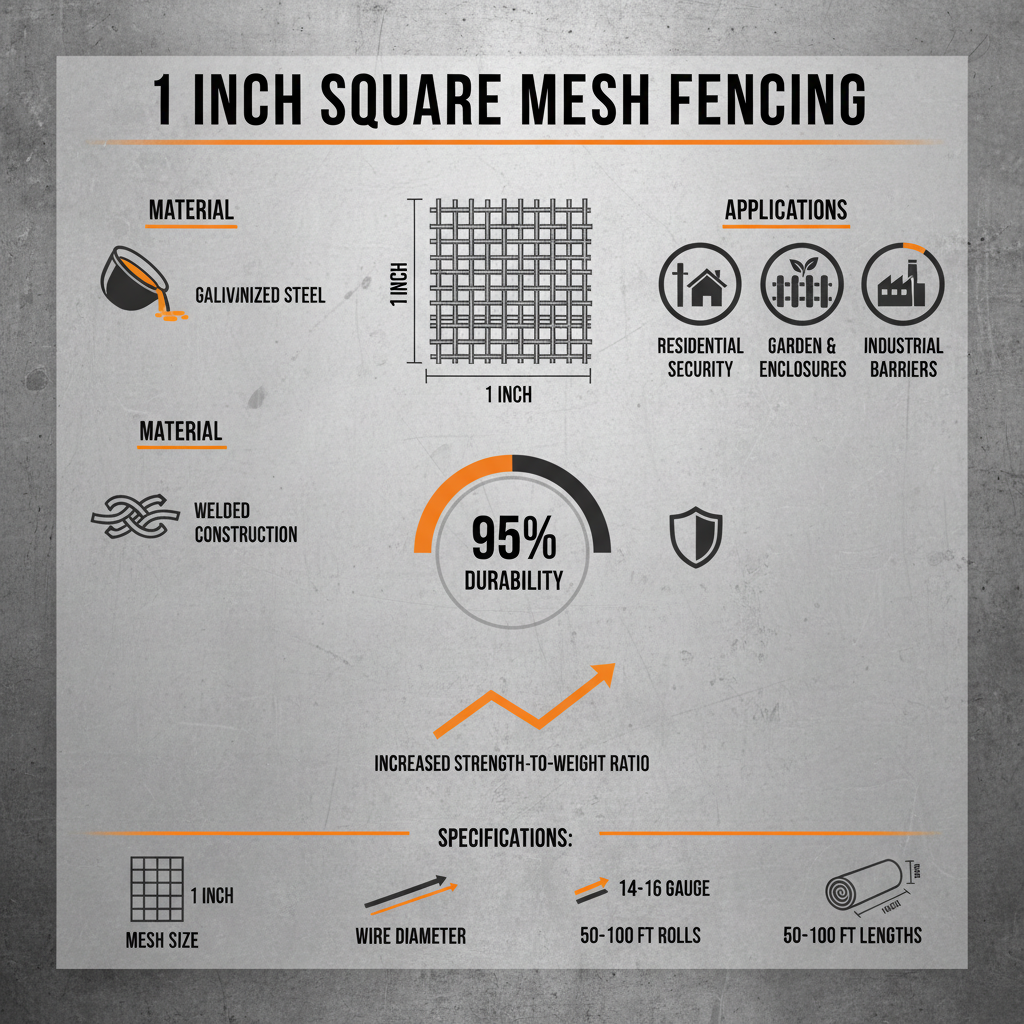
Durability: The longevity and resistance to corrosion, weathering, and physical damage are paramount. Galvanized steel, stainless steel, and PVC-coated wire are commonly used to enhance durability, especially in harsh environments. The quality of the wire and the manufacturing process directly impact the lifespan of the fencing.
Cost-Effectiveness: Wholesale pricing allows for significant savings, making it an economical solution for large-scale projects. However, it’s crucial to consider the total cost of ownership, including installation, maintenance, and potential replacement costs. A balance between initial cost and long-term value is essential.
Scalability: The ability to adapt to varying project sizes and requirements is a key advantage. Wholesale suppliers offer a wide range of fencing heights, widths, and gauges, allowing for customized solutions. Flexibility in material selection and fabrication options also contributes to scalability.
Applications of Wholesale Wire Fencing
Wholesale wire fencing finds extensive use in agricultural settings, securing livestock, defining property boundaries, and protecting crops from pests. Its robust nature and cost-effectiveness make it ideal for these large-scale applications.
Industrial and commercial facilities utilize wholesale wire fencing for perimeter security, protecting assets, preventing unauthorized access, and enhancing safety. This is particularly crucial in industries handling sensitive materials or high-value equipment. Suppliers like wholesale wire fencing cater to these specific security needs.
The construction industry relies on wholesale wire fencing for temporary site enclosures, material storage, and crowd control. Its ease of installation and portability make it a convenient solution for dynamic construction environments. In post-disaster relief operations, wire fencing provides immediate perimeter security and helps establish safe zones.
Wholesale Wire Fencing Application Distribution
Advantages of Wholesale Wire Fencing
The primary advantage of procuring wholesale wire fencing lies in its cost savings. Bulk purchasing dramatically reduces the per-unit price, particularly beneficial for large projects. This allows businesses to stay within budget without compromising on quality or security.
Beyond cost, wholesale wire fencing offers reliability and longevity. High-quality materials and robust construction ensure the fencing can withstand harsh weather conditions and potential physical breaches. Choosing reputable suppliers, such as wholesale wire fencing, guarantees a product that meets industry standards and provides lasting protection.
Future Trends in Wholesale Wire Fencing
The integration of smart technology is emerging as a key trend. Smart fencing systems incorporating sensors and connectivity features offer real-time monitoring, intrusion detection, and remote access control. This enhances security and provides valuable data for operational insights.
Sustainable materials and manufacturing processes are gaining prominence. Recycled steel and eco-friendly coatings are becoming increasingly popular, aligning with growing environmental concerns. Manufacturers are also exploring ways to minimize waste and reduce their carbon footprint.
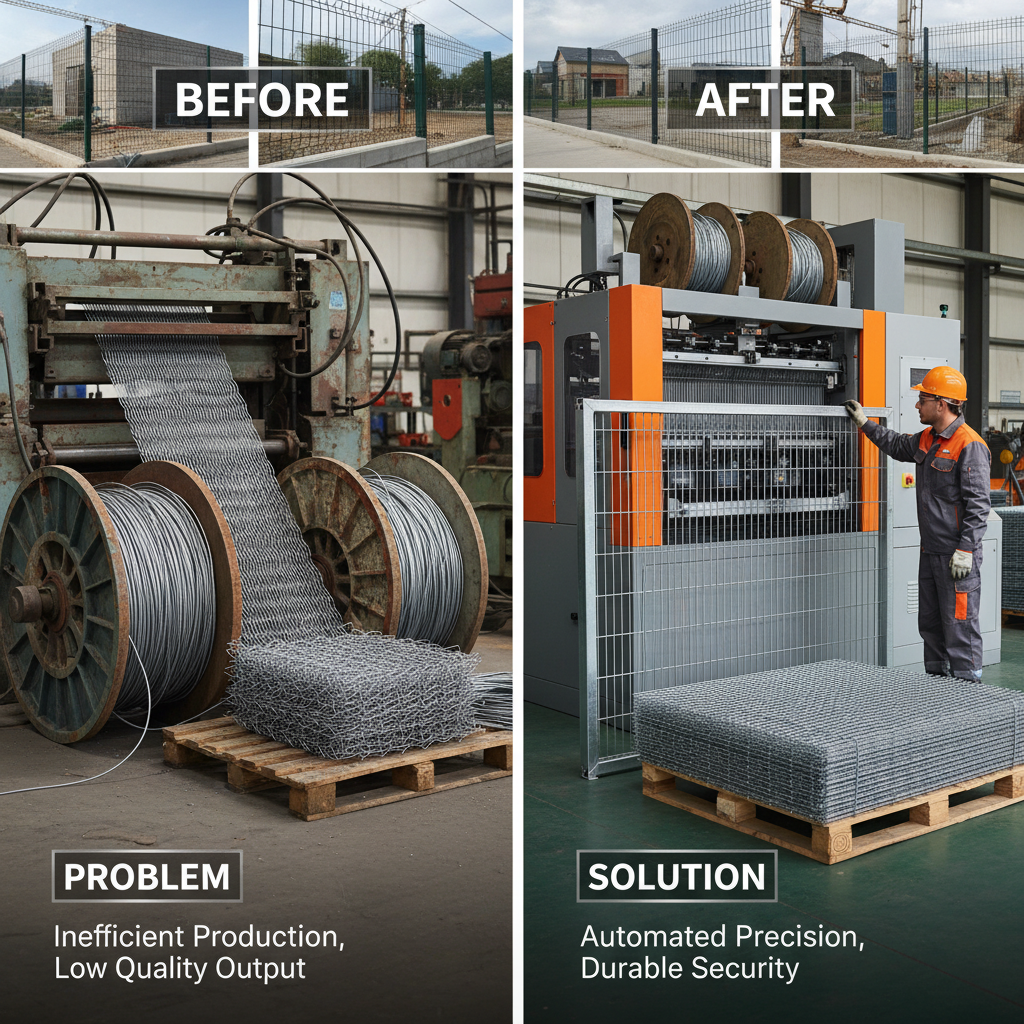
Automation in the production and installation of wire fencing is also on the rise. Automated welding and fabrication techniques improve efficiency and precision, while robotic installation systems reduce labor costs and speed up project completion times.
Challenges and Solutions in Wholesale Wire Fencing
One significant challenge is maintaining consistent quality control across large-scale production runs. Variations in material composition or manufacturing processes can lead to inconsistencies in strength and durability. Implementing rigorous quality assurance procedures and conducting regular inspections are crucial.
Supply chain disruptions and fluctuating raw material prices can also impact the availability and cost of wholesale wire fencing. Diversifying supplier relationships and establishing long-term contracts can mitigate these risks.
The environmental impact of wire fencing production and disposal presents another challenge. Utilizing recycled materials, promoting responsible manufacturing practices, and developing effective recycling programs can minimize this impact.
Analysis of Wholesale Wire Fencing Suppliers
| Supplier Reliability |
Product Quality (1-10) |
Pricing Competitiveness |
Lead Time (Days) |
| High |
9 |
8 |
7 |
| Medium |
7 |
6 |
10 |
| High |
8 |
7 |
5 |
| Low |
5 |
4 |
15 |
| Medium |
6 |
5 |
8 |
| High |
9 |
9 |
3 |
FAQS
Galvanized steel is coated with zinc to resist corrosion, offering a cost-effective solution for many applications. However, stainless steel provides superior corrosion resistance, making it ideal for harsh environments like coastal areas or industrial facilities. Stainless steel is also more aesthetically pleasing and has a longer lifespan, but comes at a higher price point.
The appropriate wire gauge depends on the type of livestock being contained and the level of security required. For smaller animals like chickens or rabbits, a lighter gauge (19-20) is sufficient. For larger animals like cattle or horses, a heavier gauge (12.5-14) is recommended to withstand greater pressure and prevent breakouts.
Accurately measure the perimeter of the area you need to enclose. Add extra length (typically 10-15%) to account for obstacles, curves, and post spacing. Consider the height of the fence and the type of wire or panel you're using to calculate the total quantity needed. A qualified fencing contractor can assist with precise calculations.
The lifespan of wholesale wire fencing varies depending on the material, coating, and environmental conditions. Galvanized steel fencing can last 10-20 years with proper maintenance. Stainless steel fencing can last 30+ years. PVC-coated fencing offers extended protection and can last even longer. Regular inspection and repair are essential to maximize lifespan.
Local regulations regarding fence height, setbacks, and materials vary significantly. It's essential to check with your local authorities before starting any fencing project. Permits may be required, particularly for fences exceeding a certain height or located near property lines.
Regular maintenance includes inspecting for damaged wires, loose posts, and corrosion. Repairing or replacing damaged sections promptly prevents further deterioration. Applying a protective coating to galvanized steel can extend its lifespan. Keeping vegetation cleared from the fence line also helps prevent damage and maintain its integrity.
Conclusion
Wholesale wire fencing remains a crucial element in various industries, providing security, containment, and structural support across diverse applications. From safeguarding agricultural investments to protecting industrial assets, its cost-effectiveness, scalability, and durability make it an indispensable material. Understanding the key factors influencing its performance, embracing future trends in smart technology and sustainability, and addressing existing challenges will ensure its continued relevance and value.
Looking ahead, the industry will likely see increased adoption of innovative materials, automated installation techniques, and environmentally responsible practices. By staying informed about these developments and partnering with reputable suppliers like wholesale wire fencing, businesses and organizations can optimize their fencing solutions for long-term success and sustainability.